Summary:
You turn on the tap and catch that smell. Or maybe your dishes have spots no matter how many times you run them through the dishwasher. Your water might be “safe” according to municipal standards, but that doesn’t mean it’s the quality you want for your family.
Home filtration isn’t about following trends. It’s about solving real problems in your water—whether that’s removing contaminants you can’t see, eliminating odors you can smell, or protecting your plumbing from damage you’ll pay for later. In Marion County, FL, where limestone geology and municipal treatment create their own set of challenges, choosing the right system means understanding what you’re actually dealing with. Let’s start with what makes a filtration system worth the investment.
Best Home Filtration System for Your Specific Water Issues
There’s no universal “best” system because your neighbor’s water isn’t your water. What works for someone on municipal supply in one part of Marion County might not touch the issues you’re dealing with on well water three miles away.
The best home filtration system for your situation targets your actual contaminants. That sulfur smell coming from your hot water heater? It needs a different approach than chlorine taste from city treatment. Hard water destroying your appliances requires softening, not just filtration.
Before you look at systems, know what’s in your water. Marion County, FL residents on municipal water can request a Consumer Confidence Report. Well owners need professional testing because your water quality is unique to your property and depth. Testing isn’t optional if you want a system that actually solves your problem instead of just sounding impressive.
What Consumer Reports Say About Whole House Water Filters That Deliver
Consumer Reports and independent testing labs consistently point to a few systems that outperform the competition. But here’s what matters more than any rating: whether the system addresses what’s actually in your water.
Whole house systems treat water at the point it enters your home. Every faucet, every shower, every appliance gets filtered water. In Marion County, FL, where hard water and sulfur are common, this comprehensive approach makes sense. You’re not just protecting drinking water—you’re protecting your plumbing, your water heater, and your fixtures from damage that costs thousands to repair.
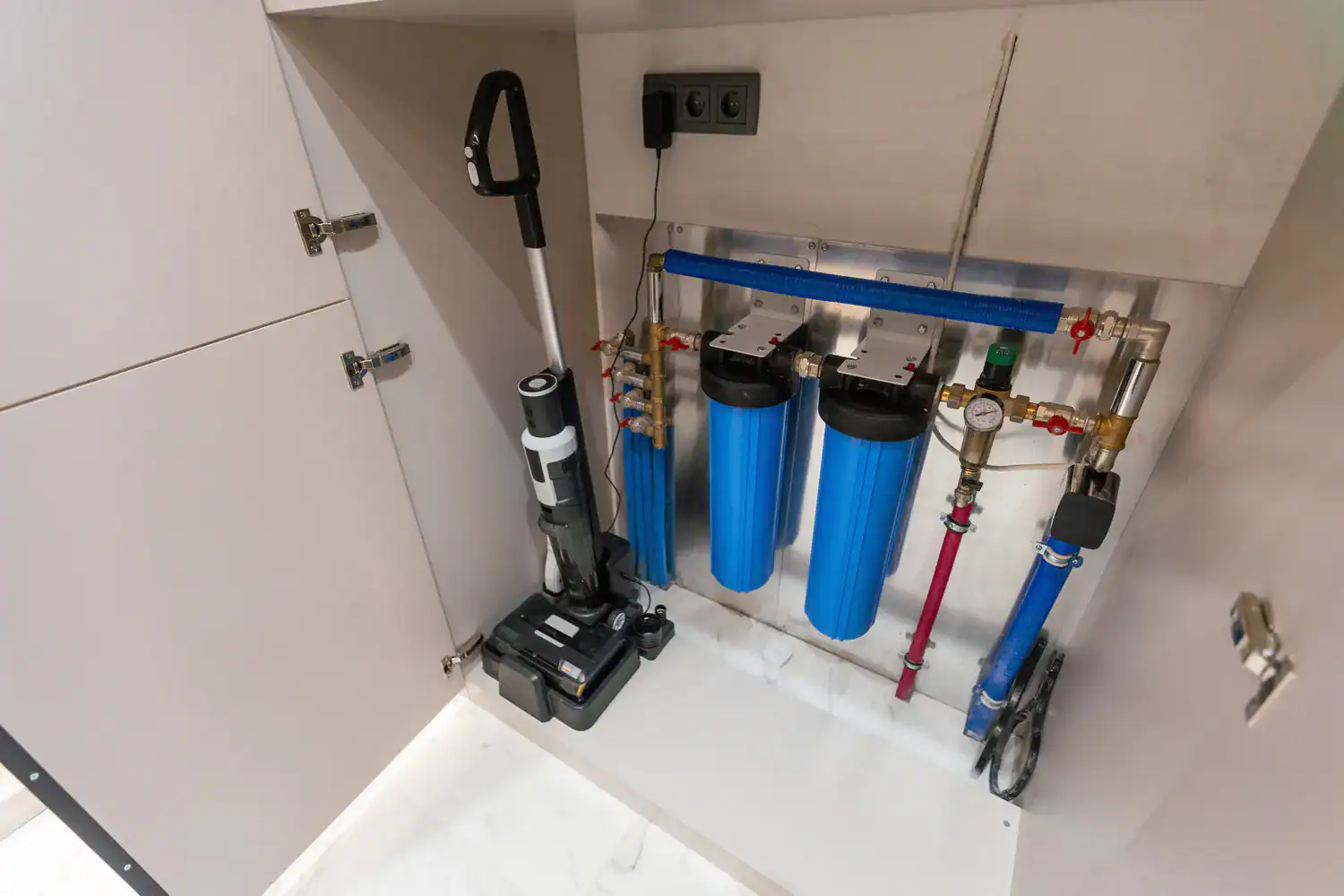
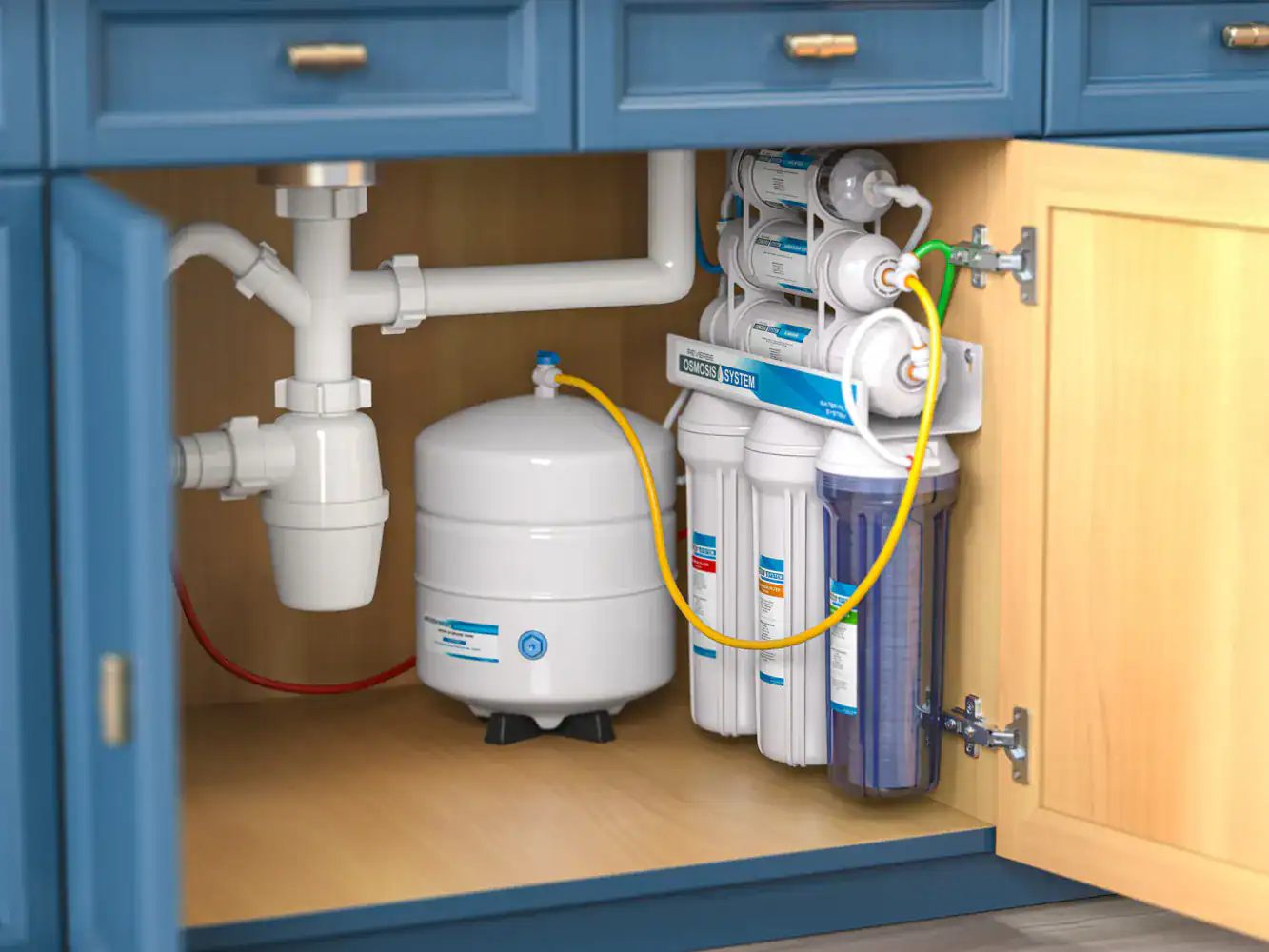
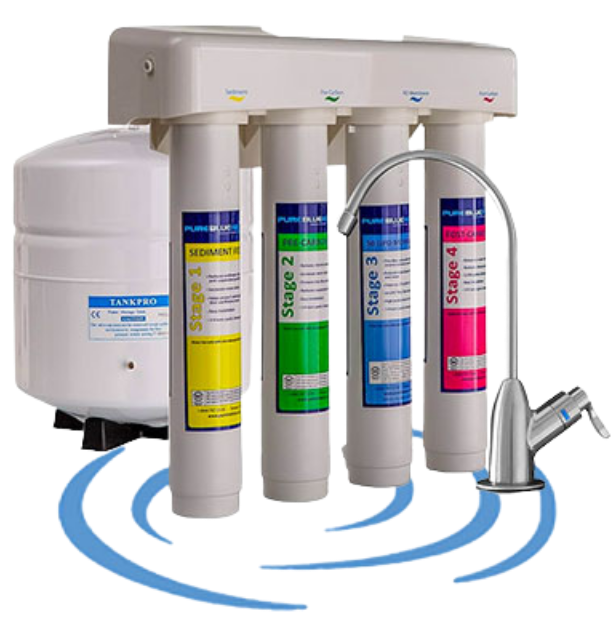
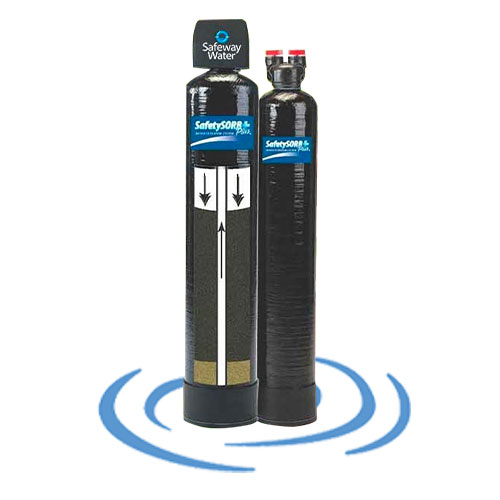
The systems that rank highest typically use multiple stages of filtration. A sediment pre-filter catches rust and debris. Activated carbon removes chlorine and organic compounds. KDF media targets heavy metals. Some add UV sterilization for bacteria and viruses, which matters if you’re on well water.
Tank-based systems offer the best long-term value despite higher upfront costs. They filter up to one million gallons—roughly 10 years for most households—before needing media replacement. Cartridge systems cost less initially but require filter changes every 6-12 months. Over five years, the maintenance costs add up. That’s money you’ll spend either way.
Look for NSF/ANSI certifications. These aren’t marketing fluff. They’re independent verification that a system actually removes what it claims to remove. NSF 42 covers taste and odor. NSF 53 addresses health-related contaminants like lead and cysts. NSF 55 certifies UV systems. If a company can’t show you these certifications, keep looking.
Flow rate matters more than most people realize. An undersized system drops your water pressure, affecting shower performance and appliance efficiency. For Marion County homes, you need at least 9-12 GPM for 1-3 bathrooms, 12-15 GPM for 4-6 bathrooms. Professional sizing prevents pressure problems that make you regret the whole installation.
Companies with WQA certified professionals understand these technical details. We size systems correctly the first time. We know which home filtration technologies work for specific contaminants. And we install systems that maintain proper water pressure throughout your home.
Top Rated Home Water Filtration Systems for Marion County, FL Water Challenges
Marion County, FL water presents specific challenges that generic systems don’t always handle well. The limestone aquifer that supplies much of the area’s groundwater contains sulfur compounds. That’s why so many residents deal with the rotten egg smell from hydrogen sulfide gas. It’s not a health hazard, but it’s unpleasant enough that many families won’t drink their tap water.
Hard water is nearly universal here. Calcium and magnesium from limestone formations create scale buildup in pipes and on fixtures. You see it as white residue around faucets and showerheads. Inside your water heater and appliances, it’s shortening their lifespan by years.
Municipal water comes with its own issues. Chlorine and chloramines used for disinfection affect taste and smell. Some residents notice it more than others, but it’s there. Worse, chlorine can create disinfection byproducts when it reacts with organic matter in water. These byproducts—trihalomethanes or THMs—are what health-conscious homeowners want removed.
Top rated home water filtration systems for this area typically combine multiple technologies. Carbon filtration handles chlorine and organic compounds. Water softening addresses hardness. For sulfur issues, you might need oxidation or specialized media that converts hydrogen sulfide to sulfur particles that can be filtered out.
The systems earning five-star ratings from Marion County homeowners share common features. They maintain water pressure throughout the house. They’re professionally installed and properly sized for the home’s plumbing. They come with clear maintenance schedules and available service support. And critically, they’re backed by companies that actually service what they sell.
That last point matters more than you might think. Some national companies have reputations for selling systems and disappearing when problems arise. You want a provider with local presence and a track record of standing behind their installations. In an industry where service after the sale separates the reliable companies from the rest, reputation is everything.
A company’s BBB rating tells you a lot. An A-rating with zero complaints over decades of business means we handle problems when they arise—and we don’t create many problems in the first place. That’s the kind of track record worth paying attention to when you’re making a decision that affects your family’s water for the next decade or more.
Best Water Filter System for Home Installation and Maintenance
Installation complexity varies dramatically between system types. Pitcher filters require no installation. Faucet-mount filters take minutes. Whole house systems require cutting into your main water line and professional plumbing knowledge.
For whole house installation in Marion County, FL, professional installation isn’t optional unless you have significant plumbing experience. The system connects to your main water supply before it branches to different areas of your home. Incorrect installation can cause pressure problems, leaks, or system failure. None of those are problems you want to discover after you’ve already paid for the equipment.
The best water filter system for home use balances performance with realistic maintenance requirements. Tank-based systems need sediment pre-filter changes every 6-9 months but main media lasts years. Cartridge systems require more frequent attention but the process is simpler. UV systems need annual bulb replacement. Softeners need salt refills if you go the traditional route.
How Whole House Water Filtration Systems Actually Protect Your Home
Understanding the process helps you make a better decision. Water enters your home through the main supply line. Before it reaches any fixtures or appliances, it flows through your filtration system. That’s the whole point of point-of-entry treatment.
Stage one typically handles sediment. A pre-filter catches particles like sand, silt, rust, and debris. This protects the more expensive filtration media downstream and prevents sediment from clogging your fixtures. In Marion County, where older pipes and well systems can introduce sediment, this stage does heavy lifting.
Stage two usually involves activated carbon. Water flows through a tank or cartridge filled with carbon media. The carbon has a massive surface area covered in tiny pores. As water passes through, chlorine, organic compounds, and chemicals stick to the carbon surface. This is called adsorption. It’s why carbon filters are so effective at improving taste and odor.
Some systems add KDF media—a copper-zinc alloy that uses oxidation-reduction to remove heavy metals and control bacteria growth. It also helps carbon filters last longer by handling some of the workload. Think of it as a teammate that makes the carbon more effective.
For hardness, you need ion exchange. Water flows through resin beads that swap calcium and magnesium ions for sodium ions. This is traditional water softening. The result is water that doesn’t leave scale deposits but does contain slightly more sodium. Salt-free conditioners work differently—they don’t remove hardness but change how minerals behave so they’re less likely to stick to surfaces.
UV sterilization, when included, comes near the end of the process. Water flows past an ultraviolet light that damages the DNA of bacteria, viruses, and other microorganisms. It doesn’t remove them physically, but it renders them unable to reproduce or cause illness. This matters most for well water where bacterial contamination is a concern.
After treatment, water continues through your home’s plumbing to reach faucets, showers, and appliances. Everything downstream gets the benefit of filtration. Your drinking water is cleaner. Your shower water won’t dry out your skin as much. Your appliances face less scale buildup. Your fixtures stay cleaner longer. It’s comprehensive protection.
The system runs automatically. You’re not filtering water batch by batch like a pitcher. It’s continuous treatment at the point of entry. The only maintenance is changing pre-filters on schedule and, depending on your system, replacing media or refilling salt every few years.
What Professional Installation Looks Like in Marion County, FL
Professional installation starts with proper system sizing. We evaluate your home’s plumbing, water pressure, and household size. We measure the flow rate your home needs to maintain adequate pressure at all fixtures. This prevents the common mistake of installing a system that can’t keep up with demand when multiple showers or appliances run simultaneously.
Location matters. The system needs to be accessible for maintenance but out of the way of daily activities. Most installations go in garages, utility rooms, or basements if you have one. We ensure adequate space for filter changes and any future service needs.
The actual installation involves cutting into your main water line and installing the system in-line. Shut-off valves go before and after the system so you can bypass it for maintenance or repairs without cutting off water to the entire house. Proper installation includes a drain line for backwashing or regeneration if your system requires it.
In Marion County, FL, installers familiar with local water conditions know what to expect. We’ve dealt with sulfur issues, hard water, and the specific challenges of limestone-sourced water. We can recommend additional features or adjustments based on what we see in other homes in your area. That local knowledge matters.
After installation, we test the system. We check for leaks, verify proper flow rate, and ensure all valves and connections are secure. We walk you through basic maintenance, show you how to change pre-filters, and explain what to watch for that might indicate a problem.
Professional installation typically costs $200-$500 depending on system complexity and any modifications needed to your plumbing. It’s not cheap, but it’s insurance against problems that cost more to fix later. A system installed by certified professionals performs better and lasts longer than DIY installations by homeowners without plumbing experience.
Ongoing service matters as much as initial installation. Companies with strong reputations in Marion County provide clear maintenance schedules, available replacement parts, and technicians who actually show up when you need service. This is where national companies sometimes fall short. They sell the system but outsource service to local contractors who may or may not prioritize your call. You’re left waiting days or weeks for help with a problem that affects your entire home’s water supply.
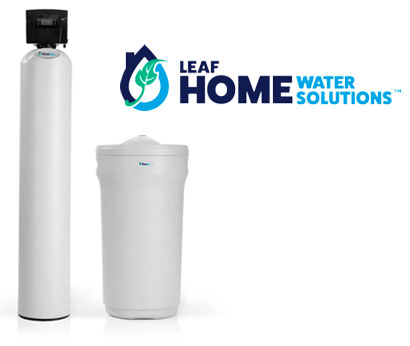
Look for companies that service all major brands—not just the ones they sell. That tells you they have the technical expertise to handle whatever comes up. It also means if you ever have an issue, they can fix it instead of telling you to call someone else. We service all major brands including Culligan, Kinetico, and Leaf, so you’re never left without support.
Making the Right Home Filtration Decision for Your Marion County, FL Home
Home filtration systems that actually work start with understanding your specific water quality issues. Testing identifies what you’re dealing with. Proper system selection addresses those contaminants. Professional installation ensures performance. Ongoing maintenance keeps it working year after year.
In Marion County, FL, where sulfur odors, hard water, and chlorine taste are common challenges, whole house systems offer the most comprehensive solution. They protect your entire home—not just your drinking water—from contaminants and mineral buildup that damage plumbing and appliances.
The investment pays off in cleaner water, longer appliance life, and peace of mind about what your family is drinking and bathing in. When you work with experienced professionals who understand local water conditions and stand behind their installations, you’re not just buying equipment. You’re solving a problem that affects your daily life and your home’s long-term health.
If you’re ready to address your water quality concerns with a system that actually delivers results, we bring 50+ years of experience, A-rated BBB standing with zero complaints, and WQA certified professionals to every installation in Marion County and throughout North and Central Florida.