Summary:
You’ve probably noticed it before — you turn on the hot water in the morning and the bathroom fills with that unmistakable rotten egg smell. Maybe it’s been there for years and you’ve learned to live with it. Maybe it got bad enough this summer that you finally decided to look into it. Either way, you’re not dealing with a mystery. The sulfur smell in your well water has a cause — actually, it has two possible causes — and understanding which one you’re dealing with changes everything about how you fix it. Let’s walk through what’s actually happening.
Why Well Water Smells Like Sulfur in Lake County
The rotten egg smell comes from hydrogen sulfide gas — H₂S — a naturally occurring compound that forms in groundwater when certain bacteria break down sulfur-containing minerals. In Florida, this is especially common because virtually all private well water comes from the Floridan Aquifer System, a vast limestone and carbonate rock formation that runs beneath the entire state. As rainwater filters through the ground, it picks up sulfur deposits from decaying organic matter and rock, and sulfate-reducing bacteria convert those sulfates into hydrogen sulfide gas.
Lake County sits directly above this aquifer. With over 1,400 freshwater lakes — more than any other county in Florida — the county’s geology is essentially a limestone sponge, and the same karst formation that creates all those lakes also creates the conditions for H₂S in private wells. If you’re on well water in Leesburg, Clermont, Eustis, Mount Dora, or anywhere else in Lake County, FL, sulfur in your groundwater isn’t unusual. It’s the norm.
Why the Sulfur Smell Gets Worse Every Summer
Here’s the part most homeowners have never had explained to them: the problem doesn’t get worse every summer because your well is deteriorating. It gets worse because of temperature.
Sulfate-reducing bacteria thrive in warm, low-oxygen environments. Florida’s groundwater is already warmer than most states year-round, but in summer, temperatures rise further — and bacterial activity accelerates with them. More bacterial activity means more hydrogen sulfide gas being produced in the water before it ever reaches your tap. That’s why the smell that was tolerable in January becomes genuinely unbearable by July.
There’s a second layer to it, too. Your water heater runs hotter in summer, and hot water releases dissolved gases more readily than cold water. So even if the H₂S concentration in your well hasn’t changed much, the steam from a hot shower in August carries that smell far more aggressively than a lukewarm shower in February. You’re experiencing the same contaminant — just under conditions that amplify it.
This seasonal pattern is one of the clearest signs that you’re dealing with groundwater hydrogen sulfide, not an isolated water heater issue. Homeowners who only notice the smell in summer often assume the problem is minor or cyclical — something to wait out. It isn’t. The H₂S is present year-round. Summer just makes it impossible to ignore.
The practical consequence of waiting is worth understanding. Hydrogen sulfide is corrosive. It causes black staining on silverware and plumbing fixtures, and over time it corrodes the metal components in your pipes, appliances, and water distribution system. What starts as an aesthetic nuisance — an unpleasant smell in the shower — quietly becomes a structural problem in your home’s plumbing infrastructure. The longer it goes unaddressed, the more expensive the downstream damage becomes.
Hot Water Smells Like Sulfur but Cold Water Doesn't — What That Means
This is one of the most common and confusing patterns homeowners describe, and it leads to a lot of misdiagnosis. If your hot water smells like sulfur but your cold water seems fine, most people’s first instinct is to blame the water heater. And they’re not entirely wrong — but they’re usually not entirely right either.
Here’s what happens: water heaters contain a component called an anode rod, typically made of magnesium. Its job is to protect the tank from corrosion by sacrificing itself to rust instead of the tank walls. The problem is that when water contains sulfates — which Lake County, FL well water almost always does — those sulfates react with the magnesium anode rod and produce hydrogen sulfide gas. This reaction happens inside the tank, which is why the smell appears only in the hot water.
The common DIY fix is to replace the magnesium anode rod with an aluminum one, which doesn’t produce the same reaction. This can reduce or eliminate the hot-water-specific odor. But here’s the critical distinction: if your groundwater itself contains hydrogen sulfide — which is the case for most Lake County well owners — replacing the anode rod only solves part of the problem. The H₂S in your groundwater will continue to affect your cold water, your laundry, your ice maker, and every other point of use in the house. It’ll also continue to corrode your pipes and fixtures regardless of what’s happening in the water heater.
This is why so many homeowners replace their anode rod, feel like it helped, and then find the problem creeping back — or realize it never fully went away in the cold water to begin with. A real diagnosis requires testing the water itself, not just the appliance. Understanding which cause — or combination of causes — is driving the problem in your specific home is the only way to know what kind of treatment will actually fix it permanently.

How to Permanently Fix Sulfur Smell in Well Water
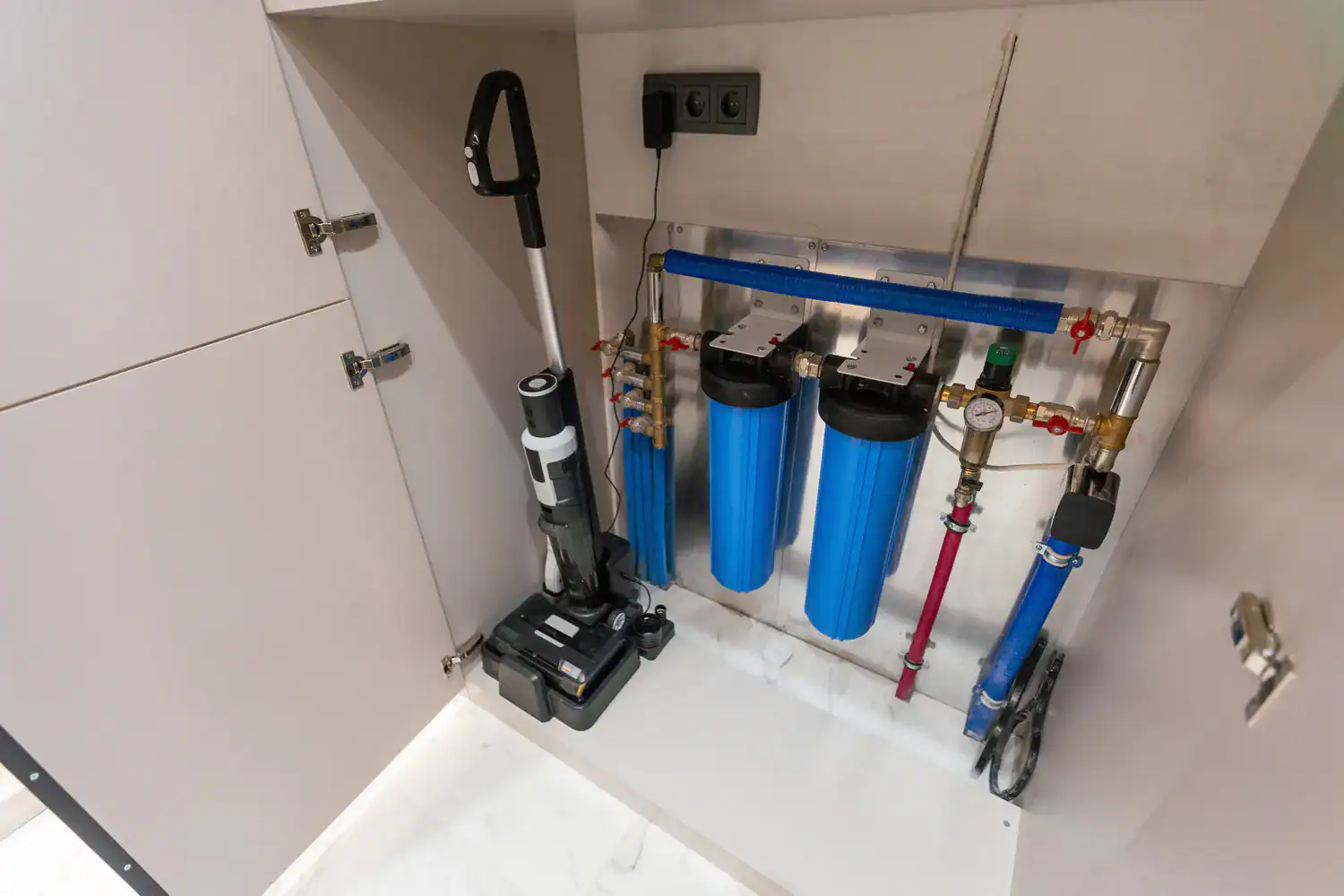
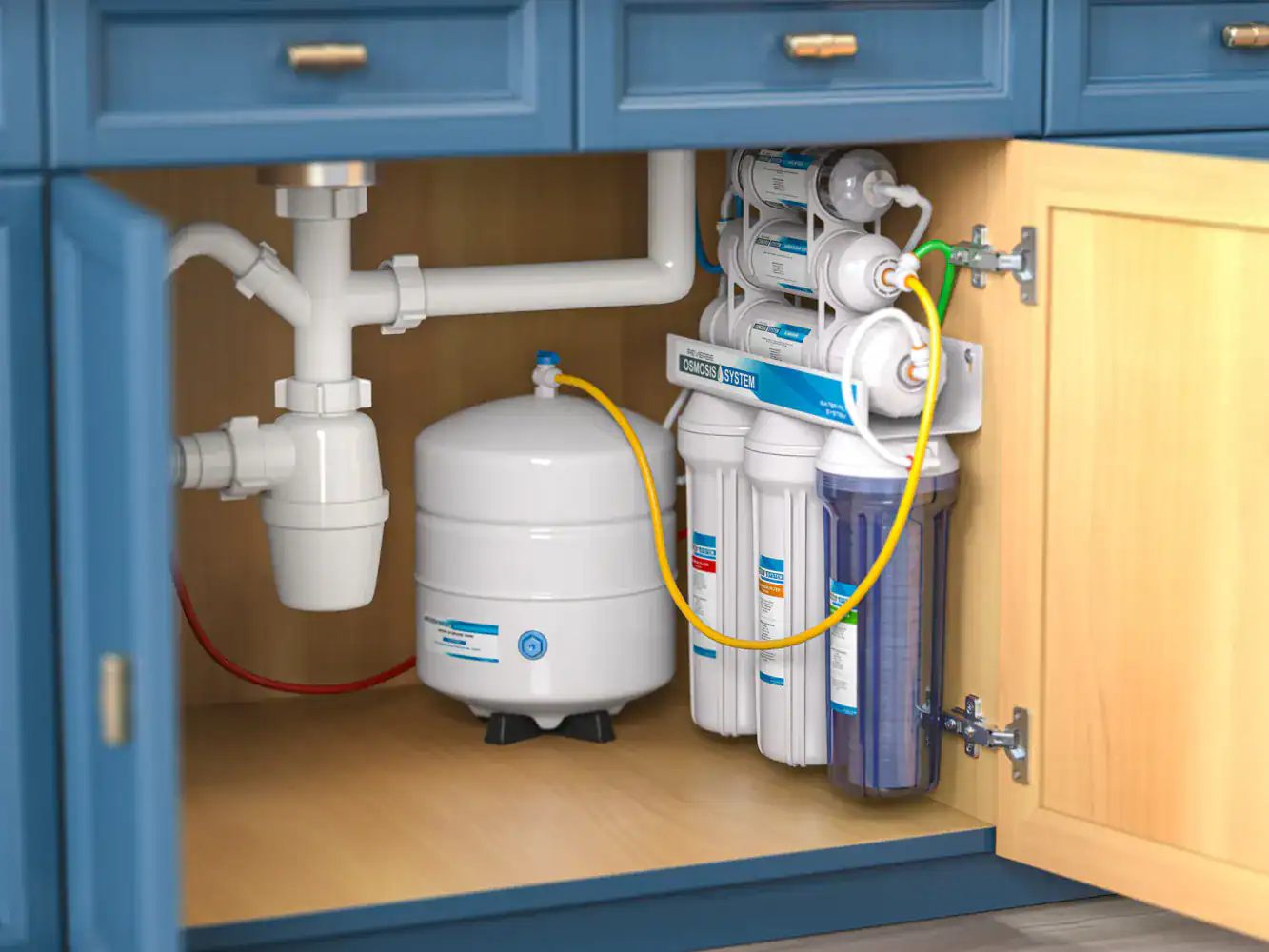
The short answer is that a whole-house water treatment system designed specifically for hydrogen sulfide is the only permanent solution for groundwater H₂S. Point-of-use filters — pitcher filters, under-sink units — don’t address the sulfur in your shower water, your laundry, or the corrosion happening throughout your home’s plumbing. They treat a single tap. A whole-house system treats the water at the source, before it reaches any fixture.
The right type of system depends on what’s actually in your water and at what concentrations. That’s not a guess — it requires a real water analysis. Not a test strip. A professional analysis that identifies exactly what contaminants are present and at what levels, so the system recommendation is based on your water, not a generic Florida average.
What Type of Water Treatment Actually Removes Sulfur Smell?
The most effective whole-house approach for hydrogen sulfide in well water is an oxidation-based system. The most common chemical-free method is Air Injection Oxidation — often called an AIO system — which works by injecting a pocket of air into the treatment tank. As water passes through that air pocket, the dissolved hydrogen sulfide gas oxidizes and converts into a solid form that can be filtered out before the water reaches your home. A properly sized AIO system can eliminate approximately 99.9% of heavy sulfur from well water, along with the black staining and corrosive effects that come with it.
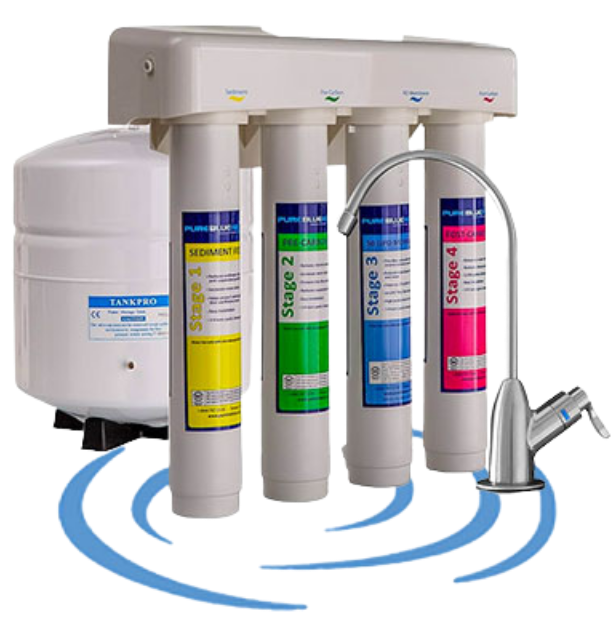
For homes with very high H₂S levels or companion contamination issues — iron and sulfur bacteria often occur together in Florida wells, and hard water from the limestone aquifer is nearly universal in Lake County — a more comprehensive treatment approach may be needed. That might mean combining an AIO or oxidizing filter with a water softening system, a whole house filtration system, or in some cases a reverse osmosis system for drinking water at the tap. The specific combination depends on your water test results.
What doesn’t work as a permanent fix: shock chlorination of the well. It kills sulfur bacteria temporarily, but bacteria from the aquifer recolonize within weeks to months. It’s a short-term intervention, not a solution. Similarly, a basic carbon filter can reduce some odor but isn’t designed to handle the concentrations of H₂S found in Florida well water — and it does nothing for the corrosive effects on your pipes and appliances.
The goal of a real treatment system isn’t just to make the water smell better in the shower. It’s to stop the ongoing corrosion, protect your appliances and plumbing, and give you water that’s clean throughout the entire house — not just at one filtered tap.
Rotten Egg Smell in Hot Water: FAQs Lake County Well Owners Ask
**Is the sulfur smell in my well water dangerous to drink?**
At the concentrations typically found in residential well water in Lake County, FL, hydrogen sulfide is classified by the EPA as a nuisance contaminant — meaning it’s aesthetically unpleasant but not considered a primary health risk at normal levels. Sulfate above 250 parts per million can cause laxative effects, and very high H₂S concentrations have other health implications, but for most Lake County homeowners the more immediate concern is what the gas is doing to your pipes and appliances over time. The corrosion is real and cumulative. Getting your water tested tells you exactly what you’re dealing with.
**Why does my well water smell like rotten eggs only in the hot water?**
This usually points to one of two things: the anode rod reaction inside your water heater, or the fact that hot water releases dissolved gases more readily than cold water. If your cold water is completely odor-free, the anode rod is the more likely culprit and swapping it for an aluminum rod may help. If there’s any sulfur smell in the cold water at all — even faint — the groundwater itself contains H₂S and the water heater is just making it more noticeable. A water analysis will tell you which situation you’re in.
**Can I fix this myself, or do I need a professional?**
The anode rod swap is a legitimate DIY fix if the problem is isolated to the water heater. But if your groundwater contains hydrogen sulfide — which is very common throughout Lake County, FL given the Floridan Aquifer’s sulfur content — a whole-house treatment system is the only permanent answer, and sizing and installing it correctly requires a real water test and professional installation. An undersized or incorrectly specified system won’t solve the problem.
**Does the sulfur smell mean my well is contaminated or failing?**
Not necessarily. H₂S in Lake County well water is largely a geological reality — a product of the limestone aquifer and the bacteria that naturally inhabit it — not a sign that something has gone wrong with your well. It’s worth having your water tested comprehensively to rule out other issues, but sulfur smell alone doesn’t indicate a failing well system.
**We’ve been in our home for years and the smell is getting worse — is that normal?**
It can be. Bacterial populations in wells and water heaters can grow over time, and aging plumbing infrastructure can make the problem more pronounced. Summer heat accelerates it every year. The smell getting worse isn’t a reason to panic, but it is a reason to stop waiting and get the water tested — because the corrosion that comes with H₂S is doing quiet damage in the background whether you can smell it or not.

What to Do If Your Lake County Well Water Smells Like Sulfur
The sulfur smell in your well water is solvable. It’s not something you have to tolerate because you’re on a well, and it’s not a problem that fixes itself when summer ends. What it is, is a signal — that hydrogen sulfide is present in your water, that it’s actively corroding your home’s plumbing and fixtures, and that a permanent fix is available if you know what you’re actually treating.
The right starting point is a real water analysis. Not a test strip, not a guess based on the smell alone — an actual test that tells you what’s in your water and at what levels, so any system recommendation is based on your home’s specific situation.
We’ve been doing this work across Lake County and Central Florida for over 50 years, and we’re still based right here in Leesburg. If you’re ready to stop guessing and find out what’s actually in your water, reach out to Quality Safe Water of Florida LLC and schedule your free in-home water analysis.