Summary:
You’re looking into reverse osmosis systems because you want cleaner water for your family. But then you start reading. One article says RO water is dangerous. Another says it’s the safest option available. Someone mentions mineral depletion. Someone else talks about acidic pH. And now you’re more confused than when you started.
Here’s what actually matters: the science, not the scare tactics. This guide addresses the most common concerns about RO water safety with facts you can verify. You’ll understand what reverse osmosis actually does to your water, what the health implications really are, and whether it makes sense for your Marion County home.
Is Reverse Osmosis Water Safe to Drink?
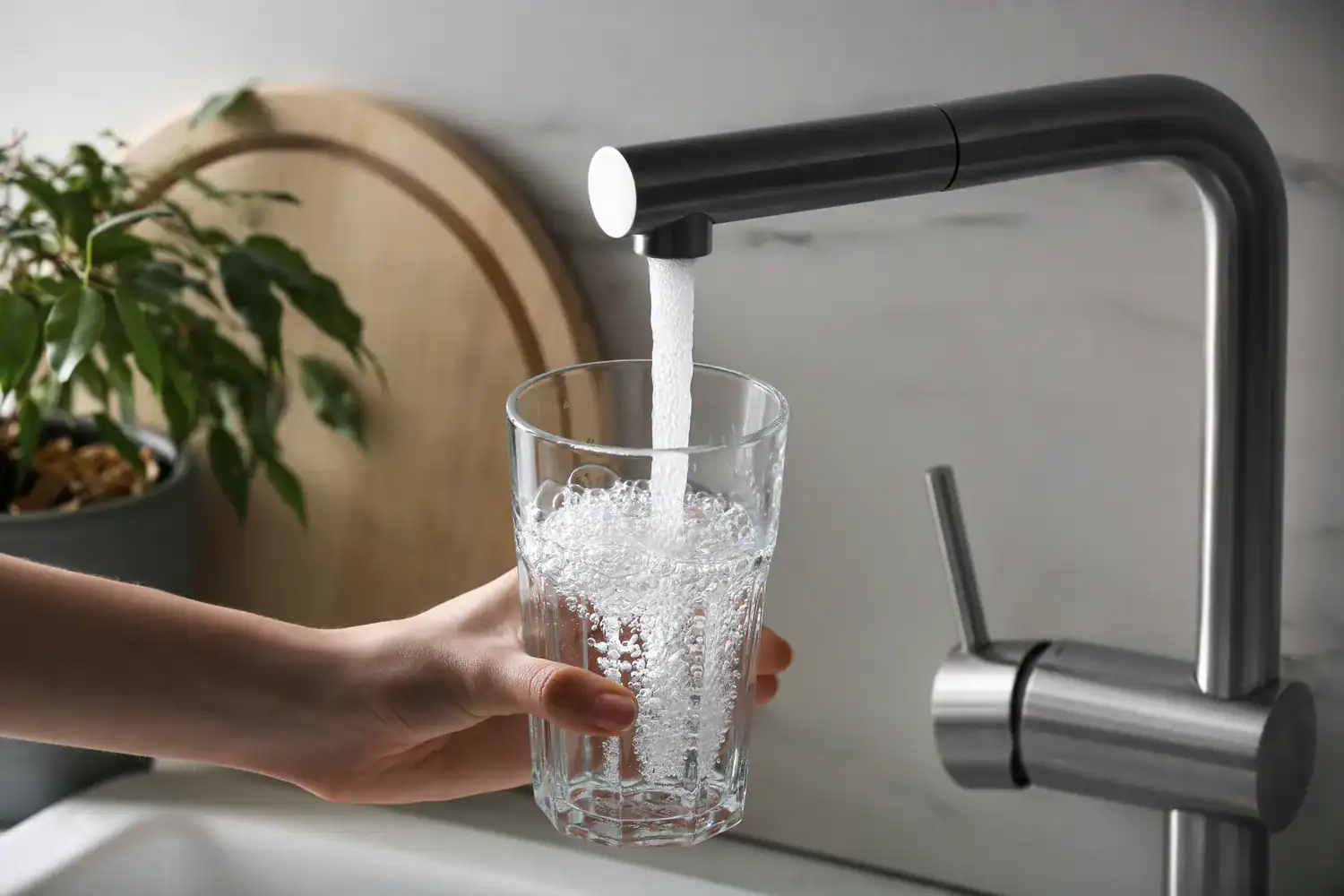
Yes. For most healthy people, reverse osmosis water is safe to drink daily. That’s the short answer backed by the EPA, medical professionals, and current scientific research.
RO systems remove up to 99% of contaminants from your water. That includes lead, arsenic, fluoride, chlorine, bacteria, viruses, heavy metals, and emerging contaminants like PFAS. The process forces water through a semi-permeable membrane that blocks these impurities while allowing clean water molecules to pass through.
The EPA considers water with a pH between 6.5 and 8.5 safe for consumption. Reverse osmosis water typically has a pH of 6.0 to 6.5, which falls within or just below this range. For context, coffee has a pH around 5, orange juice around 3.5, and soda around 2.5. RO water is far less acidic than beverages you probably drink every day.
What Contaminants Does a Reverse Osmosis Water Purifier Remove?
Understanding what RO removes helps explain why it’s considered one of the most effective water treatment methods available. The semi-permeable membrane in a reverse osmosis water purifier has pores about 0.0001 microns in size. For reference, that’s small enough to block a single atom.
This means RO systems effectively remove dissolved solids like sodium, calcium, magnesium, lead, arsenic, fluoride, nitrates, sulfates, and phosphates. They also block larger contaminants including bacteria (typically 0.2-2 microns), viruses (0.02-0.3 microns), and parasites like Giardia and Cryptosporidium.
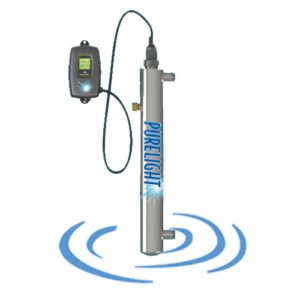
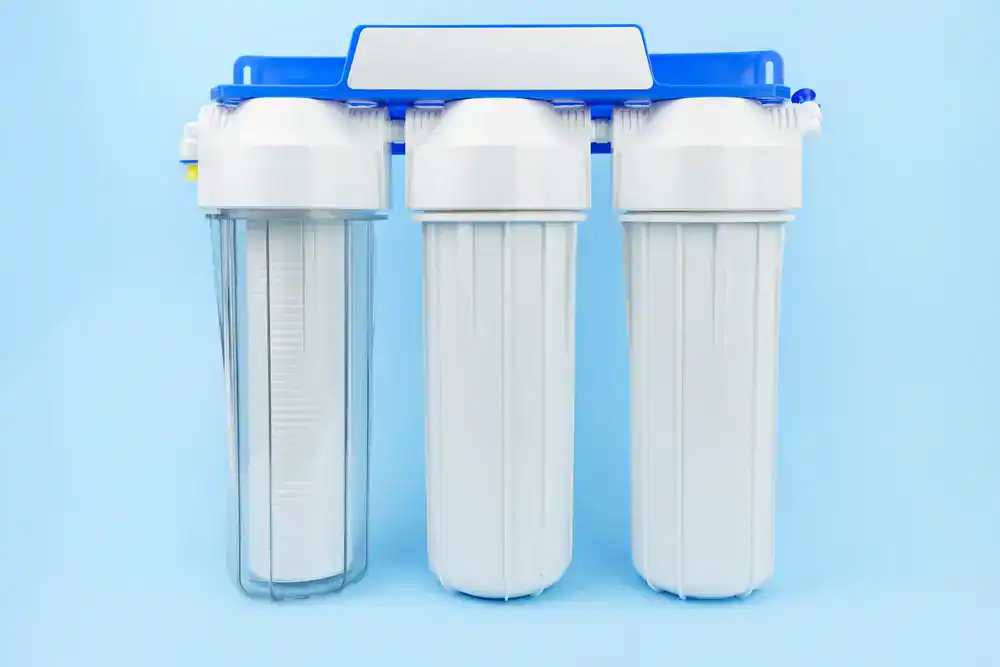
Many modern RO water purifier systems include multiple filtration stages. Pre-filters remove sediment and chlorine to protect the membrane. Carbon filters address taste, odor, and organic compounds. Post-filters polish the water before it reaches your faucet. Some systems add specialty stages for specific concerns like PFAS removal or UV disinfection for well water.
For Marion County residents, this matters because local water sources face multiple challenges. The area is experiencing severe drought conditions, which can concentrate contaminants. Blue-green algae blooms have been reported in local lakes. Many homes rely on private wells or limited-use public water systems. RO provides a comprehensive solution regardless of your water source.
The removal rate varies by contaminant, but quality systems typically achieve 92-99% reduction for most dissolved solids and near-complete removal of bacteria and viruses. This level of filtration explains why RO is used in hospitals, laboratories, and food production facilities where water purity is critical.
Does RO Water Remove Beneficial Minerals?
Yes, reverse osmosis removes minerals from water. This is where most of the confusion starts. RO doesn’t discriminate between “good” and “bad” dissolved solids. It removes calcium, magnesium, and potassium along with lead, arsenic, and other contaminants.
Here’s what that actually means for your health: not much, for most people. Your body gets the vast majority of essential minerals from food, not water. A balanced diet provides hundreds of times more calcium, magnesium, and other minerals than drinking water ever could.
Dr. Jacqueline Gerhart of UW Health Family Medicine explains that removing these elements from drinking water doesn’t pose much of a problem, since a well-rounded diet provides these minerals as well. Only people who don’t eat a diet rich in vitamins and minerals are at any real risk of deficiency.
Think about it practically. A glass of milk provides about 300mg of calcium. An 8-ounce glass of hard water might contain 20-30mg. You’d need to drink 10-15 glasses of water to equal one glass of milk. The same pattern holds for magnesium, potassium, and other minerals. Your food is doing the heavy lifting, not your water.
That said, some people prefer water with minerals for taste or peace of mind. Many modern reverse osmosis systems address this with remineralization filters. These add back select minerals like calcium and magnesium after the purification process, improving taste and raising pH slightly. Systems from manufacturers like Pelican and Aquasana include 6-stage or 7-stage filtration with built-in remineralization.
For Marion County homeowners, this is worth considering. If your tap water currently has a high mineral content and you’re used to that taste, straight RO water might seem “flat” at first. A system with remineralization gives you the best of both worlds: comprehensive contaminant removal with the mineral content and taste you prefer.
The bottom line is this: mineral removal from RO water is real, but it’s not a health crisis. It’s a taste and preference issue that modern systems can easily address.
Reverse Osmosis Water vs Tap Water: What's the Difference?
Tap water and reverse osmosis water start from the same source, but they end up in very different places. Understanding this difference helps you make an informed decision about what you’re drinking.
Municipal tap water goes through treatment at water plants. This typically includes coagulation, sedimentation, filtration, and disinfection with chlorine or chloramine. These processes remove many contaminants and make water safe according to EPA standards. But “safe according to standards” doesn’t mean “free of everything you might prefer to avoid.”
Reverse osmosis water goes through additional, more intensive filtration. The RO membrane removes contaminants that municipal treatment leaves behind. This includes dissolved metals from aging pipes, disinfection byproducts, pharmaceuticals, pesticides, and microplastics that increasingly show up in water supplies.
Why Marion County Homeowners Choose RO Over Tap Water
Marion County faces specific water challenges that make reverse osmosis systems particularly valuable. The area is currently under Phase II water shortage declarations due to severe drought conditions. When water levels drop, contaminants can become more concentrated.
The majority of Marion County residents don’t get water from large municipal systems. They rely on limited-use public water systems or private wells. If you have a private well, you’re responsible for your own water safety. There’s no municipal treatment protecting you from contamination. Annual testing is recommended, but that’s just a snapshot. It doesn’t tell you what’s in your water every other day of the year.
Even if you’re on a public system, Marion County has experienced issues like blue-green algae blooms in local lakes. These algae can produce toxins harmful to humans and pets. While public systems monitor for these issues, having an additional layer of protection at your tap provides peace of mind.
RO systems also address taste and odor issues common in the area. High mineral content, chlorine from treatment, sulfur smells, and iron staining are all concerns that reverse osmosis handles effectively. You’re not just getting safer water. You’re getting water that tastes better, smells better, and doesn’t leave stains on your fixtures or spots on your dishes.
The practical difference shows up in daily life. Coffee and tea taste cleaner. Ice cubes are crystal clear. Cooking doesn’t introduce off-flavors from tap water. Your family actually wants to drink more water because it tastes good. These aren’t small things when you’re trying to stay hydrated in Florida’s heat.
We provide comprehensive water testing before recommending a system. This shows you exactly what’s in your water and what you need to remove. No guesswork, no generic solutions. Just a system designed for your specific water challenges and your family’s needs.
Is RO Water Better Than Bottled Water?
Most bottled water companies use reverse osmosis in their purification process. You’re already drinking RO water if you buy bottles. You’re just paying significantly more for it and generating plastic waste in the process.
A home RO water purifier produces water that costs pennies per gallon. Bottled water costs anywhere from 50 cents to $2 per gallon or more. A family of four drinking the recommended eight glasses per day would spend roughly $1,500-$3,000 annually on bottled water. A quality RO system pays for itself within a year or two, then continues saving money for the next 10-15 years.
Beyond cost, there’s the convenience factor. You never run out. You don’t haul heavy cases from the store. You don’t worry about recalls or questions about how long bottles have been sitting in hot warehouses. You fill your glass from the tap and know exactly what you’re getting.
Environmental impact matters too. The average American uses 167 plastic water bottles per year but only recycles 38 of them. That’s 129 bottles per person ending up in landfills or oceans annually. A four-person household generates over 500 bottles of waste every year. An RO system eliminates that entirely.
Some people worry that RO water lacks the minerals found in certain premium bottled waters. But as we’ve discussed, those minerals aren’t making a significant health difference. If you want them, choose an RO system with remineralization. You’ll get the same mineral content as expensive bottled water at a fraction of the cost.
The quality control is actually better with a home system. You’re responsible for filter changes on a predictable schedule. With bottled water, you’re trusting that the company’s quality control is working, that the bottles haven’t been contaminated during transport, and that the water hasn’t been sitting too long. With your own RO water purifier, you control the variables.
For Marion County residents specifically, having your own system means you’re not dependent on store supply during emergencies. When hurricanes or other events cause bottled water shortages, you still have clean drinking water. That’s not a small consideration in Florida.
Making the Right Water Decision for Your Marion County Home
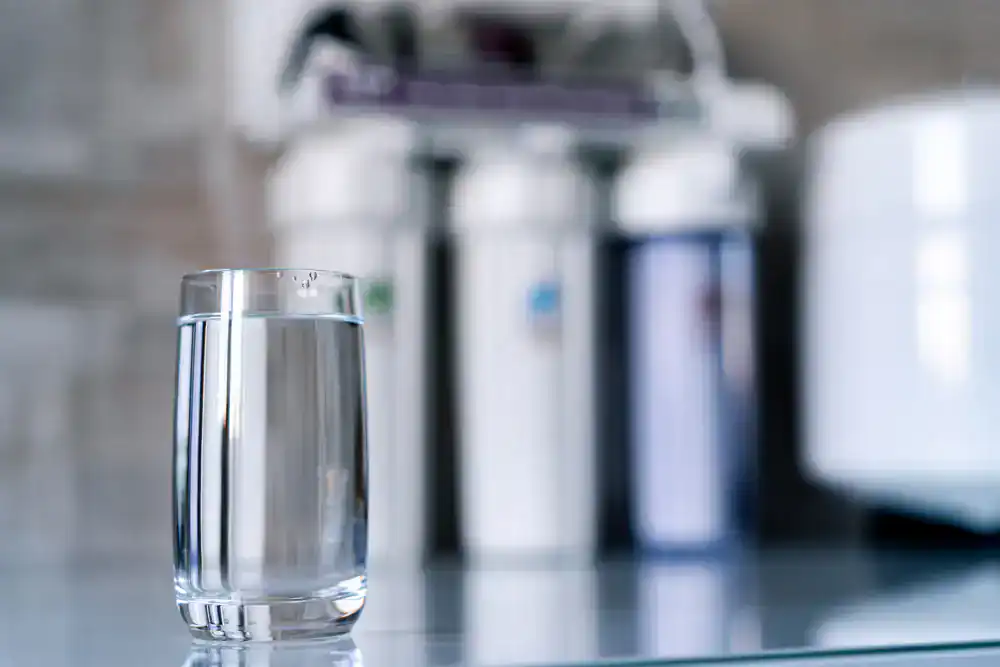
The science is clear: reverse osmosis water is safe for daily consumption by healthy individuals. The concerns you’ve read about mineral depletion and acidic pH are real in a technical sense, but they’re not health threats for people eating a balanced diet. Modern RO systems with remineralization address these concerns completely.
What matters more is what RO removes: contaminants that municipal treatment misses, dissolved metals from aging infrastructure, emerging pollutants like PFAS, and the specific challenges facing Marion County’s water supply. You’re not choosing between “safe” tap water and “unsafe” RO water. You’re choosing between adequate treatment and comprehensive treatment.
We’ve spent 50+ years helping North and Central Florida families solve their water problems. Our A-rated BBB status with zero complaints, WQA certification, and performance guarantees mean you’re working with professionals who stand behind their systems. We test your water, design a solution for your specific needs, and guarantee it will solve your water problems as promised. That’s the kind of certainty you deserve when making a decision this important for your family’s health.