Summary:
You turn on your tap expecting clean water. But between the treatment plant and your glass, a lot can happen. Aging pipes, environmental contaminants, and naturally occurring minerals all affect what comes out of your faucet. An ro filter addresses these concerns through a proven purification process that’s been refining water for decades. Here’s what actually happens inside these systems, how the technology removes specific contaminants, and what makes reverse osmosis different from basic filtration. Let’s start with the core process that makes it all work.
How Does a Reverse Osmosis Filter Work
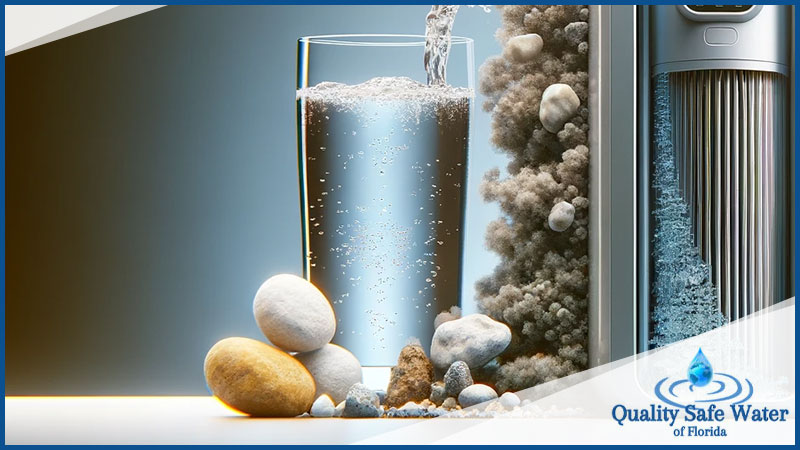
A reverse osmosis filter uses pressure to force water through a semi-permeable membrane that blocks contaminants while allowing clean water molecules to pass through. Think of it as an extremely fine screen that catches particles as small as 0.0001 microns – far smaller than what your eye can see.
Your household water pressure powers the entire process. No electricity required for the core filtration. Water enters the system and moves through multiple stages, each designed to handle specific types of contaminants before and after the main membrane does its work.
The membrane itself is the heart of any RO system. It’s engineered with microscopic pores that allow water molecules through but reject larger molecules like dissolved salts, heavy metals, and chemical compounds. As water passes through under pressure, it splits into two streams: purified water called permeate that goes to your faucet, and concentrated wastewater called brine that carries rejected contaminants down the drain.
What a Reverse Osmosis Filter Removes From Water
The list of what RO technology removes is extensive. These systems can eliminate 95-99% of total dissolved solids including lead, arsenic, fluoride, nitrates, chromium, and mercury. They also reduce chlorine, pesticides, pharmaceuticals, and PFAS – those “forever chemicals” that have been making headlines.
Here in Marion County, FL, where many homes rely on well water or want extra protection beyond municipal treatment, RO filters address common Florida water concerns. Hard water minerals like calcium and magnesium get filtered out. Iron that causes rust staining goes too. Sulfur compounds that create that rotten egg smell? Gone.
The semi-permeable membrane catches bacteria and most viruses, though if you’re on well water with known microbial contamination, you’ll want UV sterilization added to your system for complete protection. The membrane blocks these organisms but isn’t designed as the primary defense against them.
What RO doesn’t remove effectively are volatile organic compounds and dissolved gases like hydrogen sulfide. That’s why quality systems include activated carbon filters before and after the membrane. The carbon handles what the membrane can’t, creating comprehensive protection.
One important note – RO removes beneficial minerals along with contaminants. Some people prefer adding a remineralization stage that puts calcium and magnesium back into the water for taste and health benefits. Others get their minerals from food and prefer the pure water as-is. Either approach works, it just depends on your preference.
The effectiveness comes down to proper system design and maintenance. A well-maintained RO membrane working with appropriate pre-filtration can reduce contaminants to levels far below EPA maximum contaminant levels. But that performance requires regular filter changes and starting with a system matched to your actual water quality.
The Multi-Stage Filtration Process Explained
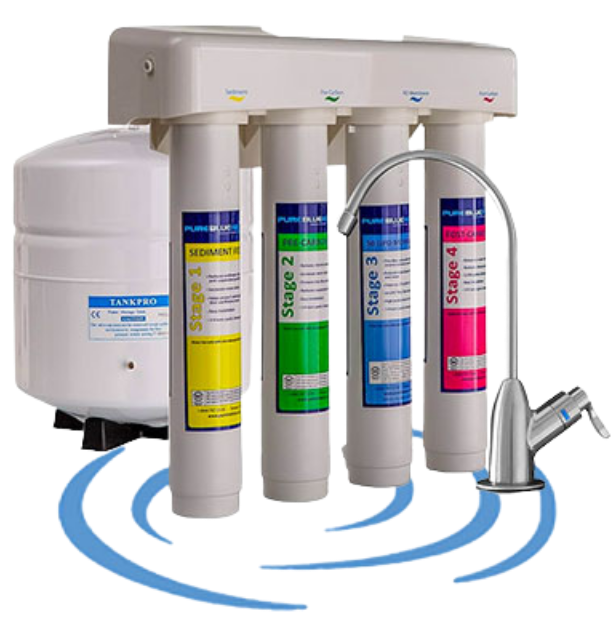
Most RO systems use between three and seven filtration stages. Each stage has a specific job, and understanding them helps you see why skipping maintenance on any one component affects your whole system’s performance.
Stage one typically uses a sediment filter that catches visible particles – dirt, sand, rust, and other debris that would clog or damage the delicate RO membrane downstream. Think of it as the first line of defense that handles the big stuff. This filter usually needs replacement every six to twelve months depending on your water quality.
Stage two employs an activated carbon filter that removes chlorine, chloramines, and organic chemicals. Chlorine is especially important to filter out before water hits the membrane because it degrades certain types of RO membranes. The carbon also improves taste and odor by grabbing onto the compounds that make water smell or taste off.
Stage three is where reverse osmosis actually happens. Water under pressure meets the semi-permeable membrane. Only water molecules and a few dissolved gases make it through those microscopic pores. Everything else – dissolved solids, heavy metals, most bacteria and viruses – gets rejected and flushed away. This membrane is the most expensive component and typically lasts two to five years with proper care.
Many systems add a fourth stage with another carbon filter after the membrane. This polishing filter removes any residual tastes or odors that might have been picked up while water sat in the storage tank. It’s the final quality check before water reaches your glass.
Higher-end systems might include additional stages. A remineralization filter adds beneficial minerals back. A UV light provides extra microbial protection. An alkaline filter raises pH. These extras address specific concerns or preferences, but the core four-stage process handles the fundamental purification work.
Between the membrane and your faucet sits a pressurized storage tank, usually holding three to five gallons. RO purification happens slowly – maybe two to three ounces per minute – so the tank ensures you have purified water ready when you need it. When you open the tap, pressure pushes water out of the tank quickly, refilling happens gradually in the background.
The system also includes an automatic shut-off valve that stops production when the tank fills. This prevents wasting water and protects the membrane from unnecessary wear. When you use water and tank pressure drops, the system starts producing again automatically.

Why Water Testing Matters Before Choosing an RO System
Not every home needs reverse osmosis. Some water problems respond better to different solutions. That’s why comprehensive water testing should happen before anyone recommends a system.
A proper test identifies exactly what contaminants exist in your water and at what levels. Are you dealing with hard water minerals? Bacterial contamination? Heavy metals? Nitrates? The answer determines whether RO makes sense or if a different approach works better for your situation and budget.
Testing also reveals whether you need pre-treatment before water even reaches an RO system. Extremely hard water can scale up and damage RO membranes quickly. High iron or manganese levels cause similar problems. In these cases, a water softener or iron filter installed before the RO system protects your investment and ensures the membrane performs as designed.
Reverse Osmosis Water Filter Maintenance Requirements
RO systems aren’t install-and-forget equipment. They need regular attention to keep working effectively. The good news is maintenance is straightforward if you stay on schedule.
Sediment and carbon pre-filters need replacement every six to twelve months. How often depends on your water quality – if you have high sediment or chlorine levels, you’ll be on the shorter end of that range. These filters are relatively inexpensive, usually $15-30 each, and most homeowners can swap them out following the manufacturer’s instructions.
The RO membrane itself lasts longer, typically two to five years. Water quality and usage affect lifespan. Hard water, high TDS, or heavy use means more frequent replacement. The membrane is the priciest component at $75-150, but amortized over several years, the cost is manageable.
Post-filters also need annual replacement. Again, these are simple cartridge swaps that take a few minutes once you know what you’re doing.
Beyond filter changes, you should sanitize the entire system annually. This involves flushing it with a sanitizing solution to prevent bacterial growth and remove any buildup. Many homeowners handle this themselves, though you can also hire a professional if you prefer.
Watch for signs that maintenance is overdue. Slowed water flow usually means clogged filters. Bad taste or odor suggests exhausted carbon filters or a failing membrane. Visible leaks need immediate attention to prevent water damage. Any of these issues means it’s time to inspect and likely replace components.
The total annual cost for maintaining an under-sink RO system typically runs $80-150. Whole-house systems cost more, around $400-700 yearly, because they process much more water and have larger, more numerous filters. Factor these ongoing expenses into your decision – they’re the price of continued performance.
Comparing RO Systems to Other Water Filtration Options
Reverse osmosis isn’t the only water treatment technology, and it’s not always the right one. Understanding how it compares to alternatives helps you make the best choice for your specific situation.
Carbon filters work great for chlorine, taste, odor, and many organic chemicals. They’re less expensive than RO and don’t waste water. But they don’t remove dissolved solids like salts, minerals, or many heavy metals. If your main concern is chlorine taste in otherwise good municipal water, a carbon filter might be all you need.
Water softeners address hard water by exchanging calcium and magnesium ions for sodium ions. They prevent scale buildup and make water feel softer, but they don’t remove contaminants like lead, arsenic, or bacteria. Many homes benefit from both a softener and an RO system – the softener protects plumbing and appliances throughout the house, while RO handles drinking water purification.
UV sterilizers kill bacteria and viruses using ultraviolet light. They’re essential for well water with microbial contamination but do nothing for chemicals, minerals, or taste issues. UV often pairs with RO on well water systems to cover both bases.
Distillation boils water and captures the steam, leaving contaminants behind. It’s effective but slow, energy-intensive, and removes beneficial minerals just like RO. Most people find RO more practical for home use.
The choice comes down to what’s actually in your water. Test first, then match the treatment to the problem. Sometimes that’s RO. Sometimes it’s a combination of technologies. Sometimes it’s something simpler. We believe in testing before recommending solutions, so you get what you actually need rather than what makes the most profit.
For Marion County, FL homeowners, the combination of hard water, potential well water issues, and desire for better-tasting drinking water often makes RO a smart choice – especially for kitchen use even if the whole house has different treatment. But that decision should follow testing, not precede it.
Making an Informed Decision About RO Filtration
Reverse osmosis technology works through a straightforward principle – pressure, membranes, and multiple filtration stages that remove what you don’t want while delivering what you do. The science is proven. The results are measurable. The difference in your water is noticeable.
What matters most is matching the system to your actual water quality, maintaining it properly, and working with professionals who test first and recommend second. Not every home needs the same solution. Not every water problem requires RO. But when you have contaminants that reverse osmosis effectively removes, few technologies deliver comparable results.
If you’re ready to find out what’s actually in your Marion County, FL water and whether an ro filter makes sense for your home, we offer comprehensive testing and honest recommendations backed by over 50 years of experience and an A-rated BBB standing with zero complaints.