Summary:
If you’ve been dealing with water that smells like rotten eggs, leaves orange stains on your fixtures, or just makes you nervous about what your family is drinking — you already know the problem is real. What you might not know is why it’s happening, and why picking a system off a comparison list isn’t the right starting point.
The best well water treatment system isn’t a brand name or a model number. It’s the one that’s matched to what your specific well is actually producing. That distinction matters more than anything else in this conversation, and it’s where we’ll start.
Rotten Egg Smell in Well Water: What's Actually Causing It
That sulfur smell isn’t just unpleasant — it’s a signal. Most of the time, it points to hydrogen sulfide gas, which forms naturally as water moves through the sulfur-rich limestone deposits that make up the Upper Floridan Aquifer beneath Lake County, FL. The smell is often strongest in the shower or when you run hot water, because heat releases the gas faster.
Here’s the part that trips people up: hydrogen sulfide and sulfur bacteria are two different problems that can look — or rather, smell — identical. One is a dissolved gas. The other is a living organism. They require different treatments, and using the wrong approach on the wrong problem is exactly how homeowners end up spending money on systems that don’t actually fix anything.
Sulfur Bacteria in Well Water: Why Filtration Alone Won't Fix It
Sulfur bacteria are common in Lake County well water, and they’re worth understanding separately because they behave differently than a dissolved gas. These bacteria live in groundwater, wells, and plumbing systems, and they produce a slime that can clog pipes, irrigation lines, and even the well itself over time. They also create conditions that help iron bacteria thrive — so when you have one, you often have both.
The critical thing to know is that sulfur bacteria can’t be filtered out the way you’d filter sediment or iron particles. They’re living organisms, which means the fix has to involve disinfection — not just filtration. UV disinfection and hydrogen peroxide injection are the two most effective approaches, and which one makes sense depends on what your water analysis actually shows.
This is where a lot of well owners get burned. They buy a whole-house filtration system, it removes the visible stuff, and the smell keeps coming back. That’s not a system failure — it’s a diagnosis failure. The wrong problem was identified, so the wrong solution was installed.
Temporary chlorine treatments are another common patch that homeowners try. They knock back the bacteria for a few weeks, the smell fades, and then it returns. That cycle can go on for years without a real resolution.
If your water smells like sulfur and you’ve already tried something that didn’t last, there’s a good chance bacteria were part of the problem — and they weren’t addressed. A proper water analysis will tell you exactly what’s present and at what levels, which is the only reliable foundation for choosing the right treatment.
High Iron in Well Water: What the Staining Is Actually Telling You
Iron is one of the most common well water problems in Lake County, FL, and it shows up in ways that are hard to ignore. The orange ring around the toilet bowl. The rust-colored streaks in the shower. The laundry that comes out looking dingy no matter what detergent you use. These aren’t cosmetic annoyances you can clean your way out of — they’re the result of iron that’s dissolved in your water and oxidizing on contact with air and surfaces.
What most homeowners don’t realize is that iron in well water comes in more than one form, and the form it’s in determines how it needs to be treated. Dissolved iron — called ferrous iron — is invisible in the water until it hits oxygen and turns into rust. Particulate iron, or ferric iron, is already oxidized and visible as reddish-brown particles. Then there’s bacterial iron, which is a different situation entirely: iron-eating bacteria that produce a rust-colored slime you’ll find coating the inside of your toilet tank and clogging fixture aerators.
Each of these responds to different treatment technologies. Air injection oxidation is effective for dissolved and particulate iron. Bacterial iron requires disinfection as part of the solution. If you’re dealing with both iron and sulfur — which is common in Lake County because the Floridan Aquifer delivers both — you need a system that addresses the full picture, not just one piece of it.
The appliance damage side of this is worth taking seriously too. High iron accelerates wear on water heaters, washing machines, and dishwashers. It breaks down the anode rod in your water heater faster, creates buildup inside washing machine drums, and corrodes plumbing fixtures over time. Hard water — which comes along with iron in most Lake County wells, thanks to the calcium and magnesium in the limestone — compounds all of that. Studies have found that hard water can shorten appliance lifespans by 25 to 40 percent. That’s not an abstract number when you’re replacing a water heater years earlier than you should have to.
Well Water Analysis: Why This Comes Before Any System Decision
Here’s the part that most comparison guides skip entirely: before you choose any system, you need to know what’s actually in your water. Not a guess based on the smell. Not a neighbor’s recommendation. A real, professional water analysis that identifies your specific contaminants and their levels.
This matters because the Floridan Aquifer doesn’t deliver the same water to every well in Lake County, FL. Your neighbor in Groveland might have high iron and minimal sulfur. Someone in Howey-in-the-Hills might have sulfur bacteria and hard water but no iron to speak of. Wells near the county’s many lakes and wetlands sometimes pick up tannins — dissolved organic matter that turns water yellow or brown — on top of everything else. A system sized and designed for one chemistry won’t perform correctly on a different one.
What Does a Professional Well Water Test Actually Include?
A professional water analysis is meaningfully different from a basic test strip you’d pick up at a hardware store. Test strips can give you a rough sense of pH and hardness, but they won’t tell you whether you have bacterial iron, what your hydrogen sulfide concentration is, whether coliform bacteria are present, or how high your manganese levels are running. For well water in Lake County, FL, those details matter.
A proper in-home analysis tests for the specific contaminants that are common to the Floridan Aquifer — iron, hardness, hydrogen sulfide, sulfur bacteria, pH, and others depending on the property’s location and well history. The results tell you not just what’s present, but at what levels, which is what makes it possible to size a system correctly and choose the right treatment technology.
Florida health authorities recommend testing well water annually for bacteria and nitrates, with additional testing after any flooding event. Lake County sits in the middle of Florida’s hurricane corridor, and heavy rainfall can introduce surface contaminants into wells — particularly older wells that may not have been sealed or maintained to current standards. Many properties in rural parts of the county, including areas around Leesburg, FL, Eustis, FL, and Astatula, FL, have wells that have never been professionally tested. If you’ve lived with your water for years and assumed it was fine because it looked clear, that assumption is worth revisiting. Bacterial contamination is invisible and odorless — clear water isn’t the same as clean water.
We offer a free in-home water analysis — not a test strip, a real analysis — before we recommend anything. The results drive the recommendation. That’s the only way to design a system that actually solves the problem rather than treating a symptom.
How to Choose a Well Water Treatment System That's Right for Lake County
Once you have your water analysis results, the system selection process becomes much more straightforward. The question shifts from “which system is best?” to “which system is best for this specific water chemistry, this household size, and this well?” That’s a question with a real answer — not a matter of brand preference or marketing.
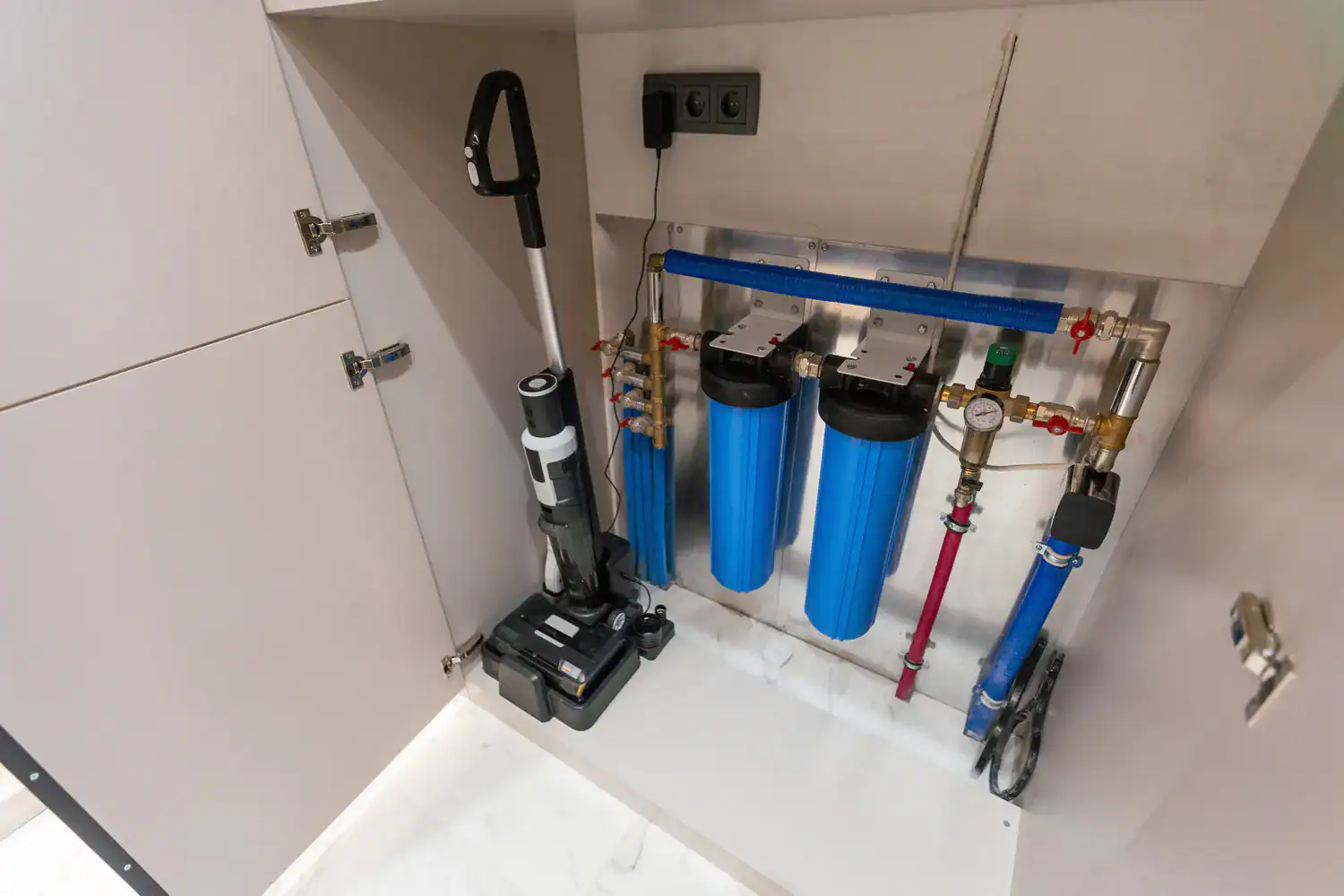
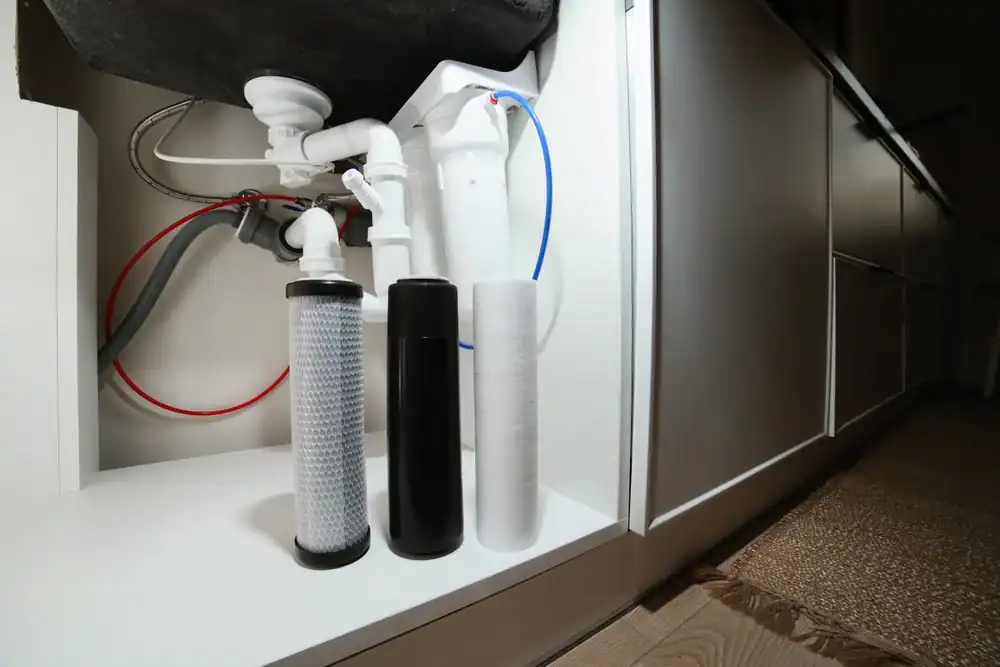
For Lake County, FL well owners dealing with the typical Floridan Aquifer combination of iron, sulfur, and hardness, whole-house point-of-entry treatment is almost always the right approach. A point-of-use filter under the kitchen sink only treats the water at that one faucet. It doesn’t protect your water heater, your washing machine, your shower, or your outdoor fixtures. Whole-house treatment integrates into the main water line so every tap in the home gets treated water from the moment the system is installed.
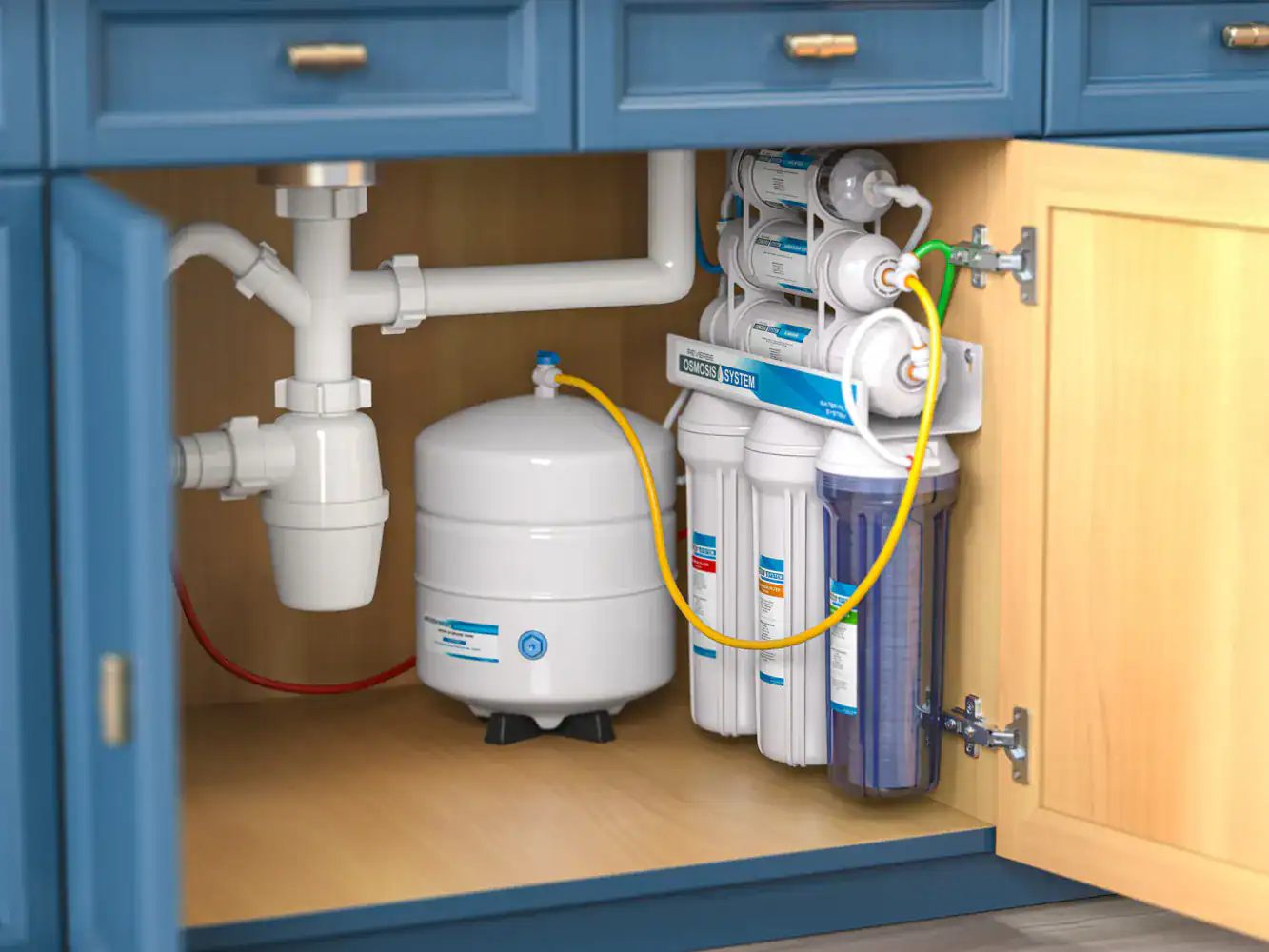
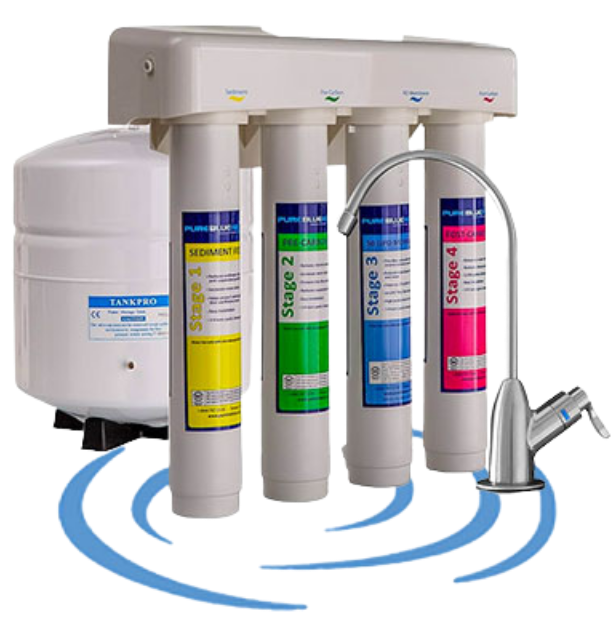
The specific technologies depend on what’s in your water. Air injection oxidation handles dissolved and particulate iron effectively. Hydrogen peroxide injection addresses sulfur bacteria and hydrogen sulfide simultaneously. UV disinfection — our Purelight System kills 99.99% of waterborne organisms without adding any chemicals to your water — is the right tool when bacteria are confirmed present. Water softeners address hardness. Salt-free treatment systems are available for homeowners who want to avoid salt and don’t want a system that uses electricity or produces wastewater. Reverse osmosis handles drinking water at the point of use when a higher level of purity is the goal.
The reason so many homeowners end up with systems that don’t fully work isn’t that water treatment doesn’t work — it’s that the system wasn’t matched to the water. That’s a solvable problem. It just requires starting with the analysis rather than skipping it.
One more thing worth saying plainly: the company you buy from matters as much as the system you buy. A well-designed system that’s never serviced after installation will eventually fail. We’ve seen it happen with systems installed by national companies that sold the equipment and moved on. We service what we sell, and we service all brands — Culligan, Kinetico, Leaf, and others — because we’re here after the sale, not just before it. That’s not a small thing in an industry where post-installation follow-through is genuinely inconsistent.
We’re based in Leesburg, FL, which means Lake County is our home market — not a service area we drive through on the way somewhere else. We’re open seven days a week, including weekends, because water problems don’t wait for Monday morning.
What to Do Before Buying Any Well Water Treatment System
If there’s one thing to take away from this, it’s that the system comes second. The water analysis comes first. Everything else — the technology, the sizing, the configuration — follows from what the analysis actually shows. Skipping that step is how homeowners end up cycling through systems that don’t solve the problem.
Lake County, FL well water has a specific chemistry shaped by the Floridan Aquifer’s limestone geology. Iron, hydrogen sulfide, sulfur bacteria, and hardness are common, and they often show up together. A system designed for one of those problems won’t automatically handle the others.
If you’re ready to find out what’s actually in your water — and what it would take to fix it — Quality Safe Water of Florida LLC offers a free in-home water analysis with no obligation. It’s the right starting point, and it costs you nothing to get the real picture.