Summary:
You’ve noticed the taste. Maybe the spots on your dishes. Or you’re just tired of wondering what’s actually in the water your family drinks every day.
So you start looking at filters. And suddenly you’re staring at two very different options: an under sink water filtration system that treats one faucet, or a whole house setup that handles everything.
Both promise cleaner water. Both have their fans. But only one is going to match what your home actually needs—and what Marion County, FL water actually throws at you. Here’s what you need to know before you decide.
How Under Sink Water Filtration Systems Actually Work
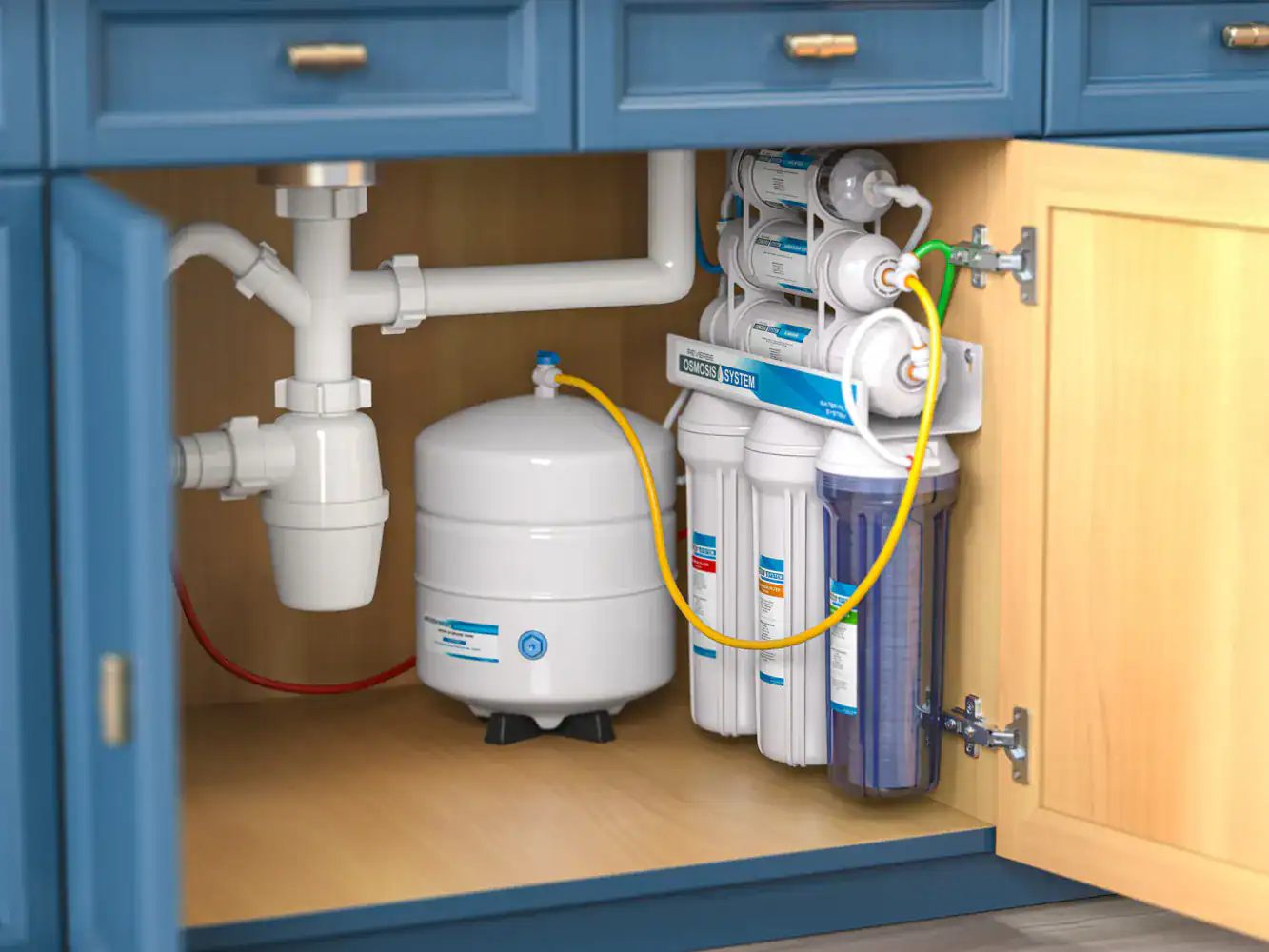
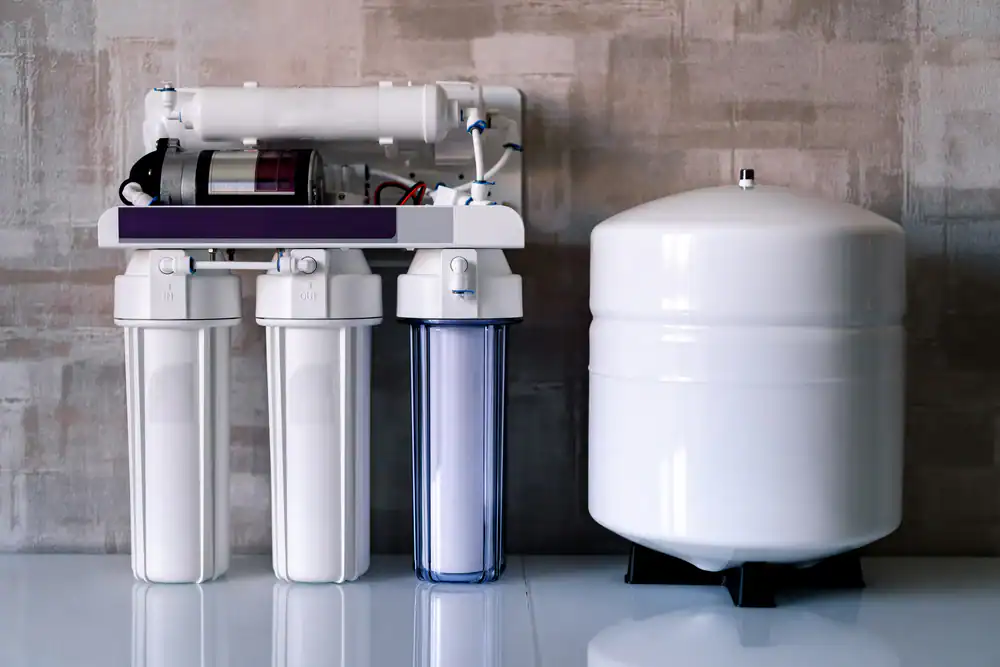
An under sink water filtration system installs beneath your kitchen sink and connects directly to your cold water line. Water flows through one or more filter cartridges before reaching a dedicated faucet on your countertop.
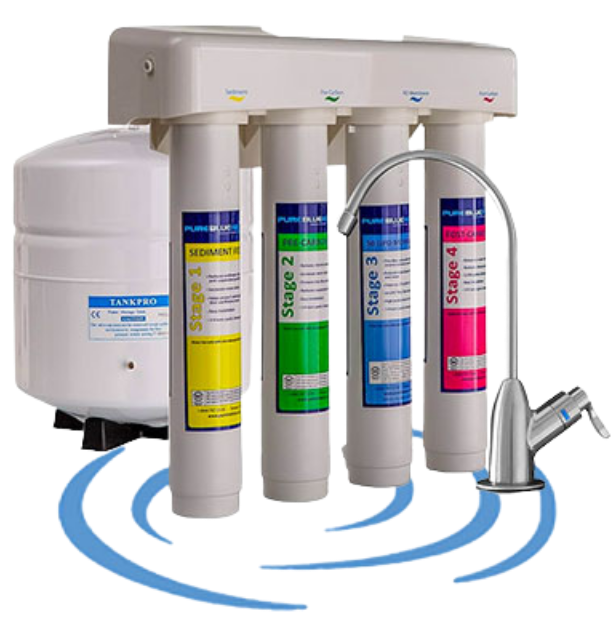
Most systems use activated carbon filters to remove chlorine, improve taste, and reduce odors. Some add additional stages—sediment pre-filters, ion exchange media, or reverse osmosis membranes—to tackle specific contaminants like lead, fluoride, or nitrates.
The appeal is obvious. You get cleaner drinking and cooking water without touching the rest of your plumbing. Installation is straightforward. Upfront costs run lower than whole-house options. And if you rent or live in a condo, it’s one of the few filtration upgrades you can actually make.
What a Water Filtration System for Sink Applications Removes (and What It Doesn't)
Here’s where things get specific. Not all under sink water filtration systems are created equal, and understanding what yours can actually filter matters more than the marketing promises.
Basic carbon filters handle chlorine, volatile organic compounds, and the stuff that makes water taste like a swimming pool. They’re solid for municipal water that’s already treated but still tastes off. If that’s your main complaint, a simple two-stage carbon system might be all you need.
Reverse osmosis systems go further. They force water through a semi-permeable membrane that blocks dissolved solids, heavy metals, fluoride, arsenic, nitrates, and even some pharmaceuticals. These are the systems that can handle serious contamination concerns. But they waste water in the process—sometimes two to four gallons of wastewater for every gallon filtered, though newer models have improved that ratio.
What under sink systems don’t do is protect the water going to your shower, washing machine, dishwasher, or any other tap in your home. If you have hard water, that mineral buildup is still coating your pipes and shortening your water heater’s lifespan. If you have iron or manganese in your well water—common in Marion County, FL—you’re still getting rust stains in the bathroom. And if chlorine is drying out your skin in the shower, that’s not changing either.
The other limitation is flow rate. Because water moves slowly through these filters to ensure thorough treatment, you’re not getting the same pressure you’d get from an unfiltered tap. It’s fine for filling a glass or a pot, but it’s not designed for high-volume use.
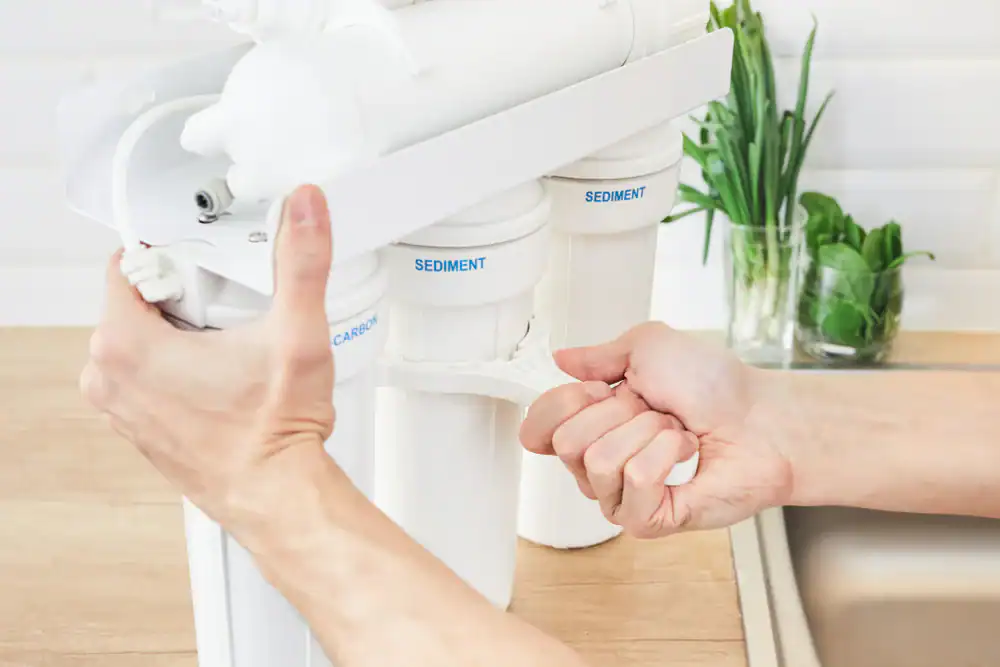
And then there’s maintenance. Filters need replacing every six to twelve months depending on your water quality and usage. Forget to change them on schedule and you’re drinking through a clogged, ineffective filter that’s doing more harm than good. Replacement cartridges run anywhere from fifty to a few hundred dollars per year depending on your system.
The Real Cost of Under Sink Systems Over 5 Years
The sticker price on an under sink water filtration system looks reasonable. You can find basic models for a hundred bucks. Mid-range carbon systems run two to four hundred. A quality reverse osmosis setup might cost three hundred to nine hundred dollars for the unit itself.
Installation adds another layer. If you’re handy, you might tackle it yourself and save the labor cost. But most people hire a plumber, and that runs anywhere from one hundred twenty to three hundred dollars for a straightforward install. If your plumbing is older or the layout is tricky, expect that number to climb.
Now let’s talk about what happens after year one. Filter replacements aren’t optional—they’re the entire point of the system. A basic two-stage carbon filter setup needs new cartridges every six months, running about sixty dollars per set. That’s a hundred twenty a year. Reverse osmosis systems have multiple filters on different schedules. You’ll replace pre-filters and carbon filters annually, and the RO membrane every two to three years. All in, you’re looking at one fifty to three hundred dollars per year in ongoing costs.
Over five years, a system that cost five hundred dollars up front turns into a fifteen hundred to two thousand dollar investment once you factor in filters. And that’s assuming nothing breaks, no o-rings fail, and you never need a service call.
Compare that to the cost of bottled water—sure, you’ll save money. A family spending five hundred a year on bottled water will come out ahead with a filter. But if you’re comparing it to a household water filter system that’s also protecting your appliances and plumbing, the math starts to shift. Especially in Marion County, FL, where well water issues and hard water are common enough that a single-point solution might not be solving your actual problem.
The other hidden cost is what you’re not protecting. When your water heater fails early because of sediment buildup, that’s twelve hundred to two thousand dollars. When your dishwasher clogs with mineral deposits, that’s another few hundred. An under sink filter does nothing to prevent those expenses.

How Whole House Water Filters Protect Every Tap in Your Home
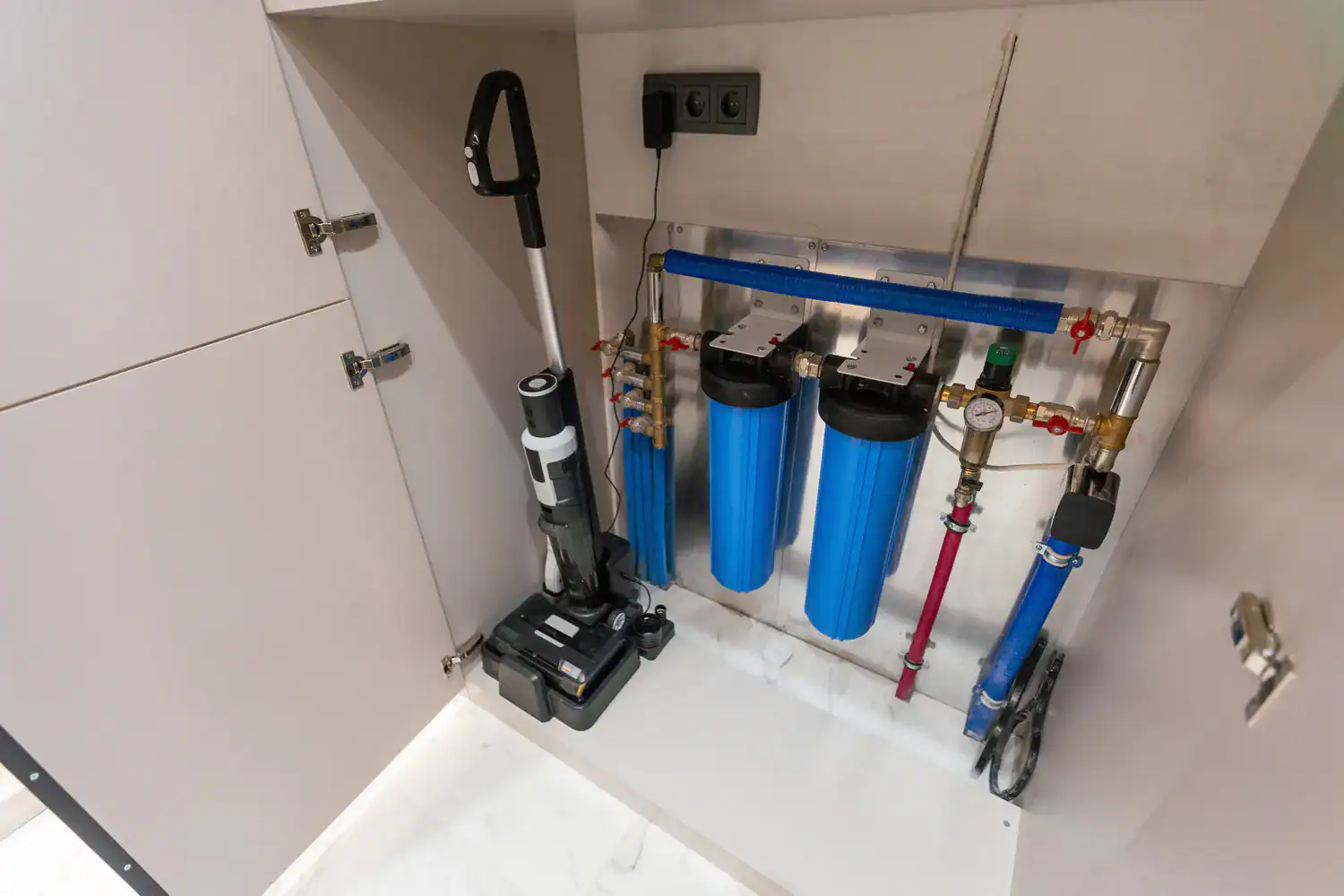
A household water filter system—often called a whole house filter—installs at the point where your main water line enters your home. That’s before the water heater, before it splits off to different fixtures, before it reaches a single faucet. Every drop of water in your house goes through the filtration system first.
Turn on the shower. Filtered. Fill the washing machine. Filtered. Run the dishwasher, water the lawn, flush a toilet. All filtered.
The system typically uses a large tank filled with filtration media—activated carbon, catalytic carbon, or specialized media designed for specific contaminants like iron, sulfur, or sediment. Water flows through the media at a rate that balances thorough treatment with maintaining pressure throughout your home. Most systems are sized to handle nine to twenty gallons per minute depending on your household size and plumbing setup.
What a Household Water Filter System Protects Beyond Drinking Water
This is where whole house systems pull ahead in ways that aren’t obvious until you think about everywhere water touches your life.
Start with your skin and hair. Chlorine in shower water doesn’t just evaporate—it’s absorbed through your skin and inhaled in the steam. If you’ve dealt with dry skin, itchy scalp, or brittle hair that no conditioner seems to fix, chlorinated shower water is often the culprit. A household water filter system removes chlorine before it reaches your showerhead, and people notice the difference within weeks.
Your clothes last longer too. Washing machines using filtered water don’t beat fabrics with harsh chemicals and minerals. Colors stay brighter. Whites stay whiter. Towels stay softer. It’s a small thing that adds up when you’re not replacing clothes and linens as often.
Then there’s the appliances. Water heaters are the big one. Sediment and mineral buildup inside a tank water heater creates a layer of insulation between the heating element and the water, forcing the system to work harder and wear out faster. Filtered water keeps that buildup from happening. Same goes for your dishwasher, washing machine, and any other appliance that uses water. Less buildup means fewer repairs and longer lifespan.
Your plumbing benefits too. Pipes don’t corrode as quickly. Fixtures don’t get coated in mineral deposits. Faucet aerators don’t clog. Showerheads maintain their pressure. These aren’t dramatic failures—they’re the slow, expensive deterioration that homeowners deal with over years.
In Marion County, FL, where well water often carries iron and manganese, a whole house system prevents the rust stains that ruin sinks, tubs, and toilets. If you’ve ever scrubbed orange streaks out of a toilet bowl, you know exactly what this solves.
And if you’re on well water, a household water filter system can be configured with additional stages—sediment pre-filters, pH correction, bacteria treatment, or specialty media for specific contaminants. This is especially important in Florida, where the porous limestone geology allows contaminants to seep into aquifers more easily than in other parts of the country. A proper well water filter addresses these challenges at the source.
Whole House System Investment and Long-Term Value
The upfront cost of a household water filter system runs higher than an under sink unit. Depending on the size of your home, the type of filtration media, and any additional treatment stages, you’re looking at anywhere from eight fifty to five thousand dollars installed.
A basic carbon filtration system for a smaller home might land on the lower end of that range. Add in a water softener, UV sterilization for well water, or a specialty well water filter for iron and sulfur, and the price climbs. But here’s what you’re getting for that investment.
First, capacity. A whole house system is built to filter hundreds of thousands of gallons before the media needs replacing. We’re talking five to ten years of use in many cases, compared to the six-to-twelve-month filter swaps on under sink systems. When it is time to replace the media, the cost is higher—a few hundred dollars depending on the type—but spread over multiple years, the annual expense is often comparable or lower than maintaining an under sink RO system.
Second, you’re filtering all the water in your home, not just what comes out of one tap. If you tried to replicate that with point-of-use filters, you’d need a unit under every sink, a shower filter in every bathroom, and you’d still be missing the water going to your appliances. The cost of outfitting a whole home with individual filters would quickly surpass a single household water filter system.
Third, you’re protecting your appliances and plumbing. This isn’t a line item you’ll see on an invoice, but it’s real. A water heater that lasts fifteen years instead of ten because it’s not battling sediment buildup saves you twelve hundred to two thousand dollars in replacement costs. A dishwasher that doesn’t clog with mineral deposits avoids a four-hundred-dollar service call. These aren’t hypothetical savings—they’re the difference between a system that pays for itself over time and one that just treats your drinking water.
Installation is more involved than an under sink system. You’re working with the main water line, which usually requires a licensed plumber. Labor runs two hundred to six hundred dollars depending on your location and the complexity of the install. If your home doesn’t have easy access to the main line, or if electrical work is needed for UV or other add-ons, that cost goes up.
But once it’s in, it’s in. You’re not crawling under the sink every six months to swap filters. You’re not wondering if you remembered to order replacements. The system runs in the background, doing its job, with minimal maintenance beyond an annual check or a media replacement every several years.
For Marion County, FL homeowners dealing with well water, hard water, or the specific contamination risks that come with Florida’s geology, a whole house system isn’t just a luxury—it’s the only solution that actually addresses the scope of the problem. An under sink filter might give you cleaner drinking water, but it’s not stopping the iron stains, the appliance damage, or the chlorine exposure in your shower. A comprehensive well water filter handles all of it.
Which Water Filter System Makes Sense for Your Home
If your only concern is drinking water quality and you’re on treated municipal water with no major issues beyond taste and odor, an under sink water filtration system can do the job. It’s affordable, effective for that specific purpose, and doesn’t require a major investment.
But if you’re dealing with well water, hard water, chlorine that’s affecting your skin and hair, or appliances that are wearing out faster than they should, an under sink filter is only addressing part of the problem. A household water filter system protects everything—your health, your appliances, your plumbing, and your long-term costs.
For over fifty years, we’ve helped homeowners in Marion County, FL and across North and Central Florida choose the right filtration solution for their specific water challenges. If you’re ready to stop guessing and start knowing your water is safe at every tap, reach out to our team—we’ve built our reputation on doing it right the first time.