Summary:
Your water shouldn’t smell like rotten eggs when you turn on the shower. It shouldn’t leave crusty white deposits on every faucet. And you shouldn’t have to guess whether it’s safe for your family to drink.
But if you live in Marion County, FL, these issues are more common than you might think. The water here carries the fingerprint of our local geology – limestone aquifers, mineral-rich groundwater, and unique bacterial conditions that create problems you won’t find everywhere else.
This isn’t about scare tactics. It’s about understanding what’s actually happening with Marion County’s water supply, what you’re responsible for testing if you have a well, and what solutions address the specific issues we face in Central Florida.
Marion County Water Quality: Common Issues and Solutions
Marion County sits on top of the Floridan Aquifer, a massive underground reservoir that supplies most of our drinking water. As rainwater seeps down through layers of limestone, it dissolves minerals and picks up everything the rock contains – calcium, magnesium, sulfur compounds, and more.
That process creates the water quality issues most Marion County homeowners recognize immediately. Hard water that leaves scale on fixtures and shortens the life of your water heater. Sulfur that makes your water smell like rotten eggs. Mineral content that dries out your skin and leaves your hair feeling like straw after every shower.
The majority of Marion County residents get their water from either limited-use public systems or private wells. If you’re on a private well, you’re entirely responsible for monitoring and treating your own water quality. There’s no municipal oversight making sure it’s safe – that’s on you as the homeowner.
Understanding Marion County's Hard Water Problem
Hard water is just water with high mineral content, specifically calcium and magnesium. In Marion County, groundwater typically contains between 121 and 180 milligrams per liter of these minerals. That puts us squarely in the “hard” to “very hard” category.
You see the effects everywhere. White, chalky buildup around faucets and showerheads. Soap that doesn’t lather well. Dishes that come out of the dishwasher with spots. Laundry that feels stiff and looks dingy even after washing.
But the real damage happens where you can’t see it. Inside your water heater, hard water minerals form a layer of scale on the heating elements. That makes the unit work harder and use more energy to heat your water. Over time, it shortens the lifespan of the heater significantly.
The same thing happens inside your pipes, washing machine, dishwasher, and any other appliance that uses water. Scale builds up gradually, restricting flow and forcing everything to work harder than it should. Research shows hard water can cause appliances like washing machines to wear out 30% faster than normal.
For your body, hard water leaves a film of soap residue on your skin that clogs pores and strips away natural oils. That’s why your skin feels tight and dry after showering, and why your hair never quite feels clean no matter how much shampoo you use.
The limestone geology that creates Florida’s aquifers is the same thing that makes our water so hard. As water passes through porous limestone on its way to underground reservoirs, it acts like a universal solvent – dissolving calcium and magnesium and carrying them into your home’s plumbing.
Most public water systems in Marion County don’t soften the water before it reaches your tap. If you want soft water, you need to treat it yourself with a whole-house water softening system.
Sulfur Water Treatment Florida: Why Your Water Smells
That rotten egg smell coming from your water isn’t your imagination, and it’s not something you should ignore. It’s hydrogen sulfide gas, and it’s extremely common in Florida well water.
Hydrogen sulfide forms when bacteria break down organic matter in oxygen-depleted environments like groundwater aquifers. Florida’s limestone geology contains abundant sulfur deposits that feed these bacteria, making the problem particularly common in our region. The warmer groundwater temperatures in Florida create ideal conditions for sulfur-reducing bacteria to thrive.
The smell is unmistakable – like rotten eggs or sewage. Sometimes it’s worse in hot water than cold because heat releases more of the gas. You might notice it most when you first turn on the shower in the morning, or when you run the dishwasher.
While hydrogen sulfide at low levels isn’t typically dangerous to drink, it creates other problems. The gas is corrosive to plumbing, especially copper pipes. It can cause black staining on silverware and fixtures. And let’s be honest – nobody wants to shower in water that smells like that, and you definitely don’t want guests smelling it when they visit your home.
Treating sulfur water in Florida requires systems specifically designed for our conditions. Simple carbon filters often aren’t enough. The most effective solutions use oxidation to convert the hydrogen sulfide into particles that can be filtered out, or aeration systems that allow the gas to dissipate into the air before the water enters your home.
Some companies try to treat sulfur with chlorine injection systems, but those create their own issues – chlorine byproducts, ongoing chemical costs, and the need for constant maintenance. Modern sulfur treatment systems use oxygen and specialized media to eliminate the odor without harsh chemicals.
The key is matching the treatment system to the actual level of hydrogen sulfide in your water. That’s why testing matters. You can’t guess at the right solution – you need to know what you’re dealing with and how concentrated it is.
Leesburg Water Quality Testing and Requirements
Leesburg’s municipal water comes from the Floridan Aquifer through 17 potable wells ranging in depth from 250 to 1,000 feet. The city treats the water with sodium hypochlorite as a disinfectant, but that doesn’t address hardness or all potential contaminants.
Independent testing has found that Leesburg’s water contains contaminants above EPA health-based guidelines, even though it technically meets federal compliance standards. That’s because legal limits for many contaminants haven’t been updated in almost 20 years, and meeting the minimum standard doesn’t mean the water meets the latest health guidelines.
If you’re on Leesburg city water, you’re getting water that’s been tested and treated. But if you want to know exactly what’s in your specific tap water – and whether additional filtration makes sense for your home – testing is still the only way to know for sure.
Florida Well Water Testing: What Private Well Owners Need to Know
Here’s something that surprises a lot of people: the state of Florida does not require routine testing of private home well water. There’s no mandatory testing when you buy a house with a well. There’s no annual inspection. Nobody from the county is checking to make sure your well water is safe.
If you have a private well, you are entirely responsible for ensuring your own water is safe to drink. That responsibility sits with you as the homeowner, and it’s not optional if you want to protect your family’s health.
The Florida Department of Health recommends testing your well water for coliform bacteria and nitrates at least once per year. Those are the most common threats to drinking water safety. Coliform bacteria indicate that disease-causing pathogens might be entering your water from surface water or septic systems. Nitrates are especially dangerous for infants and can cause serious health problems.
Beyond the annual basics, you should test any time you notice changes in your water’s taste, smell, or appearance. If there’s been flooding near your property, if you’ve had work done on the well, or if a new septic system has been installed nearby, test your water. If you have infants or pregnant women in the household, more frequent testing makes sense because they’re more vulnerable to contaminants.
Some Marion County homeowners also need to test for other issues based on their location. If you’re in an agricultural area, pesticides and herbicides might be a concern. If you’re near former industrial sites, you might need to test for specific chemicals. Your local county health department can provide guidance on what makes sense for your specific property.
Getting your water tested isn’t complicated. You can contact a Florida Department of Health certified laboratory, or work with your county health department. Many labs offer basic bacteria and nitrate testing for $20-30 per sample. If you want more comprehensive testing for a wider range of contaminants, expect to pay more.
The sampling process matters. For bacteria testing, you need to use a sterile container and follow specific procedures to avoid contamination. The sample needs to be kept cool and delivered to the lab within 24-30 hours. Most labs provide detailed instructions, and some will send a technician to collect the sample for you for an additional fee.
What you do with the results depends on what you find. If bacteria shows up, you need to identify the source and fix it – that might mean well repairs, addressing septic system issues, or installing UV disinfection. If nitrates are high, you need a treatment system that specifically removes them. If you find other contaminants, the right solution depends on what they are and how concentrated.
The point is this: testing tells you what you’re dealing with. Without testing, you’re just guessing. And when it comes to your family’s drinking water, guessing isn’t good enough.
Local Compliance Requirements and Health Department Guidelines
The Florida Department of Health in Marion County is delegated by both the Southwest Florida Water Management District and the St. Johns River Water Management District to issue well construction permits. That permitting process ensures construction standards are met and that wells are located at safe distances from potential contamination sources.
Only licensed well contractors can construct, repair, or abandon wells in Marion County. If you’re having work done on a well, make sure you’re working with a properly licensed contractor who will pull the necessary permits.
Some counties in Florida have local rules requiring testing of newly constructed wells or after major repairs. While Marion County doesn’t have universal testing requirements for private wells, it’s still smart to test any time significant work has been done. You want to know the water is safe before your family drinks it.
For limited-use public water systems – wells that serve multiple rental units, small businesses, or community facilities – different rules apply. These systems are regulated by either the Florida Department of Environmental Protection or the Department of Health, depending on how many people they serve. If your well serves more than just your single-family home, you may have mandatory testing and treatment requirements.
Marion County is currently experiencing severe to extreme drought conditions, which can affect both water availability and water quality. During drought periods, contaminant concentrations can increase, and the risk of well problems goes up. The county has implemented watering restrictions to protect aquifers, springs, rivers, and lakes.
Understanding your responsibilities as a well owner – and staying on top of recommended testing schedules – protects both your family’s health and your investment in your property. Water quality issues don’t fix themselves, and catching problems early is always cheaper than dealing with contaminated water or damaged plumbing down the line.
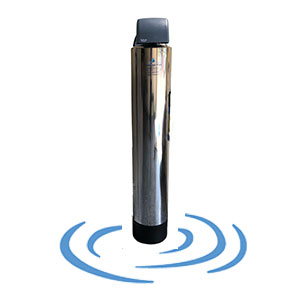
Taking Control of Your Marion County Water Quality
Marion County’s water quality challenges aren’t going away. The limestone aquifer that supplies our water will keep adding minerals. Sulfur-reducing bacteria will keep producing hydrogen sulfide. And if you have a private well, you’ll keep being responsible for making sure your water is safe.
The good news is that you’re not stuck with water that smells bad, damages your plumbing, or puts your family’s health at risk. Testing shows you exactly what you’re dealing with. The right treatment system addresses your specific issues – whether that’s hard water, sulfur, bacteria, or a combination of problems.
If you’re ready to stop wondering about your water quality and start doing something about it, we can help. With 50+ years of experience treating Central Florida’s unique water chemistry, WQA certified professionals, and an A-rated BBB standing with zero complaints, we understand exactly what Marion County homeowners face – and what actually works to fix it.