Summary:
If your water smells like rotten eggs, you’ve probably already searched for “activated carbon water filter” and maybe even bought one. And if it didn’t fix the problem — or made it worse — you’re not alone, and you didn’t do anything wrong. The issue isn’t the filter brand you picked. It’s that activated carbon has real limits when it comes to the sulfur levels found in many Lake County wells, and most of what you’ll read online glosses right over that. Here’s an honest look at how carbon filtration actually works, what it can and can’t do for well water in this part of Florida, and what the right solution looks like.
How Activated Carbon Water Filters Actually Work
Activated carbon filters work through a process called adsorption — not absorption. The difference matters. Adsorption means contaminants physically stick to the surface of the carbon as water passes through it, rather than being soaked up into it. One pound of activated carbon has a surface area of roughly 125 acres, which gives it an enormous capacity to trap organic compounds, chlorine, certain VOCs, and at low concentrations, hydrogen sulfide — the gas responsible for that rotten egg smell.
This is why activated carbon is the most widely used residential filtration technology in the country. It genuinely works well for a lot of things. The problem is that “a lot of things” doesn’t always include the specific water chemistry found in Lake County wells, and understanding that distinction is what separates a filter that solves your problem from one that wastes your money.
Does Activated Carbon Remove the Rotten Egg Smell from Well Water?
Yes — but only up to a point, and that point matters enormously for Lake County homeowners. Activated carbon is effective at reducing hydrogen sulfide at concentrations below approximately 1 part per million (ppm). For some wells, that’s enough. But many wells in Lake County test at 5 ppm or higher, and at those levels, standard activated carbon simply can’t keep up.
Here’s the part that most filter brands won’t tell you: when a carbon filter becomes saturated with sulfur — which can happen in days or weeks on a high-sulfur well, not years — it can actually begin releasing the trapped hydrogen sulfide back into your water. That means your water could smell worse after the filter than it did before you installed it. It’s not a defective filter. It’s the wrong tool for the job.
This is a direct result of where Lake County sits geographically. The county draws its groundwater from the Floridan Aquifer System, a vast limestone formation that runs beneath much of Central Florida. As water moves through that limestone, it picks up sulfur compounds that feed sulfur-reducing bacteria living in the warm, oxygen-poor environment deep underground. Florida’s climate keeps those bacteria active year-round, which is why the sulfur smell in Lake County wells tends to be persistent — not seasonal, not occasional, but constant. A filter that was designed for a home on city water in Ohio isn’t going to cut it here.
There’s also the type of carbon to consider. Standard granular activated carbon (GAC) is the most common variety and works well for chlorine, taste, and odor issues on municipal water. Catalytic carbon — an enhanced form — is better suited for chloramines and moderate sulfur levels in well water. Knowing which one your water actually needs requires a water test, not a guess based on what’s in stock at the hardware store.
What Happens When Activated Carbon Isn't Enough for Sulfur Well Water
When hydrogen sulfide levels exceed what activated carbon can reliably handle, the professional standard shifts to oxidation-based treatment — either an air injection oxidation (AIO) system, a combination of carbon with KDF media, or a multi-stage system that addresses sulfur, iron, and bacteria simultaneously. These aren’t exotic solutions. They’re the industry-standard response to the water chemistry that’s common in Lake County and throughout Central Florida.
It’s also worth knowing that sulfur and iron problems frequently show up together in this area. Lake County’s soil is iron-rich, and iron bacteria and sulfur bacteria often co-exist in the same well. Iron bacteria creates that rusty orange staining on your fixtures, driveway, and laundry. Sulfur bacteria produces the hydrogen sulfide gas. Treating one without addressing the other leaves you halfway to a solution.
And the damage isn’t just cosmetic or sensory. Hydrogen sulfide is a corrosive gas. It blackens silverware, eats away at copper plumbing, corrodes the internal components of water heaters, and leaves black bacterial sludge inside toilet tanks. Homeowners who’ve replaced a water heater ahead of schedule or dealt with unexplained plumbing repairs may have been paying the price of untreated sulfur water without ever connecting the two. The smell is the most obvious symptom, but the corrosion happening inside your pipes and appliances is the more expensive problem.
That’s why the right starting point isn’t picking a filter — it’s testing your water first. The correct system for a well testing at 0.5 ppm looks very different from the correct system for a well testing at 5 ppm. Skipping the test and buying a system based on what someone else in a different county uses is how people end up with a filter that doesn’t work, or one that makes things worse.
What to Look for in a Whole-House Water Filtration System in Lake County
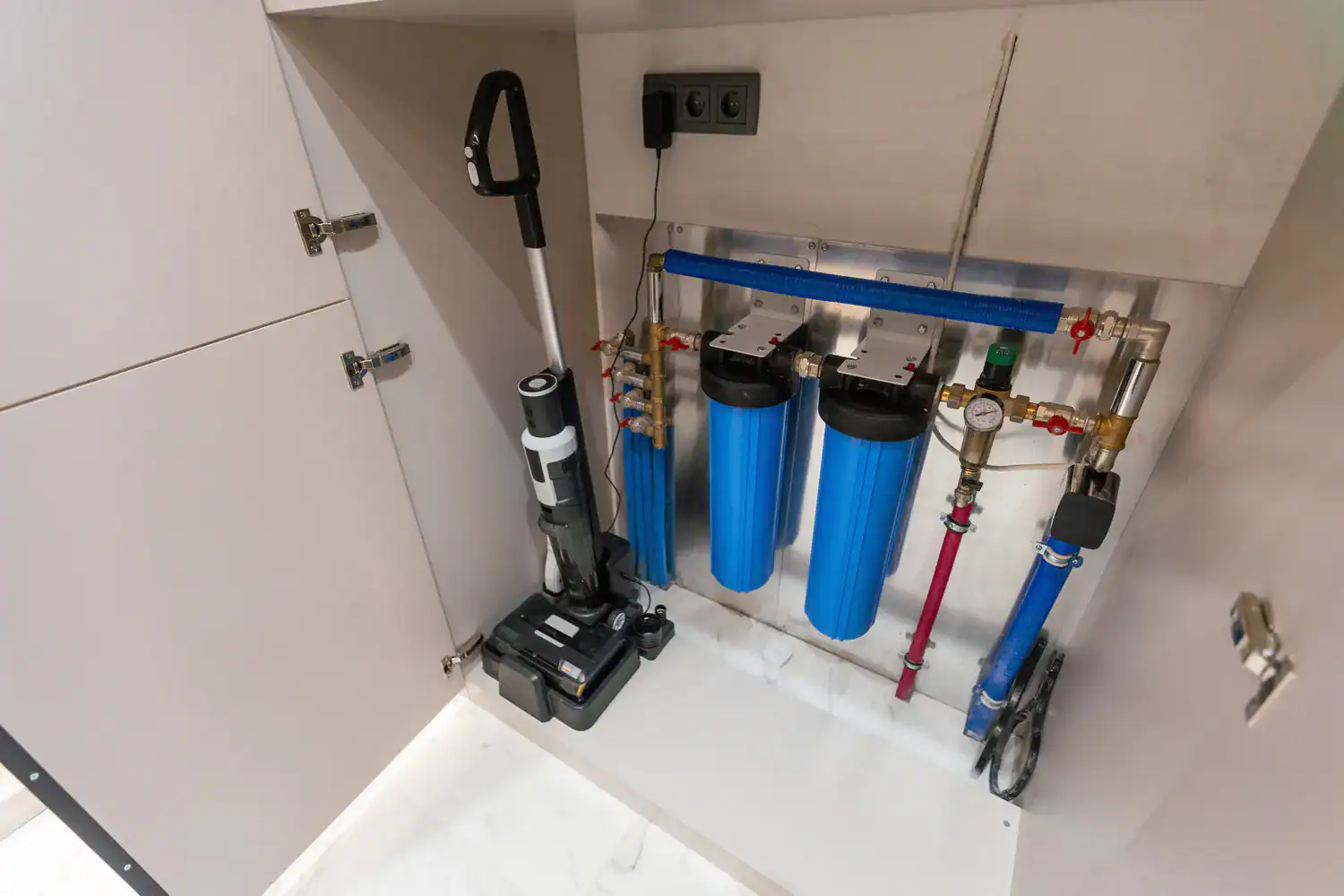
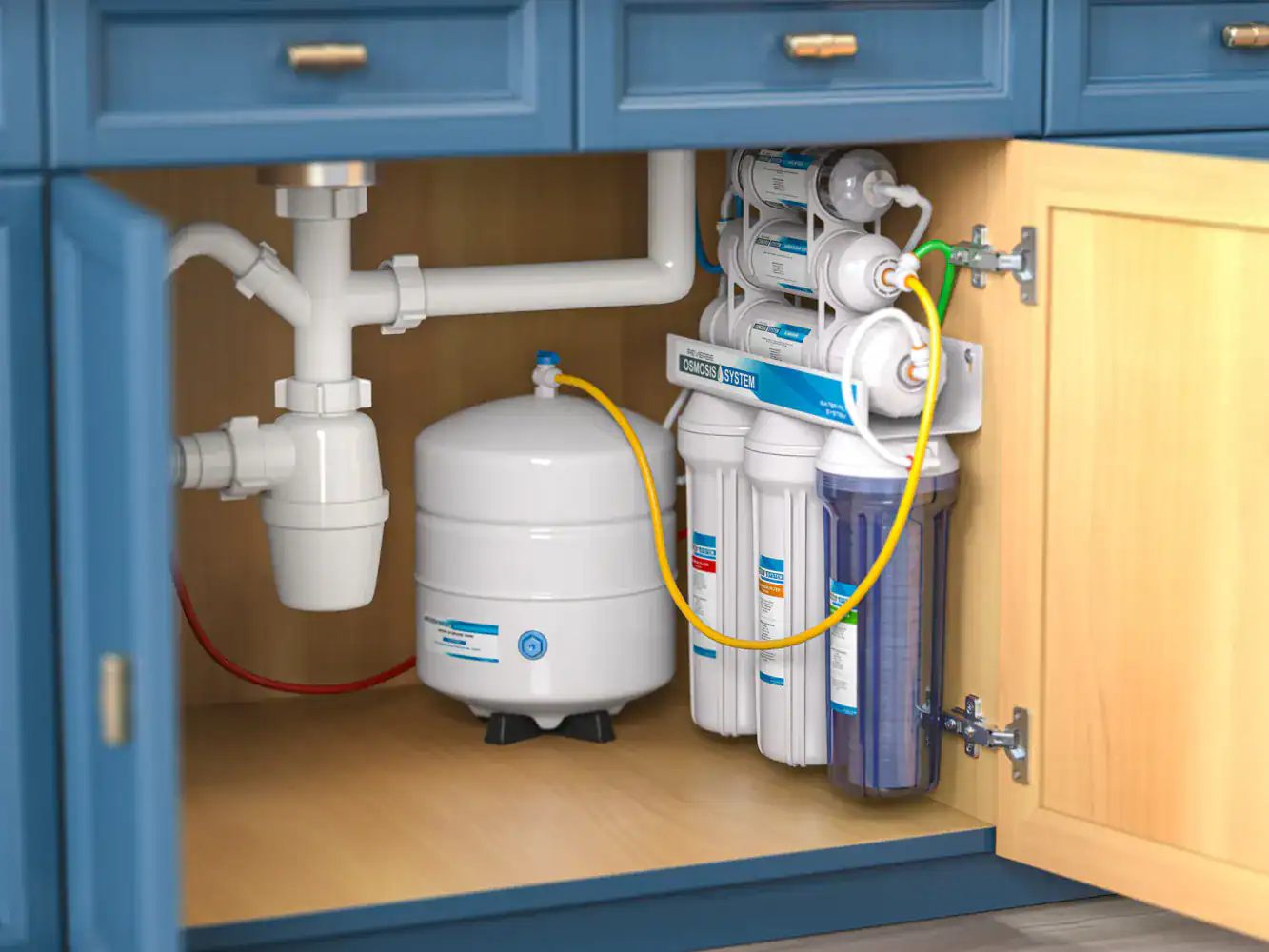
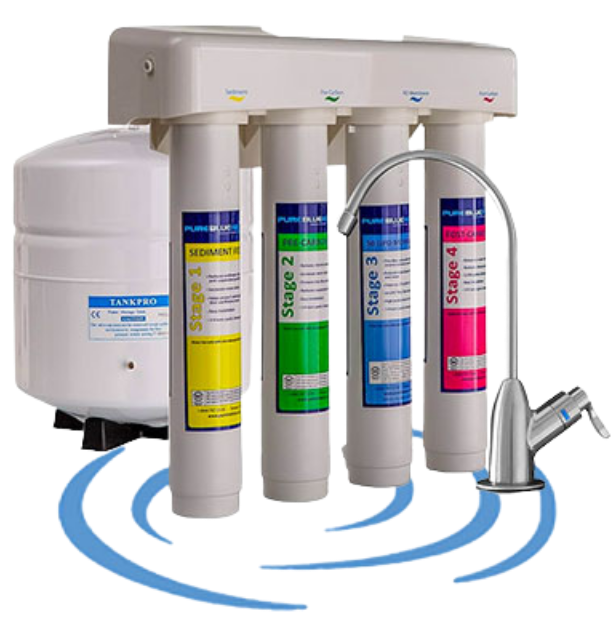
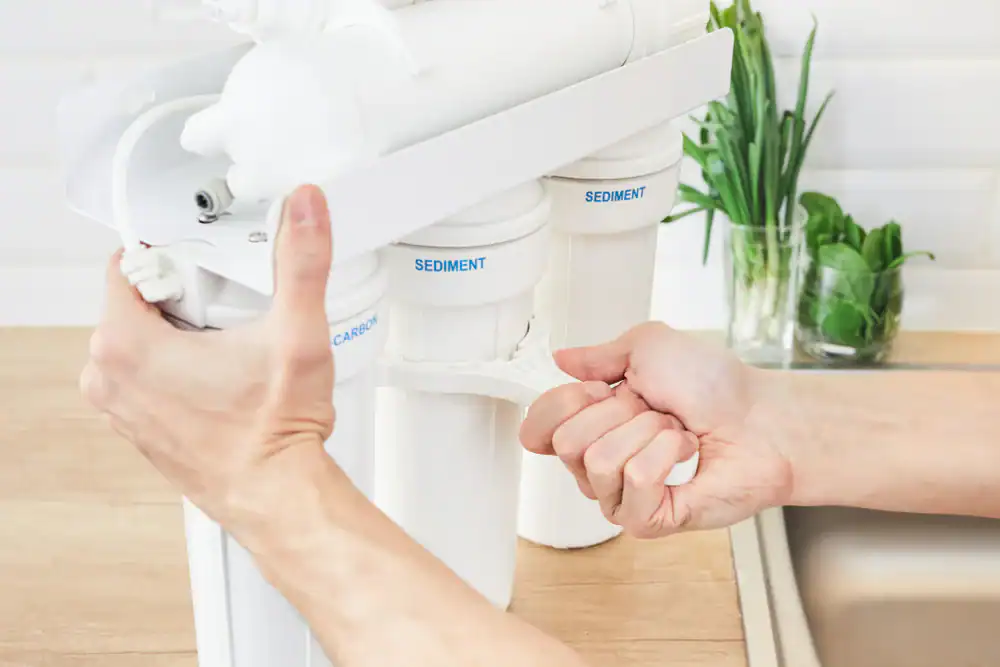
A point-of-use filter — the kind that attaches under the kitchen sink or to a single faucet — only treats the water at that one outlet. Your shower, your laundry, your dishwasher, and your appliances are still running on the same untreated well water. For sulfur and iron problems, that’s not a real solution. A whole-house system treats water at the point of entry, so every tap and every appliance in the home gets the same treated water.
The right whole-house system for a Lake County well isn’t one-size-fits-all. The media, the flow rate, the tank size, and the treatment stages all depend on what’s actually in your water and how much your household uses. That’s why a free in-home water analysis is the only reliable first step — not a product page, not a quiz, and not a recommendation from a neighbor whose well may test completely differently from yours.
Iron Clear and Sulfur Clear: Systems Built for Lake County Well Water
We built our Iron Clear and Sulfur Clear systems specifically around the water quality challenges that are common in Lake County and throughout Central Florida — not adapted from systems designed for city water somewhere else. Iron Clear targets iron, rust, and iron bacteria while simultaneously addressing harmful bacteria like E. coli. Sulfur Clear is engineered specifically for hydrogen sulfide and the sulfur-reducing bacteria that produce it.
For wells where both problems are present — which is common in Lake County — we design combination systems that address iron, sulfur, and bacteria in a single integrated solution. We also offer the Purelight System, a whole-house UV disinfection system that kills 99.99% of waterborne organisms and bacteria without adding any chemicals to your water. UV is increasingly recommended as an add-on for well water with biological contamination risk, and it pairs well with carbon and oxidation-based filtration as part of a complete treatment approach.
None of these systems are off-the-shelf products we adapt to fit your situation. They’re built around your water test results, your household’s usage, and the specific conditions of your well. That’s the only way to know the system will actually work — and keep working — for the long term.
Common Questions Lake County Homeowners Ask About Carbon Water Filters
One of the most common questions we hear from Lake County residents is whether a water softener will fix the rotten egg smell. The short answer is no. Water softeners are designed to address hardness — calcium and magnesium minerals that cause scale buildup and make soap lather poorly. They do nothing for hydrogen sulfide. It’s an easy assumption to make, especially if a salesperson has already told you that you need a softener, but a softener alone will leave the sulfur smell completely untouched.
Another question we hear often: is the rotten egg smell actually dangerous? At low levels, hydrogen sulfide is more of a nuisance than a direct health hazard. But it is a corrosive gas, and its presence in your water is also a signal that sulfur-reducing bacteria are active in your well system. Beyond the corrosion risk to your plumbing and appliances, the smell affects every water use in the home — showers, laundry, cooking, even brushing your teeth. For homeowners in Clermont, Eustis, Mount Dora, Lady Lake, and the surrounding Lake County communities who entertain guests or take pride in their homes, the impact is real. We’ve heard from homeowners who stopped having people over because they were embarrassed by the water. That’s not a small thing.
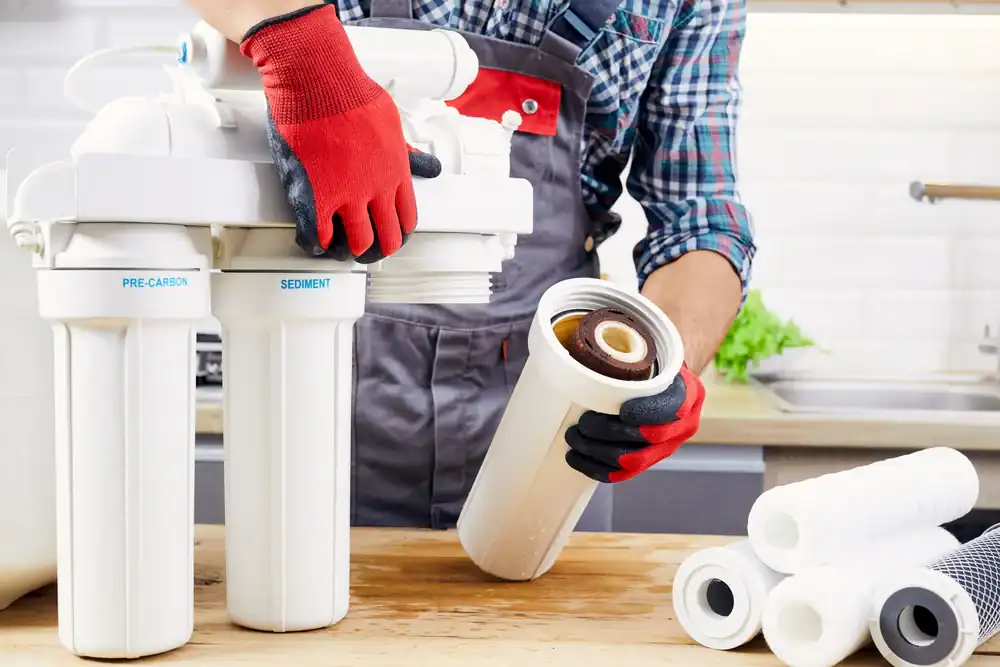
We’re also asked frequently how long activated carbon filters last. The honest answer is: it depends entirely on what’s in your water. On municipal water with normal chlorine levels, a quality carbon filter might last years. On a Lake County well with moderate-to-high hydrogen sulfide, the same filter can saturate in weeks. That’s why knowing your water’s actual chemistry — through a proper test, not a guess — is the foundation of any filtration decision. We offer free in-home water analysis for exactly this reason. There’s no obligation, no pressure, and no system recommendation until we actually know what we’re dealing with.
The Right Water Filter for Your Lake County Well Starts With Testing
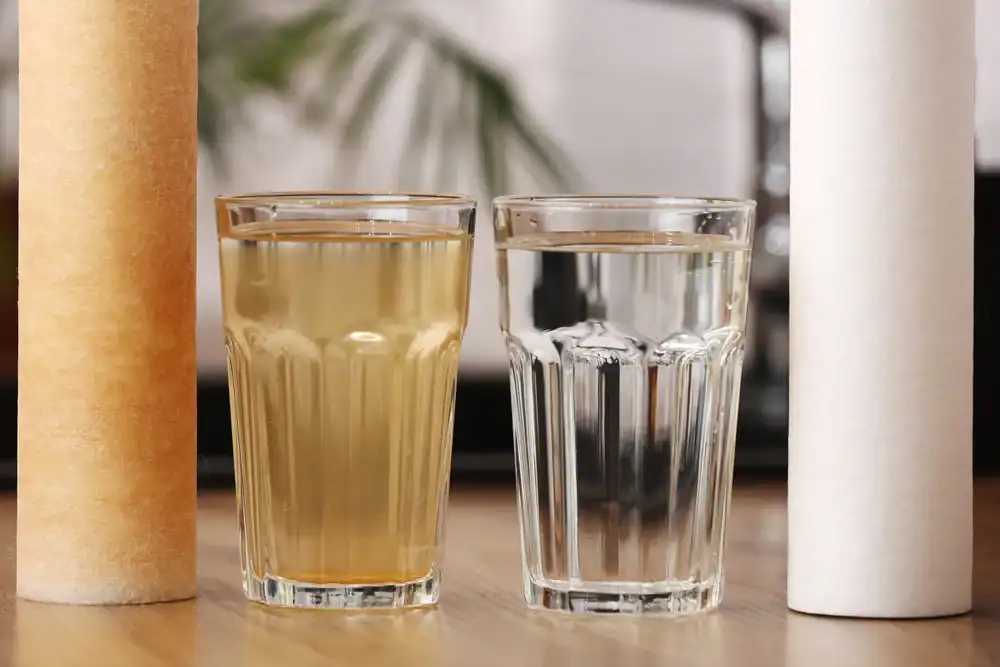
Activated carbon filtration is a genuinely effective technology — for the right water, at the right contaminant levels, in the right application. But for many Lake County well owners dealing with sulfur, iron, and bacteria, it’s only part of the answer, and in some cases, it’s the wrong starting point entirely. The geology here is permanent. The bacteria are active year-round. And the damage to your plumbing and appliances doesn’t pause while you figure out the right solution.
The most important thing you can do before buying any system is get your water tested by someone who will tell you the truth about what’s in it — including when a standard carbon filter won’t be enough. Quality Safe Water of Florida LLC offers free in-home water analysis with no sales pressure and no obligation. We’re based in Leesburg, right in the heart of Lake County, and we’ve been solving Florida well water problems for a long time. If you’re ready to find out what’s actually in your water and what it would take to fix it, we’re open seven days a week and happy to start there.