Summary:
You turn on your tap expecting clean water. But if you’re in Marion County, there’s a good chance your water contains something you’d rather not drink. Hard water from limestone aquifers. Iron and sulfur from well water. Maybe even PFAS from agricultural runoff.
A whole house water filter can address these issues, but only if you choose one with the right features for your specific water quality. The wrong system wastes money and leaves problems unsolved. This guide covers the key features that actually matter, so you can make a decision based on what’s in your water, not just what’s on sale.
Whole Home Water Filtration System Types and Technologies
Whole home water filtration systems aren’t one-size-fits-all. The type you need depends entirely on what’s contaminating your water. Most effective systems use multiple stages, each targeting different contaminants.
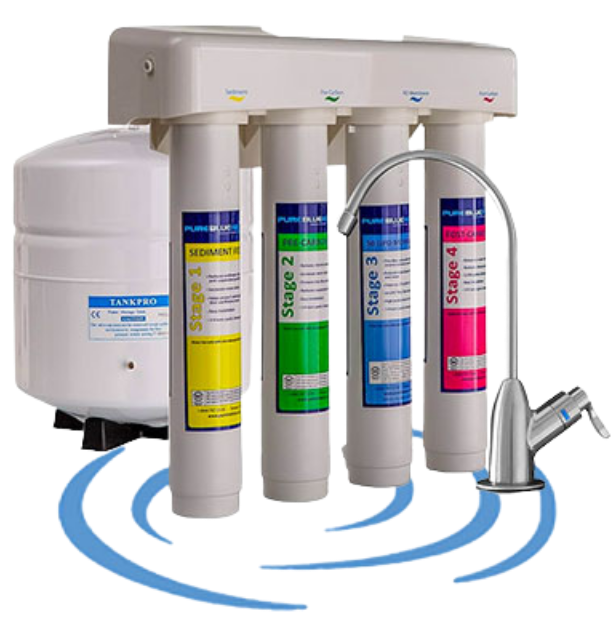
Sediment filters remove visible particles like rust, sand, and silt. They’re typically the first line of defense, protecting downstream filters from clogging. Carbon filters tackle chlorine, chemicals, and odors through activated carbon that traps contaminants as water passes through. KDF filters use copper and zinc to control microorganisms and reduce heavy metals. UV systems kill bacteria and viruses by altering their DNA, making them essential for well water users.
The most comprehensive approach combines these technologies in sequence. A typical multi-stage system starts with sediment filtration, moves through activated carbon, adds KDF media for heavy metal reduction, and optionally includes UV purification for bacterial protection.
Water Filter for Entire House: Point-of-Entry vs Point-of-Use
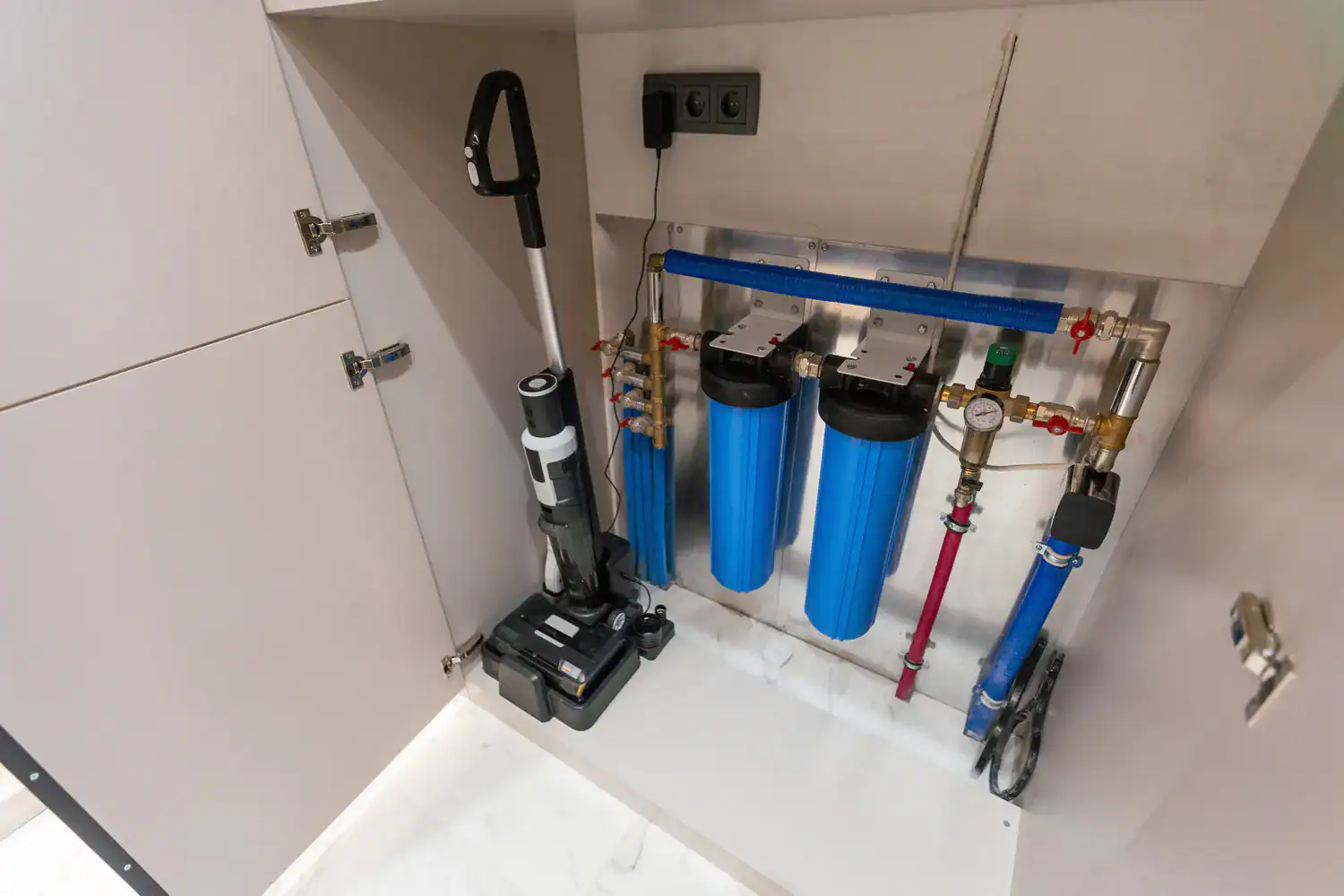
Point-of-entry systems install where your main water line enters your home. Every drop of water flowing through your house gets filtered before it reaches any tap, shower, or appliance. This approach protects your entire plumbing system and ensures consistent water quality throughout your home.
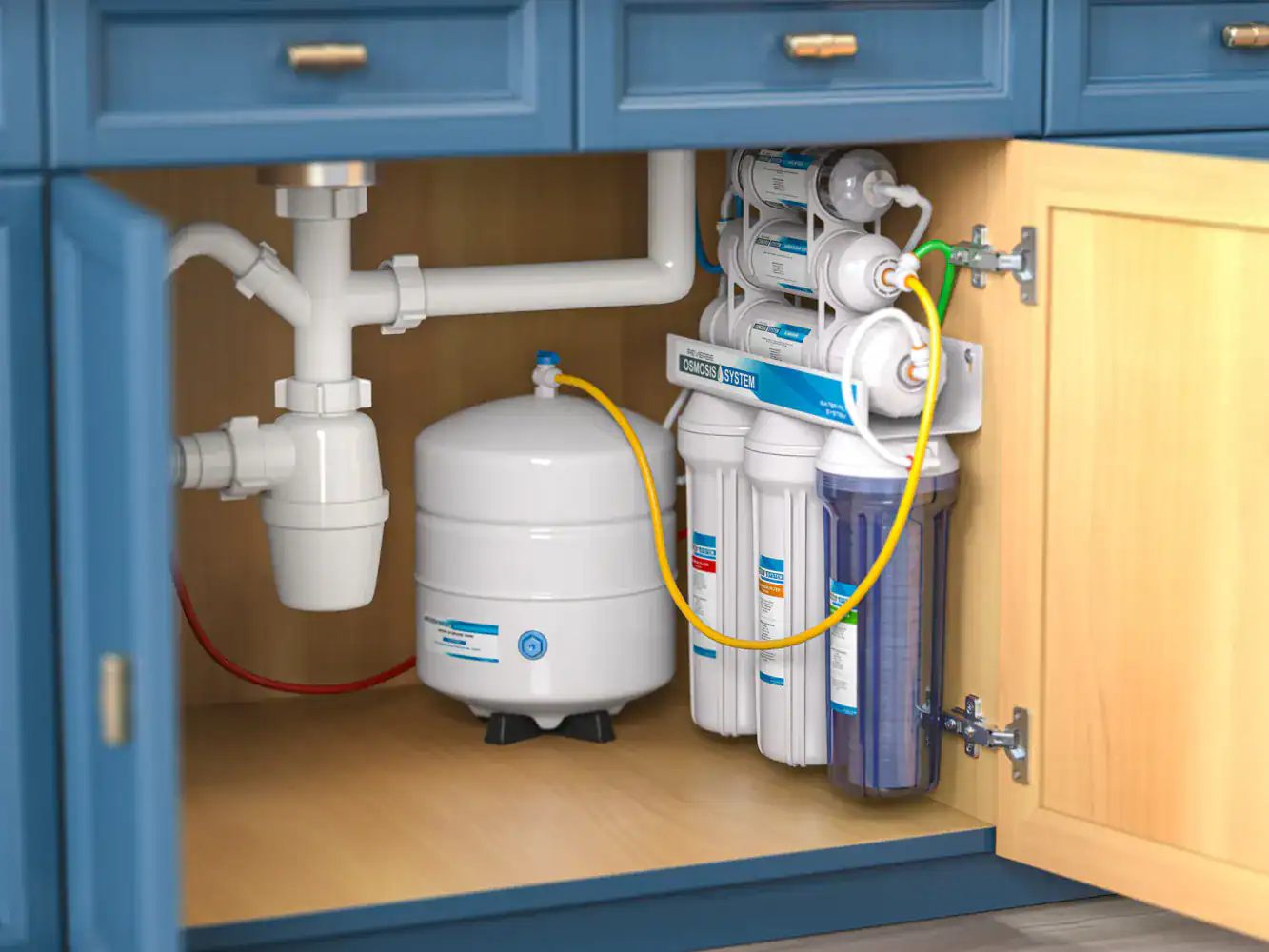
Point-of-use filters, by contrast, treat water at a single location, like under your kitchen sink. They’re less expensive upfront but only address drinking and cooking water. Your shower, washing machine, and other water sources remain unfiltered.
For Marion County homeowners dealing with hard water or well water issues, point-of-entry makes more sense. Hard water doesn’t just affect what you drink. It damages appliances, leaves deposits on fixtures, and dries out skin and hair. Filtering at the entry point solves these problems comprehensively.
The installation point matters for effectiveness too. Systems installed after the water meter but before any pipe splits ensure all water gets treated. This positioning also makes maintenance easier since you have one central location to monitor rather than multiple filters scattered throughout your home.
Flow rate becomes critical with whole-house systems. Your filter needs to keep up with peak demand when multiple fixtures run simultaneously. A system rated for 10-15 gallons per minute works for most homes with 1-2 bathrooms. Larger homes with 3+ bathrooms need systems rated for 15-20 GPM to avoid pressure drops.
Undersized systems create frustration. Water pressure drops noticeably when someone showers while the dishwasher runs. Properly sized systems cause minimal pressure loss, typically just 1-3 PSI when filters are clean. If you’re experiencing 10-20 PSI drops, either your system is undersized or your filters need replacement.
Household Water Filter System Components That Matter
The housing material affects both durability and lifespan. Plastic housings cost less initially but may crack or degrade over time, especially in Florida’s heat. Stainless steel and composite materials handle temperature fluctuations better and typically last 10+ years with proper maintenance.
Filter media quality varies significantly between manufacturers. Activated carbon comes in two main forms: granular activated carbon (GAC) and carbon block. GAC filters work well for general chlorine removal and handle higher flow rates. Carbon block filters are denser, providing more thorough filtration but potentially reducing flow slightly. For Florida’s chlorinated municipal water, carbon block often performs better despite the minor flow trade-off.
Tank size correlates with capacity, measured in gallons filtered before media replacement becomes necessary. Budget systems might handle 100,000-300,000 gallons, requiring more frequent maintenance. Premium systems treat 600,000-1,000,000+ gallons, reducing long-term maintenance costs. Since the average household uses 80,000-100,000 gallons annually, a 600,000-gallon system lasts roughly 6-7 years before needing media replacement.
Bypass valves are often overlooked but essential. They let you route water around the filter during maintenance or emergencies. Without a bypass, you’d need to shut off your entire water supply to change filters. Quality systems include built-in bypasses that make filter changes straightforward.
Control valves manage backwashing and regeneration cycles in more advanced systems. Electronic controls offer programmable schedules and can optimize based on water usage patterns. Manual controls cost less and don’t require electrical connections, making them suitable for simpler installations where automatic cycles aren’t necessary.
Certifications verify performance claims. NSF/ANSI standards provide independent testing confirmation. NSF 42 covers chlorine reduction and taste improvement. NSF 53 addresses health-related contaminants like lead, certain PFAS compounds, and VOCs. NSF 55 applies to UV systems. NSF 401 specifically targets emerging contaminants including additional PFAS types. Don’t trust marketing claims without supporting NSF certification numbers.

Well Water Filtration Systems: Florida-Specific Considerations
Well water in Marion County presents unique challenges. The majority of Marion County residents rely on private wells or limited-use public systems, making them responsible for their own water safety. Unlike municipal water that’s pre-treated, well water can contain bacteria, nitrates, iron, sulfur, and other contaminants that require specific filtration approaches.
Florida’s limestone aquifers create hard water conditions common throughout the region. Calcium and magnesium from dissolved limestone cause scale buildup in pipes and appliances. This same geology makes wells vulnerable to contamination from agricultural runoff, septic systems, and surface water infiltration during heavy rains.
The Florida Department of Health recommends annual testing for coliform bacteria, nitrates, and lead, with additional testing every three years for other contaminants. This testing isn’t just a recommendation—it’s the only way to know what you’re dealing with. Guessing at water quality leads to inappropriate system selection and wasted money.
Water Filtration System for Well Water: Essential Features
UV purification becomes non-negotiable for well water users. While municipal water gets chlorinated to kill bacteria, private wells have no such protection. E. coli, giardia, and other microorganisms can make you seriously ill. UV filters use ultraviolet light to sterilize up to 99.99% of bacteria and viruses by altering their DNA so they can’t reproduce or cause infection.
UV systems work as add-ons to existing filtration, not standalone solutions. They don’t remove sediment, chemicals, or minerals—they only kill microorganisms. Position them after sediment and carbon filters so the UV light can penetrate clear water without interference from particles. Most UV bulbs need annual replacement to maintain effectiveness.
Iron and sulfur removal requires specialized media. Standard carbon filters don’t handle these contaminants well. Iron causes orange staining on fixtures and laundry. Sulfur creates the characteristic rotten egg smell that makes water unpleasant. Oxidizing filters or aeration systems convert dissolved iron and sulfur into particles that can be filtered out, but this adds complexity and cost to your system.
Pre-filtration matters more with well water than municipal water. Wells often contain higher sediment levels from sand, silt, and clay. Heavy sediment loads clog carbon filters quickly, reducing their lifespan and effectiveness. A robust sediment pre-filter, changed every 3-6 months depending on your water quality, protects downstream filters and extends their service life.
Water pressure considerations differ for well systems. If you’re on a well with a pressure tank, your system needs to maintain adequate flow without overtaxing the pump. Systems with high pressure drops can cause the pump to cycle more frequently, reducing its lifespan. Match your filtration system’s flow rate to your well pump’s capacity to avoid these issues.
Testing before buying saves money and frustration. A comprehensive well water test costs $150-300 but tells you exactly what contaminants you’re dealing with. Armed with actual data, you can select a system configured for your specific issues rather than buying generic equipment that might not address your real problems.
Well Water Testing and Water Quality Testing Requirements
Florida doesn’t require routine testing for private wells, but that doesn’t mean you should skip it. You’re responsible for ensuring your own water safety. The Florida Department of Health strongly recommends annual testing for bacteria and nitrates at minimum, with lead testing every three years.
Bacteria testing checks for coliform bacteria and E. coli, indicators that harmful microorganisms may be present. Nitrates pose particular risk to infants and pregnant women, potentially causing serious health issues. Lead can leach from older plumbing components, especially in acidic water conditions common in some Florida wells.
Additional testing depends on your location and land use nearby. If you’re in an agricultural area, pesticide testing makes sense. Near industrial sites or former gas stations, test for VOCs and petroleum compounds. Near septic systems or livestock operations, expanded bacteria testing and nitrate monitoring become more important.
County health departments often provide testing services or can direct you to certified labs. Costs typically run $20-30 for basic bacteria testing through county health departments, with more comprehensive panels ranging $150-300 through private certified labs. Many FHA, VA, and USDA mortgages require well water testing during the home buying process, establishing a baseline you can reference later.
Sample collection matters. Bacteria samples need to stay cold and reach the lab quickly. In Florida’s heat, this means using coolers with ice packs and planning delivery timing carefully. Follow lab instructions precisely to avoid contamination during collection that could skew results.
Test results guide system selection. If bacteria shows up, UV filtration becomes essential. High nitrates might require reverse osmosis or specialized nitrate-removal media. Elevated iron or sulfur levels point toward oxidizing filters. Hard water indicates a need for softening or conditioning. Matching your system configuration to your actual test results ensures you’re solving real problems, not imaginary ones.
Ongoing testing confirms your system works. Test annually even with filtration in place. This verifies your filters are performing as expected and catches any new contamination sources before they become health hazards. Think of it as preventive maintenance for your family’s health.

Best Home Water Filtration System Selection and Sizing
Choosing the best water filtration system for home use starts with understanding your household’s specific needs. Water quality testing reveals what contaminants you’re dealing with. Household size and water usage determine the capacity and flow rate you need. Budget considerations include both upfront costs and long-term maintenance expenses.
System capacity gets measured in gallons treated before filter media needs replacement. A family of four using 80,000-100,000 gallons annually needs a system that balances capacity with cost. Buying a 100,000-gallon system means annual media changes. Stepping up to a 500,000-gallon system extends that to 5-6 years, often proving more economical despite higher initial cost.
Flow rate matching prevents pressure problems. Peak demand occurs when multiple fixtures operate simultaneously—shower running, dishwasher going, someone washing hands. Calculate your peak GPM by adding up fixture flow rates. Most showerheads use 2-2.5 GPM, faucets 1.5-2 GPM, washing machines 2-3 GPM. A system rated 2-3 GPM above your peak demand ensures adequate pressure even under full load.