Summary:
You’ve seen the ads. a href=”https://qualitysafewater.com/premium-water-treatment-solutions/whole-house-water-filter/”>Whole house water filters that promise clean water from every tap. But when you start digging into actual costs, the numbers are all over the place. One company quotes $1,200. Another says $4,500. A third won’t give you a number without an in-home visit.
Here’s what’s really happening. The cost depends on your water, your home, and what you actually need—not just what someone wants to sell you. In Marion County, where drought conditions and water quality concerns are real, getting this decision right matters. You’ll learn what whole house systems actually cost, why water testing comes first, and which expenses show up later that most homeowners don’t see coming.
What Drives Whole House Water Filter Costs
The price you pay isn’t random. It’s tied to what’s in your water and how much your household uses. Marion County homeowners face different challenges depending on whether they’re on well water or public supply. Well owners deal with bacteria, nitrate, and sediment. Municipal water customers face chlorine, chloramines, and treatment byproducts.
System capacity matters too. A home with three bathrooms needs higher flow rates than a smaller place. The filtration media you choose—carbon, reverse osmosis, UV—changes the price significantly. Then there’s installation complexity. If your plumbing is easy to access, costs stay lower. Older homes with tight spaces or unusual layouts cost more to retrofit.
Equipment Costs for Different System Types
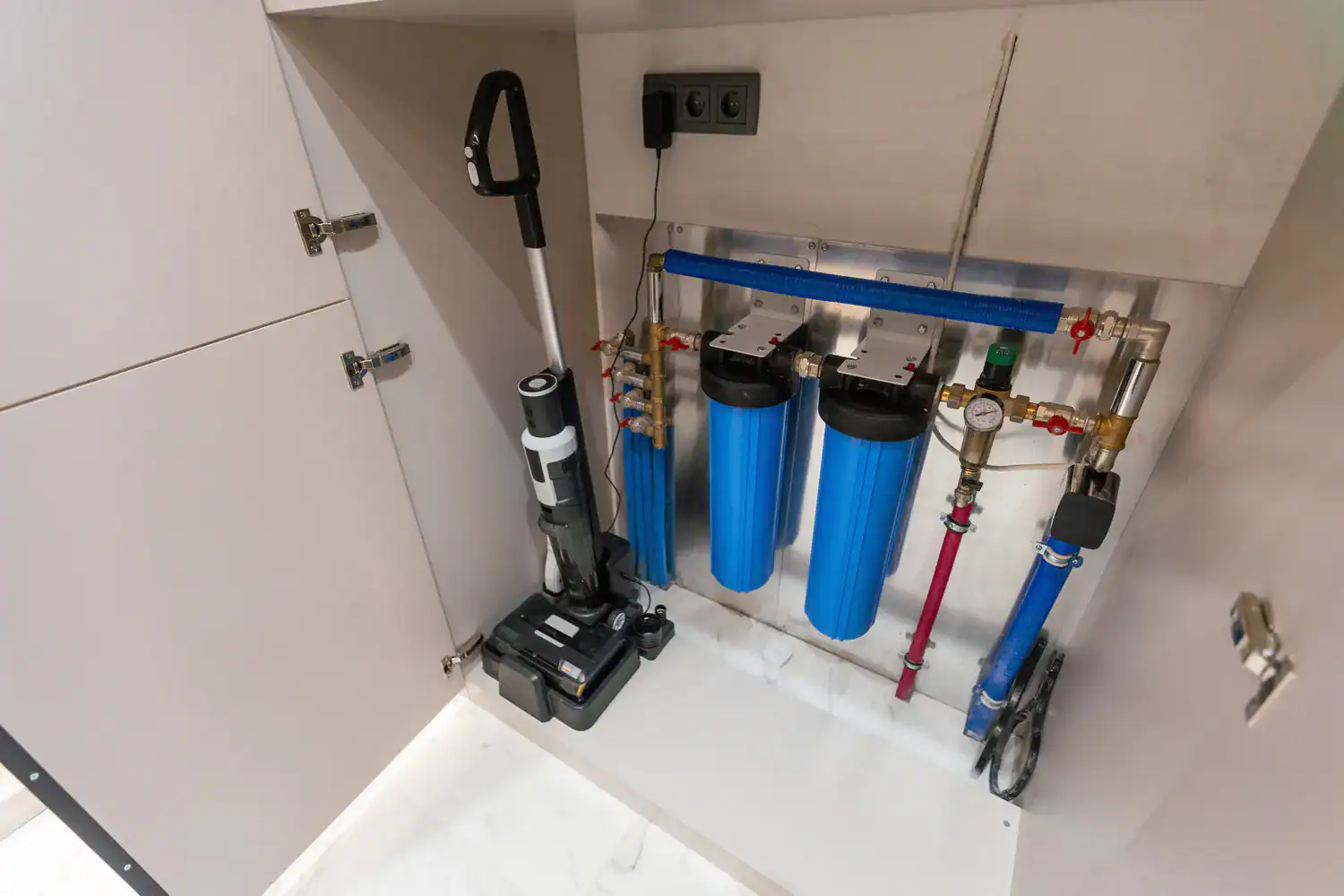
Basic whole house carbon filters start around $850 to $1,400. These handle chlorine, sediment, and taste issues for city water. They’re straightforward, effective for common problems, and don’t require much space.
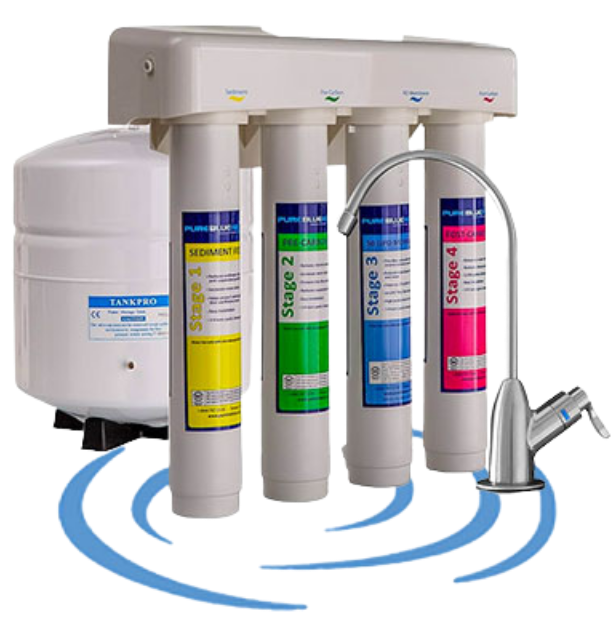
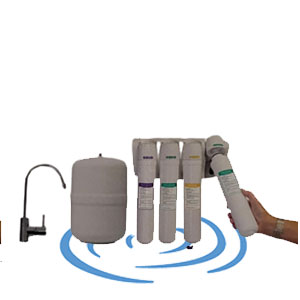
Mid-range systems run $1,800 to $2,900. These combine multiple filtration stages—sediment pre-filter, carbon media, and sometimes a post-filter for polishing. They tackle more contaminants and work for homes with moderate water quality issues. You’ll see these recommended when water testing shows a mix of problems like chlorine plus iron or hardness plus odor.
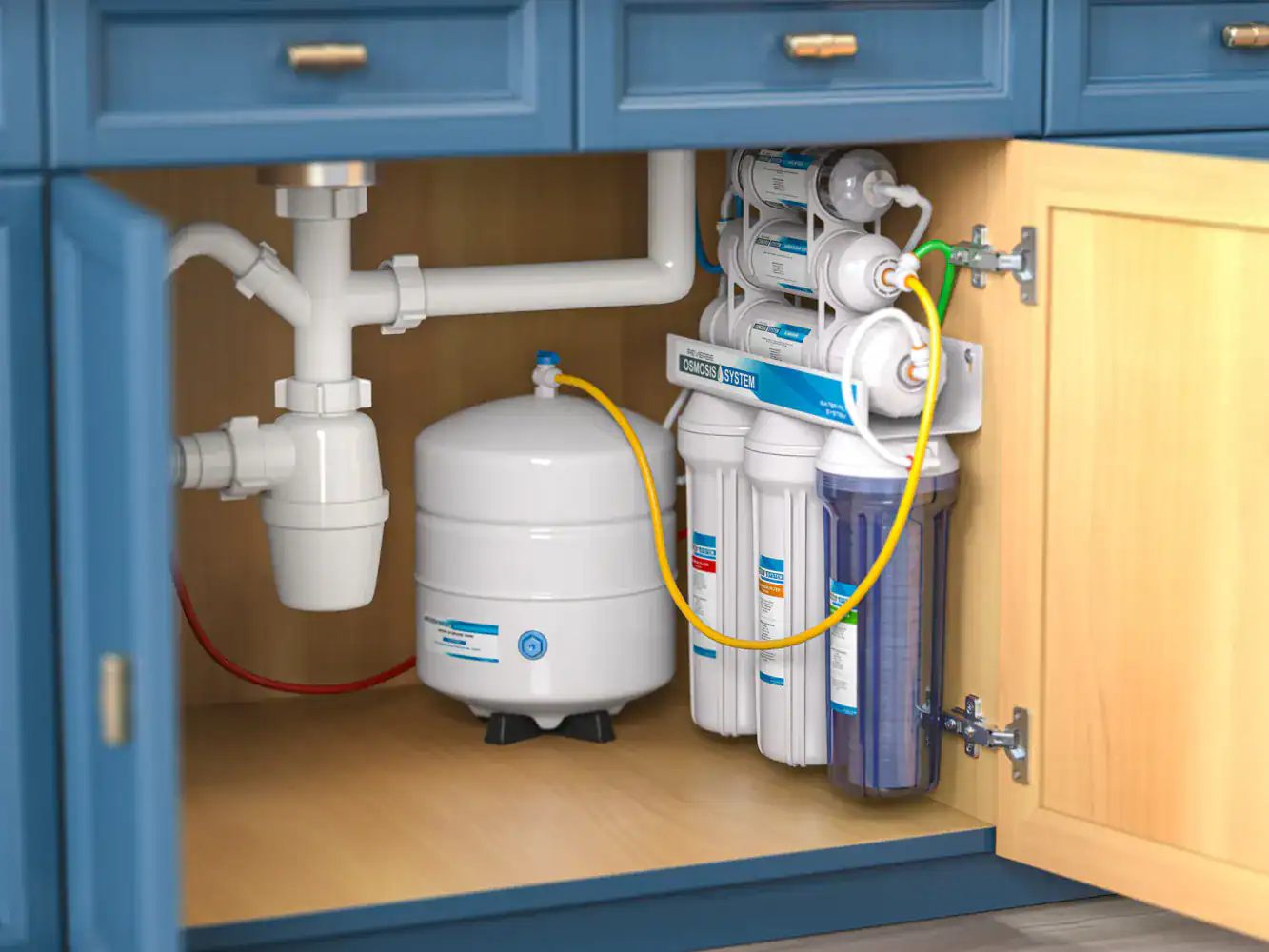
Advanced systems with reverse osmosis, UV sterilization, or specialized media for arsenic or PFAS removal range from $4,500 to $15,000. Well water often needs this level of treatment. If your water test reveals bacteria, heavy metals, or emerging contaminants, you’re looking at the higher end. These systems include larger tanks, more complex controls, and sometimes require electrical work for UV components.
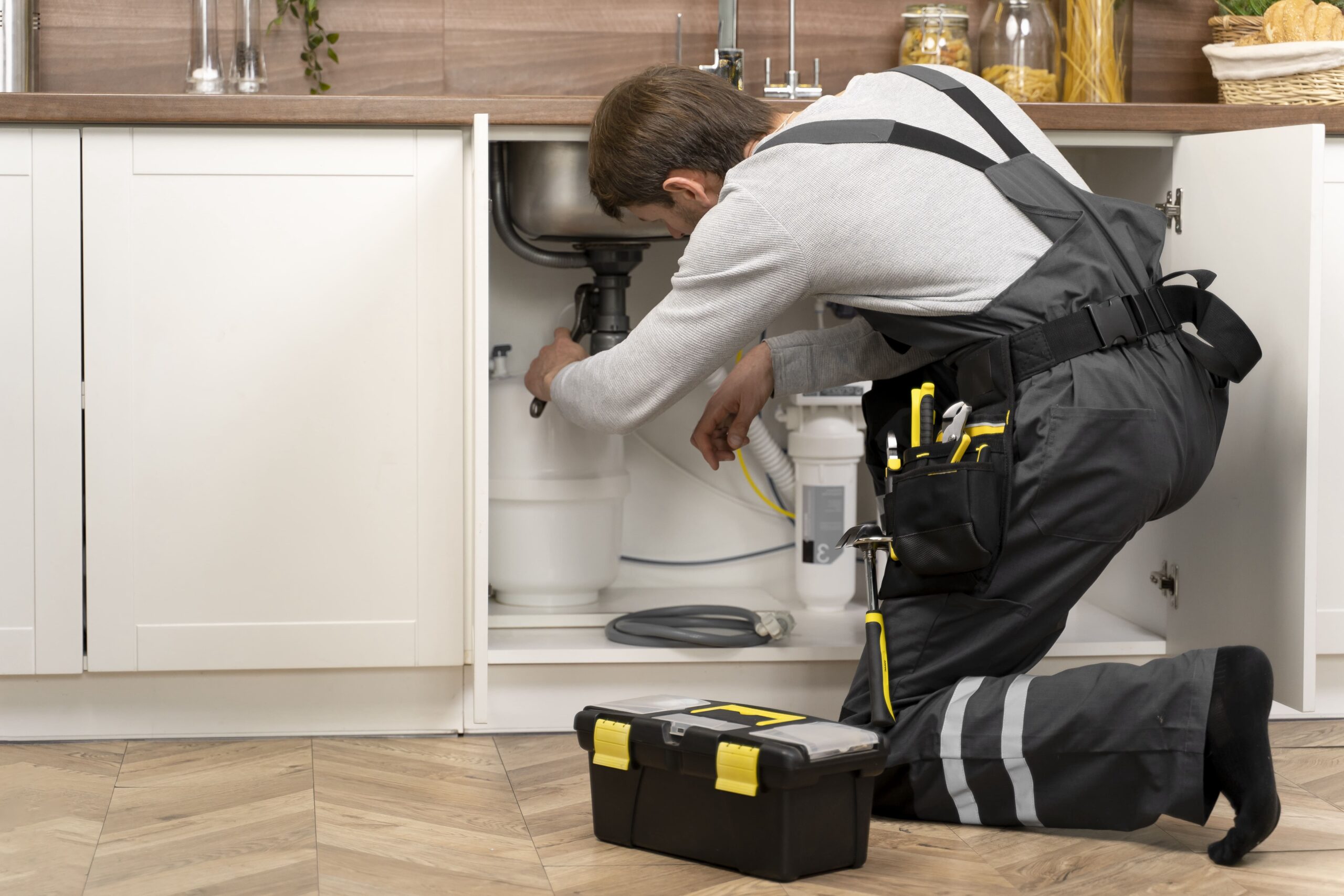
The equipment itself is only part of the story. Installation adds $200 to $900 depending on your home’s layout and whether you need new outlets, drain lines, or pipe modifications. Water testing before you buy runs $100 to $300 but saves you from installing the wrong system. Some companies skip this step and sell based on assumptions. That’s how homeowners end up with systems that don’t solve their actual problems.
Why Water Testing Comes Before Equipment Selection
You can’t fix what you don’t measure. Water testing identifies the specific contaminants in your supply so you buy the right filtration media. Marion County’s water varies dramatically depending on location. Some areas deal with high iron and sulfur from well water. Others face chloramine residuals from municipal treatment. Testing shows you exactly what’s there.
The Florida Department of Health recommends annual testing for private well owners, checking for bacteria and nitrate at minimum. That’s $20 to $30 per sample through your county health department. More comprehensive testing through certified labs runs $100 to $300 and covers metals, VOCs, PFAS, and other contaminants that basic tests miss.
Here’s why this matters for cost. If you install a basic carbon filter but your water has high hardness, the filter media clogs faster and needs replacement more often. You’ll spend more on maintenance and still have scale buildup damaging your appliances. If you buy a softener without testing and your real problem is bacterial contamination, you’ve wasted money on equipment that doesn’t address the health risk.
Testing first means you buy once and buy right. You avoid the expensive mistake of treating symptoms instead of causes. A $200 water test can save you thousands in wrong equipment, premature replacements, and ongoing frustration. Companies that skip testing and sell based on sales pitches instead of data cost you more in the long run. The upfront investment in knowing your water pays off every time.

Home Filtration System Cost: Installation and Hidden Expenses
The sticker price on a filtration system doesn’t tell the whole story. Installation labor, plumbing modifications, and ongoing maintenance add up fast. Most homeowners don’t budget for these extras and get surprised when the final bill arrives.
Professional installation runs $200 to $600 for standard setups. Complex jobs with difficult access, older plumbing, or the need for new drain lines can hit $900 or more. Some systems need dedicated electrical outlets for UV lights or electronic controls. That’s another $150 to $350 if you don’t have one nearby. Homes built before modern plumbing codes sometimes need pipe extensions or pressure adjustments, adding $150 to $850 depending on distance and materials.
Whole House Water Softener and Filtration System Cost Combined
Many Marion County homes need both softening and filtration. Hard water clogs filters and reduces their effectiveness. Contaminants like chlorine damage softener resin. Installing both systems together solves more problems but obviously costs more upfront.
A basic water softener runs $762 to $2,112 in Florida including installation. Add a whole house filter at $850 to $2,900 and you’re looking at $1,600 to $5,000 total for a combined setup. Some manufacturers offer combo units that integrate softening and filtration in one tank, which can reduce installation costs and save space.
The order matters too. Installing a carbon filter before your softener protects the resin from chlorine damage and extends its life. Installing a softener before your filter prevents scale buildup in the filter media. Most professionals recommend filter first, then softener, then any additional treatment like UV or reverse osmosis.
Here’s what homeowners miss when budgeting. Salt for softeners costs $5 to $10 per 40-pound bag, and you’ll use several bags per month depending on water hardness and household size. Filter replacements run $20 to $200 every three to twelve months depending on the type. Whole house systems typically need $150 to $500 in annual maintenance including filter changes, media regeneration, and system checks. That’s $1,500 to $5,000 over ten years just for upkeep.
Compare that to bottled water. A family of four spends up to $2,700 annually buying water in plastic bottles. Over ten years, that’s $27,000 with nothing to show for it except landfill waste. A whole house system with softener costs $3,000 to $7,000 total over the same period including all maintenance. The math favors installation every time, but only if you budget for the real total cost from day one.
Whole Home Filtration System Cost: Maintenance You Need to Plan For
Every filtration system needs ongoing care. Filters clog. Media degrades. Tanks need sanitizing. Ignoring maintenance doesn’t just reduce performance—it can make your water worse by allowing bacteria to grow in stagnant filter media.
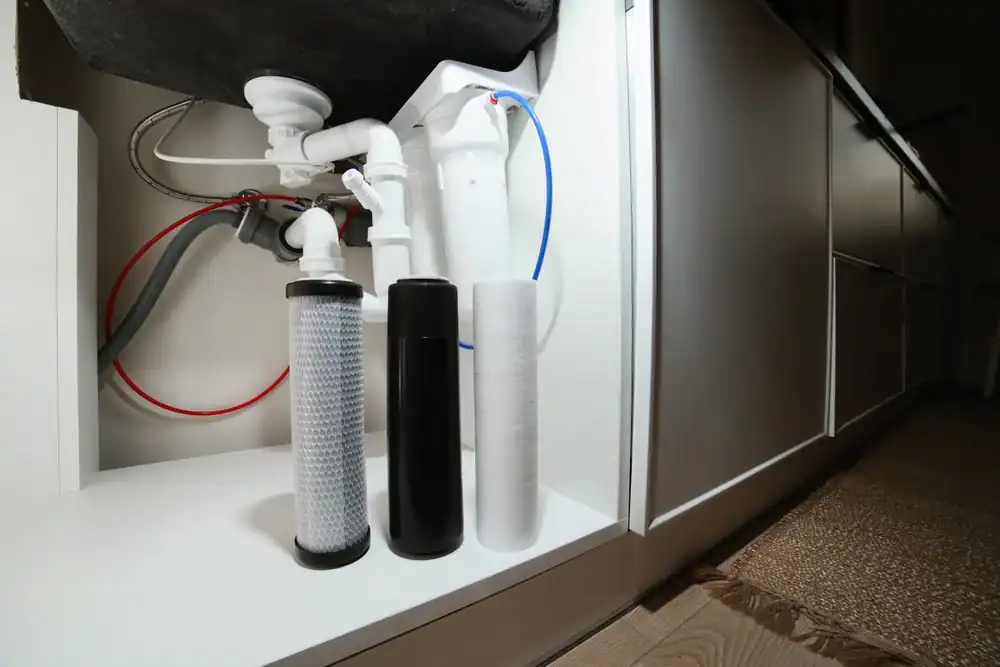
Sediment pre-filters need replacement every three to six months, costing $20 to $50 per filter. Carbon filters last six to twelve months and run $50 to $200 depending on size and quality. KDF media lasts five to seven years but costs $300 to $400 to replace. UV bulbs need annual replacement at $100 to $200 each. Reverse osmosis membranes last two to five years and cost $75 to $200.
Most homeowners spend $80 to $500 annually on filtration system maintenance. Mid-range systems typically cost $170 to $300 per year. That includes sediment filters two to four times yearly, carbon filter annually, and occasional UV bulb replacement. High-end systems with multiple stages cost more to maintain but often last longer between major service.
Some companies sell maintenance contracts that cover filter changes and annual inspections. These run $150 to $400 per year depending on system complexity. The value depends on whether you’re comfortable doing the work yourself or prefer professional service. DIY filter changes take 30 to 90 minutes with basic tools. Professional service includes checking flow rates, testing output water quality, and catching problems before they become expensive failures.
The hidden cost that catches people off guard is emergency service. If your system fails and you need same-day repair, expect premium rates. If you bought from a company that doesn’t service what they sell, you’re stuck finding someone else who may not know your system. That’s why choosing a company with a solid service reputation matters as much as the equipment itself. An A-rated Better Business Bureau status with zero complaints tells you we’ll be there when something goes wrong.
Making Smart Decisions About Water Filtration Costs
Whole house water filter costs in Marion County range from under $1,000 for basic systems to over $15,000 for advanced treatment. The right number for your home depends on your water test results, household size, and whether you need softening along with filtration. Budget for the total cost including installation, testing, and ten years of maintenance—not just the equipment price.
Start with water testing so you know what you’re treating. Choose a company with proven service reputation, not just the lowest price. Ask about total cost of ownership including all maintenance. Get everything in writing before installation starts. The upfront investment in quality equipment and professional installation pays off in years of reliable performance and healthier water for your family.
At Quality Safe Water of Florida LLC, we’ve been serving North and Central Florida homeowners with transparent pricing, WQA-certified professionals, and A-rated BBB standing with zero complaints. If you’re ready to get real answers about what your home needs and what it actually costs, that conversation starts with understanding your water.