Summary:
What Salt-Free Treatment Actually Does to Your Water
Let’s clear something up right away. Salt-free systems don’t soften water. They condition it. That’s not marketing spin—it’s an important distinction that affects what you can expect.
Traditional water softeners remove calcium and magnesium from your water through ion exchange. Salt-free water conditioners leave those minerals in the water but change their structure so they can’t stick to surfaces and form scale. The calcium and magnesium are still there. They’re just not causing problems anymore.
This process is called Template Assisted Crystallization, or TAC. As water flows through the system, the minerals transform into microscopic crystals that stay suspended in the water instead of clinging to your pipes, water heater elements, or appliance components. Those crystals flow right through your plumbing and down the drain without building up along the way.
How the Conditioning Process Prevents Scale Without Removing Minerals
Inside a salt-free water conditioner, you’ll find specialized media—usually polymer beads with tiny nucleation sites. These sites act as catalysts. When hard water minerals come into contact with them, the calcium and magnesium bond together into crystal structures before they can attach to anything else.
Think of it like this: untreated hard water minerals are sticky. They want to latch onto the nearest surface—your pipes, your water heater element, the inside of your dishwasher. Once they start building up, they create that rock-hard scale that’s nearly impossible to remove without harsh chemicals or professional descaling.
But when those same minerals go through the conditioning process first, they’ve already bonded together into stable crystals. They’re no longer looking for something to stick to. They just flow through your system and exit with the wastewater.
The media inside these systems can last three to five years before needing replacement, depending on your water hardness and usage. There’s no regeneration cycle. No backwashing. No salt to add. The system sits inline with your plumbing and does its job continuously without requiring your attention.
This is why salt-free systems work well for city water applications. The water is already treated at the municipal level for contaminants, so you’re mainly dealing with hardness minerals. The conditioning process handles those minerals effectively without adding complexity to your water treatment setup.
For well water, the situation gets more complicated. If your water contains iron or manganese, those elements can coat the conditioning media and reduce its effectiveness. In those cases, you’d need pre-treatment to remove the iron and manganese before the water reaches the salt-free conditioner. That’s an important consideration if you’re on well water in Lake County, FL.
Why This Matters for Your Appliances and Plumbing
Scale buildup isn’t just ugly. It’s expensive. When calcium and magnesium form deposits on your water heater’s heating element, the element has to heat through that layer of scale before it can warm your water. That’s wasted energy. Studies show that scale buildup can reduce water heater efficiency by up to 48%, which shows up directly on your energy bill.
The damage goes beyond efficiency. Scale-coated heating elements work harder and burn out faster. A water heater replacement runs anywhere from $1,200 to $3,000, and hard water is one of the main reasons water heaters fail prematurely. Some research indicates hard water can cut appliance lifespan in half.
Your dishwasher and washing machine face similar issues. Scale clogs spray arms, reduces water flow, and forces mechanical components to work against resistance they weren’t designed to handle. The white film on your dishes isn’t just an aesthetic problem—it’s a sign that minerals are building up inside the appliance where you can’t see them.
Pipes are another concern. As scale accumulates inside your plumbing, water flow decreases and pressure drops. In severe cases, pipes can become so restricted that they need professional cleaning or replacement. Whole-house repiping can cost $5,000 to $15,000, depending on your home’s size and plumbing layout.
Salt-free treatment addresses these problems by preventing scale formation in the first place. The conditioned minerals flow through your system without adhering to surfaces. Your appliances run at full efficiency. Your pipes stay clear. And you avoid the repair and replacement costs that come with untreated hard water.
It’s worth noting what salt-free systems don’t do. They won’t eliminate soap scum or make your soap lather better. They won’t give you that “slippery” feel that comes with fully softened water. If those things matter to you, a traditional salt-based softener might be a better fit. But if your main concern is protecting your plumbing and appliances from scale damage without ongoing maintenance, salt-free treatment delivers.
The Maintenance Reality: What You're Actually Signing Up For
Traditional water softeners require attention. You need to monitor salt levels, buy and haul 40-pound bags, refill the brine tank, and deal with the occasional malfunction in the regeneration cycle. It’s not overwhelming, but it’s ongoing. Forever.
Salt-free water conditioners eliminate that maintenance loop. There’s no salt to buy. No regeneration schedule to track. No electricity consumption. No wastewater discharge. The system installs inline with your main water line and operates passively, conditioning water as it flows through.
The only maintenance involves replacing the conditioning media every three to five years, depending on your water hardness and household usage. That’s it. One service call every few years instead of monthly salt purchases and regular monitoring.
Installation and Space Requirements
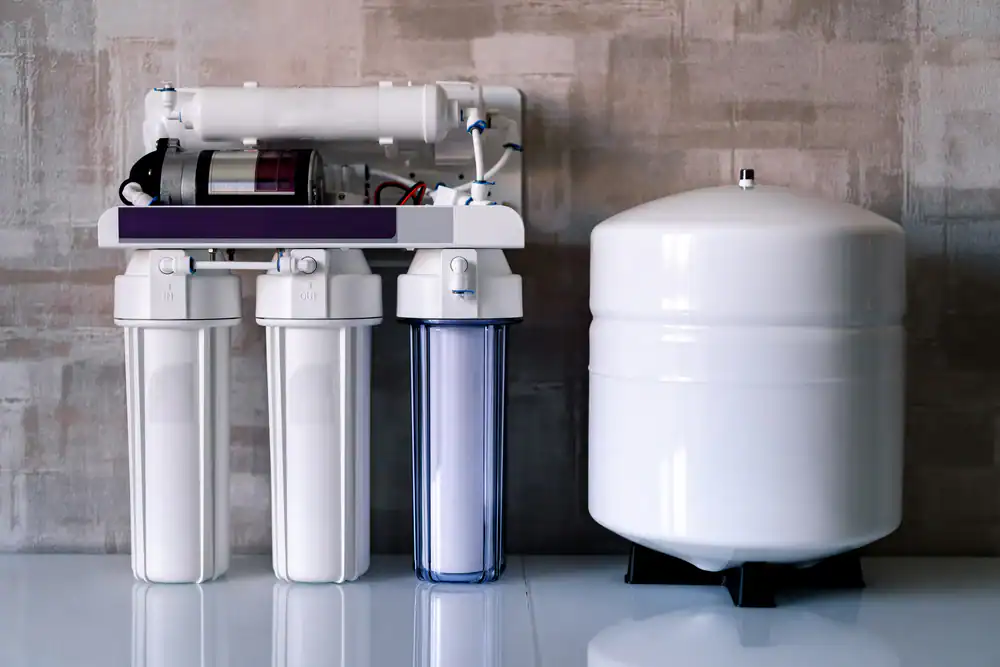
Salt-free systems are compact. Most consist of a single tank or cartridge that mounts inline with your main water supply. There’s no separate brine tank to accommodate, no drain line to run, and no electrical connection to worry about.
For homeowners with limited space—maybe your water heater is in a closet or your main line enters through a tight utility area—this makes a real difference. Traditional two-tank softener systems need floor space and clearance for salt bag storage. Salt-free conditioners can often fit in spaces where conventional softeners won’t.
Installation is straightforward for a qualified plumber. The system gets installed where your water enters the home, typically near the water heater or main shutoff valve. From that point forward, all the water flowing into your house passes through the conditioning media before reaching your fixtures and appliances.
There’s no bypass valve needed for outdoor irrigation or specific fixtures. Since the minerals aren’t being removed from the water, there’s no concern about sodium content affecting plants or drinking water. The conditioned water is suitable for all household uses without modification.
One consideration: if you’re installing a salt-free system in a home that’s had untreated hard water for years, you might already have significant scale buildup in your pipes. The conditioning process can actually help break down existing scale over time, but in extreme cases, that loosened scale can cause temporary clogs as it works its way through the system. A plumber can assess your situation and recommend whether a system flush makes sense before installation.
Cost Comparison: Upfront Investment vs. Long-Term Expenses
Salt-free water conditioners typically cost between $1,500 and $4,500 installed, depending on system capacity and your home’s specific requirements. That’s comparable to or slightly higher than traditional salt-based softeners, which usually run $1,200 to $3,800 installed.
But initial cost only tells part of the story. Traditional softeners require ongoing salt purchases—typically $5 to $10 per 40-pound bag, with most households using multiple bags per month. Over ten years, that adds up to hundreds or even thousands of dollars in salt costs alone. Salt-free systems have no recurring supply costs.
Then there’s energy consumption. Salt-based softeners use electricity to power the regeneration cycle and discharge wastewater during that process. Salt-free systems operate passively with no power requirements and no water waste. The savings might seem small on a monthly basis, but they compound over the system’s lifespan.
The bigger financial picture involves what you’re preventing. Water heater failures average $4,400 per incident when you factor in replacement and potential water damage. Plumbing repairs related to scale buildup typically cost $500 to $1,000 per occurrence. Appliances that fail prematurely due to hard water damage need replacement years earlier than they should.
Salt-free treatment protects against these expenses by preventing scale formation. Your appliances run at full efficiency for their entire designed lifespan. Your water heater doesn’t need professional descaling every other year. Your pipes stay clear and maintain proper flow.
When you calculate the total cost of ownership—initial investment plus ongoing expenses plus avoided repair and replacement costs—salt-free systems often come out ahead, especially for homeowners who prioritize low maintenance and long-term value over initial price.
Most systems come with warranties ranging from two to ten years, depending on the manufacturer. We work with professional-grade equipment backed by solid warranties and provide ongoing service support, which matters when you’re making a long-term investment in your home’s water quality.

Making the Right Decision for Your Lake County Home
Salt-free treatment isn’t the right solution for everyone, and that’s fine. If you have well water with high iron content, you’ll need pre-treatment before a salt-free conditioner will work effectively. If you specifically want that soft water feel and maximum soap lather, a traditional softener delivers that better.
But if you’re looking at Lake County’s hard water and thinking there has to be a better way than constant salt maintenance and ongoing chemical management, salt-free water conditioning offers a proven alternative. It protects your appliances and plumbing from scale damage without adding complexity to your life.
The key is working with someone who understands your specific water conditions and can recommend the right system for your situation. We specialize in whole-house water treatment solutions throughout Central Florida, with the expertise to assess your water quality and match you with equipment that actually solves your problems. Our A-rated Better Business Bureau status and 5-star rating reflect our commitment to doing the work right, not just making a sale.
Your appliances represent a significant investment. Your plumbing is expensive to repair or replace. Salt-free treatment protects both without demanding your constant attention. That’s worth considering when you’re evaluating your options for dealing with hard water.