Summary:
You’ve probably noticed it. That chlorine smell when you fill a glass. The white buildup around your faucets. Maybe even that faint metallic taste that makes you reach for bottled water instead of the tap.
You’re not imagining it, and you’re not alone. Water quality varies widely across Lake County, especially if you’re on well water or in areas with older infrastructure. The good news? You don’t have to live with it. The challenge is figuring out which water filtration system actually solves your problem without wasting money on something that barely makes a dent. Let’s break down what works, what doesn’t, and why the right system matters more than you think.
What a Water Filtration System Actually Does for Your Home
A water filtration system removes contaminants from your water supply before it reaches your glass, your shower, or your appliances. That includes chlorine, sediment, heavy metals, bacteria, and minerals that cause hard water. Some systems treat water at a single faucet. Others filter every drop that enters your home.
The difference matters because not all water problems show up in your drinking glass. Chlorine doesn’t just affect taste—it can dry out your skin and hair in the shower. Hard water doesn’t just leave spots on dishes—it builds scale inside your water heater and washing machine, shortening their lifespan. Iron and sulfur create stains and odors that no amount of scrubbing will fix.
If you’re dealing with one isolated issue—say, you just want better-tasting drinking water—a simple solution might work. But if you’re seeing multiple symptoms, or if you’re on well water in Florida, you’re likely dealing with problems that need a more comprehensive approach.
Whole House Water Filter vs Under Sink: Which System Fits Your Needs
The biggest decision you’ll face is whether to filter water at the point it enters your home or just at the point you use it. Whole house water filters connect to your main water line, treating everything before it flows to any faucet, shower, or appliance. Under-sink water filters install beneath your kitchen sink and only treat water from that one tap.
Whole house systems make sense when your water issues affect more than just drinking. If you’re dealing with hard water, chlorine, iron, or sulfur, those problems don’t disappear when you brush your teeth or take a shower. A whole house water filter protects your plumbing, extends the life of your appliances, and ensures that every drop of water in your home is treated. It’s a bigger upfront investment, typically requiring professional installation and costing a few thousand dollars depending on the system and your home’s size. But it’s also a one-time solution that handles everything.
Under-sink filters are more targeted. They’re excellent for improving drinking and cooking water quality, especially if your main concern is taste, odor, or specific contaminants like lead or chlorine. Installation is simpler, costs are lower, and you don’t need to worry about treating water you’re not going to ingest. The trade-off is that you’re only protecting one faucet. Your shower, laundry, and other taps still get untreated water, which means you’re not addressing issues like hard water buildup or chlorine exposure during bathing.
If your water is generally safe but tastes off, an under-sink system or even a faucet water filter might be all you need. If you’re seeing stains, scale, or odors throughout your home—or if you’re on well water—a whole house water filter is the more effective long-term solution. Many Florida homeowners end up pairing both: a whole house system to handle sediment, chlorine, and hardness, plus an under-sink reverse osmosis unit in the kitchen for the cleanest possible drinking water.
The key is matching the system to the problem. Test your water first. Know what you’re dealing with. Then choose the solution that actually addresses it.
Well Water Filtration in Florida: Why It's Different
If you’re on well water in Lake County, you’re dealing with a completely different set of challenges than someone on municipal water. City water is treated and tested regularly. Well water is your responsibility, and Florida’s geology doesn’t make it easy.
Iron and sulfur are two of the most common issues. Iron shows up as reddish-brown stains on sinks, toilets, and laundry. Sulfur gives your water that unmistakable rotten egg smell, especially noticeable when you first turn on a faucet or run hot water. Both are naturally occurring in Florida’s groundwater, and neither is something a basic pitcher filter can handle. You need a well water filtration system designed specifically for these contaminants—often involving oxidation, filtration, and sometimes a water softener to address hardness at the same time.
Hard water is another big one. Florida’s aquifer is loaded with calcium and magnesium, which means most well water here is hard. That causes scale buildup in pipes and appliances, leaves white spots on glassware, and makes soap less effective. Over time, it shortens the lifespan of your water heater, dishwasher, and washing machine. A water softener or salt-free conditioner can handle hardness, but it’s often paired with other filtration stages to tackle everything at once.
Then there’s the risk of bacteria and other microorganisms. Wells aren’t regulated by the EPA, so if your well isn’t properly sealed or if there’s contamination from nearby septic systems or agricultural runoff, you could be dealing with E. coli, coliform bacteria, or other pathogens. UV purification is the most effective solution here—it uses ultraviolet light to neutralize bacteria and viruses without adding chemicals to your water.
The bottom line: well water filtration in Florida isn’t one-size-fits-all. You need a system that’s built for the specific contaminants in your water. That usually means a multi-stage setup—sediment filtration to catch sand and debris, iron or sulfur removal, water softening or conditioning, and possibly UV disinfection. It’s more involved than treating city water, but it’s also the only way to ensure your water is safe, clean, and won’t damage your home.

How to Choose the Right Water Filtration System for Your Home
Choosing a water filtration system starts with understanding what’s actually in your water. You can’t fix a problem you haven’t identified. If you’re on city water, request a copy of your water quality report from your local utility. If you’re on a well, get your water tested by a certified lab. Look for contaminants like chlorine, lead, iron, sulfur, bacteria, hardness levels, and pH.
Once you know what you’re dealing with, match the system to the contaminants. Activated carbon filters are great for chlorine, taste, and odor. Reverse osmosis handles a wider range of issues, including heavy metals, fluoride, and dissolved solids. UV systems kill bacteria and viruses. Water softeners address hardness. Iron filters remove rust and staining. Most homes need a combination of these technologies, not just one.
Consider your household size and water usage too. A family of five uses a lot more water than a couple, which affects the size and capacity of the system you need. Flow rate matters—if your system can’t keep up with demand, you’ll notice pressure drops when multiple faucets or appliances are running at once.
Faucet Water Filter and Under Sink Options: When They Make Sense
Not every home needs a whole house water filter. If your water is generally clean but you want better-tasting drinking water, a faucet water filter or under-sink system can be a smart, cost-effective choice.
Faucet water filters attach directly to your kitchen tap. They’re affordable—usually under $50—and easy to install without any plumbing work. Most use activated carbon to reduce chlorine, improve taste and odor, and filter out some sediment and heavy metals. The downside is limited capacity and frequent filter changes, usually every few months. They also slow down water flow, which can be annoying if you’re filling pots or pitchers. And they don’t work on all faucet types, especially pull-out or spray-style models.
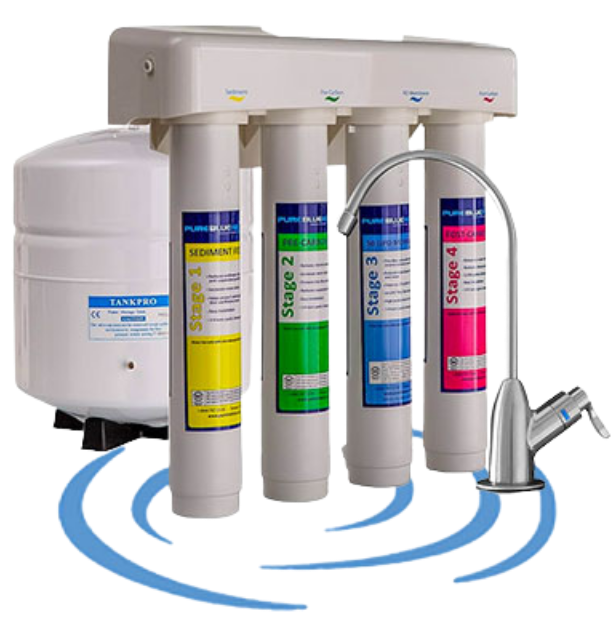
Under-sink water filters offer better performance and longer filter life. They install beneath your kitchen sink and connect to your cold water line, delivering filtered water through either your existing faucet or a separate dedicated tap. The most common types are multi-stage carbon filters and reverse osmosis systems. Carbon filters are great for chlorine, taste, odor, and some contaminants. Reverse osmosis goes further, removing heavy metals, fluoride, nitrates, and other dissolved solids. The trade-off with reverse osmosis is that it’s slower and wastes some water during the filtration process—typically three to five gallons of wastewater for every gallon of filtered water produced.
Both options are ideal if you’re primarily concerned with drinking and cooking water and your home’s overall water quality is acceptable. They’re also good for renters or anyone who doesn’t want to invest in a permanent whole house system. But they won’t help with hard water, won’t protect your appliances, and won’t improve the water you use for showering or laundry. If those are concerns, you’re better off with a point-of-entry system that treats all the water coming into your home.
The key is being honest about what you’re trying to solve. If it’s just taste and you’re on city water that’s otherwise safe, a faucet or under-sink filter makes sense. If you’re seeing stains, buildup, odors, or you’re on well water, you need something more comprehensive.
What to Expect: Installation, Maintenance, and Long-Term Costs
Understanding the real cost of a water filtration system means looking beyond the sticker price. Installation, filter replacements, and ongoing maintenance all add up, and they vary significantly depending on the type of system you choose.
Whole house water filters typically require professional installation. You’re tying into your main water line, which means shutting off water to your home, cutting into plumbing, and making sure everything is sized and installed correctly. Expect to pay a few thousand dollars for the system and installation combined, though that varies based on your home’s plumbing, the complexity of the system, and what contaminants you’re treating. Once it’s in, maintenance is usually straightforward—filter replacements every six months to a year, depending on your water quality and usage. Some systems use media tanks that last several years before needing a refill or replacement.
Under-sink filters are simpler. Many homeowners can install them without professional help, though it does involve some basic plumbing work like connecting to your cold water line and possibly drilling a hole in your countertop for a dedicated faucet. Costs range from a couple hundred dollars for a basic carbon filter to around $500 or more for a reverse osmosis system. Filter replacements are more frequent—every three to six months for most cartridges—and those costs add up over time. Budget $50 to $100 or more per year depending on the system.
Faucet filters are the cheapest up front, but they also have the shortest filter life. You’ll replace the cartridge every two to three months, and at $15 to $30 per filter, that’s $60 to $120 annually. It’s still cheaper than buying bottled water, but it’s more maintenance than you might expect.
One thing people overlook is the cost of not filtering your water. Hard water shortens the life of your water heater, dishwasher, and washing machine. Chlorine and other chemicals can damage plumbing over time. Iron and sulfur cause stains that require expensive cleaning or replacement of fixtures. When you factor in those hidden costs—plus the convenience and health benefits of clean water throughout your home—a whole house system often pays for itself faster than you’d think.
Finding the Right Water Filtration System for Your Lake County Home
The right water filtration system depends on your water source, the contaminants you’re dealing with, and what you’re trying to protect. If you’re on well water or dealing with multiple issues like hard water, chlorine, iron, or sulfur, a whole house water filter is the most effective solution. If you just want better-tasting drinking water and your overall water quality is fine, an under-sink or faucet water filter might be all you need.
Start by testing your water. Know what you’re up against. Then talk to someone who understands Florida’s unique water challenges and can recommend a system that’s actually built for what you’re dealing with—not just what’s easiest to sell. We specialize in whole house purification and filtration systems designed specifically for Lake County homeowners, with a focus on quality, service, and results that last.
You don’t have to settle for water that smells, tastes off, or damages your home. The right system makes a difference you’ll notice every single day.