Summary:
You’ve noticed the chlorine smell when you shower. The white buildup around faucets. Maybe your skin feels dry, or your water just doesn’t taste right. You’re not imagining it—Florida’s water has real issues, and a pitcher filter isn’t going to cut it. The best whole home water filtration system for your Marion County home isn’t the one with the flashiest marketing or the longest list of features. It’s the one that actually removes what’s in your water, fits your home’s flow requirements, and comes with reliable service when you need it. Let’s talk about what that looks like.
Best Home Water Filtration Starts with Testing Your Water
Before you spend a dollar on any whole home water filtration system, you need to know what you’re dealing with. Marion County water varies dramatically depending on whether you’re on municipal supply or a private well, and even within the same neighborhood, water quality can differ.
Testing isn’t optional. It’s the only way to know if you’re fighting chlorine and chloramines from city treatment, hard water minerals that are wrecking your appliances, or well water issues like iron staining and sulfur smell. Without testing, you’re guessing. And guessing means you might install a system that doesn’t address your actual problems.
Free water tests exist, but they’re usually basic. A comprehensive lab test costs money but tells you exactly what contaminants you’re dealing with and at what levels. That information determines whether you need a water filtration system, carbon filtration, a water softener, reverse osmosis, or a combination of systems working together.
Best Water Filtration System for Home Based on Your Contaminants
Carbon filtration excels at removing chlorine, volatile organic compounds, and improving taste and odor. If your main complaint is that chemical smell or taste from municipal treatment, a quality carbon system handles it. These systems use activated carbon media—usually coconut shell carbon—that traps contaminants as water flows through.
The catch? Carbon doesn’t remove dissolved minerals. It won’t help with hard water. It’s not designed for heavy metals at high concentrations. And if your water has bacteria or viruses, carbon alone won’t protect you.
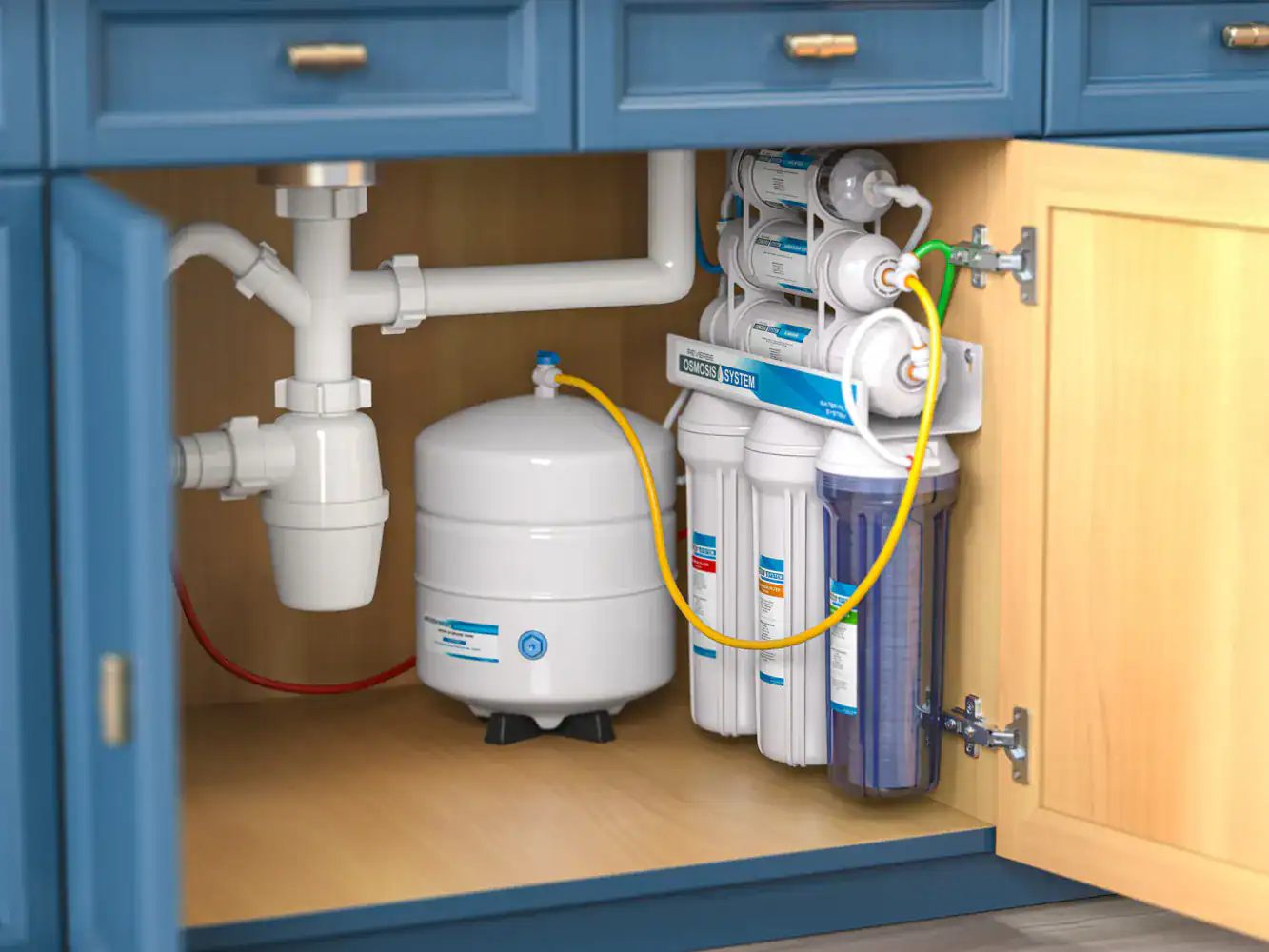
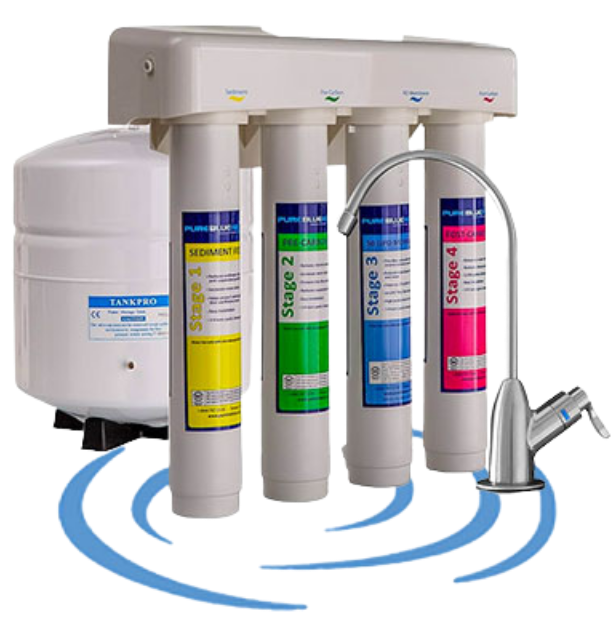
Reverse osmosis systems are the heavy hitters for home water filtration. They remove up to 97% of dissolved solids, including heavy metals, salts, and even some emerging contaminants. But whole-house RO systems are expensive, produce wastewater, and often require pre-treatment to protect the membranes. For most Florida homes, RO makes more sense at a single point of use—like under your kitchen sink—rather than treating every gallon that enters your house.
Water softeners address hard water specifically. They remove calcium and magnesium through ion exchange, preventing scale buildup in pipes and appliances. Florida’s water is notoriously hard, so many homes need softening in addition to filtration. A softener protects your water heater, dishwasher, and plumbing. It makes soap work better. But it doesn’t remove chlorine or other chemical contaminants.
UV purification kills bacteria, viruses, and other microorganisms using ultraviolet light. It’s critical for well water where biological contamination is a concern. But UV doesn’t remove chemicals, sediment, or minerals. It’s a specialized tool that works best as part of a multi-stage system.
The best water filtration system for home use in Florida often combines technologies. A typical setup might include sediment pre-filtration to catch particles, carbon filtration for chlorine and chemicals, water softening for minerals, and possibly UV for well water disinfection. Each stage handles what the others can’t.
How Whole Home Water Filtration Systems Work
A whole house filtration system installs at your home’s point of entry—where the main water line comes into your house, after the meter but before it branches to different fixtures. This means every drop of water gets treated. Your drinking water, shower water, washing machine, dishwasher, outdoor hose—everything.
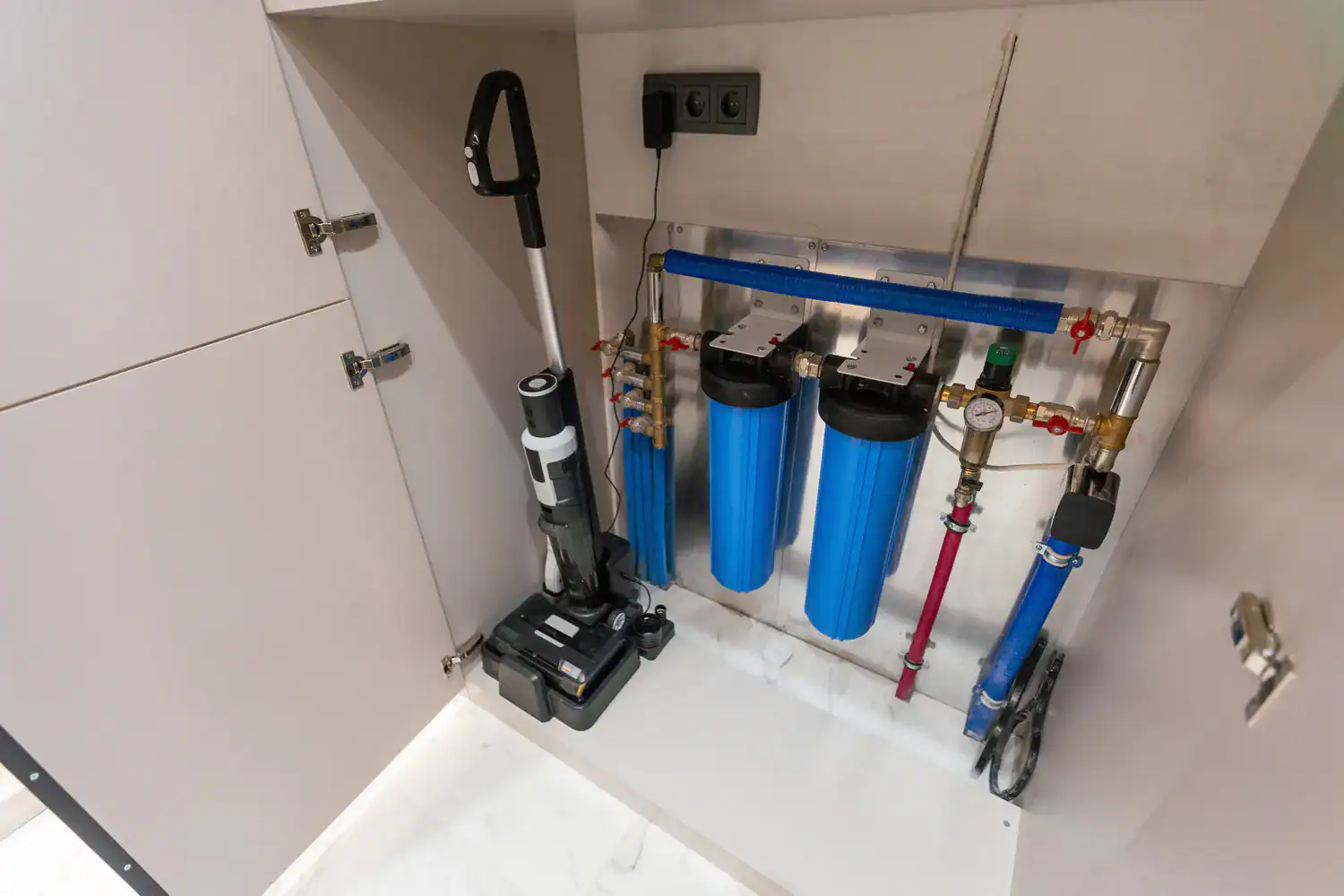
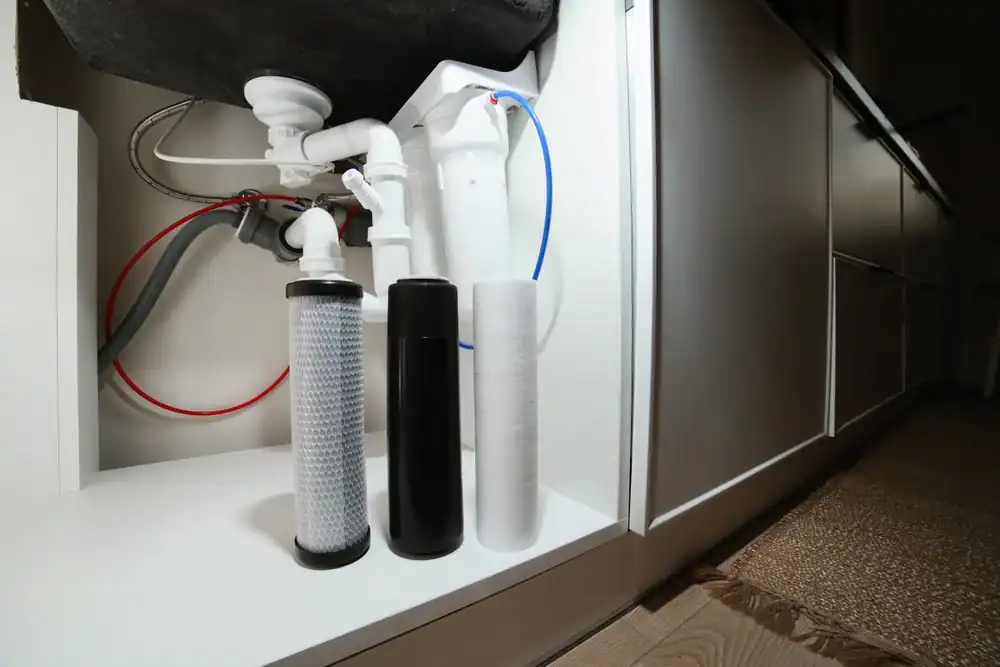
The system typically starts with a sediment pre-filter. This catches larger particles like sand, silt, rust, and dirt. It protects the more expensive filtration media downstream and prevents clogging. Sediment filters are rated by micron size—usually 5 to 20 microns. Smaller numbers catch finer particles but may reduce flow if your water is particularly dirty.
Next comes the main filtration stage. In a carbon system, water flows through a tank filled with activated carbon media. The carbon’s porous structure traps chlorine, organic chemicals, and compounds that affect taste and odor. Quality systems use catalytic carbon that also reduces chloramines—a chlorine alternative many Florida municipalities use because it’s more stable in warm climates.
Some systems add a KDF (Kinetic Degradation Fluxion) media stage. KDF is a copper-zinc formulation that removes heavy metals, controls bacteria growth in the filter, and extends carbon life. It’s particularly useful in Florida where warm water temperatures can promote bacterial growth in filtration media.
Flow rate matters enormously. An undersized system creates pressure drops that affect your shower, dishwasher, and washing machine. A properly sized whole house system for a typical 3-4 bathroom home should maintain at least 10-15 gallons per minute without significant pressure loss. Larger homes or those with irrigation systems need higher flow rates.
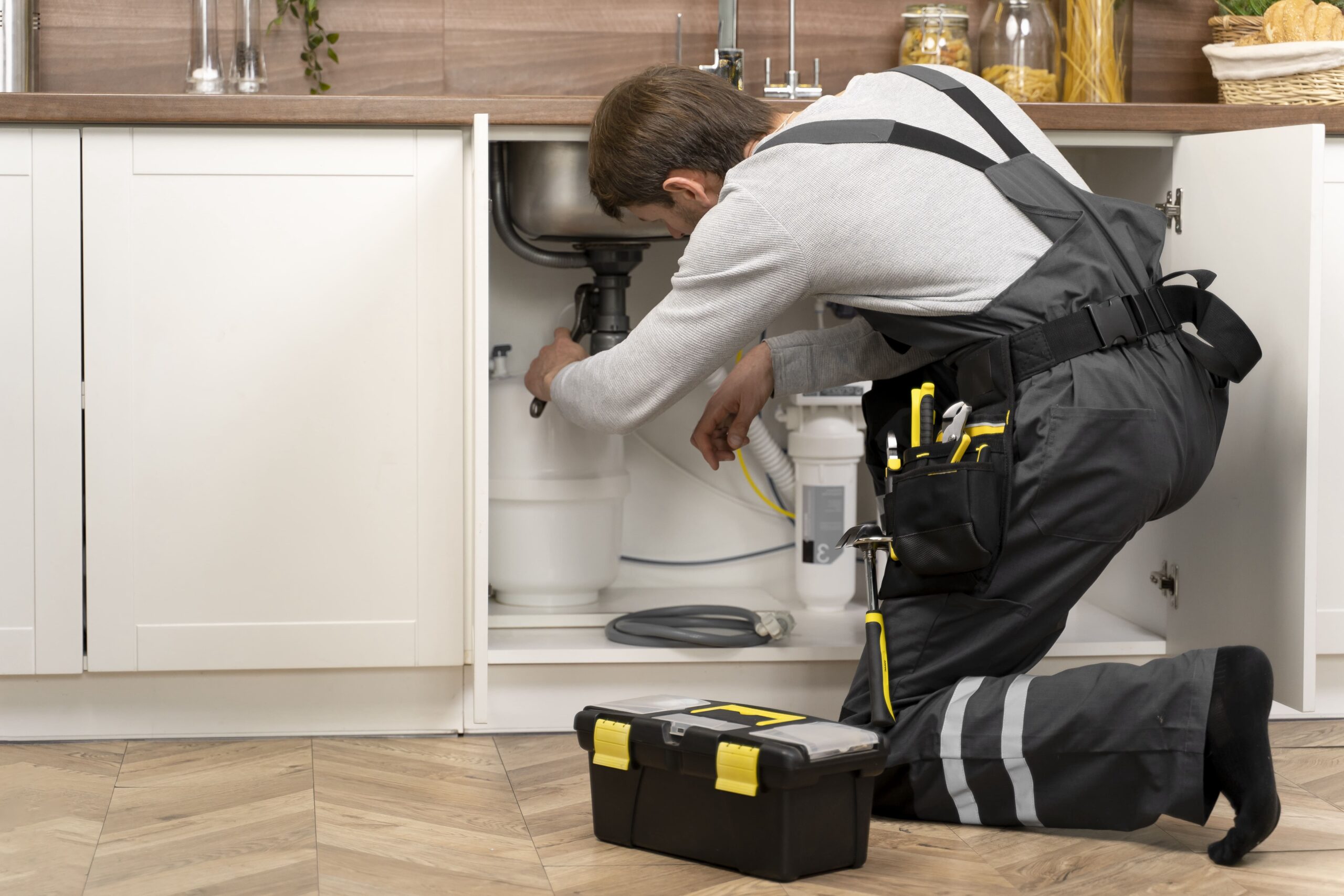
Installation requires plumbing knowledge. You’re cutting into the main water line, installing bypass valves, and ensuring proper drainage for backwashing systems. Most homeowners hire professionals. The installation cost varies based on how accessible your main line is and whether you need electrical work for systems with automatic backwash cycles.
Maintenance is straightforward but necessary. Sediment pre-filters need changing every 3-6 months depending on your water quality. Carbon media in tank-based systems lasts 5-10 years. Cartridge-style systems need more frequent filter changes—every 6-12 months. Ignoring maintenance means reduced performance and potentially bacteria growth in the filter media.

Whole House Filtration System Types for Florida Water
Not all whole house filtration systems are created equal, and Florida’s water conditions demand specific capabilities. Tank-based systems with high-capacity carbon media work well for municipal water with chlorine and chemical treatment. These systems typically handle 1,000,000 gallons or more before media replacement.
Cartridge-style systems use replaceable filter cartridges in housing units. They’re less expensive upfront but have higher ongoing costs due to frequent filter changes. They work for lighter contamination but struggle with high sediment loads common in some Florida areas. Flow rates are often lower—sometimes only 5-7 gallons per minute—which may not be adequate for larger homes.
Multi-stage systems combine different filtration technologies in sequence. A common Florida setup includes sediment filtration, carbon filtration for chemicals, and salt-free water conditioning to reduce scale without adding sodium. These systems address multiple problems but cost more and take up more space.
Full House Water Filter Sizing and Flow Requirements
Undersized filtration systems are one of the most common mistakes homeowners make. You save money upfront but end up with weak water pressure that makes showers frustrating and appliances underperform. Getting the sizing right matters.
Flow rate requirements depend on your home’s size and simultaneous water use. A 1-2 bathroom home typically needs 6-9 gallons per minute. A 3-4 bathroom home needs 10-15 GPM. Larger homes with 5+ bathrooms or those with irrigation systems may need 20+ GPM. These aren’t just numbers—they determine whether you can run the dishwasher and take a shower at the same time without pressure loss.
Pipe size also factors in. Most homes have either 3/4-inch or 1-inch main water lines. Your filtration system needs to match or you’ll create a bottleneck. Some systems come in multiple sizes with different flow rates. The larger units cost more but maintain pressure better.
Media capacity determines how long your system lasts before needing service. A system rated for 600,000 gallons might sound like a lot, but for a family of four using 300 gallons per day, that’s only about 5.5 years. Higher capacity systems cost more initially but reduce the frequency and cost of media replacement.
Backwashing systems automatically clean the filter media by reversing water flow and flushing accumulated contaminants to a drain. This extends media life and maintains performance. But backwashing requires a drain connection and uses water—typically 50-150 gallons per backwash cycle. If you’re on a septic system or paying for water and sewer, factor those costs in.
Pressure drop is inevitable with any filtration system, but it should be minimal. A well-designed full house water filter creates 5 PSI or less pressure drop at normal flow rates. Cheap systems or undersized units can drop pressure by 15-20 PSI, which you’ll definitely notice. If your home already has marginal pressure, this becomes a real problem.
Choosing the Best Whole Home Water Filtration Company
Certifications matter, but they’re often misunderstood. NSF/ANSI certification standards verify that a system does what it claims. Standard 42 covers aesthetic effects like chlorine reduction and taste improvement. Standard 53 covers health effects like lead and VOC removal. Standard 401 addresses emerging contaminants including some PFAS compounds.
Here’s the catch: many companies claim “NSF certified components” which only means individual parts meet standards, not that the complete system has been tested and certified as a whole. Ask specifically whether the entire system carries certification for the contaminants you need removed.
Water testing should be free and comprehensive. Any reputable company offers this before recommending a system. Be wary of companies that try to sell you a system without testing your water first. They’re guessing at your needs, and you’ll likely end up with the wrong solution.
Installation quality varies wildly. The best equipment poorly installed performs worse than average equipment installed correctly. Ask about the installer’s experience, whether they’re employees or subcontractors, and what the installation includes. You want bypass valves, pressure gauges, and proper drainage—not the bare minimum to get water flowing.
Service after the sale separates good companies from bad ones. Who handles maintenance? Can you get replacement parts? What happens if something breaks? Companies that sell and disappear leave you stuck with an expensive system you can’t maintain. Look for established local businesses with track records, not fly-by-night operations or online-only retailers.
Warranty coverage tells you what the company really believes about their product. Lifetime warranties on tanks are common. But what about the control valves, media, and other components? A 90-day warranty suggests the company doesn’t expect their product to last. A 5-10 year warranty on major components indicates confidence.
Financing options make whole house systems accessible without depleting savings. Quality companies offer payment plans with low monthly payments that spread the cost over time. But read the terms carefully. Some financing carries high interest rates that significantly increase the total cost.
The cheapest option usually isn’t the best value. A $600 system from a big box store might seem attractive compared to a $2,500 professionally installed system. But if the cheap system doesn’t remove your contaminants, clogs constantly, kills your water pressure, or breaks in two years, you’ve wasted $600 plus the cost of the proper system you’ll eventually need anyway.
Finding the Best Whole Home Water Filtration in Marion County, FL
The best whole home water filtration system for your Marion County home is the one that matches your specific water quality issues, fits your home’s flow requirements, and comes from a company that’ll be there when you need service. It’s not about the most expensive system or the one with the most stages. It’s about solving your actual problems.
Start with professional water testing. Know what you’re dealing with before anyone tries to sell you anything. Then match the technology to your needs—carbon for chemicals, softening for minerals, UV for biological contamination. Make sure the system is properly sized for your home’s flow requirements, not undersized to save money.
Work with established companies that have track records, proper certifications, and service capabilities. The equipment is only as good as the installation and the support behind it. At Quality Safe Water of Florida LLC, we bring over 50 years of experience with A-rated BBB standing and zero complaints. Our WQA-certified professionals design custom systems based on actual water analysis, install USA-made equipment, and provide ongoing service for all major brands including Culligan, Kinetico, and others—with financing available and a $500 discount for military and first responders.