Summary:
You’ve probably heard that reverse osmosis is one of the most effective ways to purify drinking water. But when you start looking at actual systems, the options get confusing fast. Countertop models, under-sink units, whole-house setups—each claiming to be the best. Different GPD ratings, membrane types, filtration stages. It’s a lot to sort through, especially when you’re just trying to get cleaner water for your family.
Here’s what actually matters. We’ll walk through the main types of reverse osmosis machines available, how the technology works behind the scenes, and the features that make a real difference in performance and maintenance. By the end, you’ll know which type fits your situation and what to look for when comparing systems.
How Reverse Osmosis Machines Work
A reverse osmosis machine doesn’t just filter water—it purifies it at a molecular level. The process forces water through a semi-permeable membrane with pores measuring 0.0001 microns. That’s small enough to block contaminants like lead, arsenic, fluoride, bacteria, viruses, and dissolved solids while allowing clean water molecules to pass through.
Think of it as an extremely selective screen. Your tap water enters under pressure, typically between 40 and 60 PSI. Pre-filters remove larger particles and chlorine that could damage the membrane. Then the RO membrane does the heavy lifting, separating contaminants from clean water. Those impurities get flushed down the drain while purified water moves to a storage tank or directly to your faucet.
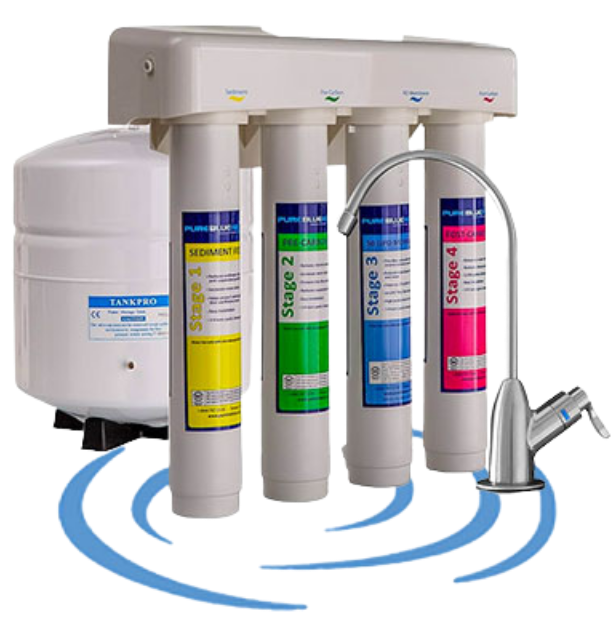
Most systems include multiple stages—usually between four and seven. Each stage targets specific contaminants. Carbon filters handle chlorine and organic compounds. Sediment filters catch rust and particles. Post-filters polish the taste. Some systems add remineralization stages to restore beneficial minerals that RO removes. The result is water that’s 95 to 99% free of contaminants, which is why RO technology is used by bottled water companies and recommended by water quality experts.
Countertop Reverse Osmosis Systems
Countertop reverse osmosis machines sit on your kitchen counter and either connect temporarily to your faucet or operate as refillable units. They’re the most portable option and require zero permanent installation. You can set one up in minutes, and if you move, it moves with you.
The trade-off is capacity. Most countertop units produce between 50 and 100 gallons per day, which works fine for singles or small households focused mainly on drinking water. You’ll fill a reservoir or connect a hose to your faucet, and the system filters water into a holding tank or carafe. Filtration takes time—usually 10 to 20 minutes to process a full tank—so you can’t just turn on a tap and get instant filtered water like you would with an under-sink system.
These systems make sense if you’re renting and can’t modify plumbing. They’re also good for people who want to try RO technology without committing to a permanent installation. The upfront cost tends to be lower than built-in systems, typically ranging from $150 to $400. But the convenience factor is limited. You’re manually refilling or reconnecting the unit, and if you have a larger family or use a lot of water for cooking, you might find yourself waiting frequently for the system to catch up.
Some countertop models now include features like UV sterilization, remineralization filters, and even hot/cold water dispensing. These upgrades push the price higher but add functionality. Just keep in mind that countertop systems take up space on your counter, which might be an issue in smaller kitchens. And while they’re portable, they’re not exactly small—most are about the size of a coffee maker.
Under-Sink Reverse Osmosis Systems
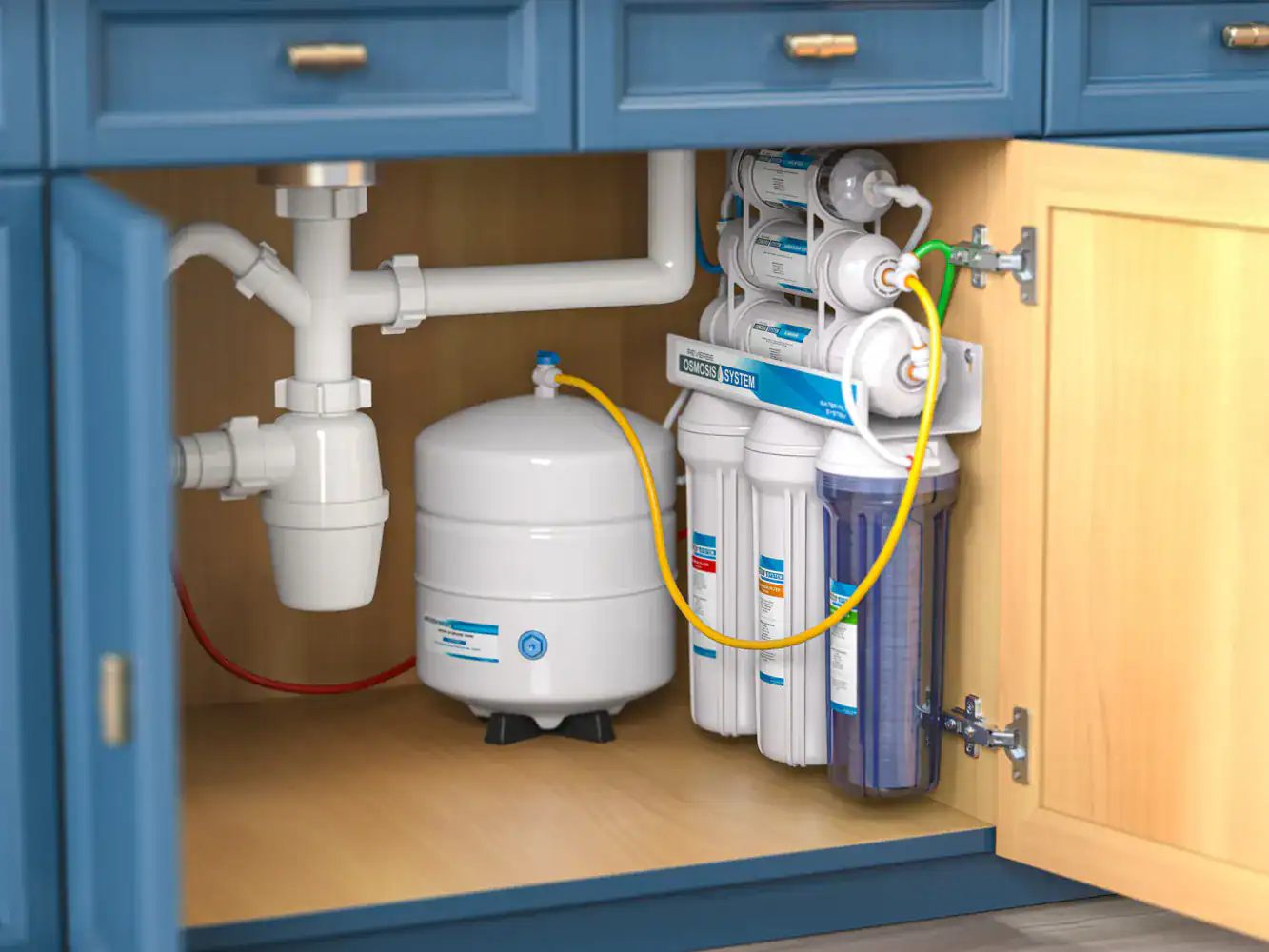
Under-sink systems are the most popular type of reverse osmosis machine for residential use, and for good reason. They install beneath your kitchen sink, connect directly to your cold water line, and provide filtered water through a dedicated faucet on your countertop. Once installed, you get purified water on demand without refilling anything or sacrificing counter space.
These systems typically produce between 50 and 800 gallons per day depending on the model. Traditional tank-based units store filtered water in a pressurized tank under your sink, giving you quick access even when the system isn’t actively filtering. Newer tankless models filter water on demand and take up less space, though they require higher GPD ratings to maintain decent flow rates. A 400 GPD tankless system can fill a glass in about 12 seconds, which matches the convenience of tank-based systems without the storage footprint.
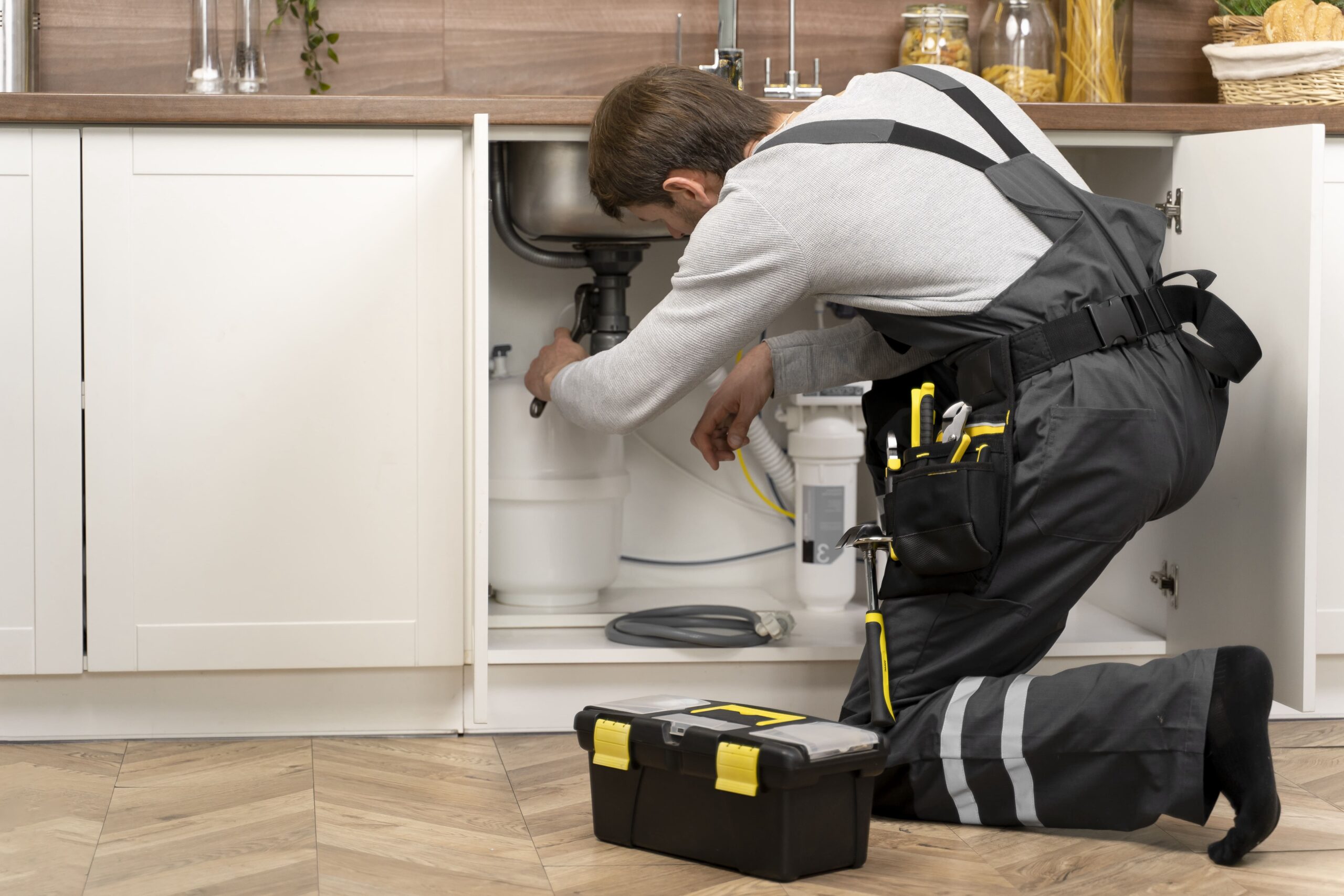
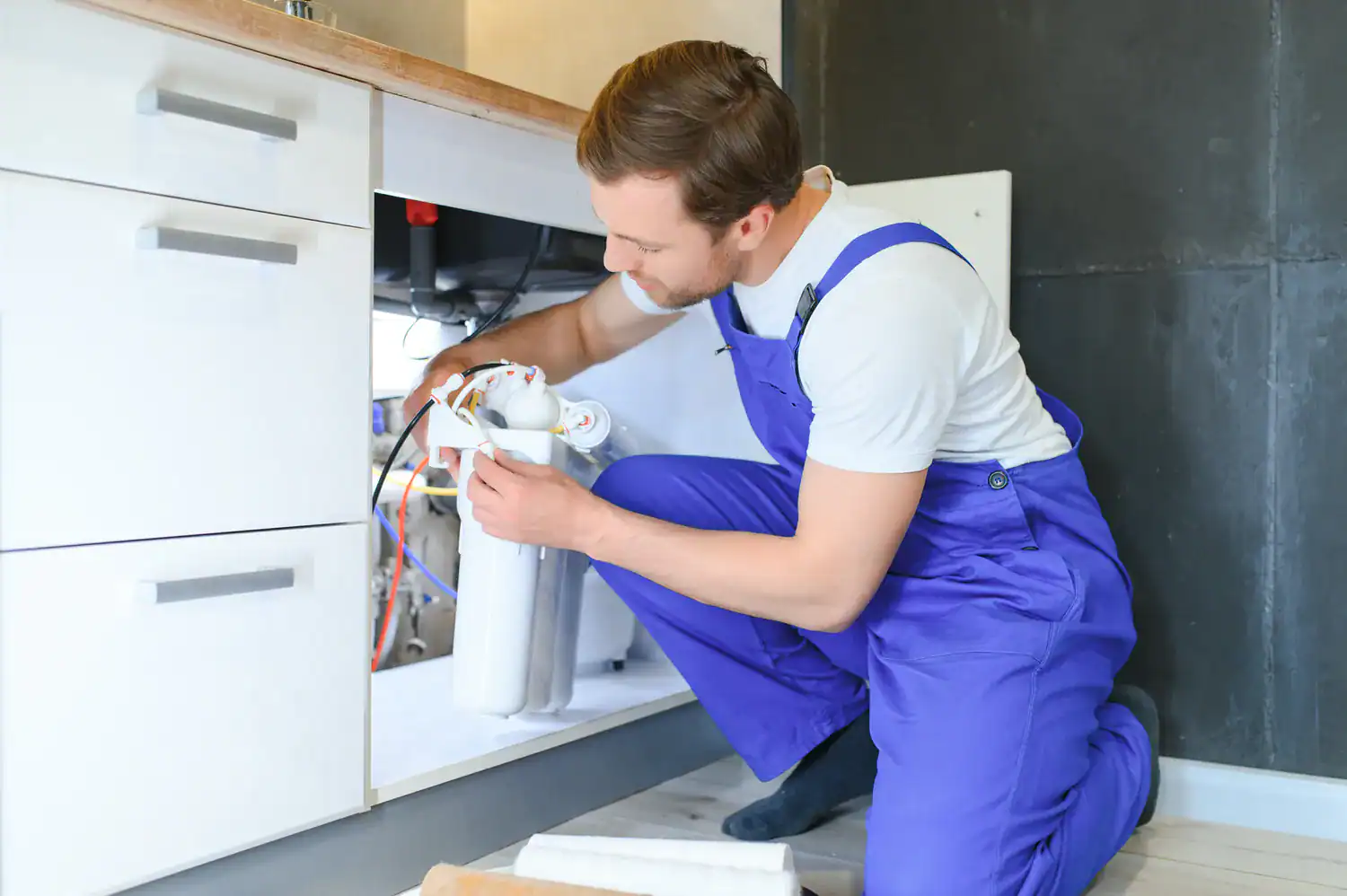
Installation is more involved than countertop units but still manageable for many homeowners. You’ll need to drill a hole in your sink or countertop for the faucet (unless you use an existing sprayer hole), connect the system to your cold water line, and run a drain line for wastewater. Most people can handle this as a DIY project if they’re comfortable with basic plumbing. Professional installation ensures everything is sized correctly and eliminates potential issues with water pressure or improper connections.
The upfront cost for under-sink systems ranges from $200 to over $1,000 depending on features. Higher-end models include smart monitoring, filter life indicators, remineralization stages, and more efficient waste-water ratios. You’re looking at filter replacements every 6 to 12 months for pre and post-filters, and membrane replacements every 18 to 36 months. That ongoing maintenance is straightforward—most modern systems use twist-and-lock filters that take seconds to change without tools.
Under-sink systems only treat water at one location, usually your kitchen sink. If you want filtered water from other faucets, you’d need additional systems or a different approach. But for most families, having purified water where you drink and cook covers the majority of needs. You can also connect these systems to your refrigerator’s ice maker and water dispenser with an adapter kit, which eliminates the need for separate refrigerator filters.
Whole House Reverse Osmosis Systems
Whole house reverse osmosis systems treat all the water entering your home at the main line, before it reaches any faucet, shower, or appliance. This is point-of-entry filtration, and it’s the most comprehensive approach to water treatment. Every tap in your house delivers purified water—kitchen, bathrooms, laundry, outdoor spigots, everything.
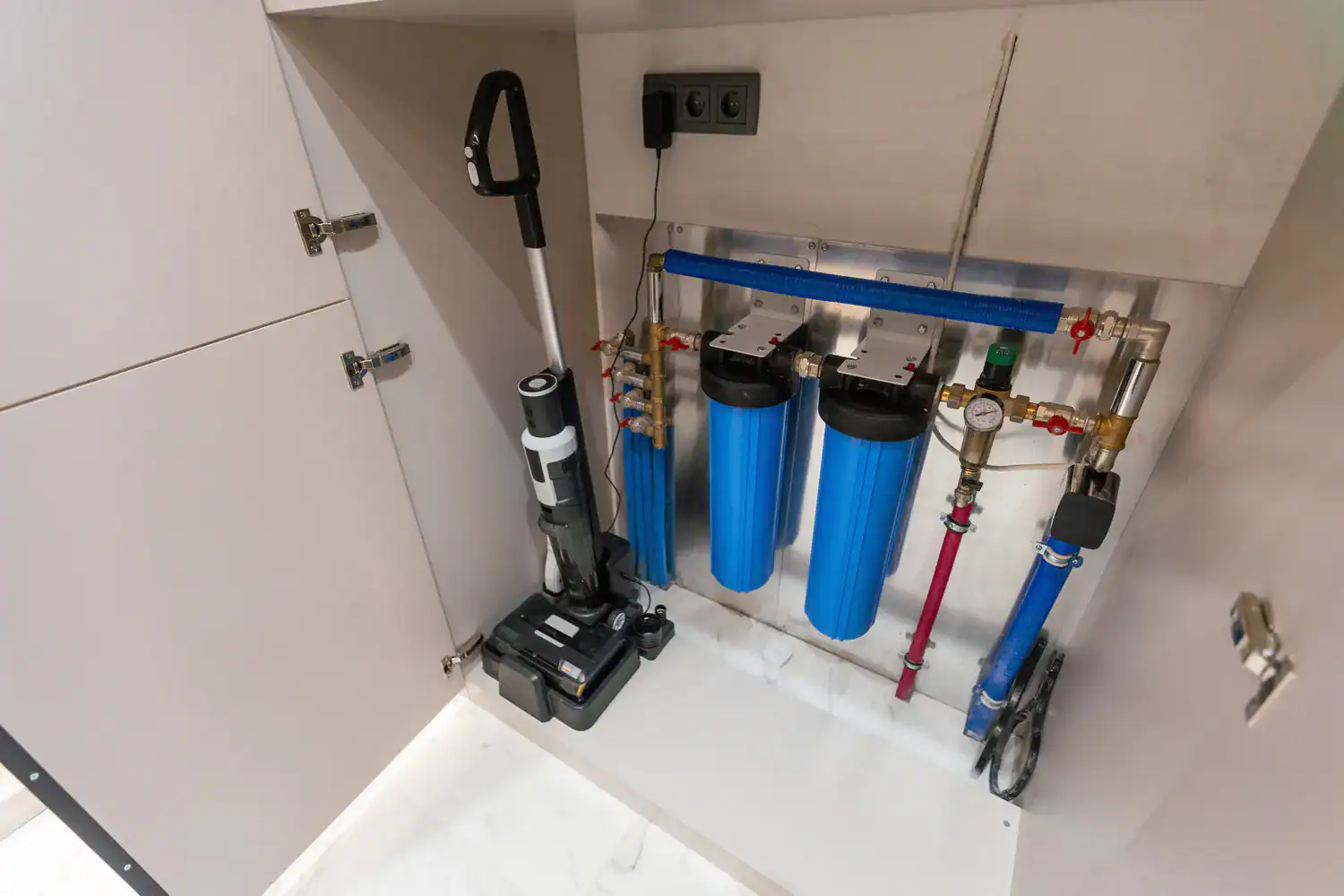
These systems are significantly larger and more complex than under-sink or countertop units. They typically produce between 300 and 7,000 gallons per day depending on household size and water demand. Installation requires professional expertise, dedicated space for equipment and storage tanks, and often permits depending on local codes. The upfront investment is substantial, usually starting around $2,000 and reaching $5,000 or more for higher-capacity systems.
Whole house RO makes sense in specific situations. If your water source has serious contamination issues—high levels of nitrates, arsenic, PFAS, or other persistent contaminants that affect more than just drinking water—treating everything at the source protects your entire household. It’s also valuable for people with compromised immune systems or specific health concerns where even bathing and washing in contaminated water poses risks. In Marion County, FL, where many homeowners rely on private wells and the area has experienced water shortage declarations and drought conditions, whole house systems sometimes become necessary rather than optional for families dealing with significant water quality challenges.
Key Features That Impact Performance
When you’re comparing reverse osmosis machines, certain features directly affect how well the system performs and how much maintenance it requires. Understanding these helps you focus on what actually matters rather than getting distracted by marketing claims.
GPD rating tells you the system’s daily production capacity, but actual output depends on your water pressure and temperature. A 50 GPD system might only produce 35 to 40 gallons per day if your home has low water pressure or cold winter water. Higher GPD ratings mean faster filtration, which matters more if you have a larger household or use a lot of water. For most families, a 75 to 100 GPD under-sink system provides adequate supply. If you’re considering a tankless system, you’ll want at least 400 GPD to maintain reasonable flow rates.
Membrane quality makes a huge difference in contaminant removal and longevity. Look for systems using membranes from established manufacturers like Dow, Toray, or similar reputable sources. Cheaper membranes from unknown manufacturers might save money upfront but often fail sooner and don’t filter as effectively. The membrane is the heart of the system—it’s worth investing in quality here. NSF or WQA certified systems provide independent verification that the membrane actually removes the contaminants it claims to target.
Number of filtration stages typically ranges from four to seven. More stages aren’t automatically better, but they do allow for more targeted filtration. A basic four-stage system includes sediment pre-filter, carbon pre-filter, RO membrane, and carbon post-filter. Additional stages might add extra carbon filtration, UV sterilization for bacteria and viruses, or remineralization to restore minerals like calcium and magnesium. Match the stages to your specific water quality issues rather than just assuming more is better.
Waste water ratio indicates efficiency. Older RO systems waste three to four gallons for every gallon of purified water produced—a 3:1 or 4:1 ratio. Modern efficient systems achieve 1:1 or 2:1 ratios, which conserves water and reduces operating costs. This matters more in areas with water restrictions or high water bills. Marion County, FL has experienced drought conditions and water shortage declarations, making efficiency a practical consideration for local homeowners.
Tank versus tankless design affects both performance and space requirements. Tank-based systems store filtered water so it’s immediately available when you open the faucet. Tanks take up space under your sink but provide consistent pressure and flow. Tankless systems filter on demand, require no storage space, and eliminate concerns about water sitting in a tank. They need higher GPD ratings to maintain flow rates and typically cost more upfront. A TDS meter can help you verify that either type is removing contaminants effectively—you’re looking for output readings below 50 ppm for quality RO water.
Maintenance Requirements and System Lifespan
Every reverse osmosis machine requires regular maintenance to keep performing at its best. The good news is that maintenance is straightforward and doesn’t require special skills. The frequency depends on your water quality and usage, but most systems follow similar schedules.
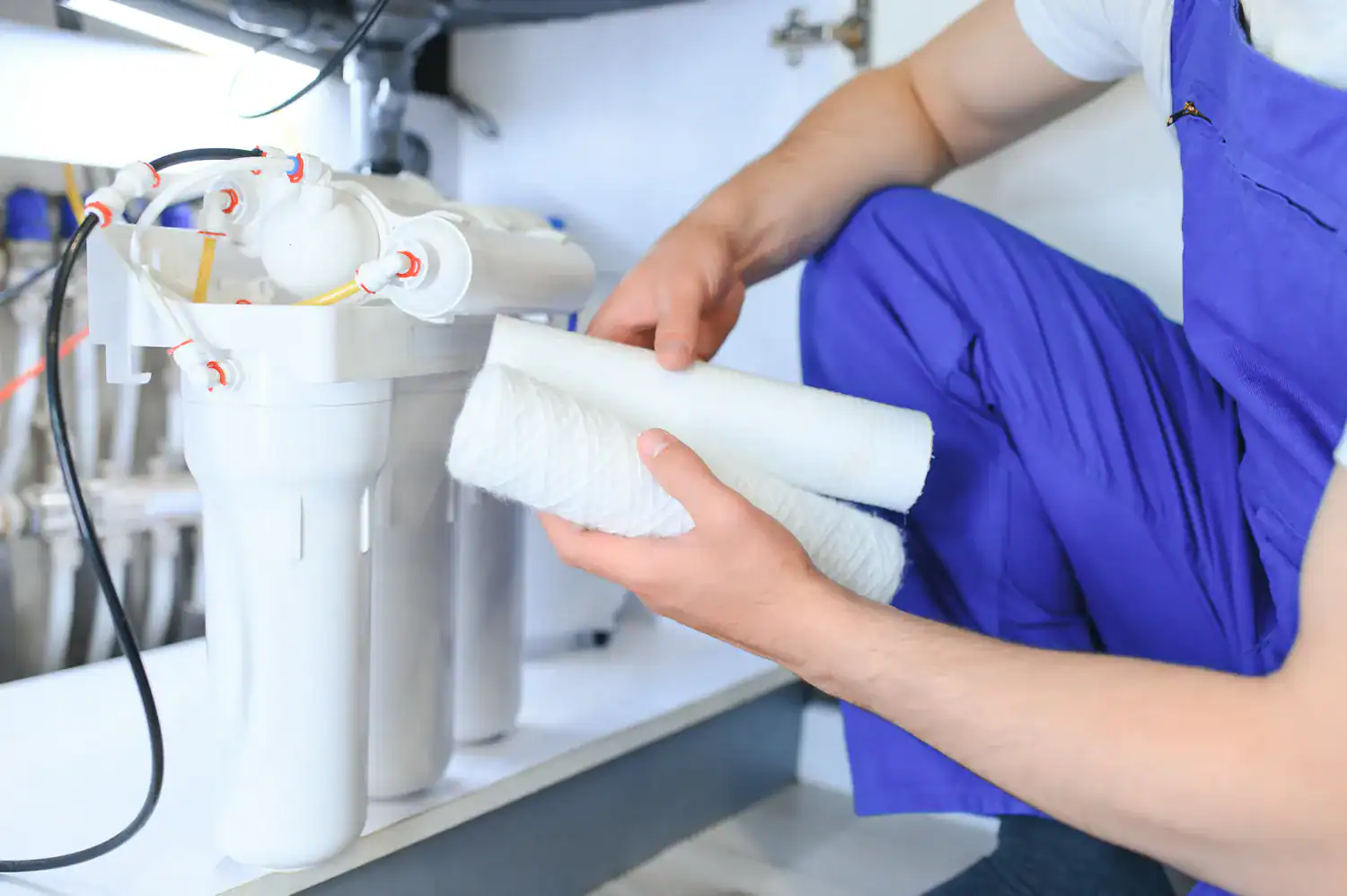
Pre-filters need replacement every 6 to 12 months. These catch sediment, chlorine, and larger particles before water reaches the RO membrane. If your water has high sediment or chlorine levels—common in Marion County municipal supplies or well water with iron content—you might need to change these more frequently. Many systems now include filter life indicators or smart monitoring that alerts you when it’s time for replacement. Ignoring pre-filter changes reduces membrane life and system efficiency.
The RO membrane itself lasts 18 to 36 months in most residential applications. Some high-quality membranes can go longer—up to four years—if pre-filters are changed regularly and water quality is good. When membrane performance drops, you’ll notice slower flow rates or higher TDS readings in your filtered water. Testing your output water with a TDS meter helps you catch membrane degradation before it becomes a problem. Quality membranes from USA-made systems typically last longer than cheap imports.
Post-filters typically last 6 to 12 months. These provide final polishing and improve taste. They’re quick to replace and inexpensive compared to membranes. Some systems combine multiple filter stages into single cartridges that twist and lock into place without tools. This makes maintenance faster but means replacing more material at once.
System lifespan depends heavily on maintenance and water quality. A well-maintained under-sink system can last 10 to 15 years. Whole house systems built with commercial-grade components can run 15 to 20 years. The key is staying on top of filter changes and addressing any performance issues promptly. Neglecting maintenance doesn’t just reduce water quality—it can damage the membrane and other components, leading to costly repairs or early replacement.
Professional maintenance and installation matter more than many people realize. While DIY is possible for under-sink systems, professional installation ensures proper sizing for your water conditions, optimal pressure settings, and correct drain line configuration. This prevents common issues like slow flow rates, excessive waste water, or inadequate contaminant removal. Working with WQA certified technicians means understanding how to match systems to specific water quality challenges, which is especially important in areas like Marion County, FL where water sources vary significantly between municipal supplies and private wells. We can also test your water for specific contaminants like PFAS, lead, or bacteria to recommend the right filtration stages for your situation.
Choosing the Right Reverse Osmosis System for Your Home
The right reverse osmosis machine depends on your specific situation—your water quality, household size, budget, and whether you own or rent your home. Countertop systems work for renters and small households who want portability and low upfront costs. Under-sink systems provide the best balance of performance, convenience, and value for most homeowners. Whole house systems make sense when you’re dealing with serious contamination that affects all your water or when you want comprehensive protection throughout your home.
Focus on the features that impact daily performance: adequate GPD rating for your household, quality membrane from a reputable manufacturer, efficient waste water ratio, and easy filter replacement. Don’t get distracted by unnecessary bells and whistles that add cost without improving water quality. And remember that professional installation and ongoing maintenance protect your investment and ensure the system performs as designed.
If you’re in Marion County, FL and want help choosing the right system for your home’s specific water conditions, we have over 50 years of experience matching systems to local water challenges. Our WQA certified professionals can test your water, recommend appropriate solutions, and handle professional installation that ensures optimal performance from day one.