Summary:
You want clean water. Not just water that looks clear, but water you know is safe for your family to drink. The problem is figuring out which reverse osmosis system actually delivers on that promise and which one is just expensive plumbing that doesn’t match your water’s real problems. The truth is, the best reverse osmosis water filter for your home isn’t the one with the most stages or the highest price tag. It’s the one that removes the specific contaminants in your water and fits how your household actually uses water. This guide breaks down what matters when choosing an RO system, starting with the step most people skip: testing your water first.
What Makes Reverse Osmosis the Best Water Filter Technology
Reverse osmosis stands apart from every other home filtration method because of what it can remove. We’re not talking about improving taste or reducing chlorine smell. RO systems remove contaminants that other filters let pass right through, including PFAS forever chemicals, lead, arsenic, nitrates, fluoride, and microplastics.
The technology works by forcing water through a semi-permeable membrane with pores around 0.0001 microns. That’s small enough to block dissolved contaminants at the molecular level. Standard carbon filters and pitcher systems can’t touch these substances because they’re designed for larger particles and taste issues, not dissolved solids or heavy metals.
For families in Marion County, FL dealing with well water or concerned about what’s coming through municipal lines, RO provides the most comprehensive protection available for drinking water.
How Does a Reverse Osmosis Water Filter Work
Understanding how an RO water filter works helps you see why it’s so effective. Most quality systems use multiple stages, not because more is always better, but because each stage has a specific job.
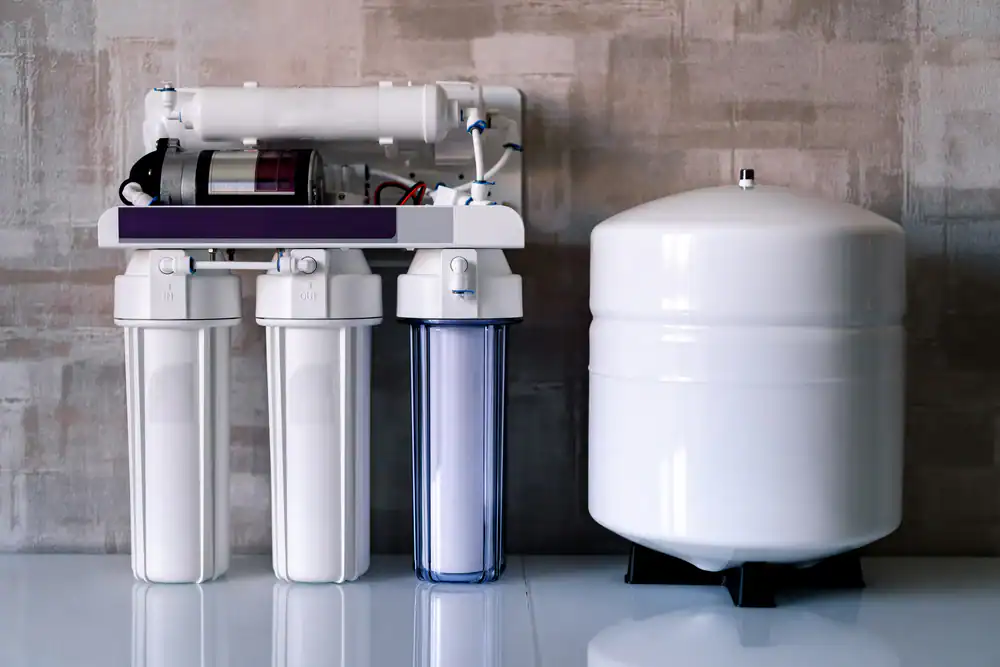
First, a sediment filter catches larger particles like sand, rust, and silt. This protects the more delicate components downstream. Next, a carbon pre-filter removes chlorine and chemicals that could damage the RO membrane itself. This stage also tackles taste and odor compounds.
Then comes the reverse osmosis membrane, where the real purification happens. Water is pushed through this ultra-fine barrier under pressure. Contaminants larger than water molecules get separated and flushed away. This includes lead, arsenic, nitrates, PFAS compounds, bacteria, viruses, and dissolved salts.
After the membrane, many systems include a post-filter or polishing stage. This ensures any tastes picked up from storage get removed before the water reaches your glass. Some reverse osmosis drinking water systems add a remineralization stage here, reintroducing calcium and magnesium for better taste and slightly alkaline pH.
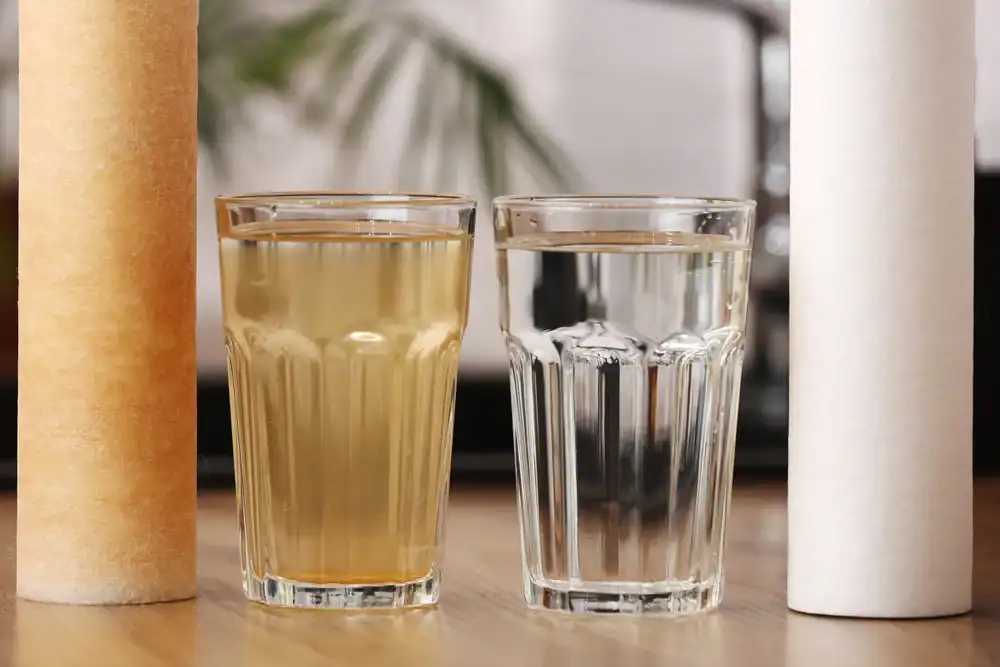
The multi-stage approach isn’t marketing fluff. Each component protects the next and handles contaminants that the others can’t. What sets RO apart is the membrane stage. That’s where dissolved contaminants get removed at rates between 95 and 99 percent. Carbon filters alone can’t achieve this level of reduction for heavy metals or PFAS. Neither can water softeners, which only address hardness minerals.
What Contaminants Does Reverse Osmosis Remove From Drinking Water
The list of what reverse osmosis removes is extensive, but some contaminants matter more than others depending on where you live. In Marion County, FL and throughout Florida, certain water quality issues come up repeatedly.
Lead removal is one of RO’s strongest capabilities. These systems can remove 97 to 99 percent of lead, which matters if you have older plumbing or fixtures. Lead doesn’t cause immediate symptoms, but long-term exposure affects children’s development and causes health problems in adults. Municipal water reports might show compliance, but lead can leach from pipes between the treatment plant and your tap.
PFAS, the so-called forever chemicals, have become a major concern across Florida. These compounds don’t break down naturally and have been linked to serious health issues. Reverse osmosis removes more than 90 percent of PFAS compounds, including both long-chain varieties like PFOA and PFOS and shorter-chain versions that other filters struggle with. In Florida, PFAS contamination has been found near military bases, airports, and industrial areas.
Nitrates are another issue, especially for well water in agricultural regions. Fertilizer runoff can contaminate groundwater. High nitrate levels pose immediate risks to infants and pregnant women. RO systems remove 95 percent or more of nitrates, while carbon filters and softeners don’t address them at all.
Florida’s porous limestone aquifers make contamination easier. Agricultural chemicals, industrial pollutants, and even bacteria can reach drinking water sources. The best reverse osmosis water filter provides a barrier against these threats. The membrane blocks viruses and bacteria due to their size, even though RO systems aren’t primarily marketed for microbial removal.
Hard water minerals like calcium and magnesium also get removed, though this is sometimes a side effect rather than the goal. Some people prefer the taste of remineralized water, which is why quality systems offer that option. Arsenic, fluoride, chromium, uranium, microplastics, dissolved salts, pesticides, herbicides, and pharmaceutical residues all get reduced by reverse osmosis.
Best RO System: How to Choose the Right Reverse Osmosis Filter
Choosing the best RO system starts with knowing what you’re trying to remove. That means testing your water before you shop. City water reports tell part of the story, but they reflect conditions at the treatment plant, not at your tap. Well water in Marion County, FL varies house to house and changes over time.
A professional water test identifies the specific contaminants in your water and their concentrations. This prevents buying a water filtration system that doesn’t match your actual problems. It also prevents overpaying for features you don’t need. Testing first is the difference between solving your water issues and guessing.
Certifications and Performance Standards for RO Water Filters
Not all reverse osmosis systems perform equally, even if they look similar. Certifications from independent testing organizations tell you what a system actually removes, not just what the manufacturer claims.
NSF/ANSI Standard 58 is the key certification for RO systems. It verifies that a system reduces total dissolved solids and specific contaminants like lead, arsenic, and nitrates at guaranteed rates. Systems claiming NSF “tested” aren’t the same as NSF “certified.” Certified means an independent lab confirmed the performance and the manufacturer allows ongoing audits.
For PFAS removal, look for NSF/ANSI Standard 53 certification specifically listing PFOA and PFOS reduction. Some systems add specialized carbon blocks or ion exchange stages to target forever chemicals. The certification proves it works.
WQA (Water Quality Association) Gold Seal is another credible certification. It indicates the system meets industry standards for safety and performance. Products with this seal have been independently verified by professionals who understand water treatment.
Manufacturer claims without third-party certification should raise questions. Independent testing costs money and requires transparency. Companies that skip it either haven’t proven their systems work or don’t want the scrutiny.
Capacity and flow rate matter for daily use. A system rated for 50 gallons per day might sound like plenty, but that’s under ideal conditions. Cold water, higher contaminant levels, and aging membranes all reduce output. For a family of four, consider systems rated for at least 75 to 100 gallons per day or look at tankless models that provide continuous flow.
Efficiency ratio affects water waste. Older RO systems waste three to four gallons for every gallon they purify. Modern systems achieve 1:1 or 2:1 ratios, which matters both for utility bills and environmental impact. In Marion County, FL, where drought conditions and water restrictions are ongoing concerns, efficiency isn’t just about cost.
Choosing Between Tank and Tankless Reverse Osmosis Systems
Reverse osmosis systems come in two main configurations: traditional tank-based and newer tankless designs. Understanding the difference helps you choose the best reverse osmosis water filter for your situation.
Tank-based systems store purified water in a pressurized tank, usually holding two to four gallons. The advantage is having filtered water ready instantly, even if you’re filling a large pot. The downside is the tank takes up cabinet space under your sink and water can pick up slight tastes from sitting in storage. That’s why post-filters matter.
Tankless RO systems purify water on demand. They’re more compact, eliminate storage taste issues, and often have better efficiency ratios. The trade-off is initial cost. Tankless systems typically run higher than traditional models. They also require adequate water pressure to maintain flow rates.
For most households, tank-based systems provide the best balance of performance and cost. They’ve been refined over decades and replacement parts are widely available. Tankless makes sense if cabinet space is tight or if you want the latest technology and don’t mind paying for it.
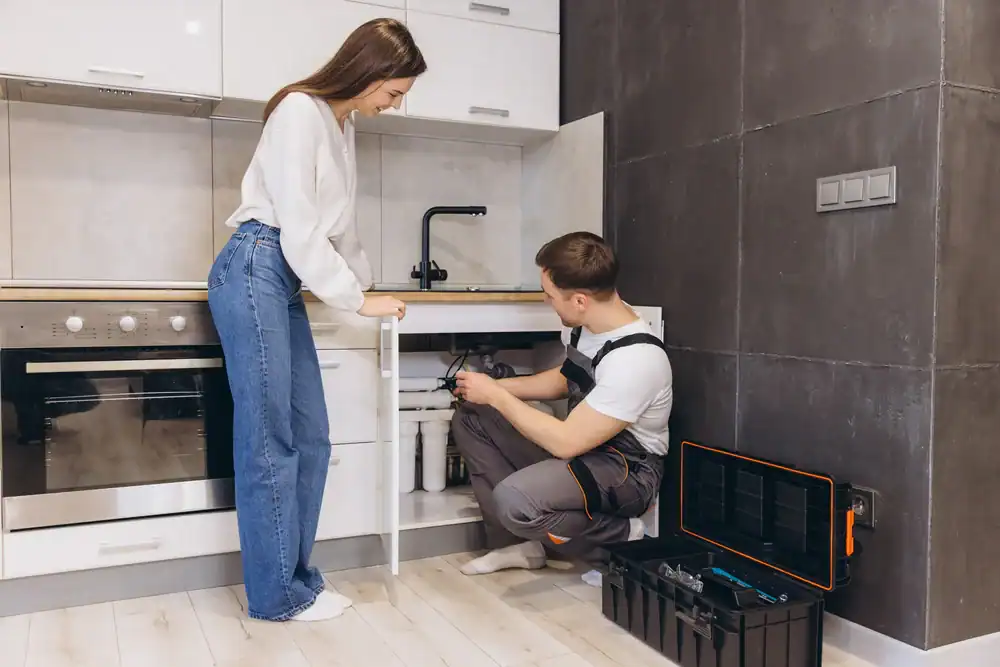
Installation location matters too. Most RO systems install under the kitchen sink with a dedicated faucet for filtered water. This provides purified water for drinking and cooking without running your entire house through the system. Some homeowners connect the filtered line to refrigerator ice makers and water dispensers.
Countertop RO systems exist for renters or those who can’t modify plumbing. They plug in and require no installation, but they take up counter space and need manual filling.
Maintenance requirements should factor into your decision. All RO systems need filter replacements. Sediment and carbon pre-filters typically change every six to twelve months. The RO membrane lasts two to five years depending on water quality and usage. Systems with twist-and-lock filter housings make maintenance easier than models requiring wrenches and potential leaks.
Finding the Best Reverse Osmosis Water Filter for Your Marion County Home
The best reverse osmosis water filter for your home removes the specific contaminants in your water, fits your household’s daily usage, and comes from a company that stands behind their work. It starts with professional water testing to identify what you’re dealing with. From there, choosing a system with proper certifications, adequate capacity, and quality components ensures you get clean water that’s actually safe.
In Marion County, FL, where well water is common and aquifer contamination is a real concern, reverse osmosis provides protection that standard filters can’t match. Whether you’re dealing with nitrates from agricultural runoff, hard water minerals, or concerns about PFAS and lead, RO technology addresses them at the source.
We specialize in properly sizing and installing reverse osmosis drinking water systems based on actual water testing, not guesswork. With 50 years of experience, WQA-certified professionals, and an A-rated BBB standing with zero complaints, we focus on getting your water right the first time.