Summary:
You’ve noticed the white buildup on your faucets. Your dishes come out of the dishwasher with spots. Your skin feels dry no matter how much lotion you use.
Hard water isn’t just annoying—it’s expensive. It shortens the life of your appliances, makes cleaning harder, and costs you more in soaps and detergents that don’t work as well as they should.
But when you start looking into water softeners, the pricing feels like a guessing game. Some companies won’t give you a number without a home visit. Others throw out a low price that balloons once you factor in installation, permits, and ongoing costs.
Here’s what you actually need to know about water softener costs in Florida, broken down by what you’ll pay upfront and what you’ll spend over time.
Water Softener Installation Cost Breakdown
Let’s start with the number most people want to know: what does it cost to get a water softener installed in your home?
In Florida, you’re looking at anywhere from $500 to $3,500 for a complete system, with most homeowners spending between $1,500 and $2,500. That range exists because several factors affect your final price—system type, capacity, your home’s plumbing setup, and whether you need any modifications to accommodate the new equipment.
The equipment itself typically runs $500 to $3,000 depending on whether you choose a basic single-tank system or a more advanced twin-tank setup. Installation labor adds another $150 to $1,000 to your total, and that’s where location and complexity come into play. If your home already has a softener loop (a pre-plumbed section designed for easy softener installation), you’ll pay on the lower end. If a technician needs to reroute plumbing or add electrical connections, expect costs closer to the higher end.
What's Actually Included in Installation
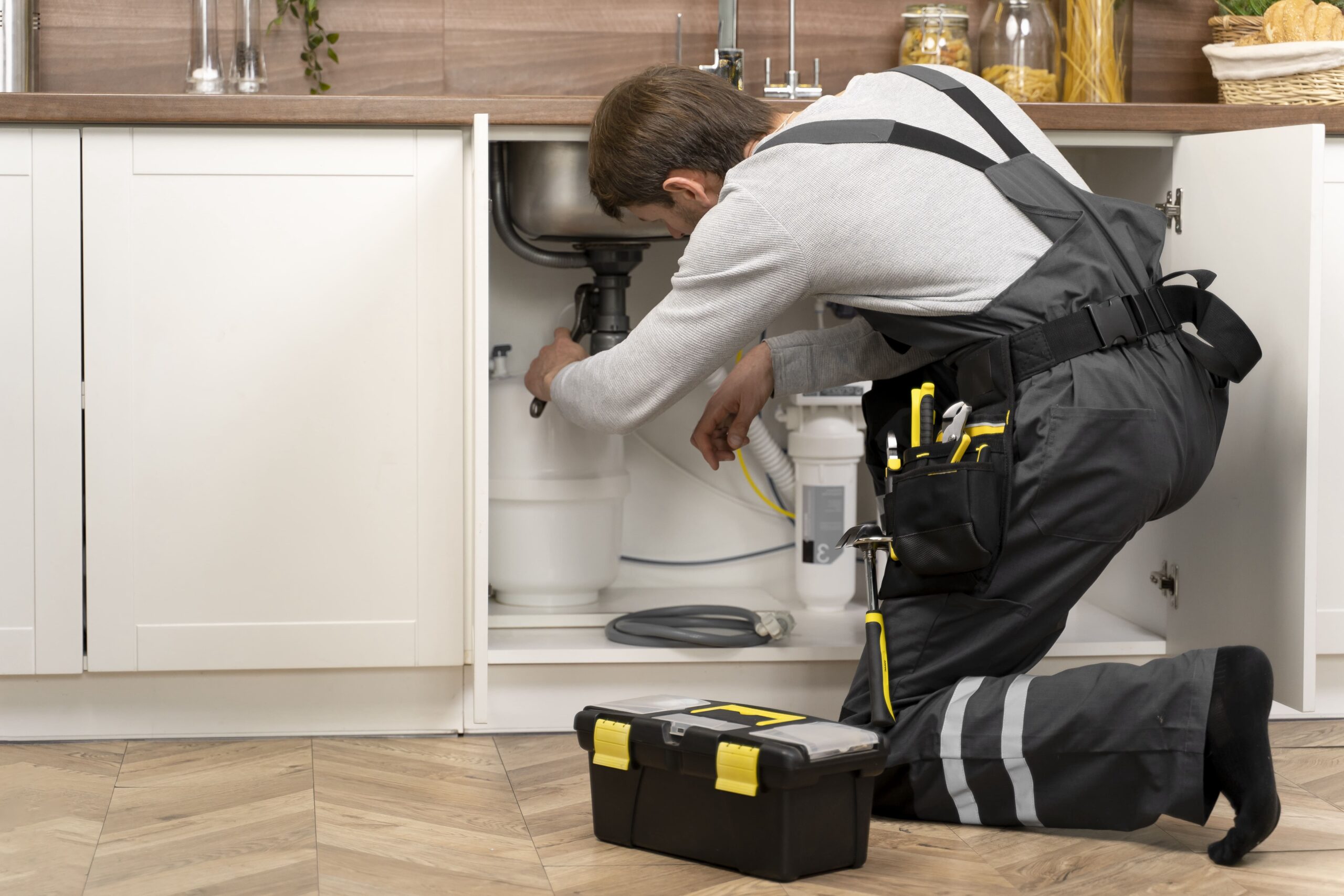
When you get a quote for water softener installation, make sure you understand what’s included and what costs extra. A complete installation should cover the system itself, all necessary plumbing connections, a bypass valve, and initial programming based on your water hardness level and household size.
We include a free water test to determine your exact hardness level before recommending a system. This matters because Marion County water sits around 10.5 grains per gallon—hard enough to cause problems, but not so extreme that you need the most heavy-duty system on the market. We’ll size your system appropriately instead of overselling you on capacity you don’t need.
What often costs extra: permits and inspections. Depending on your local municipality, you might need a plumbing permit, which can add $200 to $500. If your home needs new pipes to connect the softener to your main water line, that’s typically $0.50 to $8 per linear foot. Electrical work, if required, runs about $2 to $4 per square foot.
Here’s where honest companies separate themselves from the rest. The upfront quote should outline these potential costs clearly. If a company gives you a rock-bottom price over the phone without seeing your home, they’re either planning to hit you with add-ons later or they’re not accounting for the real work involved. Neither scenario ends well.
The best approach: get a written estimate after a home visit. It takes a little more time upfront, but you’ll know exactly what you’re paying for before any work begins.
System Types and How They Affect Price
Not all water softeners work the same way, and the type you choose has a big impact on both upfront and long-term costs.
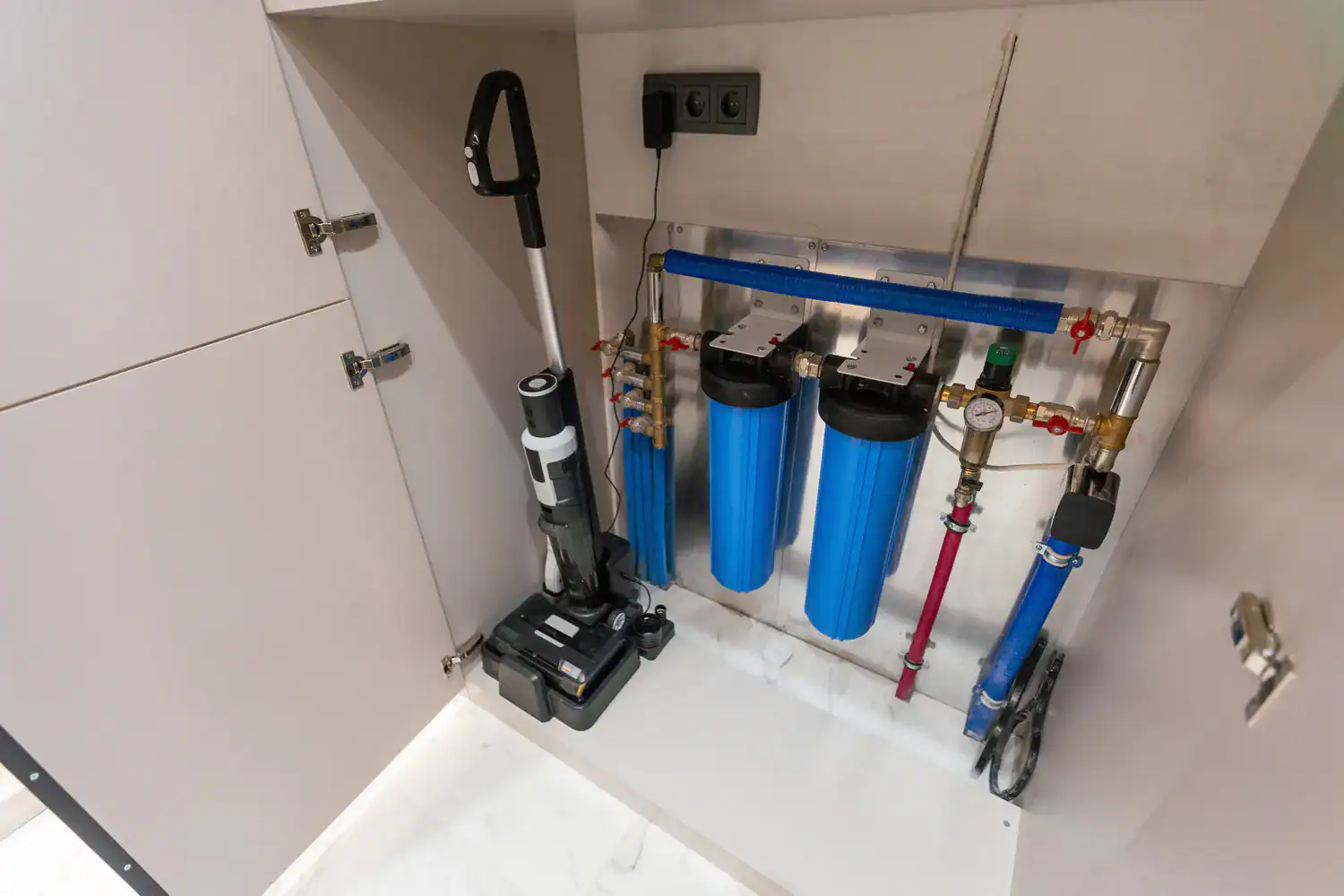
Salt-based ion exchange systems are the most common. They physically remove calcium and magnesium from your water by exchanging those minerals for sodium ions. These systems range from $500 to $3,000 for the equipment alone. They’re effective, especially in areas like Central Florida where hard water is the norm, but they require ongoing salt purchases and periodic maintenance.
Twin-tank systems cost more upfront—typically $1,000 to $5,000 installed—but they solve a problem that frustrates a lot of homeowners. Standard single-tank systems need to regenerate (clean themselves) periodically, and during that process, you’re back to hard water for a few hours. Twin-tank systems alternate between tanks, so you have soft water 24/7. If you have a large household or use a lot of water, this setup prevents those annoying gaps in coverage.
Salt-free conditioners are a different approach entirely. They don’t remove hardness minerals—they change their structure so they don’t stick to pipes and appliances. These systems cost $800 to $4,000 and require less maintenance since there’s no salt to refill. The tradeoff: they’re not technically “softening” your water, so you might still notice some effects of hardness, like reduced soap lather. They work best for moderate hardness levels and for homeowners who want lower ongoing costs.
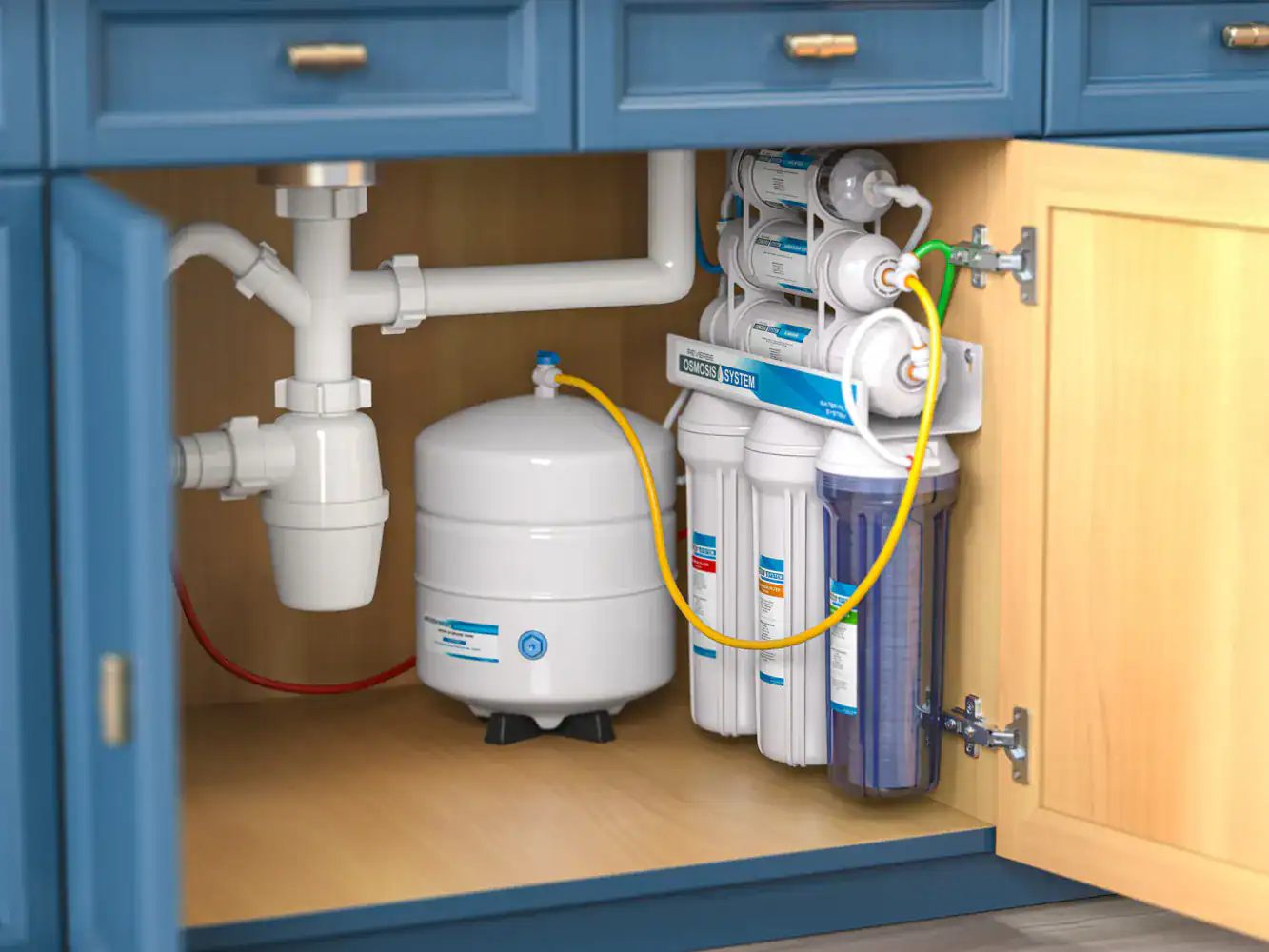
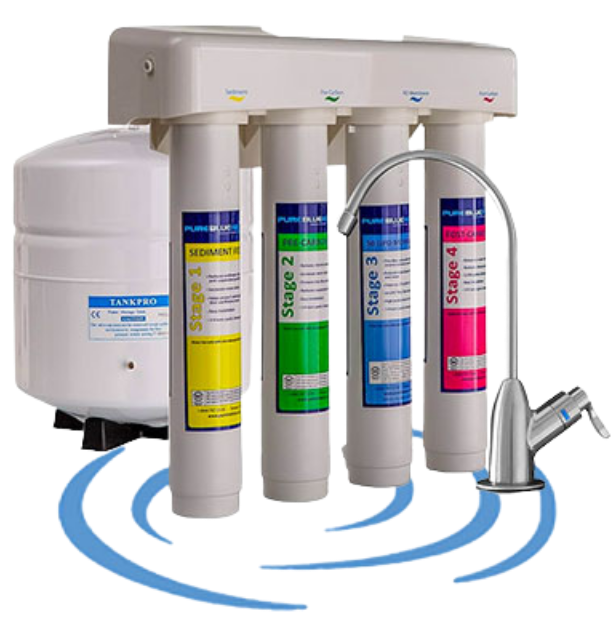
Reverse osmosis systems are the premium option, running $1,500 to $11,000 installed. These remove not just hardness minerals but also contaminants like chlorine, bacteria, and heavy metals. If your water has multiple issues beyond just hardness, an RO system might make sense. But for most Florida homeowners dealing primarily with hard water, a standard softener or twin-tank system handles the job at a fraction of the cost.
The right system for your home depends on your water hardness level, household size, and budget. A family of four in Marion County with typical water usage does well with a mid-range system in the $1,500 to $2,500 range. Smaller households or those with lower hardness might spend less. Larger homes with very hard water might need to invest more in capacity.

Water Softener Maintenance Cost: Annual Expenses
The purchase price is just the beginning. Water softeners need ongoing maintenance, and those costs add up over the 10-to-15-year lifespan of your system.
For salt-based systems, your biggest recurring expense is—no surprise—salt. The average family of four uses about 9 to 10 pounds of salt per week, which works out to roughly one 40-pound bag per month. Salt costs between $5 and $10 per bag for standard sodium chloride, or $50 to $70 if you opt for potassium chloride (a low-sodium alternative). That puts your annual salt costs anywhere from $60 to $300, depending on your water hardness, household size, and which type of salt you choose.
Beyond salt, you’re looking at professional servicing, which typically runs $100 to $300 per year. Some homeowners skip this and handle basic maintenance themselves—checking salt levels, cleaning the brine tank, and monitoring system performance. If you’re comfortable with DIY upkeep, you can keep annual costs under $100 for supplies. But most manufacturers recommend professional inspections every year or two to catch issues before they turn into expensive repairs.
Total annual maintenance for a salt-based system usually falls between $200 and $500. That includes salt, occasional filter replacements, and either professional service or your time for DIY tasks.
Hidden Costs Most People Don't Expect
Here’s what catches homeowners off guard: water softeners use water and electricity to regenerate. During the regeneration cycle, the system flushes out accumulated minerals using salt brine, then rinses everything clean. This process wastes about 7,800 gallons of water per year for a typical salt-based system. Depending on your local water rates, that adds another $30 to $100 annually to your utility bills.
Electricity usage is minimal—about 70 kilowatt-hours per year, or less than $10 in most areas. It’s not a major expense, but it’s one more line item that adds to your total cost of ownership.
Repairs are the wild card. Water softeners are generally reliable, but when something breaks, it’s not cheap. Common repairs like valve replacement or fixing a stuck motor run $150 to $600. More serious issues, like replacing the resin bed (the part that actually softens your water), can cost $400 to $800. The resin typically lasts 10 to 15 years, so you might face this expense once during your system’s lifetime.
Add it all up, and the true annual cost of owning a salt-based water softener in Florida ranges from $300 to $800 when you factor in salt, maintenance, water waste, electricity, and the occasional repair. Over a 15-year lifespan, that’s $4,500 to $12,000 on top of your initial purchase price.
This is why some homeowners opt for salt-free systems. They cost a bit more upfront but have much lower operating costs—typically under $100 per year since there’s no salt to buy and no water waste during regeneration. The tradeoff is that they don’t remove hardness minerals, just prevent them from forming scale. For some households, that’s enough. For others, especially those with very hard water, a traditional softener is worth the extra ongoing cost.
DIY vs. Professional Maintenance
You can handle some water softener maintenance yourself and save money in the process. Checking salt levels takes five minutes. Refilling the brine tank is straightforward. Cleaning the tank once or twice a year prevents buildup that can reduce efficiency.
But there are tasks you shouldn’t DIY unless you really know what you’re doing. Adjusting the regeneration schedule requires understanding your water hardness and household usage patterns. Get it wrong, and you’ll either waste salt and water or end up with hard water breaking through. Diagnosing problems with the control valve or resin tank often requires specialized tools and knowledge.
Most homeowners find a middle ground: handle the routine stuff yourself and bring in a professional once a year for a thorough inspection. This approach keeps costs manageable while ensuring your system runs efficiently.
The key is working with a company that actually services what they sell. Some national brands install systems and then disappear, leaving you scrambling to find a local technician when something goes wrong. We offer ongoing service and support for every system we install. That reliability is worth paying for, especially when you’re dealing with an investment that affects your entire home’s water supply.

Water Softener Financing Options in Florida
A quality water softener system is a significant investment, but you don’t necessarily need to pay for it all upfront. We offer financing options that break the cost into manageable monthly payments.
Same-as-cash financing is available for qualified buyers. You might see offers like 24 months with no interest, meaning you pay the full price of the system but spread it out over two years without any finance charges. This works well if you can pay off the balance before the promotional period ends.
Standard financing typically covers amounts from $1,000 to $12,000 with fixed monthly payments over several years. Interest rates vary based on your credit, but competitive programs offer rates comparable to or better than credit cards. The advantage: you get the system installed immediately and pay it off over time, rather than waiting years to save up the full amount while dealing with hard water damage to your appliances and plumbing.
Some companies also offer rental programs, usually running $25 to $50 per month. This can make sense for vacation homes or if you want to test a system before committing to purchase. But long-term, renting costs more than buying. Over 10 years, you’d pay $3,000 to $6,000 in rental fees—often more than the system would cost to purchase outright.
If you’re a military member or first responder, ask about our $500 discount. This can significantly reduce your out-of-pocket cost or lower your monthly payments if you’re financing.