Summary:
You’re looking at a whole house water filter system, trying to decide if you can handle the installation yourself. The DIY route looks cheaper on paper. But between cutting into your main water line, voiding warranties, and risking leaks that could cost thousands in repairs, the decision isn’t as simple as it seems. Marion County’s hard water and unique contaminants make proper installation even more critical. Here’s what you actually need to know about installing a water filtration system—the real costs, the hidden risks, and when calling in professionals saves you money in the long run.
What Does It Really Take to Install Water Filter Systems?
Installing a whole house water filter isn’t a weekend project you knock out in an hour. You’re cutting into your main water supply line, the pipe that feeds every faucet, shower, and appliance in your home. One mistake here means water damage, mold, or a system that doesn’t work right.
The process involves shutting off your main water supply, cutting the line at the right location (after the main shutoff but before your water heater), installing shutoff valves, mounting the filter housing, connecting inlet and outlet ports in the correct direction, sealing everything properly, and testing for leaks under full pressure. Miss any of these steps or do them wrong, and you’re looking at problems.
Most experienced DIYers report spending 2-4 hours on installation. That’s if everything goes smoothly. If you hit unexpected issues with your plumbing setup, need to make extra trips for parts, or discover your pipes are older than expected, you’re looking at a full day or more.
Whole Home Water Filtration System Cost Breakdown
Let’s talk actual numbers for 2026, because the costs go beyond just buying the system. A basic whole house water filter system runs $850 to $1,400 including installation. That’s for city water that mainly needs chlorine and sediment removal.
If Marion County’s hard water is giving you problems—and it probably is, with 121 to 180 milligrams of calcium and magnesium per liter—you’re looking at mid-range systems. These run $1,800 to $2,900 installed and handle multiple contaminants at once. For well water or serious water quality issues, advanced systems with multiple stages can cost $4,500 to $15,000 or more.
The DIY approach saves you labor costs, which typically run $200 to $600 for professional installation. Sounds good until you factor in the tools you’ll need. Pipe cutters, adjustable wrenches, Teflon tape, possibly a torch for soldering copper pipes, thread sealants, and more. If you don’t already own these, you’re spending $100-$300 just on tools you’ll use once.
Then there’s the hidden costs nobody talks about. Wrong sizing because you didn’t calculate your home’s flow rate correctly. Leaks from connections you thought were tight. Water damage to drywall or flooring. Mold remediation if a slow leak goes unnoticed. These repair costs easily hit $500 to $2,000, wiping out any savings from DIY installation.
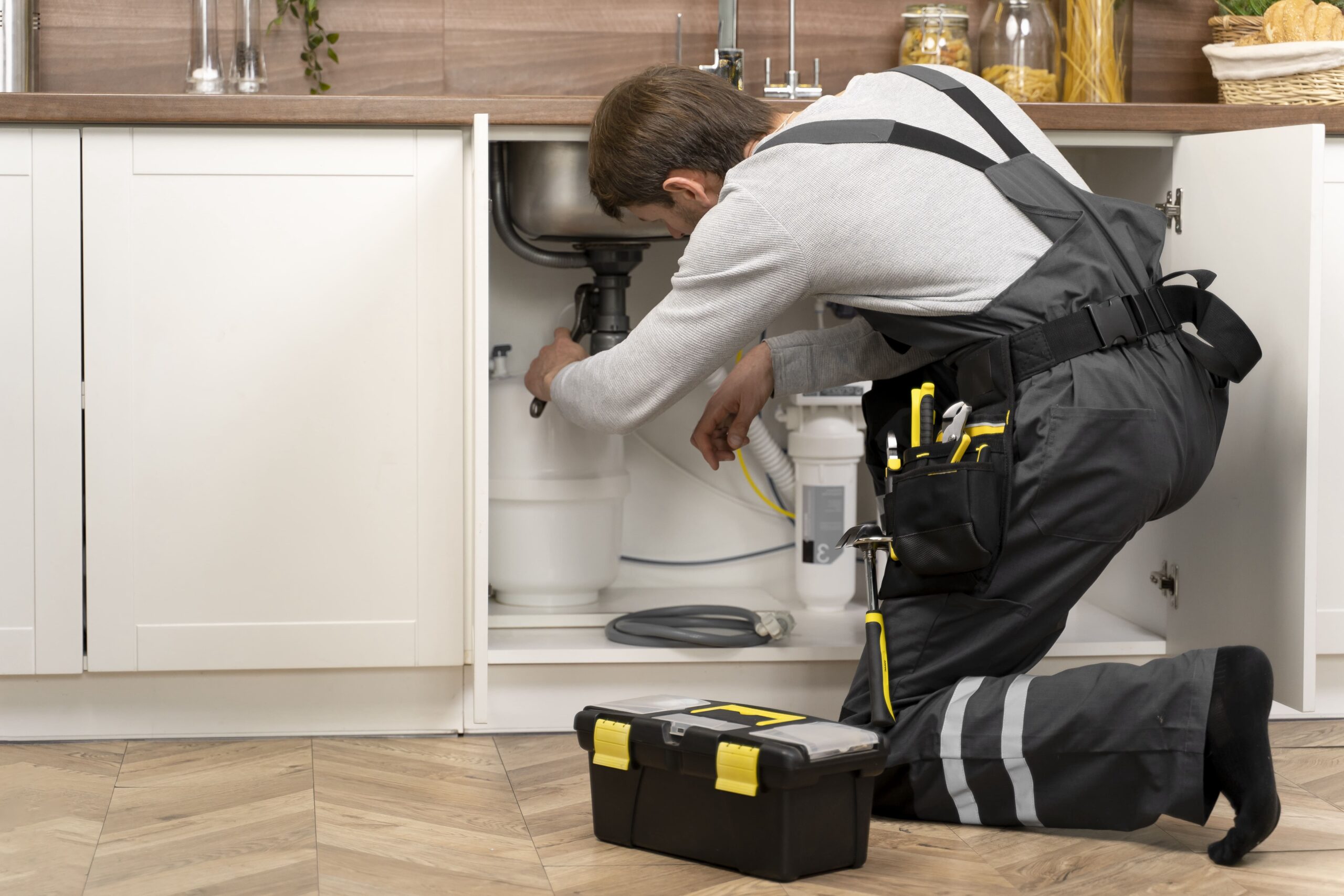
Professional installation includes proper sizing for your home, correct placement in your plumbing system, code-compliant work, leak-free connections tested under pressure, and usually a warranty on the installation work itself. When something goes wrong, you’re not stuck troubleshooting or paying out of pocket for repairs. The installer handles it.
Common Mistakes When You Install Water Filter Yourself
The mistakes DIYers make aren’t always obvious until it’s too late. The most common one is incorrect sizing. Your whole house system needs to match your home’s peak water demand, measured in gallons per minute. A 1-2 bathroom home needs around 10 GPM. A 3+ bathroom home needs 15-20 GPM. Undersized systems cause pressure drops throughout your house—weak showers, slow-filling appliances, frustrated family members.
Reversing the inlet and outlet ports is another frequent error. Water filters are designed for one-direction flow. Swap them and you get poor filtration, potential damage to the filter media, and a system that doesn’t work as intended. The arrows on the housing are there for a reason, but in the chaos of installation, they’re easy to miss.
Leaks happen when connections aren’t sealed properly. Over-tightening cracks plastic housings. Under-tightening leaves gaps that drip slowly, sometimes for weeks before you notice the water damage. Even small leaks lead to mold growth, ruined drywall, and damaged flooring. Professional installers know the exact torque needed for each connection type.
Installing in the wrong location is costlier than you’d think. The filter needs to go after your main shutoff valve so it protects your whole house, but before your water heater so both hot and cold lines get filtered. Put it in the wrong spot and you’re either not filtering all your water or you’re not protecting your water heater from sediment buildup that shortens its lifespan.
Skipping bypass valves and shutoff switches makes future maintenance a nightmare. When it’s time to change filters, you’ll need to shut off water to your entire house instead of just isolating the filter system. That means no water for anyone while you’re working. Professional installations include these conveniences as standard.
Marion County’s water presents specific challenges that complicate DIY installation. The limestone aquifer creates extremely hard water that requires more than basic filtration. Many homes here are on private wells that need specialized treatment for iron, sulfur, or bacteria. Choosing the wrong filter media because you didn’t test your water properly means you’re not actually solving your water problems.
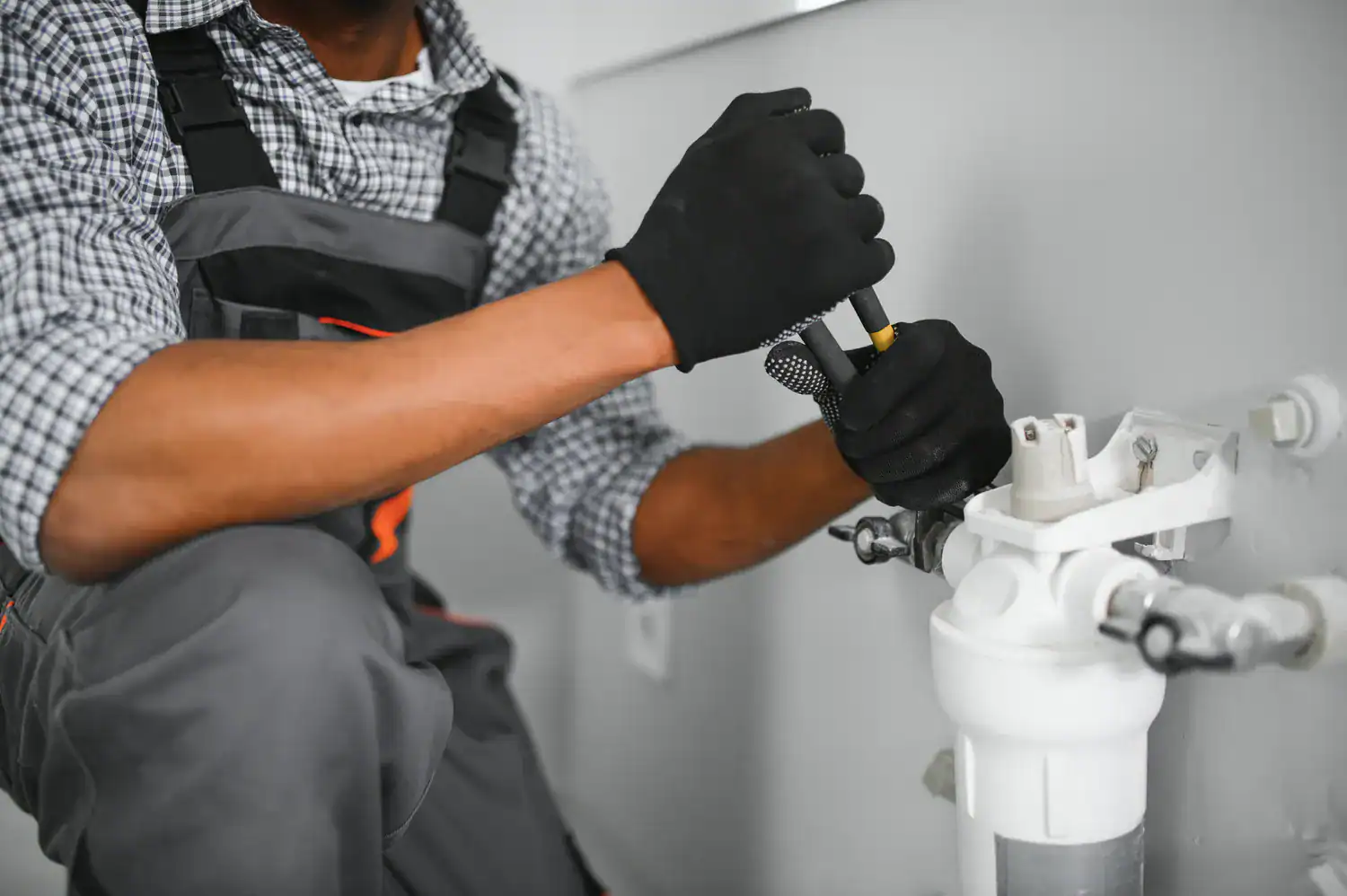
Whole House Water Filter Cost: Professional Installation Benefits
Professional installation costs more upfront, but the value goes beyond just connecting pipes. You’re paying for expertise that prevents expensive mistakes, protects your warranty, and ensures your system actually solves your water problems.
Licensed installers know Marion County’s water. They’ve seen the hard water damage, the iron staining, the sulfur smells from well water. They test your water first, then recommend the right system size and filtration media for your specific situation. That’s not something you can easily figure out from online research.
The installation warranty matters more than most people realize. When a professional installs your system, any installation-related issues are covered. Leaks, connection failures, pressure problems—the installer fixes them at no cost to you. DIY installations leave you responsible for every problem that comes up, and troubleshooting water filtration systems isn’t straightforward.
Why Professional Installation Protects Your Investment
Here’s something most homeowners don’t know until it’s too late: many water filter manufacturers require professional installation to keep your warranty valid. Read the fine print on systems from major brands and you’ll find clauses stating that DIY installation voids coverage. If your system fails and you installed it yourself, you’re buying replacement parts and paying for repairs out of pocket.
The manufacturer warranty typically covers defects in materials and workmanship for anywhere from 1 year to lifetime, depending on the brand and component. But that coverage only applies if the system was installed correctly according to their specifications. Professional installers are trained on these requirements and ensure compliance. They document the installation, which provides proof if you ever need to make a warranty claim.
Proper sizing isn’t just about flow rate. It’s about understanding your home’s plumbing configuration, water pressure, pipe diameter, and how the filter system will integrate with everything else. Get this wrong and your system underperforms from day one. You’ll have pressure drops, slow water flow, or filters that clog faster than they should because they’re working harder than designed.
Professional installers place the system in the optimal location for your specific home. They consider access for future maintenance, proximity to drains if you’re installing a backwashing system, electrical outlet placement for UV or electronic systems, and compliance with local building codes. These aren’t things you’d think about until you’re halfway through installation and realize you’ve created problems.
The time savings alone can justify professional installation. What takes an experienced DIYer 3-4 hours takes a professional 1-2 hours, and they bring all the right tools and parts. You’re not making multiple hardware store runs or spending your Saturday wrestling with plumbing. The job gets done efficiently while you focus on other things.
Code compliance and permits are another consideration. Marion County may require permits for major plumbing modifications. Professional installers know local requirements and handle the paperwork. DIY installations that skip permits can create issues when you sell your home or file an insurance claim after water damage.
What Makes Marion County Water Filtration Different
Marion County’s water challenges aren’t the same as other parts of the country, and that affects your installation decisions. Florida’s limestone geology creates some of the hardest water in the nation. You’re dealing with 121 to 180 milligrams per liter of calcium and magnesium minerals. That’s classified as very hard water, and it wreaks havoc on plumbing, appliances, and fixtures.
The majority of Marion County residents get water from limited-use public systems or private wells, not major municipal treatment facilities. Well water here often contains iron that causes orange staining, sulfur that smells like rotten eggs, and sometimes bacteria that require UV treatment. These contaminants need specific filtration approaches that go beyond basic carbon filters.
Right now, Marion County is dealing with severe to extreme drought conditions. A Phase II Severe Water Shortage was declared in February 2026. When water levels drop, contaminant concentrations can increase. Sediment becomes more of an issue. Your filtration system needs to handle these seasonal variations, which requires proper pre-filtration and media selection.
The hard water alone causes scale buildup in pipes, reduces water heater efficiency, leaves white deposits on fixtures, makes soap less effective, and contributes to dry skin and hair. A properly designed whole house system addresses these issues, but only if it’s sized correctly and includes the right combination of filtration and conditioning.
We understand these local conditions because we’ve worked with Marion County water for years and know which systems perform best. We can tell you whether you need just filtration, or filtration plus softening, or a multi-stage system with iron removal and UV sterilization. That expertise isn’t available in DIY installation guides.
Blue-green algae concerns in local lakes like Lake Weir add another layer of complexity. While municipal systems treat for these contaminants, well water users need protection. The wrong filter type won’t remove algal toxins, leaving your family at risk. Professional water testing and system design ensure you’re actually protected.
Making the Right Choice for Your Home
Installing a water filter yourself can work for simple under-sink or countertop systems. But whole house installations in Marion County are different. Between Florida’s challenging water conditions, the complexity of cutting into main water lines, warranty requirements, and the real risk of costly mistakes, professional installation makes sense for most homeowners.
The upfront cost difference isn’t as big as you think when you factor in tools, time, and potential repair costs. Professional installation typically adds $200 to $600, but you get proper sizing, code-compliant work, warranty protection, and peace of mind that your system will actually solve your water problems.
If you’re ready to improve your water quality with a system that’s installed right the first time, we bring 50+ years of experience, A-rated BBB status with zero complaints, and WQA-certified professionals who understand Marion County’s water challenges. We’ll test your water, recommend the right system, and handle installation so you can start enjoying cleaner, safer water without the stress of doing it yourself.