Summary:
Understanding Whitney, FL Well Water Problems
Whitney sits in an area where Florida’s natural geology creates specific water quality issues. Your well draws from underground aquifers made of porous limestone that easily absorb contaminants from surface water.
The most common problems you’ll face include hard water with high mineral content, iron that stains everything orange, and sulfur bacteria that create that unmistakable rotten egg smell. These aren’t just nuisance issues – they can damage your plumbing, ruin your appliances, and make daily tasks frustrating.
Understanding what’s in your water is the first step toward fixing it. That’s why professional water testing is essential before choosing any filtration system.
How Iron and Sulfur Bacteria Affect Your Home
Iron bacteria and sulfur bacteria are the biggest troublemakers in Whitney well water. Iron bacteria create that slimy, rust-colored buildup you see in toilet tanks and around faucets. They’re not dangerous to your health, but they’ll clog your pipes and damage water-using appliances over time.
Sulfur bacteria produce hydrogen sulfide gas – that’s the rotten egg smell that hits you when you turn on the hot water. The smell is strongest in the morning or after the water sits unused for a while. Both types of bacteria thrive in Florida’s warm, mineral-rich groundwater.
Here’s how to spot them: Check your toilet tank by lifting the lid. If the walls feel slimy, you’ve got iron bacteria. For sulfur, you’ll smell it immediately when running hot water. The metallic taste in your drinking water and yellow stains on white clothes are also dead giveaways for iron issues.
These bacteria create micro-environments that accelerate corrosion in your plumbing. They also provide hiding spots for other harmful bacteria, making your water quality worse over time. The longer you wait to address these issues, the more expensive the repairs become.
Why Standard Filters Don't Work for Florida Well Water
You can’t solve Florida well water problems with a basic carbon filter from the hardware store. Iron and sulfur bacteria are protected by thick, slimy layers that resist standard chlorination. They require specialized treatment that addresses the root cause, not just the symptoms.
Standard pitcher filters and under-sink systems are designed for city water that’s already been treated. They’ll remove some chlorine taste and basic sediment, but they’re completely overwhelmed by the mineral content and bacteria levels found in Florida wells.
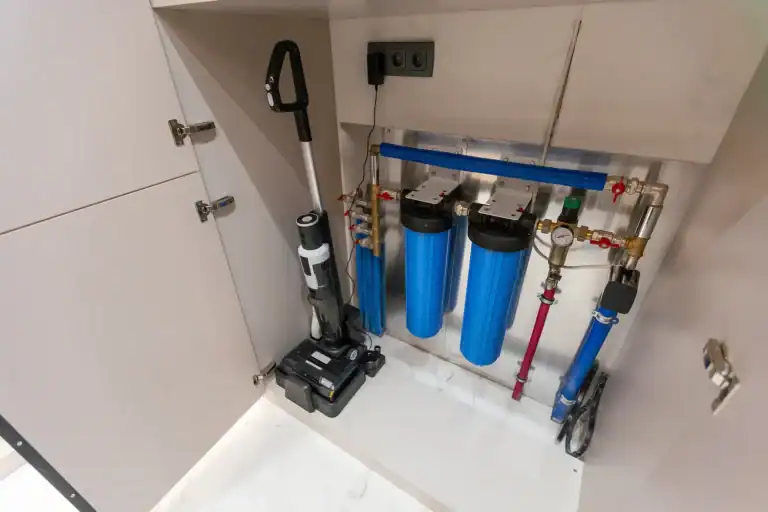
Whole house water filter systems designed specifically for well water use multiple treatment stages. They typically include sediment removal, oxidation to convert dissolved iron into particles, specialized filtration media, and sometimes UV sterilization for bacteria control.
The key difference is contact time and treatment intensity. Well water systems are built to handle high concentrations of contaminants that would quickly clog or overwhelm residential-grade filters. They’re also designed to regenerate automatically, removing trapped contaminants and maintaining effectiveness over time.
Don’t waste money on solutions that aren’t designed for your specific water challenges. Florida well water requires Florida-specific solutions.

Choosing the Right Whole House Water Filter System
The best whole house water filter for Whitney, FL homes depends on your specific water test results, but there are proven approaches that work consistently. Multi-stage systems that combine oxidation, filtration, and conditioning deliver the most reliable results.
Look for systems that can handle iron levels up to 10 parts per million and sulfur concentrations up to 5 parts per million – these are common levels in Central Florida wells. The system should also address hardness, which protects your appliances and reduces soap usage.
Professional installation and ongoing maintenance are just as important as the equipment itself. A properly sized and installed system maintains water pressure while delivering clean water to every fixture in your home.
Essential Features Your System Must Have
Your whole house water filter system needs specific capabilities to handle Whitney’s water challenges effectively. First, it must include pre-oxidation to convert dissolved iron into particles that can be filtered out. This usually involves chlorine injection or air oxidation, followed by contact time for the reaction to complete.
The filtration stage should use specialized media designed for iron and sulfur removal. Standard carbon isn’t enough – you need catalytic media that can handle high iron concentrations without frequent replacement. Many effective systems use a combination of different media types in sequence.
Automatic backwashing is essential for maintaining system performance. This process reverses water flow to flush out trapped contaminants and regenerate the filter media. Without this feature, your system will quickly lose effectiveness and require expensive manual cleaning.
Size matters too. Your system must match your home’s peak water demand. If you have multiple bathrooms and water-using appliances, an undersized system will create pressure drops and won’t provide adequate contact time for treatment. A properly sized system maintains normal water pressure while delivering consistently clean water.
UV sterilization adds an extra layer of protection against bacteria and viruses that might survive other treatment stages. While not always necessary, it’s valuable insurance for families with health concerns or compromised immune systems.
Installation and Maintenance Requirements
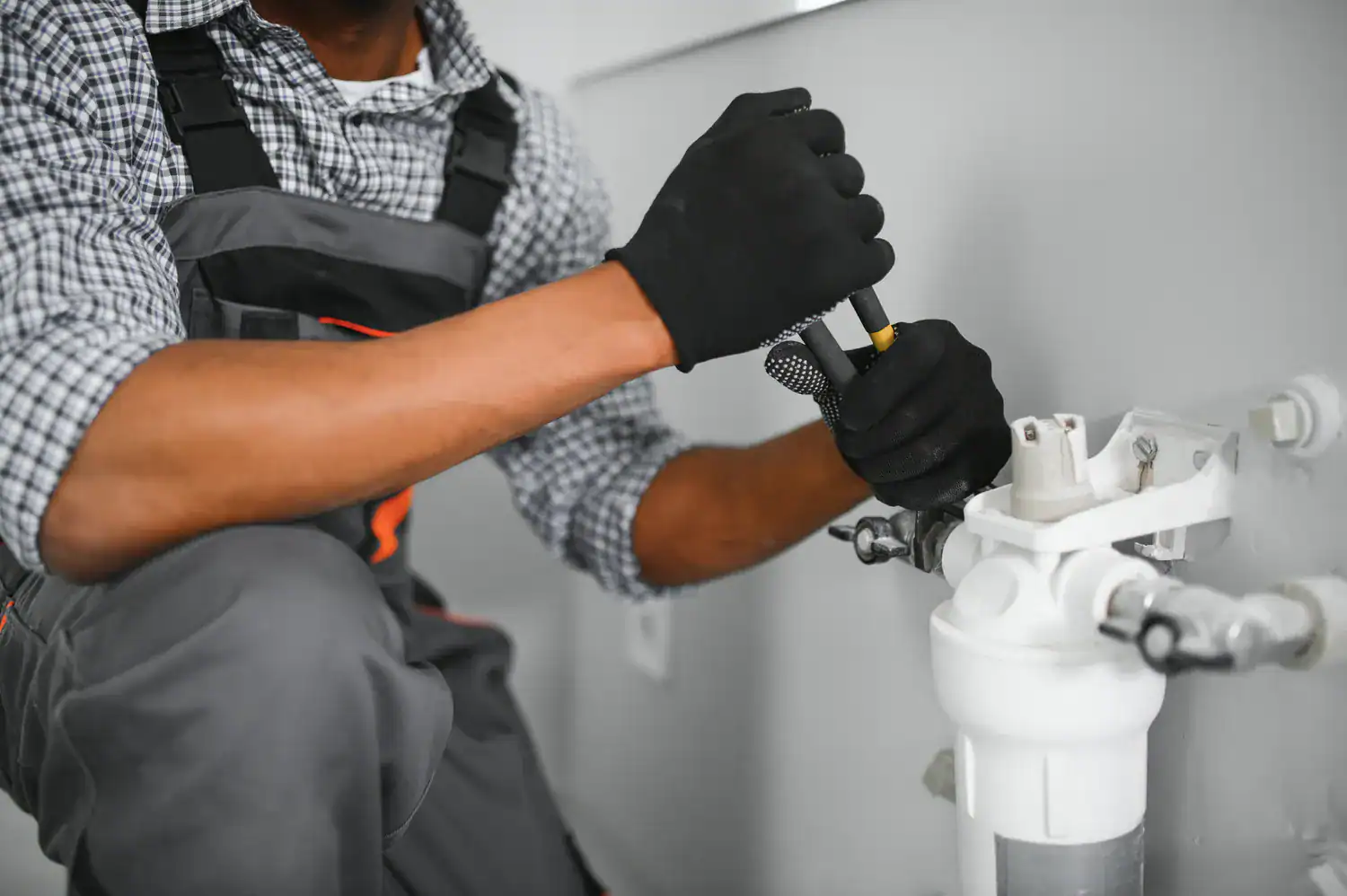
Professional installation is crucial for whole house water filter systems. The equipment must be properly sized for your home’s water usage, integrated with your existing plumbing, and configured for your specific water chemistry. DIY installation often leads to problems that cost more to fix than professional installation would have cost initially.
Your installer should conduct a thorough water test before recommending equipment. They’ll also need to consider your home’s water pressure, flow rate requirements, and available space for equipment. Proper installation includes bypass valves, pressure relief systems, and drain connections for backwashing.
Maintenance requirements vary by system type, but most need attention every 6-12 months. This includes replacing pre-filters, checking chemical injection systems, and testing water quality to ensure continued effectiveness. Some systems require salt or other consumables for regeneration.
Keep detailed maintenance records and follow manufacturer recommendations exactly. Skipping maintenance voids warranties and leads to system failures. Many companies offer service contracts that handle all maintenance automatically – this is often worth the cost for busy homeowners.
Budget for ongoing costs including replacement filters, chemicals, and periodic system servicing. A quality system will pay for itself through reduced appliance repairs, lower cleaning costs, and eliminated bottled water purchases, but factor these ongoing expenses into your decision.
Getting Started with Well Water Filtration in Whitney, FL
Clean, safe water isn’t a luxury – it’s a necessity for your family’s health and your home’s protection. The unique challenges of Whitney, FL well water require specialized solutions, but the results are worth the investment. You’ll enjoy better-tasting water, cleaner dishes and laundry, and protection for your expensive appliances and plumbing.
Start with professional water testing to understand exactly what contaminants you’re dealing with. Then work with experienced professionals who understand Florida’s water challenges and can design a system that fits your specific needs and budget.
Don’t wait for water problems to get worse. The longer iron bacteria and sulfur bacteria remain in your system, the more damage they cause and the more expensive repairs become. We have been solving these exact problems for Whitney area homeowners with proven solutions and expert service.