Reach Out Today
Please provide your email address so that we can stay in touch and answer any questions you have! We will be reaching back out shortly.


Hear from Our Customers
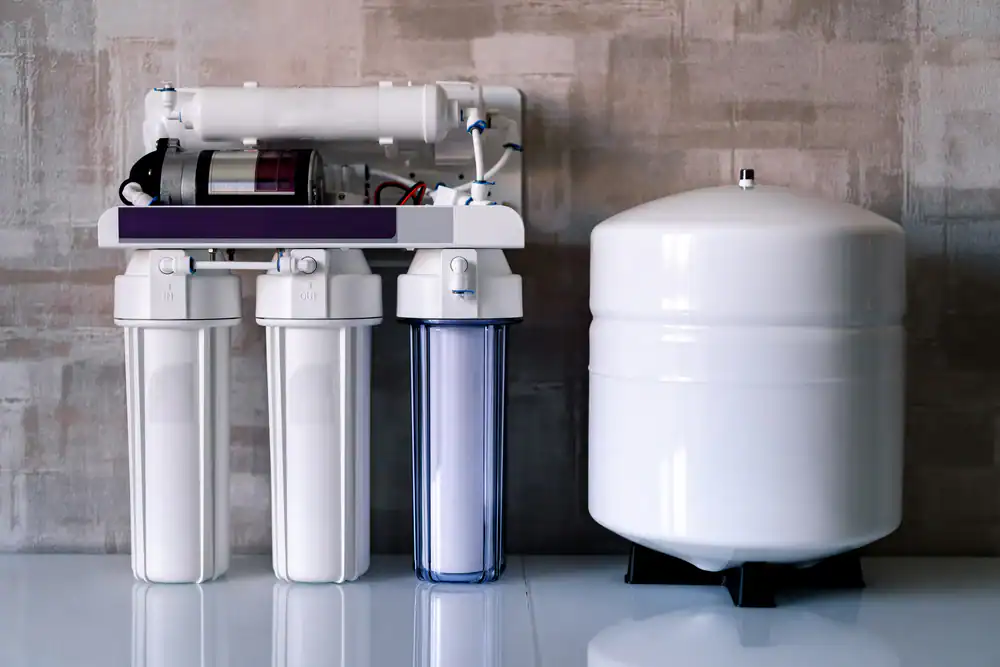
You stop buying bottled water by the case. Your kids can drink straight from the tap without you second-guessing it. Showers don’t leave that chlorine smell on their skin.
Your dishwasher stops leaving white film on glasses. Your water heater isn’t slowly calcifying from the inside. The metallic taste in your coffee disappears.
A point-of-entry system filters everything before it reaches a single faucet in your house. That means every shower, every load of laundry, every glass of water, every ice cube gets the same level of protection. You’re not just treating the water you drink—you’re treating the water that touches your skin, washes your clothes, and runs through every appliance you own.
Hard water in Florida isn’t just annoying. It’s expensive. It cuts the efficiency of your water heater by nearly half. It clogs pipes. It shortens the life of your washing machine and dishwasher. A whole home carbon filter combined with the right water softener stops that damage before it starts.
Quality Safe Water of Florida has an A+ rating with the Better Business Bureau and five stars with zero complaints. We’re members of the National Water Quality Association. We’ve spent five decades solving Florida’s hard water problems, and we’ve seen what works and what doesn’t.
York families deal with the same issues you’ll find across Florida—high mineral content, chlorine taste, and increasing concerns about PFAS and other contaminants in groundwater. Over 90% of Florida’s drinking water comes from groundwater wells, and while it’s naturally filtered, it’s not immune to contamination.
We don’t do plumbing. We don’t install water heaters. We focus entirely on water treatment, and that focus means we’re better at it. We also offer a $500 discount to military members and first responders, because some things matter more than profit.
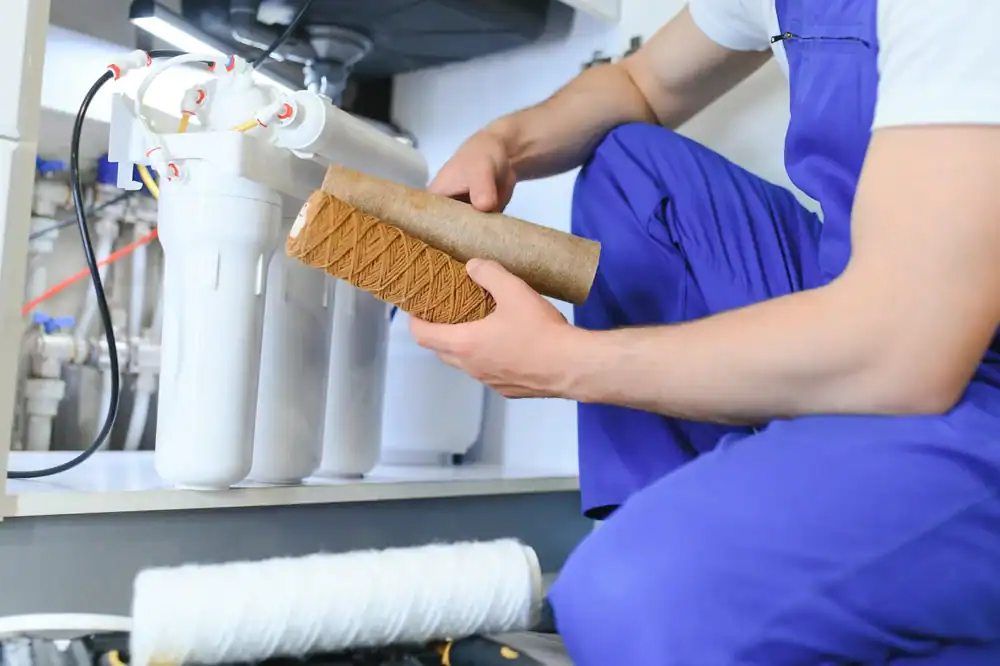
First, we test your water. Not a generic test—an actual analysis of what’s in your specific water supply. That tells us what you’re dealing with: hardness levels, chlorine content, sediment, contaminants.
Then we design a system based on your results and your household’s water usage. Multi-stage sediment filtration handles particles and debris. Activated carbon filters remove chlorine, chemicals, and odors. If you need a water softener combination to handle Florida’s brutal hard water, we build that in too.
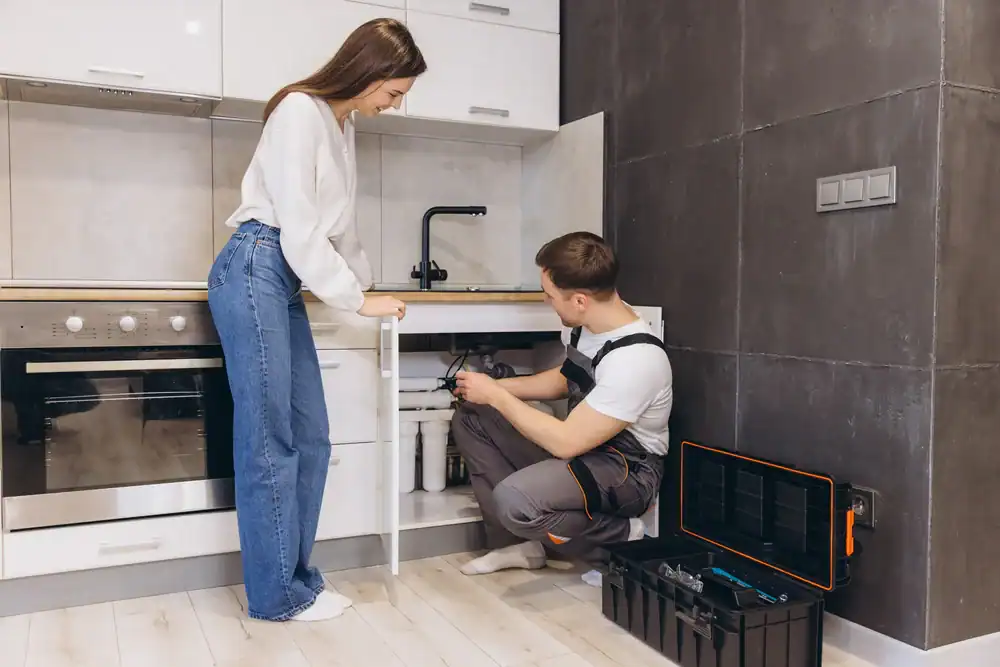
Installation happens at your main water line—the point of entry. That’s where all the water enters your home, which means every pipe downstream gets filtered water. The system includes filter media backwashing to keep everything running efficiently without constant maintenance.
After installation, you’ll notice the difference immediately. Water tastes better. Soap lathers easier. Your skin feels different after a shower. And in the background, your appliances are quietly lasting longer because they’re not fighting scale buildup and corrosion anymore.
Ready to get started?
A complete point-of-entry system that treats all the water coming into your house. That includes multi-stage filtration—sediment filters catch particles, carbon filters handle chlorine and chemicals, and depending on your water test, we may add UV sterilization or other technologies.
You get a system designed for Florida water. York sits in a state where hard water averages between 10 and 19 grains per gallon depending on where you are. That’s not just a nuisance—it’s a threat to your plumbing and appliances. Our systems handle that reality, not some national average that doesn’t apply here.
We also make sure you understand maintenance. These aren’t set-it-and-forget-it systems. Filter media needs backwashing. Cartridges need replacing. But we’re talking about annual maintenance that costs a fraction of what you’d spend replacing a water heater early or dealing with corroded pipes.
And if something goes wrong, we service what we sell. That’s a bigger deal than it sounds. Some of the national companies operating in Florida have terrible reputations for selling systems and disappearing when you need help. We’ve been here for 50 years. We’ll be here next year when you need us.
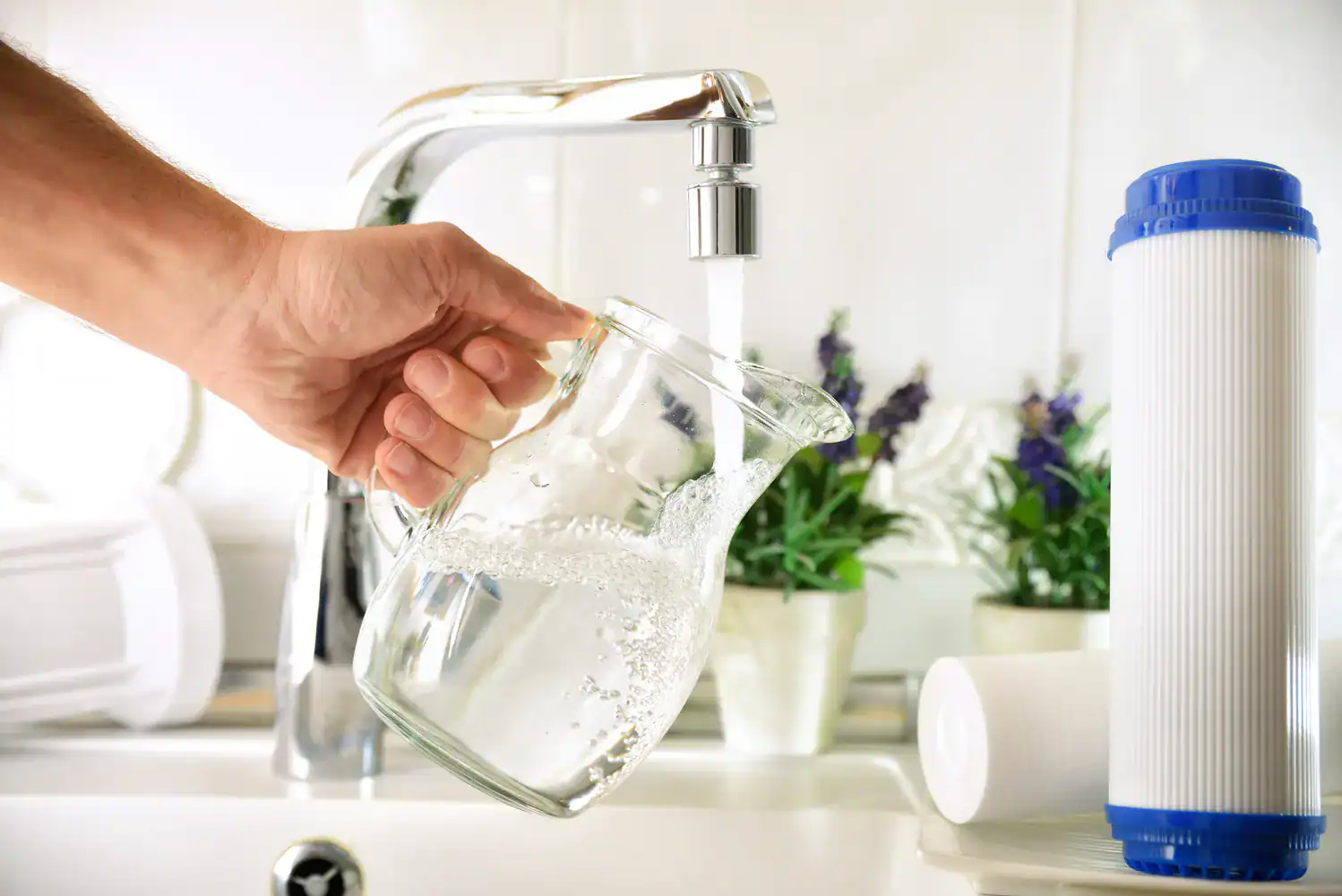
Most whole house systems run between $2,500 and $5,800 installed, depending on the size of your home and what’s in your water. A basic sediment and carbon setup costs less. A comprehensive point-of-entry system with water softening, advanced filtration, and UV sterilization costs more.
The price depends on what your water test shows. If you’re dealing with high hardness, chlorine, and contaminants, you need a more robust system. If your water is relatively clean and you just want to remove chlorine taste and protect appliances, you can spend less.
Annual maintenance typically runs $80 to $500 depending on your system. That covers filter replacements and any necessary backwashing or media changes. It’s not optional—skipping maintenance means your system stops working effectively, and you’ve wasted your investment.
Yes, but you need the right combination. Chlorine removal requires activated carbon filtration. Hard water requires a water softener or a salt-free conditioner, depending on your preference and your water’s hardness level.
Florida water utilities use chlorine for disinfection, which is why your water smells and tastes like a swimming pool. Whole home carbon filters remove that chlorine before it reaches your taps, your shower, and your appliances. That eliminates the taste, the smell, and the oxidation damage chlorine causes to rubber seals and gaskets in your appliances.
Hard water is a separate issue. It’s caused by dissolved calcium and magnesium. A carbon filter won’t remove those minerals—you need a softener. The good news is that a properly designed system handles both. We test your water, measure the hardness, and build a system that addresses everything at once.
Sediment pre-filters typically need replacing every three to six months, depending on how much sediment is in your water. Carbon filters last longer—usually six months to a year. Some advanced carbon media can last several years if the system includes backwashing.
If your system has a water softener, you’ll need to add salt periodically and occasionally clean the resin bed. If you have UV sterilization, the bulb needs replacing annually.
This isn’t complicated, but it does require attention. We set up a maintenance schedule based on your specific system and your household’s water usage. Skipping maintenance doesn’t just reduce effectiveness—it can damage the system and void warranties. Most of our customers handle basic filter swaps themselves and call us for the annual checkup.
A quality point-of-entry system removes sediment, chlorine, chloramines, heavy metals like lead, volatile organic compounds, and depending on the filtration media, PFAS and other emerging contaminants. It also reduces hardness minerals if you include a softener.
Florida’s groundwater is vulnerable to agricultural runoff, industrial contamination, and naturally occurring minerals. PFAS—those “forever chemicals” everyone’s worried about—have been detected in water supplies across the state. Standard carbon filters don’t remove PFAS effectively. You need advanced filtration media or reverse osmosis if testing shows PFAS in your water.
That’s why testing matters. We don’t guess. We test your water, identify what’s actually in it, and design a system that targets those specific contaminants. A system that works in Tampa might be overkill or insufficient for York. Your water is unique, and your system should reflect that.
A properly sized system shouldn’t cause noticeable pressure loss. If you experience pressure drop, it usually means the system is undersized for your household’s flow rate, or the filters are clogged and need replacing.
We size systems based on your home’s plumbing and your peak water usage. If you have four bathrooms and run multiple showers, dishwashers, and washing machines simultaneously, you need a system with a higher flow rate than a small house with two people.
Sediment buildup is the other common cause of pressure loss. If your pre-filters are catching a lot of sediment (which means they’re doing their job), they’ll clog faster and restrict flow. That’s why maintenance matters. Clean or replace those filters on schedule, and pressure stays consistent.
Please provide your email address so that we can stay in touch and answer any questions you have! We will be reaching back out shortly.
"*" indicates required fields
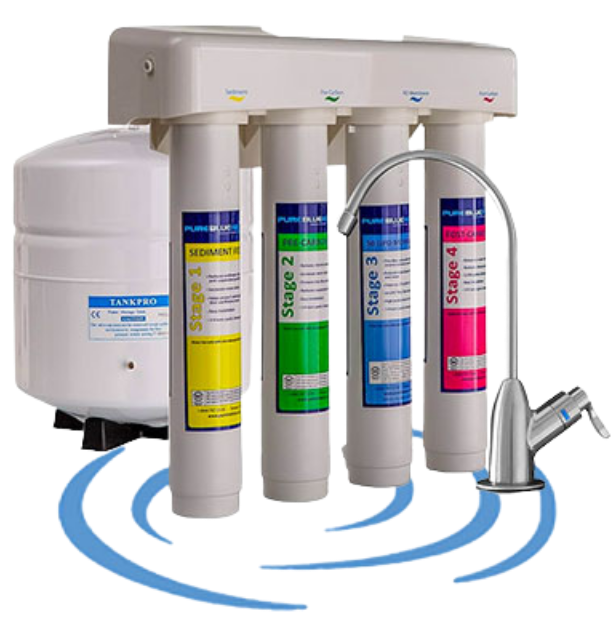
Get a free reverse osmosis drinking water system with the purchase of any whole-home water purification system.
*Cannot be combined with other offers. Mention this special when you call.