Reach Out Today
Please provide your email address so that we can stay in touch and answer any questions you have! We will be reaching back out shortly.


Hear from Our Customers
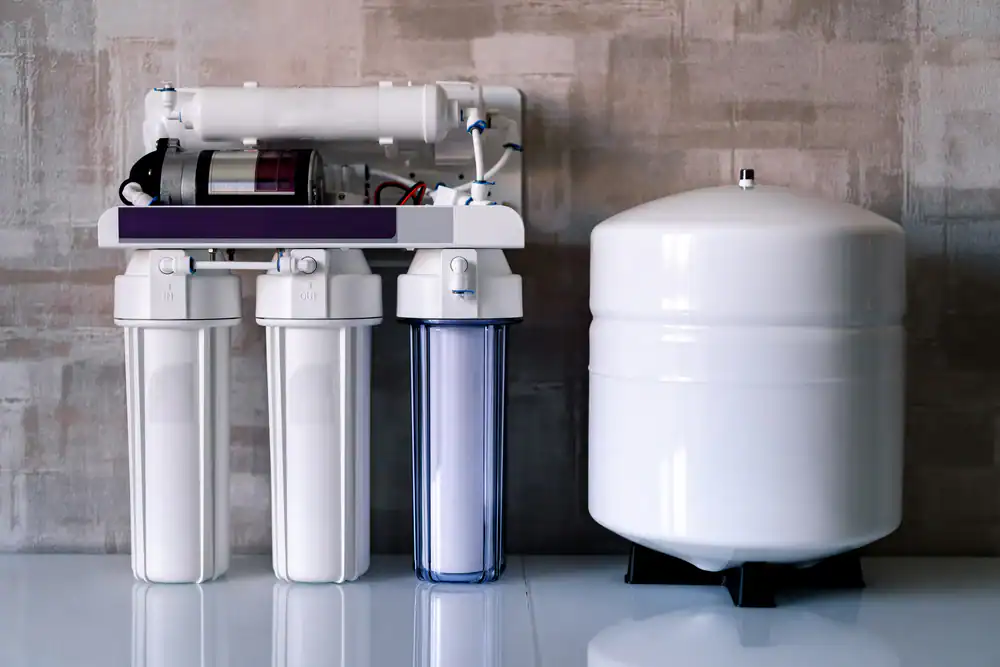
Your shower water stops drying out your skin and hair. The chlorine smell disappears. Your coffee tastes better because the water going into it is actually clean.
Your appliances last longer. Scale stops building up inside your water heater, dishwasher, and washing machine. That means fewer repairs and a longer lifespan for equipment you’ve already paid for.
You stop worrying about what’s in the water your kids are drinking. Florida’s porous limestone and sandy soil let contaminants move easily into groundwater—pesticides, nitrates, PFAS, and bacteria can all end up in your tap water. A whole home carbon filter and multi-stage sediment filtration system removes those contaminants at the point of entry, before they reach any fixture in your house.
You’re not just filtering one faucet. You’re protecting every tap, every shower, every load of laundry. That’s what a point-of-entry system does—it treats water where it enters your home, so every drop that flows through your plumbing is already filtered.
We have an A+ Better Business Bureau rating with five stars and zero complaints. We’re members of the National Water Quality Association. We’ve been installing and servicing water treatment systems across Florida for over half a century.
We don’t do plumbing or water heaters. We specialize in water purification, filtration, and softening—whole-house systems that actually work. We service what we sell, which matters more than most people realize until they need help and can’t get it.
Tocoi homeowners deal with the same water issues affecting much of Central Florida: high mineral content, seasonal contamination from heavy rainfall, and aquifer vulnerability. We size systems based on your actual water quality, your household size, and how your home uses water. Not every house needs the same setup.

We start with a water test. You need to know what’s in your water before you can treat it properly. We test for hardness, iron, manganese, sulfur, pH, bacteria, and other common contaminants found in Florida groundwater.
Once we know what we’re dealing with, we design a system that matches your water quality and your household’s daily usage. Most whole-house setups use multi-stage filtration: sediment filters catch dirt and rust first, then carbon media removes chlorine and chemical contaminants, and if needed, we add a water softener combination to handle hardness.
Installation happens at your main water line—the point of entry where water comes into your house. That’s why these are called point-of-entry systems. Everything downstream gets treated. We connect the system, set the backwashing schedule if your filter media requires it, and walk you through basic maintenance.
After installation, the system runs automatically. Depending on your setup, some filter media backwashes on a timer to stay clean and effective. You’ll need to replace certain filters periodically, and we handle service calls when you need them. Most of our clients check in once a year for a system review.

Ready to get started?
A properly sized point-of-entry system treats all the water entering your home. That includes your kitchen, bathrooms, laundry room, and any outdoor spigots connected to your main line. You’re not swapping pitcher filters or screwing cartridges onto individual faucets.
In Tocoi and the surrounding Lake County area, groundwater often carries elevated levels of calcium, magnesium, iron, and manganese. Heavy rain events—which Florida gets plenty of—push fertilizers, pesticides, and surface runoff into aquifers. A whole home carbon filter addresses chemical contamination. Multi-stage sediment filtration catches particulates before they reach your fixtures.
If your water is hard, a water softener combination handles mineral content while the carbon and sediment stages address everything else. If you’re on well water, bacteria and sulfur might be concerns, and we can add treatment stages for those. The system gets tailored to what’s actually in your water.
You’ll see the difference in water pressure, taste, and how your skin feels after a shower. Your soap lathers better. Your dishes don’t have spots. The water coming out of every tap is the same quality—filtered, softened if needed, and safe to drink or use however you need it.

Cost depends on your water quality, the size of your household, and what type of filtration system you need. A basic sediment and carbon setup for a smaller home starts in the low thousands. A more comprehensive system with a water softener combination, advanced carbon filtration, and specialty media for iron or sulfur removal costs more.
We don’t give quotes over the phone because your water might need different treatment than your neighbor’s. We test first, then design a system that actually handles what’s in your water. That’s the only way to give you an accurate price and a system that works.
Military members and first responders get a $500 discount. We’re serious about that—it’s not a promotional gimmick. If you serve or have served, that discount applies to your installation.
A properly designed point-of-entry system removes sediment, chlorine, chloramines, pesticides, herbicides, volatile organic compounds, and many PFAS compounds when the carbon bed is sized and maintained correctly. If your system includes a water softener, it also removes hardness minerals like calcium and magnesium.
Florida’s groundwater picks up contaminants easily because of porous limestone and sandy soil. The three most common aquifer contaminants here are dry-cleaning solvents, gasoline from leaking storage tanks, and pesticides. Heavy rainfall washes fertilizers and chemicals into the water table. A multi-stage filtration system with sediment filters and activated carbon media handles most of these.
If your water has high iron or manganese—common in Central Florida well water—you’ll see reddish-brown or black staining on sinks and toilets. Specialty filter media or an oxidation stage treats that. If bacteria or sulfur is present, we add a disinfection or aeration stage. The system gets built around your specific water test results.
Sediment pre-filters typically need replacement every three to six months, depending on how much sediment is in your water. If you’re on well water or in an area with older pipes, you might need to change them more often. Carbon media lasts longer—usually one to three years—but it depends on your water usage and what contaminants the carbon is removing.
If your system uses filter media backwashing, that happens automatically on a schedule. The system flushes itself to stay clean and effective. You don’t have to do anything. Some systems have salt tanks for water softening, and you’ll need to add salt periodically—usually every few months.
We recommend an annual service check. We test your water to make sure the system is still performing, inspect components, and replace anything that’s due. Most issues get caught early that way, and you’re not stuck without filtered water while waiting for parts.
A properly sized system won’t cause noticeable pressure loss. If the system is undersized for your household’s flow rate, or if filters get clogged and aren’t replaced on schedule, then yes, you’ll see pressure drop. That’s why sizing matters.
We calculate your peak flow demand based on how many bathrooms you have, how many people live in your home, and whether you run multiple fixtures at once. The system gets sized to handle that flow without restriction. Sediment filters are the most common cause of pressure issues, and that’s why they get changed regularly.
If you already have low water pressure, a whole house filter won’t fix that—but it won’t make it worse if it’s installed correctly. If pressure is a concern, we measure it during the initial consultation and design the system accordingly.
Activated carbon and certain specialty media can reduce many PFAS compounds, but removal rates depend on the specific PFAS chemicals present, the contact time with the filter media, and how often the media gets replaced. PFAS are called “forever chemicals” because they don’t break down easily, and they’ve been detected in Florida springs and aquifers, particularly along the east coast near Deltona.
If PFAS removal is a priority, we design the system with a larger carbon bed to increase contact time, and we use carbon specifically rated for PFAS reduction. We also set a more aggressive replacement schedule to keep the media effective. Some PFAS compounds are harder to remove than others, so we recommend testing your water after installation to confirm reduction levels.
The EPA’s maximum contaminant level for PFAS in drinking water is four parts per trillion. If your water source has tested above that, a point-of-entry carbon system is one of the most practical ways to treat it at the household level. We can also add reverse osmosis at your kitchen sink for an extra layer of protection on drinking water.
Please provide your email address so that we can stay in touch and answer any questions you have! We will be reaching back out shortly.
"*" indicates required fields
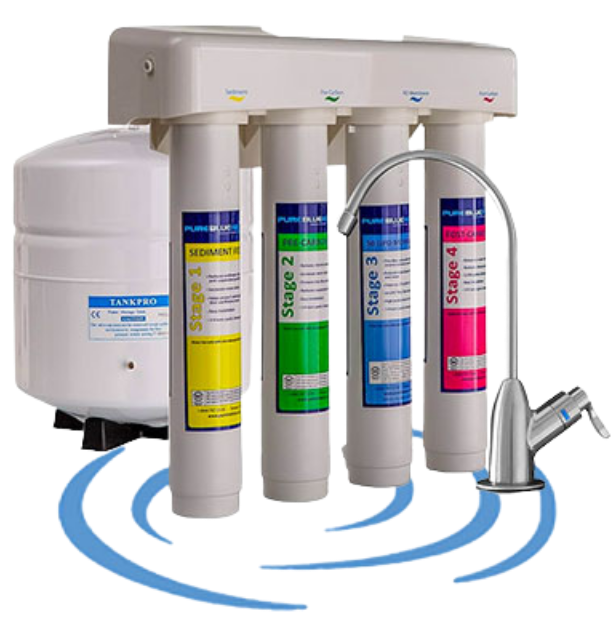
Get a free reverse osmosis drinking water system with the purchase of any whole-home water purification system.
*Cannot be combined with other offers. Mention this special when you call.