Reach Out Today
Please provide your email address so that we can stay in touch and answer any questions you have! We will be reaching back out shortly.


Hear from Our Customers
Your shower doesn’t leave a film on your skin. Your coffee tastes like coffee, not chlorine. Your washing machine stops building up that chalky residue that kills appliances early.
A whole house water filter handles everything at the point where water enters your home. That means every tap, every fixture, every appliance gets filtered water. You’re not just protecting what you drink—you’re protecting what touches your skin, what cleans your clothes, and what runs through your plumbing.
Florida water is tough on homes. The mineral content alone can cut the life of a water heater in half. Add in the chlorine, bacteria, and whatever else makes it through municipal treatment, and you’re looking at real money lost over time. Whole home carbon filters and multi-stage sediment filtration catch what you can’t see before it becomes a problem you can’t ignore.
We hold an A+ Better Business Bureau rating with a 5-star review average and zero complaints. That’s not marketing language—it’s a verifiable track record. We’re also members of the National Water Quality Association, which means our work meets industry standards you can look up yourself.
We don’t do plumbing. We don’t install water heaters. We focus entirely on water purification, softening, and filtration for homes in Thornton Park and surrounding areas. That focus matters because Florida water has specific challenges—hardness, chlorine levels, and seasonal bacteria counts that need local expertise, not a one-size-fits-all approach.
If you’re military or a first responder, we offer a $500 discount. We also support the Tunnels to Towers Foundation because we believe in taking care of the people who take care of us.

First, we test your water. Not a guess, not a general recommendation—actual testing to see what’s in your specific water supply. Thornton Park pulls from municipal sources, but what comes out of your tap can vary based on your home’s age, pipe material, and how far you are from the treatment plant.
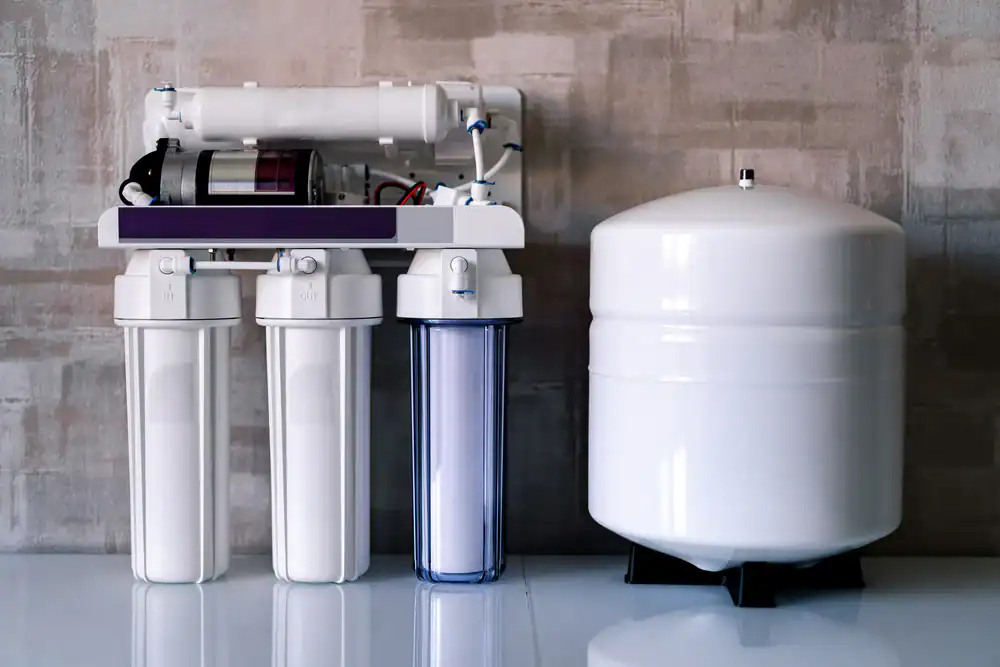
Once we know what we’re dealing with, we recommend a system. Most homes need a combination approach: sediment filtration to catch particles, carbon filtration to remove chlorine and organic compounds, and often a water softener to handle Florida’s hardness levels. These aren’t separate units you manage—they work together as a point-of-entry system installed where your main water line enters the house.
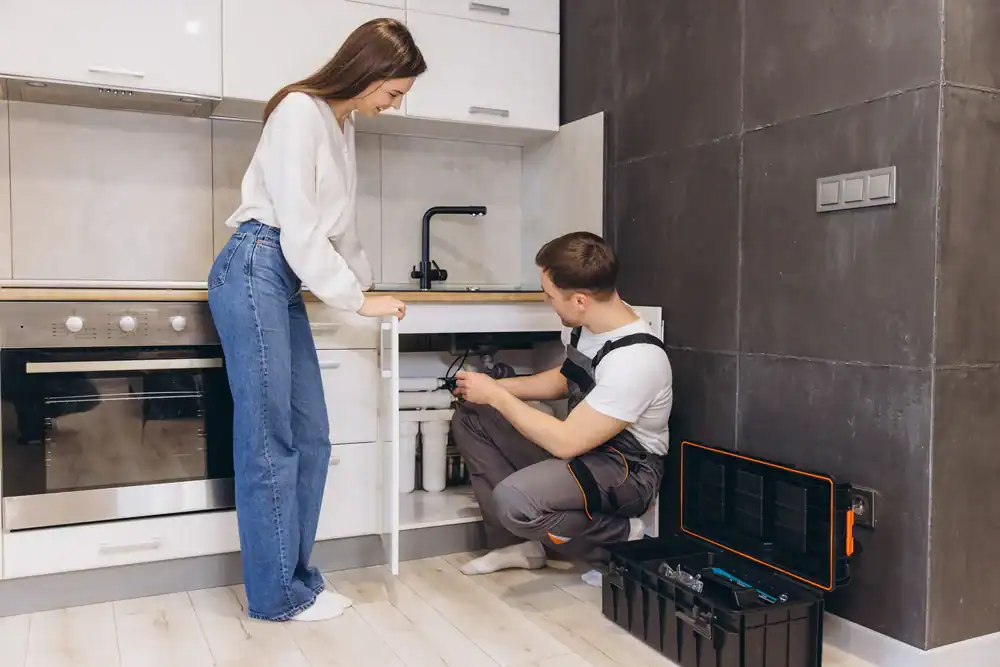
Installation typically takes a few hours. We connect the system to your main line, set up the filter media backwashing schedule if needed, and walk you through basic maintenance. After that, filtered water flows to every fixture in your home. You’ll notice the difference immediately in taste and feel, and your appliances will thank you over the long run.
Ready to get started?
A true whole house water filter isn’t just one piece of equipment. It’s a multi-stage sediment filtration system that catches dirt, rust, and particles before they reach your fixtures. It’s a whole home carbon filter that pulls out chlorine, volatile organic compounds, and the stuff that makes your water smell or taste off. For most Thornton Park homes, it also includes a water softener combination to handle the mineral content that destroys appliances and leaves spots on everything.
The system gets installed at your main water line—the point of entry. That’s why these are called POE systems. Everything gets filtered before it splits off to your kitchen, bathrooms, laundry, and outdoor spigots. You’re not choosing which taps get clean water. They all do.
Filter media backwashing is part of the process for certain systems. It’s automatic, happens on a schedule, and keeps your filters working without you thinking about it. We set that up during installation. You’ll need to replace certain filter cartridges periodically—we’ll tell you when and show you how, or we can handle it for you. There’s no mystery maintenance or surprise service calls.
Whole house systems typically range from $2,000 to $6,000 depending on the size of your home, the complexity of your water issues, and whether you need additional components like a softener or reverse osmosis stage. Thornton Park homes average around 1,500 to 2,500 square feet, which usually falls in the mid-range for equipment and installation.
The cost isn’t just the equipment. You’re paying for proper installation at your main water line, system setup, and often a water test to determine what filtration stages you actually need. Cheaper systems exist, but they’re usually point-of-use filters for a single tap or under-sink units that don’t protect your whole home.
We don’t finance, but we do offer a $500 discount for military members and first responders. The return on investment shows up in longer appliance life, no more bottled water purchases, and fewer plumbing issues caused by sediment and mineral buildup. Most homeowners break even within a few years just on appliance replacement costs alone.
Multi-stage systems remove sediment, chlorine, chloramines, heavy metals like lead and mercury, volatile organic compounds, and certain bacteria depending on the filtration media used. Florida municipal water is treated, but chlorine levels can be high, and older pipes can introduce contaminants between the treatment plant and your home.
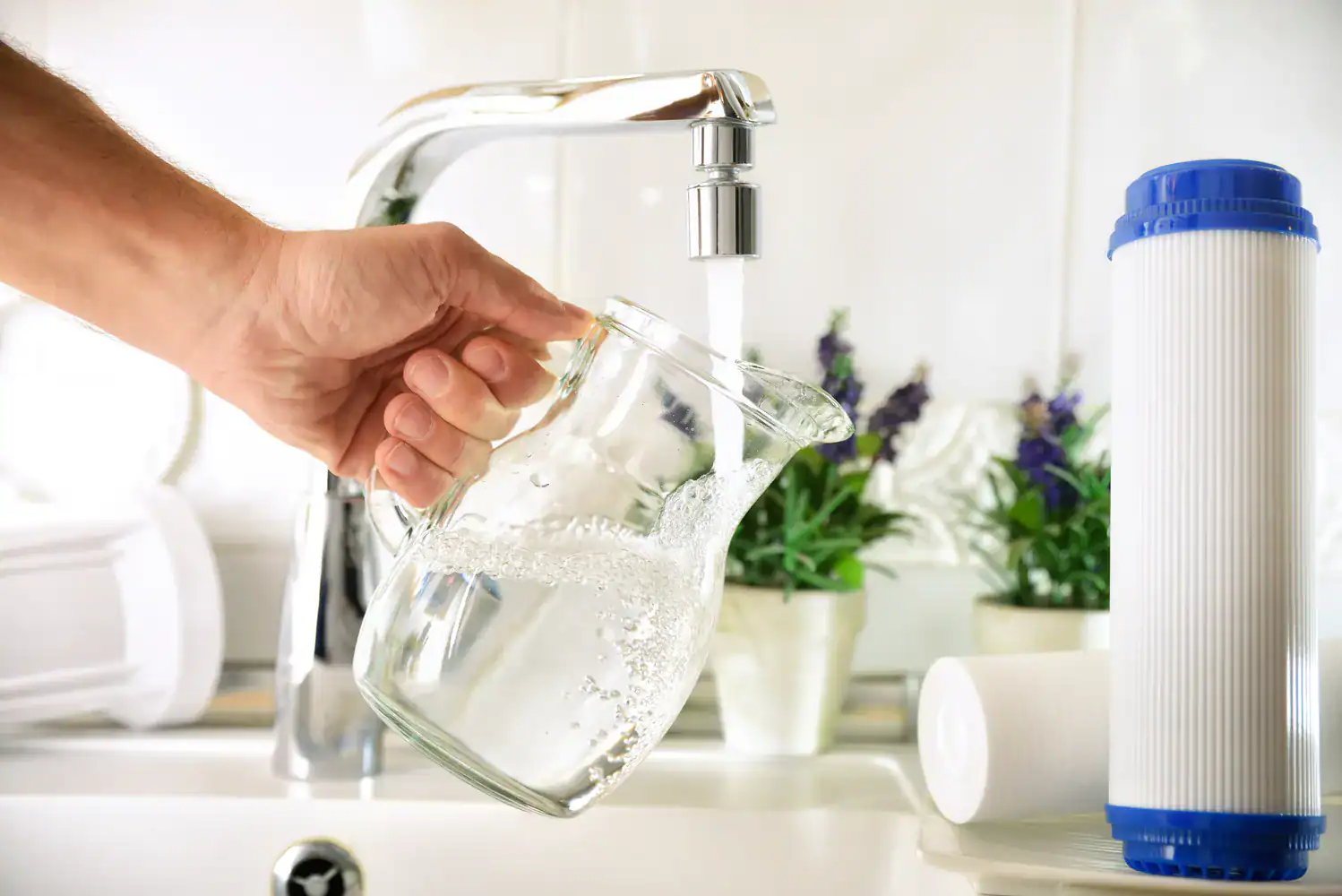
Sediment filtration catches rust, dirt, and particles down to 5 microns or smaller. Carbon filtration handles chlorine, which is the main culprit behind bad taste and smell, plus organic compounds that can leach from pipes or enter through groundwater. If your water is particularly hard—which it often is in Florida—a softener stage removes calcium and magnesium that cause scale buildup.
Some systems include additional stages for specific issues like iron, sulfur, or bacteria. That’s why testing matters. We don’t guess what’s in your water. We test it, then build a system around what’s actually there. Generic systems might miss what your home specifically needs.
Sediment filters typically need replacement every 6 to 12 months depending on your water quality and household usage. Carbon filters last longer—usually 12 to 24 months. If your system includes a softener, you’ll need to add salt periodically, and the resin bed might need replacement every 10 years or so.
Filter media backwashing happens automatically if your system is set up that way. It’s a self-cleaning process that flushes accumulated sediment out of the filter media, usually once a week or based on water usage. You don’t do anything—it’s programmed during installation.
We can handle all maintenance for you, or we can show you how to swap filters yourself. It’s not complicated, but some homeowners prefer to have us do it. Either way, we’ll remind you when it’s time. Skipping maintenance doesn’t just reduce effectiveness—it can damage the system and let contaminants through that you thought were being filtered.
A properly sized and installed system should not noticeably reduce water pressure. If pressure drops, it usually means the system is undersized for your home’s flow rate, the filters are clogged and need replacement, or there’s an installation issue that needs adjustment.
Flow rate matters. Most whole house systems are rated for 10 to 15 gallons per minute, which handles typical household demand even when multiple fixtures are running. Thornton Park homes with larger square footage or more bathrooms might need a higher-capacity system to maintain pressure during peak usage times like morning showers.
We size systems based on your home’s plumbing and your household’s water usage patterns. If you’re replacing an old system or adding filtration for the first time, we’ll measure your current flow rate and pressure to make sure the new system keeps up. Pressure problems are avoidable with correct sizing and regular filter maintenance.
Most likely, yes. Whole house filters handle sediment, chlorine, and contaminants, but they don’t remove the calcium and magnesium that cause hardness. Florida water is notoriously hard, and hardness destroys water heaters, clogs pipes, leaves residue on fixtures, and makes soap less effective.
A water softener combination is common in Florida homes. The softener handles hardness while the filtration stages handle everything else. They work together as a point-of-entry system, installed in sequence so water passes through both before reaching your home’s plumbing.
Some people think a filter alone will solve everything. It won’t. If your water is hard—and in Thornton Park, it probably is—you need both. We test your water first to confirm hardness levels, then recommend the right combination. Skipping the softener means you’ll still deal with scale buildup, shortened appliance life, and that filmy feeling on your skin after a shower.
Please provide your email address so that we can stay in touch and answer any questions you have! We will be reaching back out shortly.
"*" indicates required fields