Reach Out Today
Please provide your email address so that we can stay in touch and answer any questions you have! We will be reaching back out shortly.


Hear from Our Customers
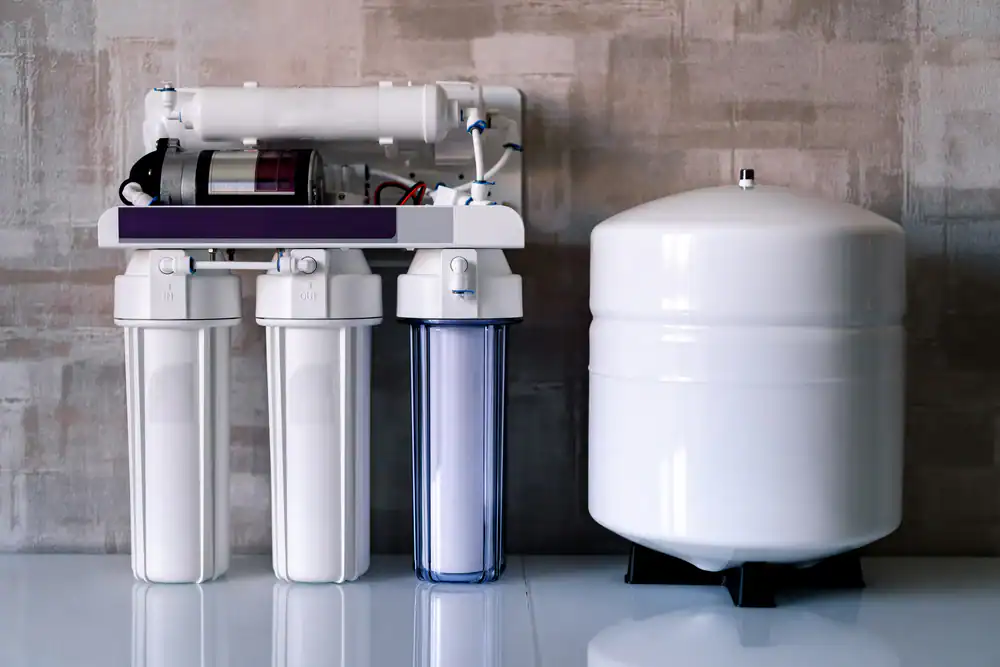
If you’ve lived in St. Charles for any stretch of time, you already know what the Villages’ water does. The white crust on your showerhead. The filmy residue on your glass shower doors. That faint chlorine smell when you run the tap. These aren’t quirks — they’re symptoms of water that’s been pulled from a limestone aquifer and treated with disinfectants that do their job in the distribution system but have no business sitting in your pipes at home.
A whole house point of entry system changes all of that. Installed where the main water line enters your home, it treats every gallon before it reaches anything — your kitchen tap, your shower, your washing machine, your water heater. You stop inhaling chlorine steam in a hot shower. Your skin stops feeling tight after you rinse off. Your dishes come out of the dishwasher without spots. And the appliances you’ve had since this home was built around 2010 stop accumulating the mineral scale that’s been quietly shortening their lifespan for fifteen years.
That last point matters more than most people realize. Hard water scale reduces a water heater’s efficiency significantly and accelerates its breakdown. For a home in the $500,000 to $900,000 range — which is what St. Charles homes are trading at right now — protecting the plumbing and appliances inside it isn’t optional maintenance. It’s smart ownership.
We’ve been doing this for over fifty years — not fifty years of general contracting with water filters as a side service, but fifty years of water treatment specifically. That distinction matters when you’re choosing who installs a system in a St. Charles home you’ve invested in.
We hold a BBB A-rating with zero complaints on file. We’re also a member of the Water Quality Association, which holds its members to a professional code of ethics that most of the plumbing companies appearing in your search results simply aren’t bound by. When you call us, you’re not getting a generalist who added filtration to their service menu. You’re getting a specialist who knows the Villages of Lake-Sumter water system, knows what the Floridan Aquifer does to homes in Sumter County, and can show you exactly what’s in your water before recommending anything.
If you’re a veteran or first responder — and a significant number of St. Charles residents are — there’s a $500 discount waiting for you. That’s not a footnote. It’s a real offer for a community that’s earned it.
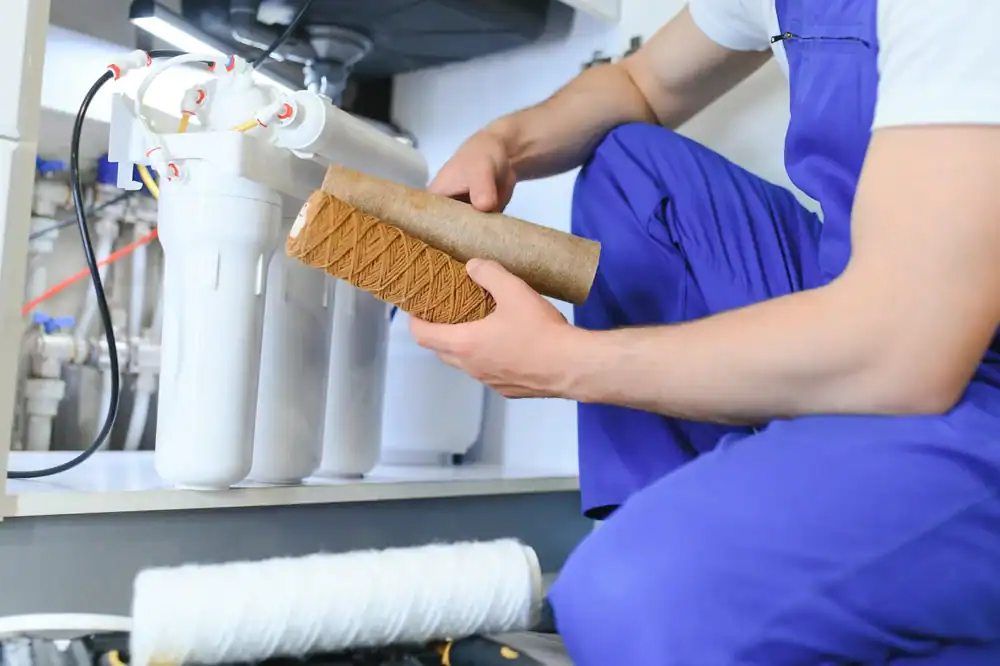
It starts with a water test — not a theatrical demonstration designed to frighten you, but an actual analysis of what’s in your specific home’s water. The Villages of Lake-Sumter water system has documented detections of haloacetic acids, total trihalomethanes, chromium, arsenic, and elevated hardness minerals. But every home’s water profile is slightly different depending on the line, the fixtures, and how the system has been maintained. The test tells you what you’re actually dealing with.
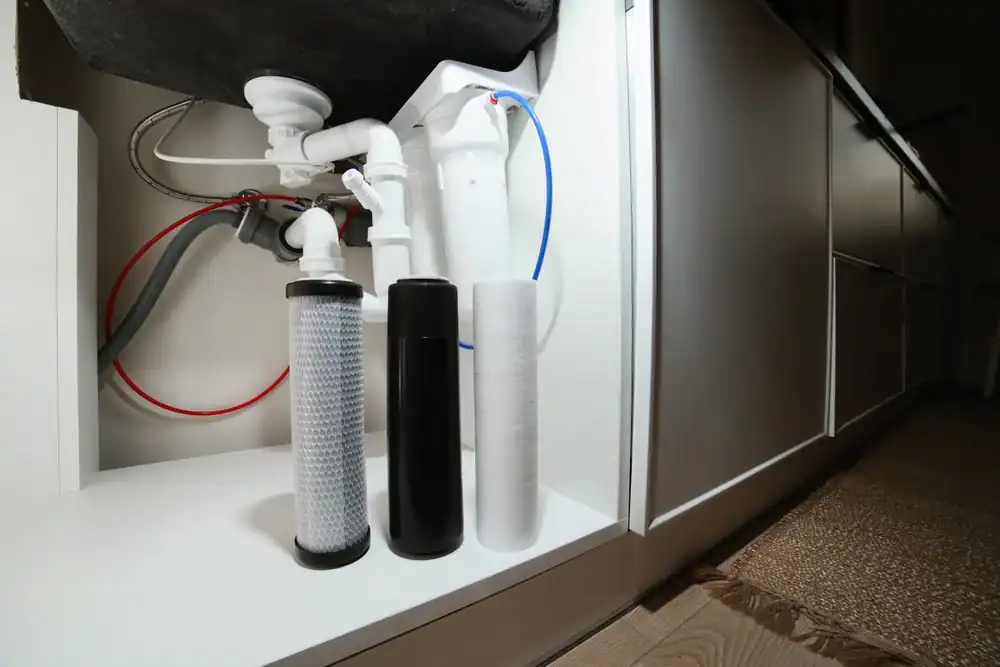
From there, we recommend a system based on your results — not based on which product has the highest margin. A multi-stage whole house system typically starts with a sediment pre-filter that catches particles before they reach the carbon stages. Activated carbon then handles chlorine, chloramines, and the organic compounds that form disinfection byproducts in warm Florida water. Additional stages address whatever your specific test results call for.
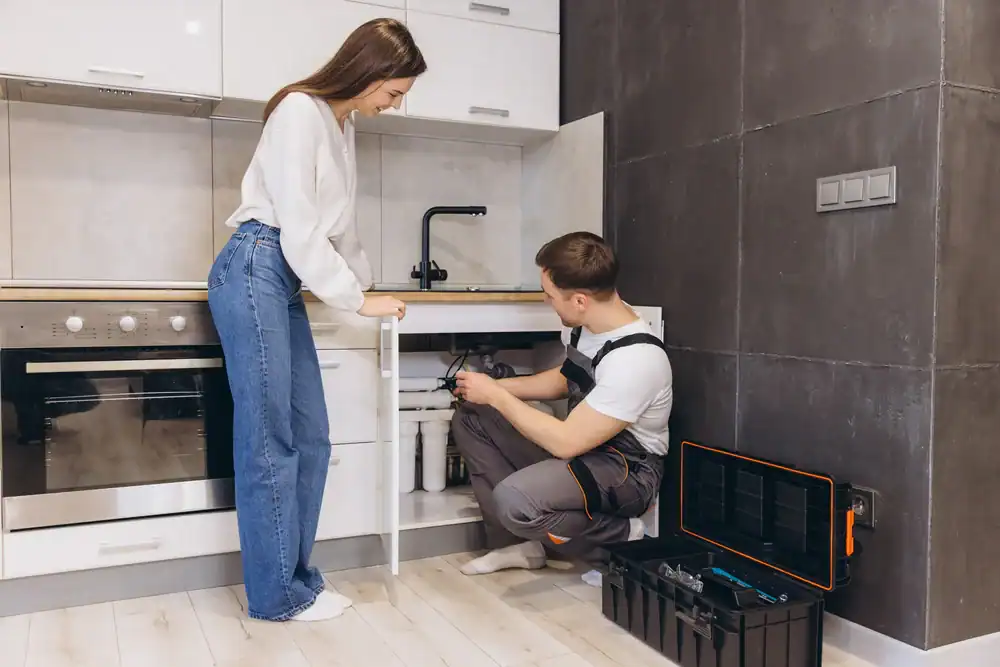
Installation is done at the main water entry point, typically in your garage or utility area — no exterior modifications, no HOA complications, no disruption to the rest of your home. Homes in St. Charles built around 2010 have standard plumbing configurations that make this a clean, straightforward installation. Once it’s in, we service what we sell. Filter replacements, maintenance checks, and follow-up calls are part of the relationship — not an afterthought.
Ready to get started?
A whole house point of entry system from Quality Safe Water of Florida isn’t a single filter on a single tap. It’s a complete solution installed at the main line — which means the water feeding your kitchen, your bathrooms near the Cane Garden golf views, your laundry room, and your water heater is all treated before it ever reaches those fixtures. That’s what separates a whole house system from the under-sink unit you might already have.
For St. Charles homeowners specifically, the multi-stage filtration approach addresses the full contaminant picture documented in the Villages of Lake-Sumter water supply: disinfection byproducts from chlorine treatment, hard water minerals from the Floridan Aquifer’s limestone geology, sediment, and trace compounds that don’t affect the smell or taste but have documented long-term health implications according to EWG data. You’re not filtering for one problem — you’re covering the full profile.
Chlorine removal happens at the carbon stage, which also handles chloramines and the organic compounds responsible for disinfection byproduct formation. Hard water minerals are addressed through softening treatment that protects your pipes and appliances from the scale buildup that’s been accumulating since your home was new. The result is water that’s genuinely different — at every tap, every shower, every appliance — not just the one spot under your kitchen sink.
Technically, yes — the Villages of Lake-Sumter water system meets EPA legal standards. But meeting the legal limit and being free of concern are two different things. The Environmental Working Group’s tap water database documents detections of haloacetic acids and total trihalomethanes in this system — disinfection byproducts that form when chlorine reacts with organic matter in the water. The EWG health guideline for haloacetic acids is 0.1 parts per billion, a threshold that reflects a one-in-a-million lifetime cancer risk. The legal limit is set much higher.
The system has also detected chromium, arsenic, barium, and elevated hardness minerals — all sourced from the Floridan Aquifer that supplies groundwater throughout central Florida. None of this means your water is an emergency. It means that if you’re drinking directly from the tap without filtration, you’re consuming compounds that a well-designed whole house system can significantly reduce. A water test will show you exactly what’s present in your St. Charles home’s water specifically, which is always the right starting point before deciding what system you need.
That’s the disinfectant residual that the municipal system adds to keep the water safe as it travels through the distribution lines. It’s necessary out there in the pipes — but by the time water reaches your St. Charles home, the chlorine has already done its job. What’s left is just the taste, the smell, and the chemical reactions that keep happening inside your plumbing and appliances.
Florida’s warm climate makes this worse than in northern states. Higher water temperatures accelerate the rate at which chlorine reacts with organic matter to form disinfection byproducts — which is part of why central Florida water systems tend to show elevated byproduct levels compared to cooler regions. A whole house carbon filtration system removes chlorine and chloramines at the point of entry, so nothing with that chemical odor ever reaches your taps, your shower, or your laundry. Most homeowners notice the difference immediately — both in the taste of their water and in how their skin feels after a shower.
Hard water damage to appliances is real and well-documented. The calcium and magnesium that dissolve naturally from the limestone geology beneath central Florida create water that’s aggressive enough to leave visible mineral deposits on your fixtures — which means it’s also leaving invisible scale inside your water heater, your dishwasher, and your washing machine. Scale buildup forces appliances to work harder to do the same job, which reduces efficiency and shortens lifespan.
For a St. Charles home built around 2010, that’s roughly fifteen years of mineral accumulation in every water-using appliance. A water heater that should last twenty years may be approaching failure earlier than expected. A dishwasher that’s leaving spots on your glasses is also building scale on its internal components. The fix isn’t replacing the appliances — it’s treating the water before it reaches them. A whole house system with softening treatment stops the accumulation at the source, which is significantly less expensive than the appliance replacements that hard water eventually forces.
An under-sink system — including reverse osmosis units — treats only the water coming out of the one tap it’s connected to. That’s typically your kitchen drinking tap. Everything else in your home is still getting untreated water: your shower, your bathroom sinks, your laundry, your dishwasher, and your water heater. The chlorine you’re filtering out of your drinking water is still becoming steam in your shower and being inhaled every morning. The hard water minerals are still coating the inside of your appliances.
A whole house point of entry system is installed where the main water line enters your home — before it branches out to any fixture or appliance. Every gallon that flows anywhere in your house has been filtered first. That’s the only approach that actually addresses the full water quality picture in St. Charles, where the concerns aren’t limited to drinking water. They include skin and hair exposure in the shower, appliance protection, laundry quality, and the long-term health of your plumbing. An under-sink unit is a partial answer. A whole house system is the complete one.
For most St. Charles homeowners, a whole house filtration system installed by a professional runs somewhere between $1,200 and $6,500 depending on the system configuration, the number of treatment stages, and what your water test results call for. The national average for whole house filtration installation sits around $2,273, with most homeowners paying between $1,100 and $3,500. Systems with softening treatment for hard water — which is essentially standard for homes on the Villages of Lake-Sumter water supply — tend to fall in the mid-to-upper end of that range.
It’s worth putting that number against what you’re currently spending. A household buying bottled water at $75 to $100 per month is spending $900 to $1,200 per year on water that’s regulated less rigorously than municipal tap water and packaged in single-use plastic. Over five years, that’s $4,500 to $6,000 — before you factor in the cost of a water heater that hard water pushed to early failure. The filtration system pays for itself. If you’re a veteran or first responder, the $500 discount from us brings the entry point down further.
Please provide your email address so that we can stay in touch and answer any questions you have! We will be reaching back out shortly.
"*" indicates required fields
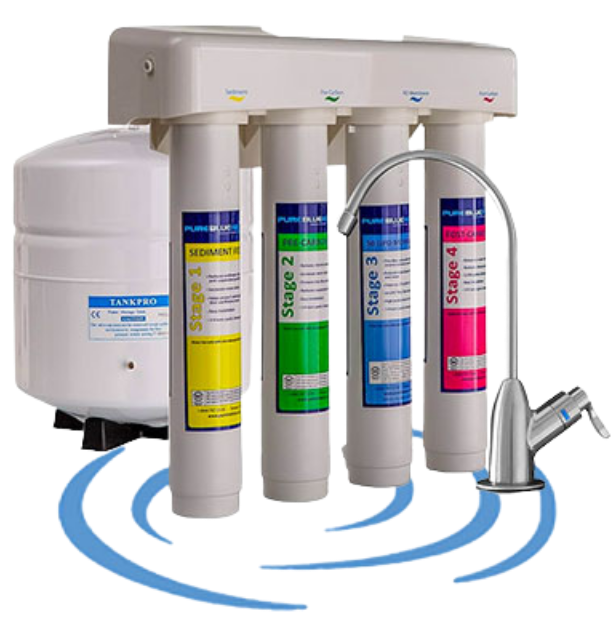
Get a free reverse osmosis drinking water system with the purchase of any whole-home water purification system.
*Cannot be combined with other offers. Mention this special when you call.