Reach Out Today
Please provide your email address so that we can stay in touch and answer any questions you have! We will be reaching back out shortly.


Hear from Our Customers
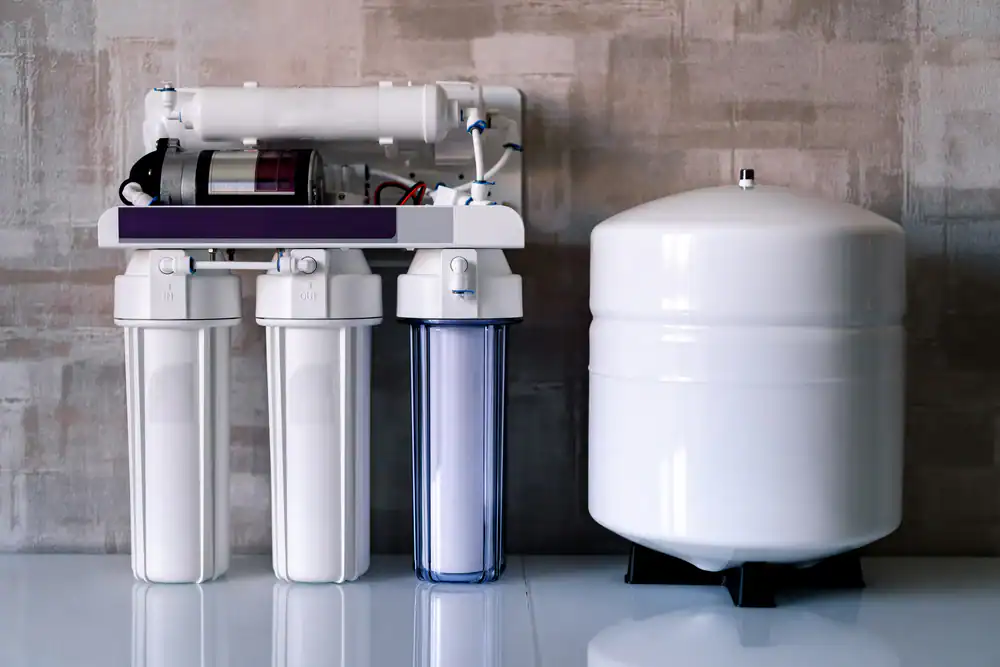
Your water stops tasting like chlorine. Your skin doesn’t feel dry after every shower. Your coffee tastes better because the water going into it is better.
Hard water spots disappear from your glassware. Your washing machine, dishwasher, and water heater last longer because they’re not fighting mineral buildup every day. You stop buying bottled water because what comes out of your tap is cleaner than what you’ve been paying for at the store.
A whole house water filter handles everything at the point of entry. That means every drop of water in your home gets treated before it reaches you. No more guessing which faucet is safe or which shower is going to dry out your hair.
We have an A+ rating with the Better Business Bureau and a 5-star rating with zero complaints. We’re members of the National Water Quality Association, which means we follow industry standards that matter.
We don’t sell systems and disappear. We install them, service them, and answer the phone when something needs attention. That’s why homeowners in Southside Estates call us when they’re tired of dealing with Florida’s hard water, chlorine taste, and the contamination concerns that come with living near aging infrastructure and agricultural runoff.
We also offer a $500 discount for military members and first responders, and we support the Tunnels to Towers Foundation because some things matter more than profit.

First, we test your water. Not a guess based on your zip code—an actual analysis of what’s coming into your home. That tells us what we’re dealing with: chlorine, chloramine, hardness, sediment, iron, sulfur, PFAS, nitrates, or a combination.
Then we design a system based on your results and your household size. Most whole house systems use multi-stage sediment filtration to catch particles, whole home carbon filters to remove chlorine and organic contaminants, and sometimes a water softener combination if your hardness levels are high. Some homes in Southside Estates also benefit from UV sterilization if bacteria or organic matter is a concern.
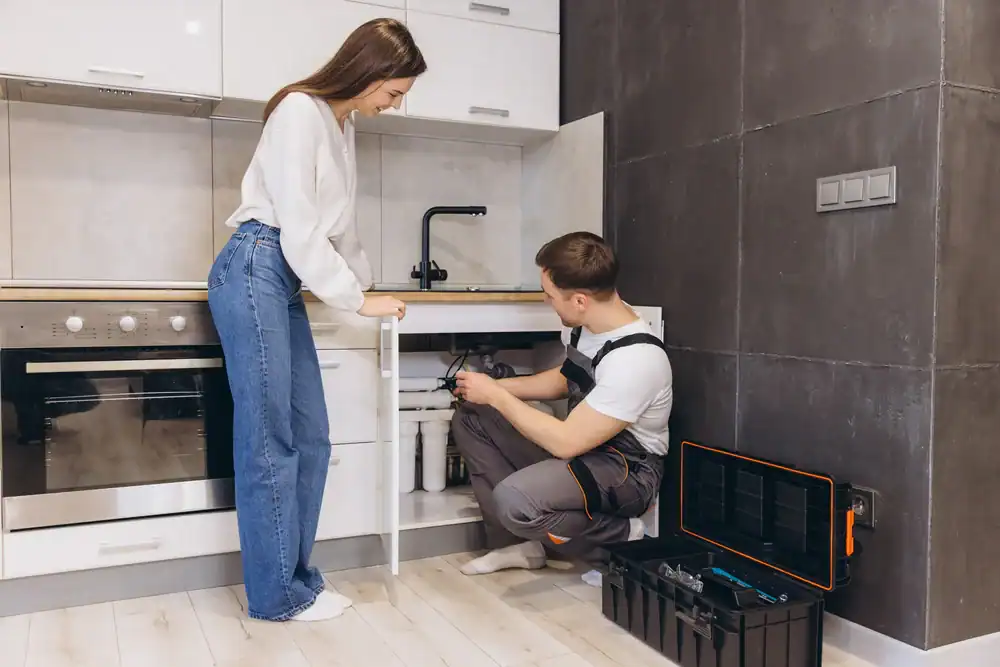
We install the system at your main water line—the point of entry—so every fixture in your home gets treated water. After installation, the system runs automatically. Some filter media needs backwashing to stay effective, but that’s handled by the system itself. You’ll just need to replace filters on schedule, and we’ll remind you when that’s due.
Ready to get started?
A whole house water filter isn’t one piece of equipment—it’s a system designed around your water quality. In Southside Estates, that usually means dealing with Florida’s high mineral content, chlorine from municipal treatment, and increasingly, PFAS contamination that’s shown up in nearly two-thirds of the state’s freshwater springs.
Your system will likely include a sediment pre-filter to catch rust, dirt, and particles before they reach the main filtration stages. Then comes the carbon filtration, which handles chlorine, chloramine, and organic chemicals that affect taste and smell. If your water is hard—and in Florida, it usually is—you may need a softener to prevent scale buildup in your pipes and appliances.
We also offer UV sterilization for homes on well water or those concerned about bacteria. The UV light kills organisms without adding chemicals, which means your water stays clean without any aftertaste or residue. Everything is installed at the main line, and we make sure it’s sized correctly for your home’s water usage so you never lose pressure or flow.
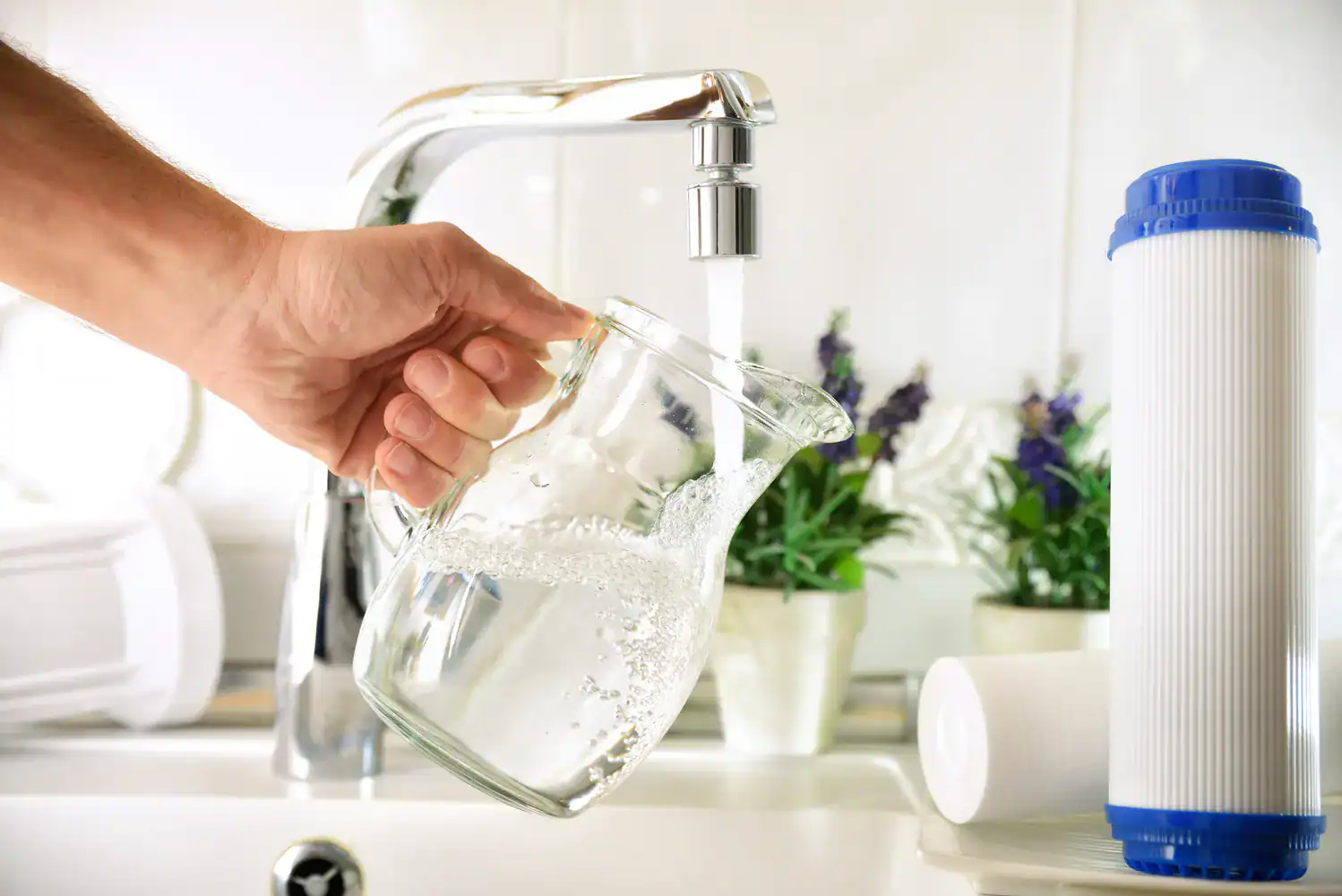
The cost depends on what your water needs and what your home requires. A basic sediment and carbon filtration system starts around $2,000 to $3,000 installed. If you need a water softener combination or UV sterilization, that range moves up to $4,000 to $6,000 or more.
That’s not a small investment, but compare it to what you’re already spending. If you’re buying bottled water for your family every week, that’s $50 to $100 a month—$600 to $1,200 a year. Add in the cost of replacing appliances early because of hard water damage, and the math starts to make sense.
We don’t finance systems ourselves, but many homeowners use a home equity line or a credit card with a 0% intro rate to spread out the cost. We also offer that $500 discount for military and first responders, which helps.
Yes, but only if the system is designed for it. Standard carbon filters help with chlorine and taste, but PFAS removal requires activated carbon with a specific pore structure or a reverse osmosis stage. The EPA now sets limits at 4 parts per trillion for PFOA and PFOS, and nearly 9 million Floridians have detectable levels of these chemicals in their water.
If PFAS is a concern—and in Southside Estates it should be, given the contamination detected near Deltona and other parts of North Florida—we’ll test for it first. Then we’ll recommend a system that’s certified to reduce it. That usually means a more advanced carbon filter or a point-of-entry reverse osmosis unit for the whole home.
Not every home needs this level of filtration, but if your water test shows PFAS, it’s worth addressing. These chemicals don’t break down, and they’ve been linked to serious health issues. A properly designed system can reduce them by 99% or more.
It depends on the system and your water quality, but most whole house filters need replacement every 6 to 12 months. Sediment pre-filters may need changing more often if your water has a lot of particulates. Carbon filters typically last a year under normal use.
If your system includes a water softener, you’ll need to add salt periodically and replace the resin bed every few years. UV bulbs lose effectiveness after about a year, even if they still look like they’re working, so those need annual replacement.
We’ll give you a maintenance schedule when we install your system, and we can handle the replacements if you don’t want to deal with it yourself. Some homeowners prefer to do it on their own—it’s not complicated—but we’re available either way. The key is staying on schedule. A filter that’s past its lifespan isn’t doing much for your water quality.
Not if it’s sized correctly. A properly installed point-of-entry system is designed to handle your home’s flow rate without causing a noticeable drop in pressure. The key is matching the system capacity to your household demand.
Most homes in Southside Estates use between 5 and 10 gallons per minute during peak times—morning showers, laundry, dishwasher running at once. We size the system to handle that flow without restriction. If your home has higher demand or multiple bathrooms running simultaneously, we’ll install a larger unit or configure the system to maintain pressure.
The only time pressure becomes an issue is when someone installs an undersized system or skips the pre-filter and lets sediment clog the main filter. That’s why we do the math upfront and install a sediment filter first. Your showers should feel exactly the same—just cleaner.
Technically, yes. Realistically, most homeowners shouldn’t. Installing a point-of-entry system means cutting into your main water line, installing a bypass valve, mounting the filter housing, and making sure everything is sealed and pressure-tested. If something leaks or isn’t installed correctly, you’re looking at water damage or a system that doesn’t work.
There’s also the question of sizing and system design. If you don’t test your water first, you’re guessing at what filtration you need. If you pick the wrong size, you’ll either lose pressure or end up with a system that can’t keep up with your household demand.
We’ve seen plenty of DIY installs that had to be redone. The equipment cost is the same whether you install it yourself or hire someone, but the labor cost is a lot less than fixing a mistake. If you’re handy and confident working with plumbing, it’s possible. For most people, it’s worth hiring someone who does this every day.
Please provide your email address so that we can stay in touch and answer any questions you have! We will be reaching back out shortly.
"*" indicates required fields
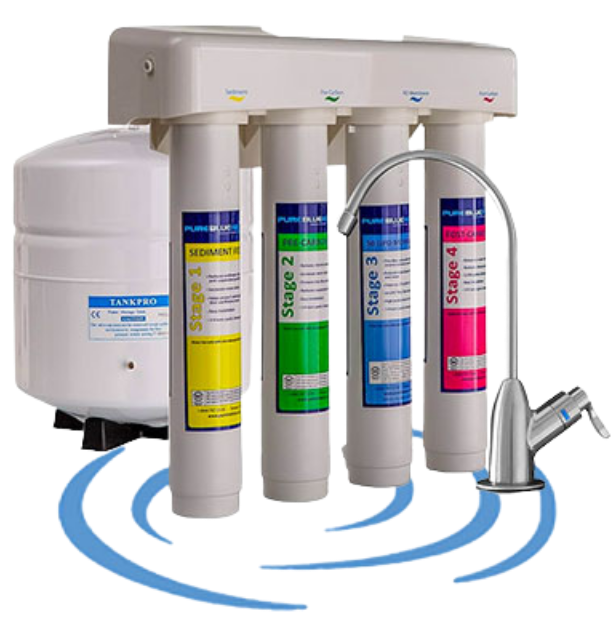
Get a free reverse osmosis drinking water system with the purchase of any whole-home water purification system.
*Cannot be combined with other offers. Mention this special when you call.