Reach Out Today
Please provide your email address so that we can stay in touch and answer any questions you have! We will be reaching back out shortly.


Hear from Our Customers
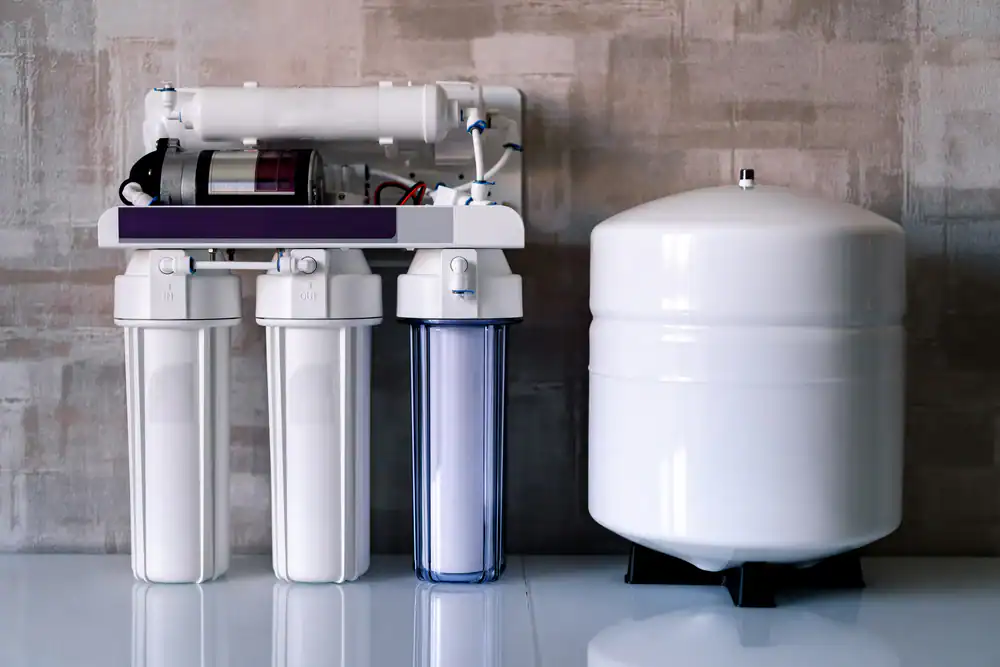
Your water stops tasting like a swimming pool. The chlorine smell disappears when you turn on the shower. Your skin doesn’t feel tight and itchy after bathing.
Hard water stains on your dishes and fixtures become a thing of the past. Your water heater and appliances stop building up scale that shortens their lifespan. You’re not buying bottled water anymore because what comes out of your tap actually tastes clean.
South Apopka’s water ranges from 125 to 214 mg/L in hardness – that’s moderately hard to hard. Without treatment, that mineral content damages your appliances and leaves residue on everything it touches. A point-of-entry system treats water before it enters your home’s plumbing, so every drop that comes through is already filtered.
You’ll notice the difference immediately. Soap lathers better. Coffee tastes better. Your hair feels softer. And you’re not constantly scrubbing mineral deposits off your showerhead.
We hold an A+ Better Business Bureau rating with five stars and zero complaints. We’re members of the National Water Quality Association, which means we’re held to professional standards in water treatment.
We don’t do plumbing. We don’t install water heaters. We focus exclusively on water filtration, purification, and softening because that’s what we’re good at. When you call us, you’re talking to people who understand South Apopka’s water quality challenges specifically – not a national company trying to sell you the same system they sell everywhere else.
We support the Tunnels to Towers Foundation and offer a $500 discount to military members and first responders. That’s not marketing – it’s just the right thing to do.
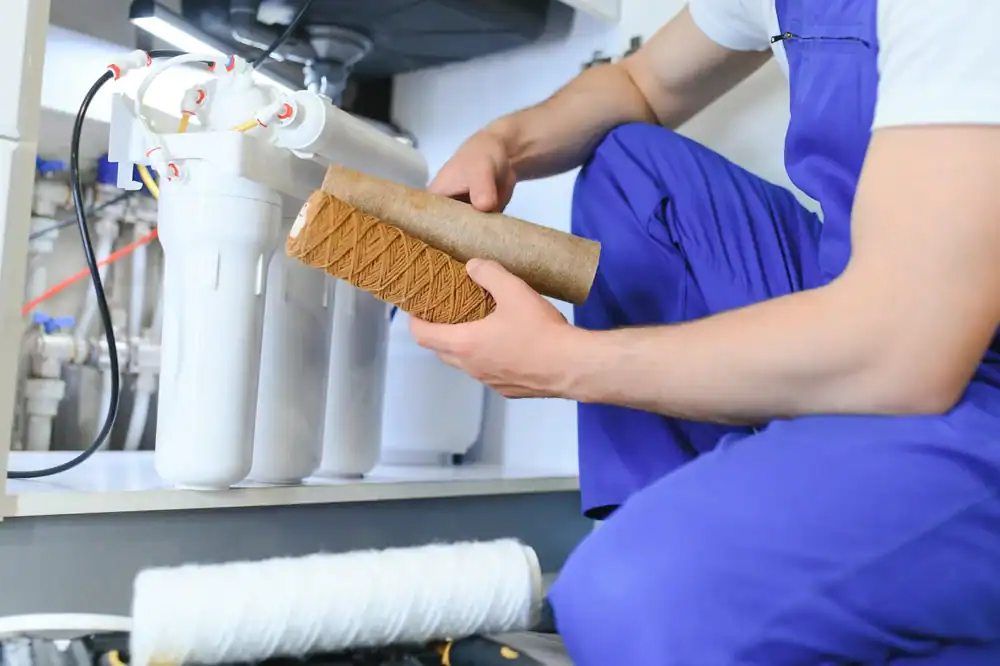
First, we test your water. South Apopka’s municipal supply is decent, but every home is different. We need to know what’s actually coming through your pipes – hardness levels, chlorine content, pH, and any specific contaminants.
Based on those results, we recommend a system. Most homes in South Apopka need multi-stage sediment filtration combined with whole home carbon filters to handle chlorine and organic compounds. If your hardness is above 7 grains per gallon (which it often is here), we’ll talk about adding a water softener combination system.
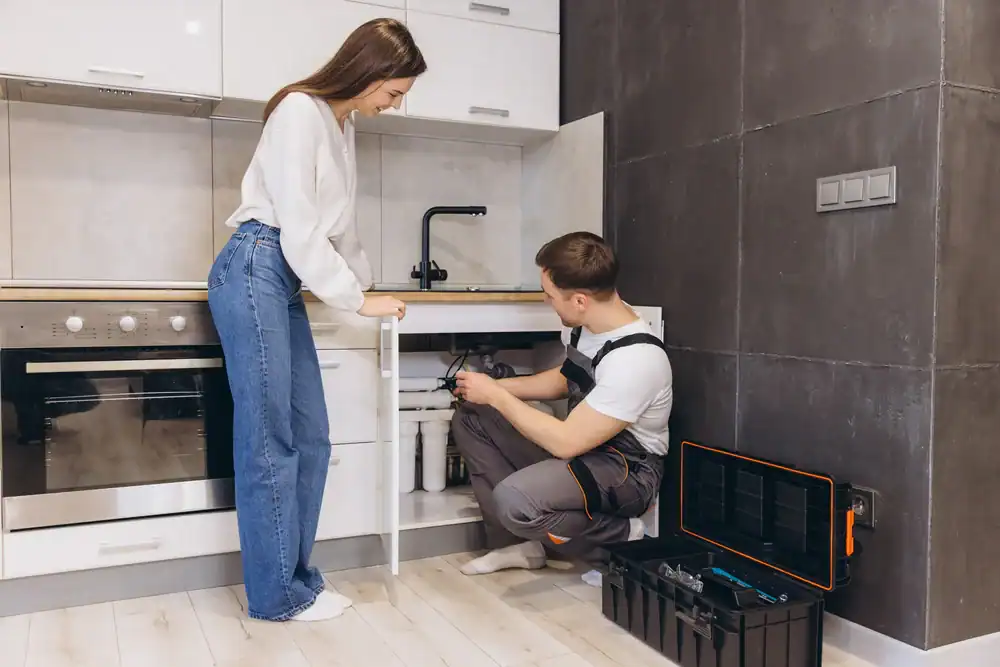
Installation takes a day in most cases. We’re connecting the system at your main water line – the point of entry – so it treats everything before it reaches your fixtures and appliances. That means cutting into your existing plumbing, mounting the system, and making sure everything is sealed and functioning correctly.
After installation, we walk you through maintenance. Some systems use filter media backwashing to clean themselves automatically. Others need periodic filter changes. We’ll show you what to expect and when, and we’re available if something doesn’t seem right.
Ready to get started?
A complete whole house water filter system addresses multiple issues at once. You’re not just removing sediment – you’re treating chlorine, chloramines, volatile organic compounds, and hard water minerals that cause scale buildup.
Multi-stage filtration means water passes through different media designed for specific contaminants. Sediment filters catch particles. Carbon filters remove chemicals and improve taste. If you’re adding softening, that handles the calcium and magnesium that make South Apopka’s water hard.
In Florida, installation costs vary based on your home’s plumbing layout and where we’re mounting the system. Most whole house systems here run between $800 and $3,000 depending on capacity and features. That’s not cheap, but you’re protecting appliances that cost thousands to replace and eliminating the need for bottled water.
You’ll also see lower soap and detergent usage – up to 70% less in some cases – because soft water doesn’t require as much to create lather. Your water heater runs more efficiently without scale buildup. These aren’t minor savings over time.
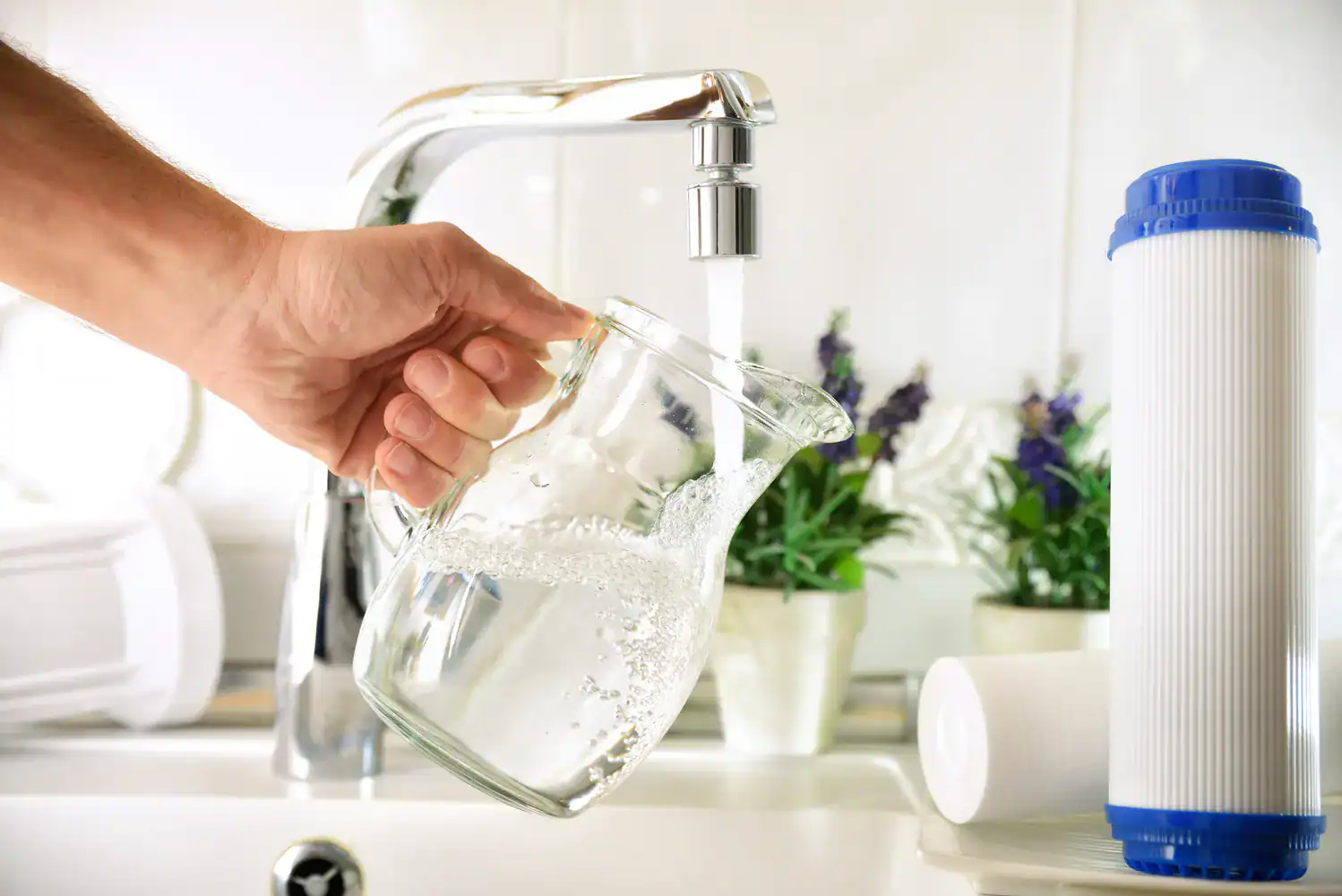
If your water tastes or smells like chlorine, you’re seeing white scale on fixtures, or your skin feels dry after showering, you’re dealing with issues a whole house system can fix. South Apopka’s water is legally safe to drink, but legal limits for contaminants haven’t been updated in almost 20 years. That means you might be within regulations but still exposed to things you’d rather not have in your water.
Hard water is a given here – test results show 8 to 15 grains per gallon depending on your area. That level of hardness will damage appliances over time. If you’re replacing water heaters or appliances more often than you should, hard water is likely the culprit.
The other factor is what federal testing doesn’t catch. PFAS, certain VOCs, and other emerging contaminants aren’t always part of standard municipal testing. A whole house carbon filter removes those along with chlorine and chloramines. If you have kids or anyone with sensitive skin in your home, the difference is noticeable immediately.
Point-of-entry means the system treats water right where it enters your home – before it splits off to different fixtures and appliances. That’s different from point-of-use filters like the ones under your kitchen sink, which only treat water at that specific location.
With a whole house system, every tap, shower, toilet, washing machine, and dishwasher gets filtered water. You’re protecting your entire plumbing system and every appliance connected to it, not just your drinking water. That’s important in South Apopka because hard water scale builds up in pipes and appliances whether you’re drinking from them or not.
Point-of-use filters are cheaper upfront, but they don’t solve the bigger problem. Your shower water is still full of chlorine. Your washing machine is still dealing with hard water. Your water heater is still accumulating scale. A point-of-entry system handles everything at once, which is why it’s the better investment if you’re serious about water quality throughout your home.
It depends on the type of system and your water usage. Most carbon filters need replacement every 6 to 12 months. Sediment pre-filters might need changing every 3 to 6 months if your water has a lot of particulates. Water softeners need salt refills regularly, but the resin bed can last years if maintained properly.
Some systems use backwashing technology, which means they clean themselves automatically by reversing water flow through the filter media. Those require less hands-on maintenance but still need periodic checks to make sure everything’s functioning correctly.
We set up a maintenance schedule based on your specific system and water conditions. South Apopka’s water quality is fairly consistent, so we can predict pretty accurately when you’ll need service. Most homeowners find the maintenance manageable – it’s not something you’re dealing with constantly. And compared to the cost of replacing a water heater or appliances damaged by hard water, the maintenance is minor.
No system removes absolutely everything, and anyone who tells you otherwise isn’t being straight with you. What a quality whole house system does is remove the contaminants that matter most for health and home protection – chlorine, chloramines, sediment, heavy metals, VOCs, and hard water minerals.
Multi-stage systems are more effective because each stage targets different types of contaminants. Sediment filters catch particles down to 5 microns or smaller. Carbon filters handle chemicals and organic compounds. Softeners remove calcium and magnesium. If you’re concerned about specific contaminants like PFAS or lead, we can add specialized media that targets those.
The key is testing your water first so we know what we’re dealing with. South Apopka’s municipal water is treated, but what comes out of your specific tap can vary based on your home’s plumbing and the pipes between the treatment plant and your house. We design systems based on actual test results, not guesses. That’s how you get real protection instead of just a filter that makes you feel better.
Most systems run between $1,500 and $3,000 installed, depending on capacity and features. A basic sediment and carbon filtration setup is on the lower end. Add water softening or specialized filters for things like PFAS, and you’re looking at the higher end of that range.
Installation cost is part of that total. In Florida, labor represents a significant portion because we’re working with your main water line and making sure everything is properly sealed and code-compliant. The work takes a full day in most homes. Cutting corners on installation leads to leaks and system failures, which cost more to fix than doing it right the first time.
You’ll also want to factor in ongoing costs – replacement filters, salt for softeners if applicable, and occasional maintenance. Figure $100 to $300 per year depending on your system. That might sound like a lot until you consider what you’re saving on bottled water, what you’re not spending on appliance repairs, and the fact that your water heater will last years longer without scale buildup. The system pays for itself over time, but the real value is knowing your family’s water is clean at every tap.
Please provide your email address so that we can stay in touch and answer any questions you have! We will be reaching back out shortly.
"*" indicates required fields
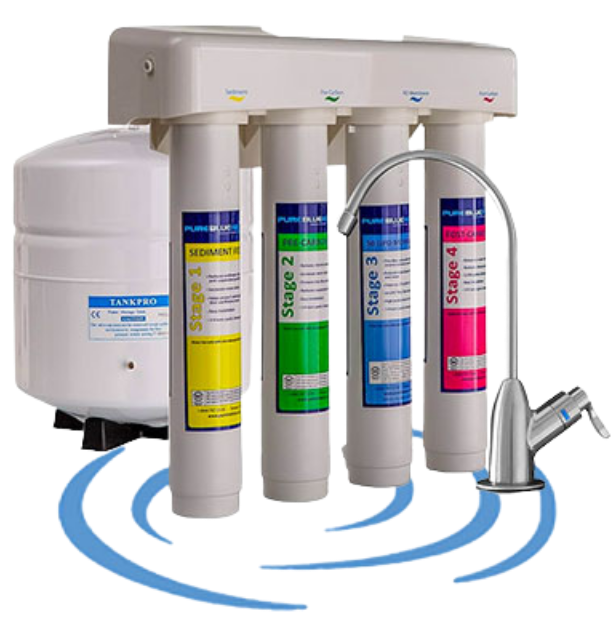
Get a free reverse osmosis drinking water system with the purchase of any whole-home water purification system.
*Cannot be combined with other offers. Mention this special when you call.