Reach Out Today
Please provide your email address so that we can stay in touch and answer any questions you have! We will be reaching back out shortly.


Hear from Our Customers
You stop buying bottled water because your tap finally tastes clean. Your skin doesn’t feel tight and dry after every shower. The white buildup on your faucets and showerheads disappears.
Your water heater lasts years longer because it’s not fighting mineral deposits. Your dishwasher actually cleans dishes instead of leaving spots. Your washing machine doesn’t leave your clothes feeling stiff or dingy.
A point-of-entry system treats water before it reaches any fixture in your home. That means every drop you use for drinking, cooking, bathing, or cleaning goes through multi-stage sediment filtration first. You’re not just fixing one problem at one sink—you’re protecting your entire home and everyone in it.
We serve San Pablo and the greater Jacksonville area with one focus: fixing water problems the right way. We’re A-rated with the Better Business Bureau, hold a 5-star rating with zero complaints, and we’re members of the National Water Quality Association.
We’re not a national company that disappears after installation. We live here, work here, and service what we sell. We understand San Pablo’s water because we’ve tested it in hundreds of homes across Duval County.
Military and first responders receive a $500 discount. We support the Tunnels to Towers Foundation because serving those who serve matters.

We start with a water test at your home. Not a generic assessment—an actual analysis of what’s in your water. San Pablo water varies block to block, and you can’t treat what you haven’t identified.
Once we know what you’re dealing with, we size the system correctly for your home and your water conditions. Undersized systems fail fast in Florida. We match the filtration stages to your specific contaminants—whether that’s a water softener combination for hard water, whole home carbon filters for chlorine and chemicals, or specialized media for iron and sulfur.
Installation happens at your main water line. The system treats water as it enters your home, before it reaches any fixture. We handle the entire setup, test the system, and walk you through filter media backwashing and basic maintenance. Then we stay available for service calls, filter changes, and any questions that come up.

Ready to get started?
Jacksonville Electric Authority pulls water from the Floridan Aquifer about 1,000 feet underground. JEA treats it, but that doesn’t mean it arrives at your home problem-free. The Florida Department of Environmental Protection identified 121 potential contamination sources in the Major Grid’s 2023 assessment.
Your whole house water filter removes chlorine, which JEA adds for disinfection but leaves that chemical taste and smell. It captures sediment and rust from aging pipes. Multi-stage filtration pulls out heavy metals like lead and arsenic—JEA’s 2020 arsenic levels measured 1.03 ppb, which meets EPA standards but still warrants treatment in homes with children.
If you have hard water, the system includes a softener to eliminate calcium and magnesium before they scale your pipes and appliances. If you’re on well water in San Pablo, your system handles iron, sulfur, and bacteria that municipal treatment would normally address. The configuration depends entirely on what’s actually in your water.
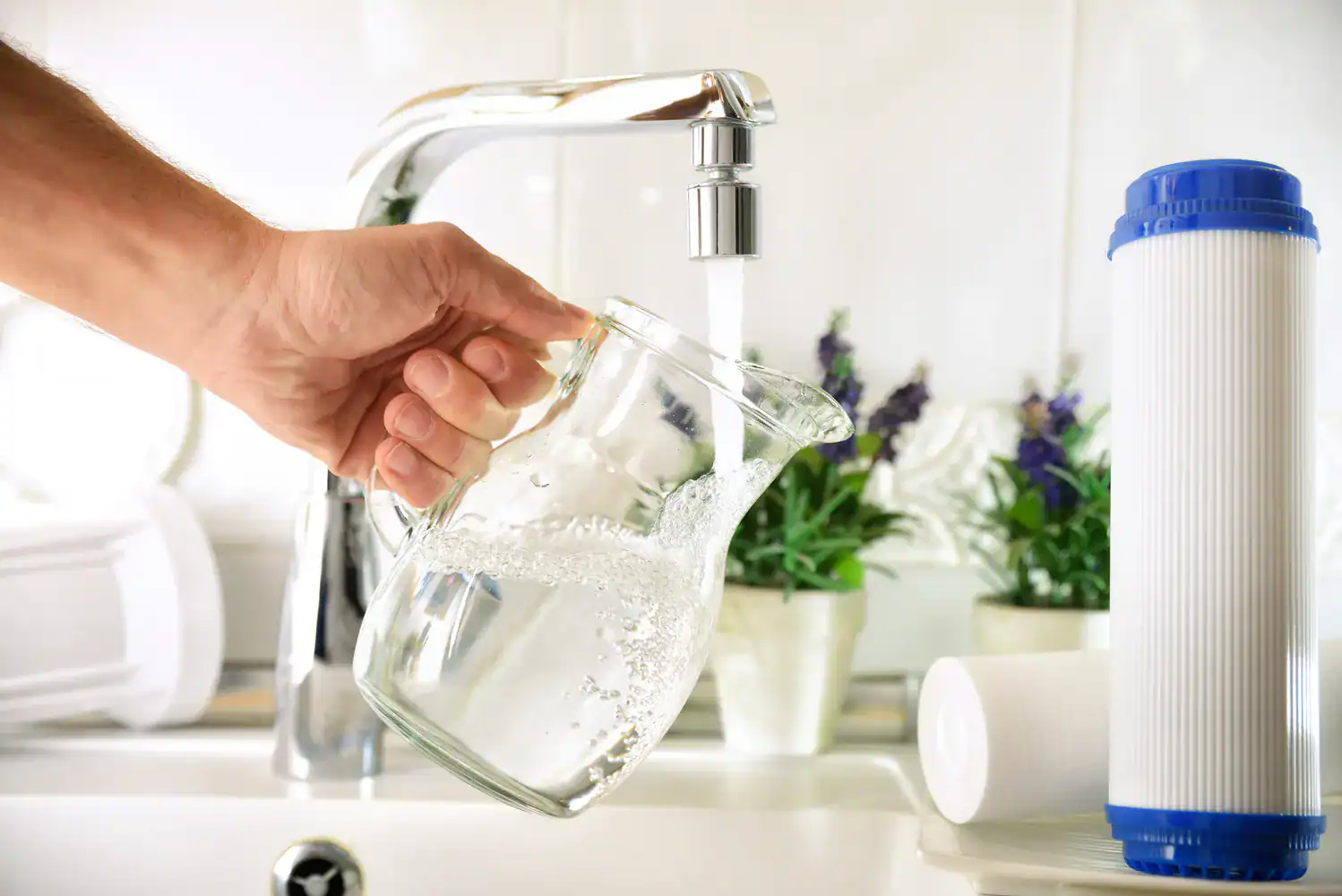
System cost depends on your water quality and home size. A basic whole home carbon filter for chlorine removal runs differently than a multi-stage system handling hard water, iron, and sediment together.
Most San Pablo homeowners invest between $2,000 and $6,000 for a complete point-of-entry system with professional installation. That includes the equipment, proper sizing for your home’s flow rate, installation at your main line, and startup testing.
Cheaper systems from big-box stores seem appealing until you realize they’re undersized for Florida water conditions and require you to install them yourself. When they fail in six months, you’ve wasted money and still have the same problems. We size systems correctly the first time, install them properly, and service them after. That’s worth paying for.
A whole house water filter treats all the water entering your home at the main line. Every faucet, shower, toilet, and appliance gets filtered water. It handles high flow rates and removes chlorine, sediment, minerals, and other contaminants depending on the system configuration.
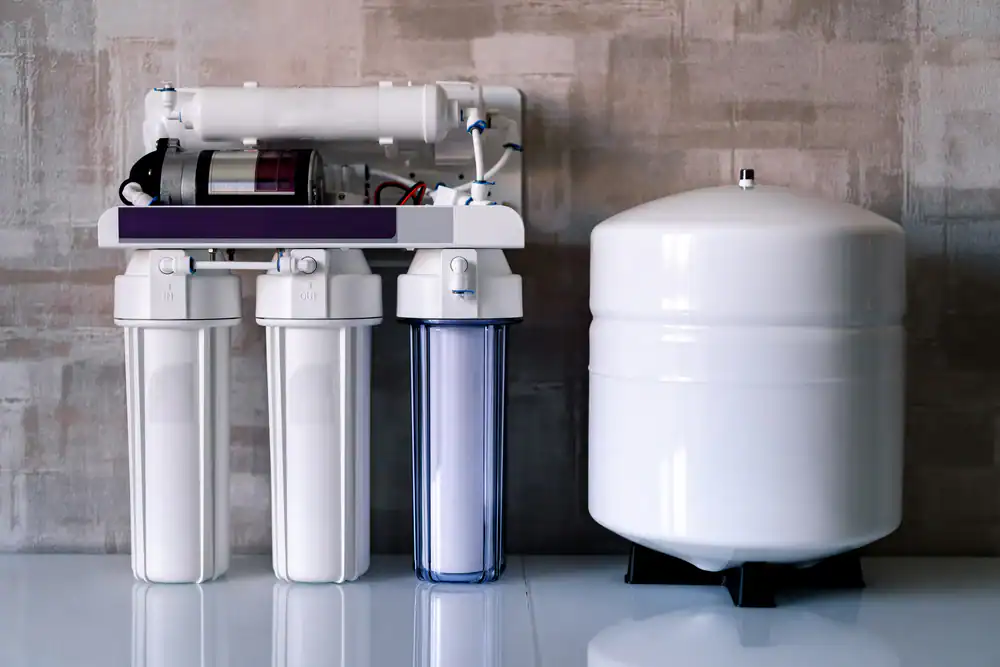
Reverse osmosis systems install under one sink and treat only the water from that specific faucet. They’re point-of-use systems, not point-of-entry. RO removes up to 99% of dissolved solids and produces extremely pure drinking water, but the flow rate is slow—it’s meant for drinking and cooking, not showering or laundry.
Most San Pablo homes benefit from both. A whole house system protects your appliances and plumbing while improving water throughout your home. An RO system at your kitchen sink gives you bottled-quality drinking water without buying bottles. They solve different problems, and when your water has multiple issues, you need both working together.
Filter media backwashing happens automatically on most systems—the unit flushes itself clean on a schedule, usually every few days. You don’t touch anything for that.
Sediment pre-filters typically need replacement every 3-6 months depending on your water quality. If your water carries a lot of rust or particulate, you’ll replace them more often. Carbon filters last 6-12 months in most San Pablo homes.
The main filter media in your tank—whether it’s softening resin, catalytic carbon, or specialized iron removal media—lasts several years before needing replacement. We check it during annual service visits and let you know when it’s time.
Water softeners need salt refills every 4-8 weeks depending on your water hardness and household usage. That’s the main ongoing task you’ll handle yourself. Everything else either happens automatically or gets addressed during scheduled maintenance.
Yes, but the system needs the right media for sulfur removal. That rotten egg smell is hydrogen sulfide gas, and it’s common in San Pablo well water. Standard carbon filters don’t remove it effectively.
Catalytic carbon or specialized oxidizing media handles hydrogen sulfide. The system oxidizes the gas and filters it out before water reaches your fixtures. If your sulfur levels are high, you might need an additional oxidation stage before the main filtration.
We test your water first to measure hydrogen sulfide concentration. Low levels respond well to catalytic carbon alone. Higher concentrations need a more aggressive approach—sometimes an oxidizing filter followed by carbon, sometimes an aeration system depending on the severity. The sulfur smell goes away completely when the system is sized and configured correctly for your specific water chemistry.
JEA meets EPA standards, but that doesn’t mean your water is problem-free. Municipal treatment focuses on safety, not quality. Chlorine keeps water disinfected but leaves taste, odor, and potential health concerns.
San Pablo city water still carries chlorine, chloramines, and disinfection byproducts. It picks up sediment and metals from aging pipes between the treatment plant and your home. Hard water minerals pass through municipal treatment completely—they’re not considered contaminants, but they wreck your appliances and plumbing.
JEA’s 2020 testing showed arsenic at 1.03 ppb. That’s legal, but the EPA’s standard balances toxicity against removal costs. If you have young children, you should treat water with arsenic levels above 1 ppb regardless of what’s technically allowed.
City water gives you a baseline level of safety. A whole house water filter takes it further—removing the chemicals, metals, and minerals that municipal treatment doesn’t address. You’re not questioning whether JEA does their job. You’re handling the problems that remain after treatment and distribution.
Please provide your email address so that we can stay in touch and answer any questions you have! We will be reaching back out shortly.
"*" indicates required fields