Reach Out Today
Please provide your email address so that we can stay in touch and answer any questions you have! We will be reaching back out shortly.


Hear from Our Customers
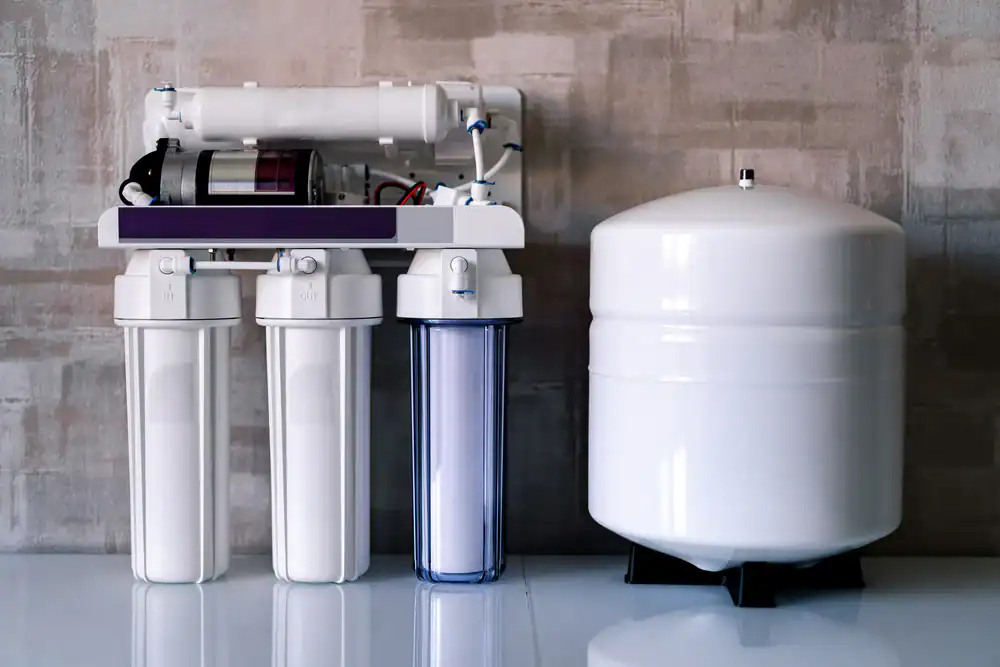
You’ll notice the difference immediately. No more chlorine smell when you turn on the shower. No more mineral buildup around faucets or white film on your glassware. Your coffee tastes better because the water tastes better.
But the real value shows up over time. Your water heater lasts longer because it’s not fighting scale buildup. Your washing machine doesn’t work as hard. Your skin doesn’t feel as dry after a shower.
A whole house water filter treats water at the point of entry, which means every tap in your home gets the same level of protection. You’re not just filtering drinking water. You’re protecting your plumbing, extending the life of your appliances, and removing contaminants before they reach your family. That’s what whole-home coverage actually means.
We hold an A-rating with the Better Business Bureau and a 5-star rating with zero complaints. That matters because a lot of companies in this industry sell you a system and disappear when something goes wrong.
We’re members of the National Water Quality Association, which means we follow industry standards and stay current on water treatment technology. We also offer a $500 discount to military members and first responders, because that’s who we are.
Rosemont homeowners deal with hard water, chlorine taste, and the occasional sulfur smell depending on where your water comes from. We’ve seen it all in Central Florida, and we know which systems hold up and which ones don’t. You’re not getting a one-size-fits-all recommendation. You’re getting a system that makes sense for your water and your home.

We start with a water test. Not a guess, not a generic recommendation based on your zip code. An actual test of your water so we know what we’re dealing with. That tells us whether you need a water softener combination, a multi-stage sediment filtration setup, or something more targeted.
Once we know what’s in your water, we’ll walk you through your options. Some homes need a whole home carbon filter to remove chlorine and improve taste. Others need a point-of-entry system that handles hardness, iron, and sediment all at once. We’ll explain what each system does and what it costs, including the 10-year maintenance estimate so there are no surprises later.
Installation happens at your main water line, before water branches off to your kitchen, bathrooms, and appliances. That’s the point-of-entry approach. After installation, we test the water again to confirm everything’s working. Then we show you how filter media backwashing works, when to expect maintenance, and how to reach us if something changes. You’ll have a phone number that actually gets answered.

Ready to get started?
A whole house water filter isn’t one product. It’s a category. Some systems focus on removing sediment and chlorine. Others combine filtration with water softening to handle Florida’s hard water, which typically runs between 100 and 300 parts per million. That’s considered hard to very hard, and it’s why so many Rosemont homeowners deal with scale buildup and appliance damage.
The systems we install use multi-stage filtration, which means water passes through different types of media depending on what needs to be removed. Sediment filters catch particles. Carbon filters remove chlorine, odors, and chemicals. If you have hard water, a softener uses ion exchange to remove calcium and magnesium before they can cause buildup.
You’ll also get a system that’s sized correctly for your home’s water usage. The average household in Florida uses 80,000 to 100,000 gallons per year. If your system is undersized, it won’t keep up during peak usage. If it’s oversized, you’re paying for capacity you don’t need. We match the system to your home, your water quality, and your actual usage patterns. Maintenance typically runs between $80 and $500 per year depending on the system, and we’ll give you that number upfront so you can plan accordingly.
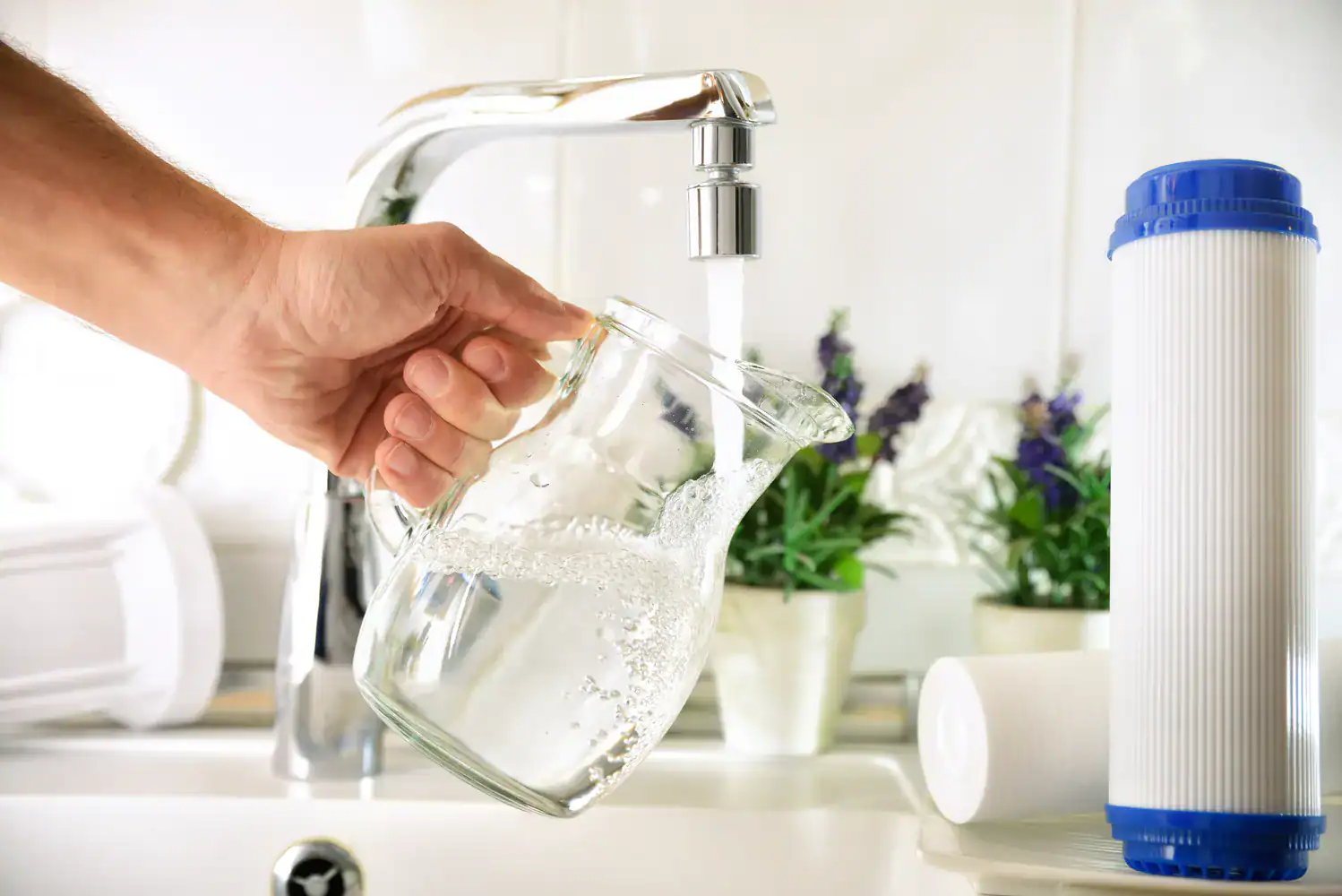
It depends on the system, but most whole house filters remove chlorine, sediment, rust, and volatile organic compounds. If you add a reverse osmosis stage, you can remove up to 99% of contaminants including lead, PFAS, microplastics, and nitrates. Florida water has some specific issues worth knowing about. A 2017 study found that Florida had the second-highest number of people exposed to Safe Drinking Water Act violations, including disinfection byproduct contamination and nitrate runoff from agriculture.
That doesn’t mean your water is unsafe, but it does mean there’s value in adding an extra layer of protection. Cities use chlorine or chloramine to disinfect water, which is effective but leaves a taste and odor. Older pipes can introduce trace amounts of iron or lead. If you’re on a well, you might deal with sulfur, hardness, or bacteria depending on your water source.
The water test we run at the beginning tells us exactly what’s in your water. Then we can recommend a system that targets those specific contaminants instead of guessing.
Most systems need a filter change or media replacement once or twice a year. Sediment filters typically need changing every 6 to 12 months depending on your water quality and usage. Carbon filters last longer, usually 12 to 24 months. If you have a water softener as part of your system, you’ll need to add salt periodically and schedule a resin bed cleaning every few years.
Some systems use automatic backwashing, which means the system cleans itself on a schedule by flushing out trapped sediment and buildup. That reduces manual maintenance, but you’ll still want an annual inspection to make sure everything’s working correctly.
We provide a maintenance schedule when we install your system, and we’ll remind you when service is due. A lot of companies sell the system and disappear. We don’t. You’ll have a direct line to trained technicians who actually know how to service what we install. That’s part of why our BBB rating is an A with zero complaints.
A standard whole house filter removes chlorine and sediment, but it won’t soften your water. For that, you need a water softener or a combination system that includes both filtration and softening. Hard water is the most common water problem in Florida. It contains high concentrations of calcium and magnesium, which cause scale buildup inside your pipes, water heater, dishwasher, and washing machine.
You’ll see the effects around your faucets, in your shower, and on your dishes. White spots on glassware, soap scum that won’t rinse off, and crusty buildup around drains are all signs of hard water. Over time, that buildup shortens the lifespan of your appliances. Your water heater has to work harder to heat water through a layer of scale, which increases your energy bill and leads to early failure.
A water softener uses a process called ion exchange to remove the minerals that cause hardness. You’ll notice softer skin and hair, cleaner dishes, and less buildup around fixtures. More importantly, your appliances will last longer and run more efficiently. If hard water is an issue in your home, we’ll recommend a system that handles both filtration and softening so you’re covered on both fronts.
Installation costs vary depending on the system, your home’s plumbing, and whether you’re adding water softening or just filtration. A basic whole house carbon filter might run a few thousand dollars installed. A more comprehensive point-of-entry system with multi-stage filtration and softening will cost more, but it also does more.
The better way to think about cost is over 10 years, not just upfront. Maintenance typically runs $80 to $500 per year depending on the system. Add that to the purchase price and you’ll get a clearer picture of total cost. Some cheaper systems have higher annual maintenance costs because filters need changing more often. Others cost more upfront but have lower ongoing costs.
We’ll walk you through the total 10-year cost when we give you a quote, so you’re comparing apples to apples. We also offer a $500 discount for military members and first responders. The other thing to consider is what you’re spending now. If you’re buying bottled water, replacing appliances early because of scale damage, or dealing with plumbing repairs caused by hard water, those costs add up. A whole house system often pays for itself over time just in avoided repairs and longer appliance life.
You can technically install one yourself if you’re comfortable working with plumbing and you have the right tools. But most homeowners hire a professional because the installation involves cutting into your main water line, installing a bypass valve, and making sure the system is sized and configured correctly for your home’s water pressure and flow rate.
If something goes wrong during a DIY install, you could end up with leaks, low water pressure, or a system that doesn’t work as intended. You also won’t have a warranty on the labor, which means if something fails, you’re paying to fix it.
When we install a system, we test your water first, size the system correctly, install it at the point of entry, and test everything again to confirm it’s working. You’ll also get ongoing support, which matters more than most people realize. A lot of national companies sell systems online and leave you to figure out maintenance and repairs on your own. We don’t. You’ll have a local phone number and trained technicians who can help if something goes wrong. That’s worth paying for, especially when you’re talking about a system that affects every faucet in your home.
Please provide your email address so that we can stay in touch and answer any questions you have! We will be reaching back out shortly.
"*" indicates required fields