Reach Out Today
Please provide your email address so that we can stay in touch and answer any questions you have! We will be reaching back out shortly.


Hear from Our Customers
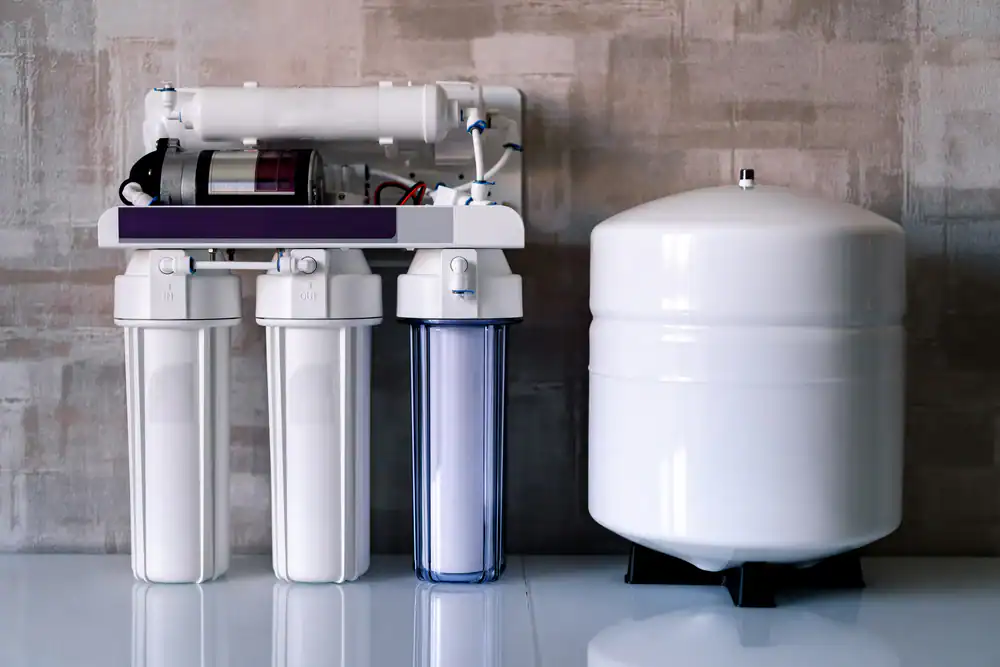
Your appliances stop dying early. Water heaters last longer when they’re not fighting mineral buildup every day. Dishwashers and washing machines run cleaner without scale clogging the lines.
Your fixtures stay clean. No more scrubbing orange rust stains off sinks and tubs every week. No more replacing stained towels and clothing because iron is leaching into every load.
Your water stops smelling like rotten eggs. Sulfur odors disappear when you treat the water before it enters your home’s plumbing. You can drink from the tap without holding your breath.
That’s what a point-of-entry system does. It treats water where it enters your house, so every faucet, shower, and appliance gets filtered water. Not just the kitchen sink—everywhere.
We’ve been handling water quality issues across North and Central Florida for decades. We’re members of the National Water Quality Association and hold an A+ Better Business Bureau rating with zero complaints.
That matters in Riverside, where water quality varies significantly depending on whether you’re on city water or a private well. We’ve seen it all—iron bacteria, hard water destroying appliances, sulfur making water undrinkable.
We don’t sell one-size-fits-all systems. Every installation starts with water analysis specific to your home. We test for hardness, iron, sulfur, bacteria, and pH levels before recommending anything.

First, we test your water. Not a generic city water report—your actual water from your tap. We’re looking for hardness levels, iron content, sulfur, bacterial contamination, and pH balance.
Then we design a system based on what’s actually in your water. If you have iron and hardness, you need multi-stage sediment filtration combined with a water softener. If you have bacterial iron or E.coli, you need UV purification. If you have sulfur, you need oxidation before filtration.
We install the system at your main water line—the point of entry. That means every pipe in your house gets treated water. Whole home carbon filters remove chlorine and organic compounds. Filter media backwashing systems handle iron and manganese. Water softener combinations address hardness.
After installation, the system runs automatically. Most systems backwash themselves to clean the filter media. You’re not constantly changing cartridges or adding chemicals. Salt-free options exist if you want to avoid sodium in your water.

Ready to get started?
Riverside sits in an area where water quality issues are common and predictable. Hard water is nearly universal—calcium and magnesium levels run high throughout Lake County. You see it in the white buildup on faucets and the way soap doesn’t rinse clean.
Iron contamination shows up as rust stains. It’s either dissolved in the water or present as bacterial iron, which creates that slimy orange residue in toilet tanks. Both types ruin laundry and stain everything they touch.
Sulfur creates that rotten egg smell. It’s hydrogen sulfide gas, and it makes water undrinkable even when it’s technically safe. It also corrodes pipes over time.
Our systems handle these issues with layered treatment. Sediment filters catch particles. Oxidation converts dissolved iron into particles that can be filtered. Carbon filters remove chlorine, sulfur, and organic compounds. Water softeners eliminate hardness. UV light kills bacteria without chemicals.
You get a system designed for your specific water test results, not a generic solution that sort of works. That’s why we start with analysis—because Riverside water varies even street to street.

Cost depends entirely on what’s in your water and how much treatment you need. A basic sediment and carbon filtration system runs differently than a multi-stage system handling iron, hardness, and bacteria.
Systems treating only chlorine and sediment start lower. Add water softening for hardness, and cost increases. Add iron removal, and you’re adding oxidation and specialized filter media. Add UV purification for bacteria, and that’s another component.
Your water test tells us what you actually need. We’re not going to sell you iron removal if you don’t have iron. We design systems based on your specific contamination levels and household water usage. That’s why we test first—so you’re not paying for treatment you don’t need or getting a system that doesn’t solve your actual problems.
Yes, but the method depends on your sulfur levels and whether you also have iron or bacteria. Sulfur is hydrogen sulfide gas, and it needs to be oxidized before it can be filtered out.
Whole home carbon filters handle low sulfur levels effectively. For moderate to high levels, you need oxidation first—either through aeration, chlorination, or specialized filter media that oxidizes sulfur on contact. Then carbon filtration removes the oxidized sulfur.
If you have sulfur bacteria creating the smell, you also need disinfection. UV light systems kill the bacteria producing hydrogen sulfide. The combination of oxidation, filtration, and UV handles even severe sulfur problems. We test your water to determine sulfur levels and whether bacteria are involved, then design treatment accordingly.
Most systems we install are designed to be low-maintenance. Filter media backwashing happens automatically—the system flushes itself clean on a schedule based on your water usage. You’re not manually cleaning anything.
Salt-based water softeners need salt added every few months, depending on your hardness levels and household size. Salt-free systems don’t require this. Carbon filters typically need media replacement every few years, not every few months.
UV bulbs last about a year and need annual replacement to maintain disinfection effectiveness. Sediment pre-filters might need quarterly changes if you have heavy sediment, but many systems use backwashing filters instead of disposable cartridges.
We service what we install. That’s a key difference—some companies sell systems and disappear. We handle maintenance, media replacement, and any adjustments needed as your water quality changes.
Point-of-entry systems treat water where it enters your house—before it reaches any faucet or appliance. That’s whole house treatment. Every tap, shower, toilet, washing machine, and water heater gets filtered water.
Point-of-use systems treat water at one location—usually under the kitchen sink. You get filtered drinking water from that faucet, but your shower, washing machine, and other fixtures still get untreated water.
If you have hard water, point-of-use filtration doesn’t help. Your appliances still get scale buildup. Your shower still has hard water. Your laundry still comes out stiff. Point-of-entry systems solve these problems because they treat all the water in your home.
For Riverside homes dealing with iron stains, sulfur odors, or hardness, point-of-entry is the only solution that works. You can’t fix rust stains in your toilet with an under-sink filter.
Depends on your water hardness. A whole house filter removes sediment, chlorine, and organic compounds. It doesn’t remove the dissolved minerals causing hardness—that requires a water softener or salt-free conditioning system.
If your water test shows high calcium and magnesium levels, you need softening in addition to filtration. Many Riverside homes need both because the water here tends to be both hard and contaminated with iron or chlorine.
We often install combination systems—multi-stage sediment filtration followed by water softening, then carbon filtration. This handles sediment first, removes hardness, then polishes the water with carbon. The sequence matters because sediment can damage softener resin, and hardness minerals can coat carbon filters.
Your water analysis determines whether you need just filtration, just softening, or both. Most homes in this area benefit from combined treatment because the water has multiple issues.
Please provide your email address so that we can stay in touch and answer any questions you have! We will be reaching back out shortly.
"*" indicates required fields