Reach Out Today
Please provide your email address so that we can stay in touch and answer any questions you have! We will be reaching back out shortly.


Hear from Our Customers
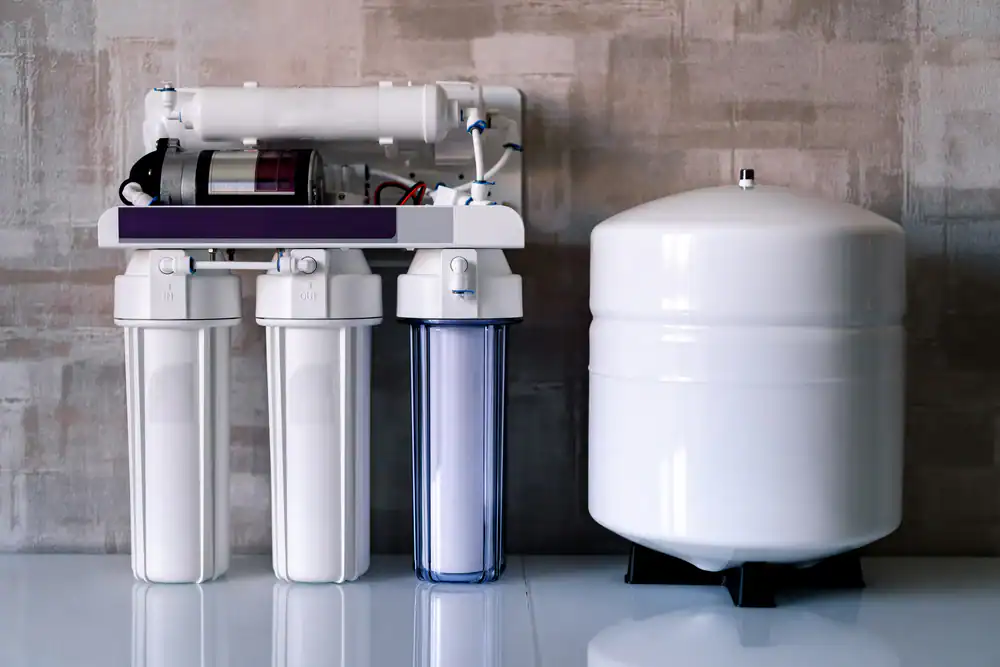
You stop tasting chlorine in your morning coffee. Your skin doesn’t feel dry and tight after showering. The white buildup on your faucets slows down, and your water heater isn’t working overtime fighting sediment.
A whole house water filter treats water at the point where it enters your home. That means every outlet gets filtered water, not just your kitchen sink. Your dishwasher, washing machine, and water heater all benefit from cleaner water with fewer dissolved solids.
Most Reddick homes deal with chlorine from municipal treatment and sediment from aging pipes. Multi-stage sediment filtration catches particles before they damage appliances or leave grit in your ice maker. Whole home carbon filters handle the chlorine and chemical taste. If you’ve got hard water on top of that, a water softener combination system addresses both issues in one setup.
You’re not buying bottled water by the case anymore. You’re not scrubbing mineral stains off shower doors every week. Your appliances last longer because they’re not clogged with buildup. That’s what filtered water throughout your home actually does.
We have an A+ Better Business Bureau rating and a 5-star customer rating with zero complaints. That’s not common in this industry, especially when national companies sell systems and disappear when you need service.
We’re members of the National Water Quality Association and focus exclusively on water treatment. No plumbing side jobs, no water heaters. Just filtration, softening, and purification systems we know inside and out.
Reddick homeowners deal with specific water challenges. Marion County’s municipal supply uses chlorine for disinfection, which you can smell and taste. Older homes have sediment issues from pipe corrosion. We’ve installed whole house systems throughout this area long enough to know what works and what’s overkill. If you’re military or a first responder, we offer a $500 discount because we support the Tunnels to Towers Foundation.

We start with a water test. Not a guess, not a sales pitch based on your zip code. An actual test that shows what’s in your water and at what levels.
Once we know what you’re dealing with, we recommend a system that matches the problem. If it’s mainly chlorine and taste issues, a whole home carbon filter handles it. If you’ve got sediment, we add multi-stage filtration. Hard water means you’ll likely want a water softener combination system that treats both hardness and contaminants.
Installation happens at your main water line where it enters the house. We shut off your water, cut into the line, and install the system so all water passes through it before reaching any fixture or appliance. Most installations take a few hours. The system includes filter media backwashing, which means it cleans itself automatically, so you’re not constantly swapping cartridges.
After installation, we test the water again to confirm the system is performing. We walk you through basic maintenance, which is usually just checking salt levels if you have a softener and scheduling filter media replacement once a year or so. You’ll have our number for service calls, and unlike some companies, we actually answer and show up.

Ready to get started?
A point-of-entry system filters water before it splits off to different areas of your home. That’s different from an under-sink filter that only treats one tap. You get filtered water at every shower, toilet, washing machine, and outdoor spigot.
Most systems we install include a sediment pre-filter that catches rust, sand, and particles. Then water moves through a carbon filter or specialized media that removes chlorine, volatile organic compounds, and chemical tastes. If you’re adding a softener, that stage removes calcium and magnesium that cause hardness.
In Reddick and the surrounding Marion County area, chlorine levels in municipal water can be noticeable, especially in summer when treatment plants increase disinfection. A whole home carbon filter eliminates that chemical smell and the dry skin that comes with showering in chlorinated water. If you’re on well water, sediment and iron are usually the bigger concerns, and we adjust the system accordingly.
You’re also protecting your appliances. Water heaters fail early when sediment builds up at the bottom. Dishwashers and washing machines develop mineral deposits that reduce efficiency. Filtered water means fewer repairs and longer appliance life. That adds up over the years you live in your home, and it’s a selling point if you ever move.
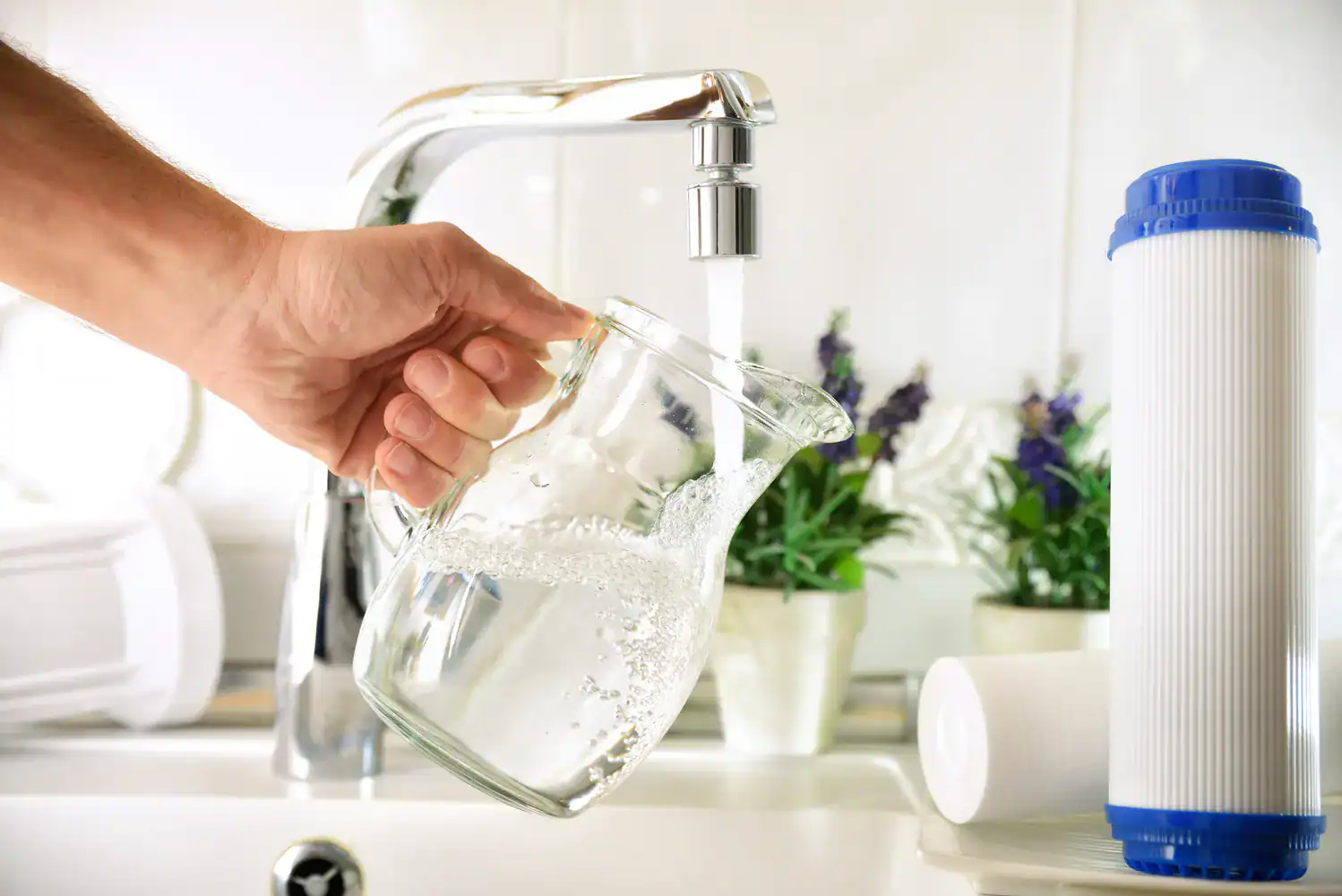
Most whole house water filter systems we install in Reddick range from $2,000 to $5,000, depending on the type of filtration you need and the size of your home. A basic carbon filter system for chlorine and taste runs on the lower end. If you need multi-stage sediment filtration plus a water softener combination, you’re looking at the higher end.
The price includes the equipment, professional installation at your main water line, and an initial water test to confirm what you’re treating. We don’t charge separately for labor or try to upsell you on features that don’t match your water quality. If you’re military or a first responder, we take $500 off the total.
Financing is available if you don’t want to pay the full amount upfront. Most customers find that eliminating bottled water purchases and reducing appliance repairs covers a good chunk of the monthly cost. The system typically lasts 10 to 15 years with basic maintenance, so you’re spreading that investment over a long period.
A whole house filter removes contaminants like chlorine, sediment, and chemicals. A water softener removes hardness minerals like calcium and magnesium. They solve different problems, and a lot of Reddick homes need both.
If your water tastes like chlorine or leaves your skin feeling dry, that’s a filtration issue. A carbon filter handles it. If you’ve got white buildup on faucets, soap that doesn’t lather well, or spotty dishes, that’s hard water. A softener uses salt to swap out hardness minerals for sodium.
You can install them separately, but a water softener combination system treats both issues in one setup. Water flows through the filter first to remove sediment and chlorine, then through the softener to remove hardness. It’s more efficient than two separate units, takes up less space, and costs less to maintain. We recommend combination systems for most homes in Marion County because the municipal supply has moderate hardness on top of chlorine treatment.
Most whole house systems use filter media that lasts a year or longer, not cartridges you swap every month. The carbon or specialized media inside the tank gets backwashed automatically, which means the system cleans itself by reversing water flow and flushing out trapped particles.
You’ll typically replace the filter media every 5 to 7 years, depending on your water quality and how much water your household uses. Sediment pre-filters might need changing every 6 to 12 months if you have a lot of particulates in your water. We check everything during annual maintenance visits and let you know what needs attention.
If you have a water softener as part of the system, you’ll add salt to the brine tank every few months. That’s the most frequent maintenance task, and it takes about five minutes. The system will usually alert you when salt is low. There’s no complicated upkeep, and you’re not dealing with the constant filter replacements that come with pitcher filters or under-sink units.
A whole house filter removes most common contaminants like chlorine, sediment, rust, and volatile organic compounds. It significantly improves taste, odor, and clarity. But it’s not the same as a reverse osmosis system, which removes a wider range of dissolved solids and is typically installed just for drinking water.
If you’re concerned about specific contaminants like lead, fluoride, or certain chemicals, we test your water first to see what’s actually present. Then we recommend the right filtration media. Some whole house systems can be equipped with specialized filters for particular issues, but for ultra-pure drinking water, most people add a reverse osmosis system at the kitchen sink in addition to the whole house filter.
The whole house system handles the bulk of the work and protects your entire home. The reverse osmosis system gives you extra purification for drinking and cooking. That combination covers you completely. We don’t oversell filtration you don’t need, and we don’t undersell it either. The water test tells us what makes sense for your situation.
Most installations take 3 to 5 hours, depending on where your main water line is located and whether we’re installing a filter only or a combination system with a softener. We shut off your water at the main, cut into the line, install the system, and test everything before we leave.
You’ll be without water during the installation, so we recommend scheduling it when you can be out of the house or at least not planning to do laundry or take showers. Once we’re done, water service resumes immediately, and you’ll notice the difference in taste and feel right away.
We don’t leave a mess. We haul away old equipment if you’re replacing an existing system, and we clean up any water or debris from the install. Before we leave, we walk you through how the system works, show you where to add salt if you have a softener, and give you our contact information for service. If something isn’t working right in the first few weeks, we come back and make it right at no extra charge.
Please provide your email address so that we can stay in touch and answer any questions you have! We will be reaching back out shortly.
"*" indicates required fields
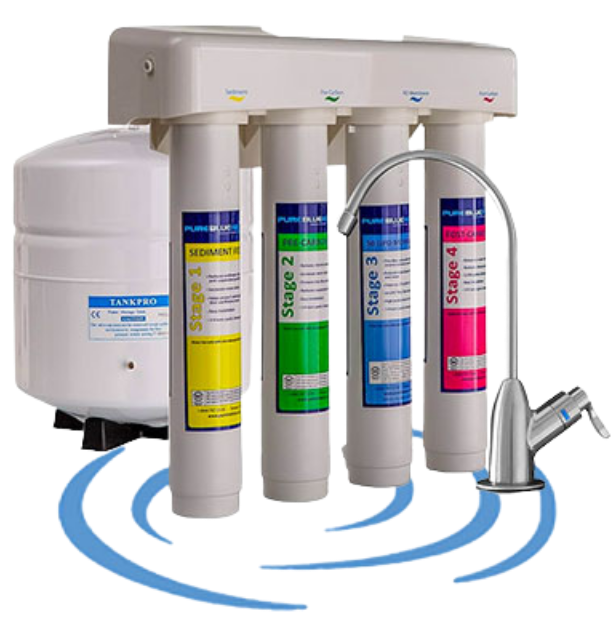
Get a free reverse osmosis drinking water system with the purchase of any whole-home water purification system.
*Cannot be combined with other offers. Mention this special when you call.