Reach Out Today
Please provide your email address so that we can stay in touch and answer any questions you have! We will be reaching back out shortly.


Hear from Our Customers
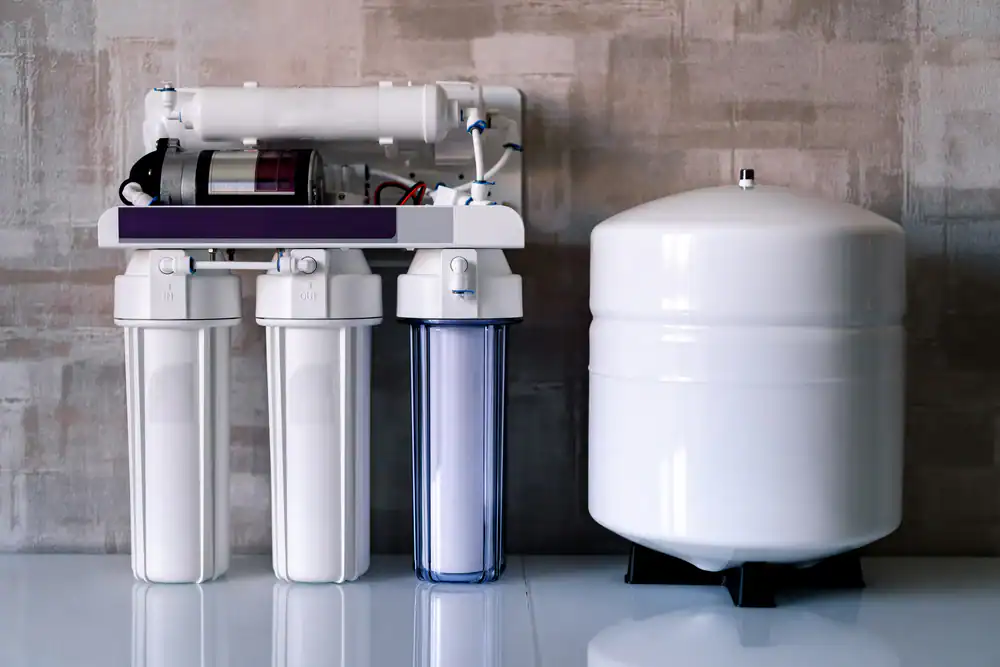
Your coffee tastes like coffee, not like the well water it’s made from. The spotting on your dishes disappears. Your clothes come out of the wash softer, without that stiff feeling hard water leaves behind.
Your water heater doesn’t work overtime fighting mineral deposits. Your plumbing system works the way it’s supposed to. Your soap actually lathers properly in the shower.
You’ll notice the difference immediately. Your water tastes clean without that chlorine bite or metallic aftertaste. When you solve your water problems at the source—where water enters your home—everything downstream gets better. That’s what a whole house water filter does.
We’re members of the National Water Quality Association, which means we follow industry standards that matter. Our A-rated Better Business Bureau status and 5-star rating with zero complaints aren’t marketing fluff—they’re proof that we show up when you need us.
Unlike national companies that sell systems and disappear, we’re local to Silver Star and we’re still here when you need us. We know Florida’s unique water challenges—from the limestone aquifers that create hard water issues to the agricultural runoff that can contaminate wells in our area.
We specialize in whole-house purification projects. That’s where we focus, and that’s what we do well.

We start with water testing. Not the kind you get from a hardware store kit—actual lab analysis that shows what’s in your water and at what levels. You need to know what you’re dealing with before you can fix it.
Based on those results, we recommend a multi-stage sediment filtration system designed for your specific water issues. If you’re dealing with hard water minerals like calcium and magnesium, we’ll talk about water softener combination systems. If chloramines are the problem, whole home carbon filters handle that. For well water with iron or sulfur, we design systems that address those contaminants at the point of entry.
Installation happens at your main water line—where water enters your home. That’s the point-of-entry. Everything downstream benefits. We handle the installation, test the system, and walk you through basic maintenance like filter media backwashing schedules.
After installation, we don’t disappear. We’re here for filter changes, system adjustments, and performance testing. You get scheduled maintenance programs and on-call service when you need it.

Ready to get started?
Florida water typically contains chloramines as the main disinfectant product. Your system removes those. Florida water also has a lot of hardness—many areas around Princeton and Silver Star test 15-25 grains per gallon, which is 2-3 times harder than what’s considered “hard water.” Your system handles that too.
If you’re on well water, you’re dealing with different problems. In Florida, over 4,400 wells tested since 2005 have shown chemical concentrations above federal drinking water standards. The three most common aquifer contaminants are dry-cleaning solvents, gasoline leaking from storage tanks, and various pesticides. A properly designed point-of-entry system removes these before they reach your tap.
The most obvious signs are taste and odor issues—that rotten egg smell from sulfur, metallic taste from iron, or just water that doesn’t taste right. But bacteria, nitrates, and other contaminants don’t necessarily change how water looks or tastes. They can impact your health without giving you any warning.
Your appliances run cleaner and last longer because they’re not fighting mineral buildup every day. Hard water minerals cause scale on pipes, faucets, and appliances. That leads to clogged pipes, reduced water pressure, and costly plumbing repairs. Your system prevents that from happening.
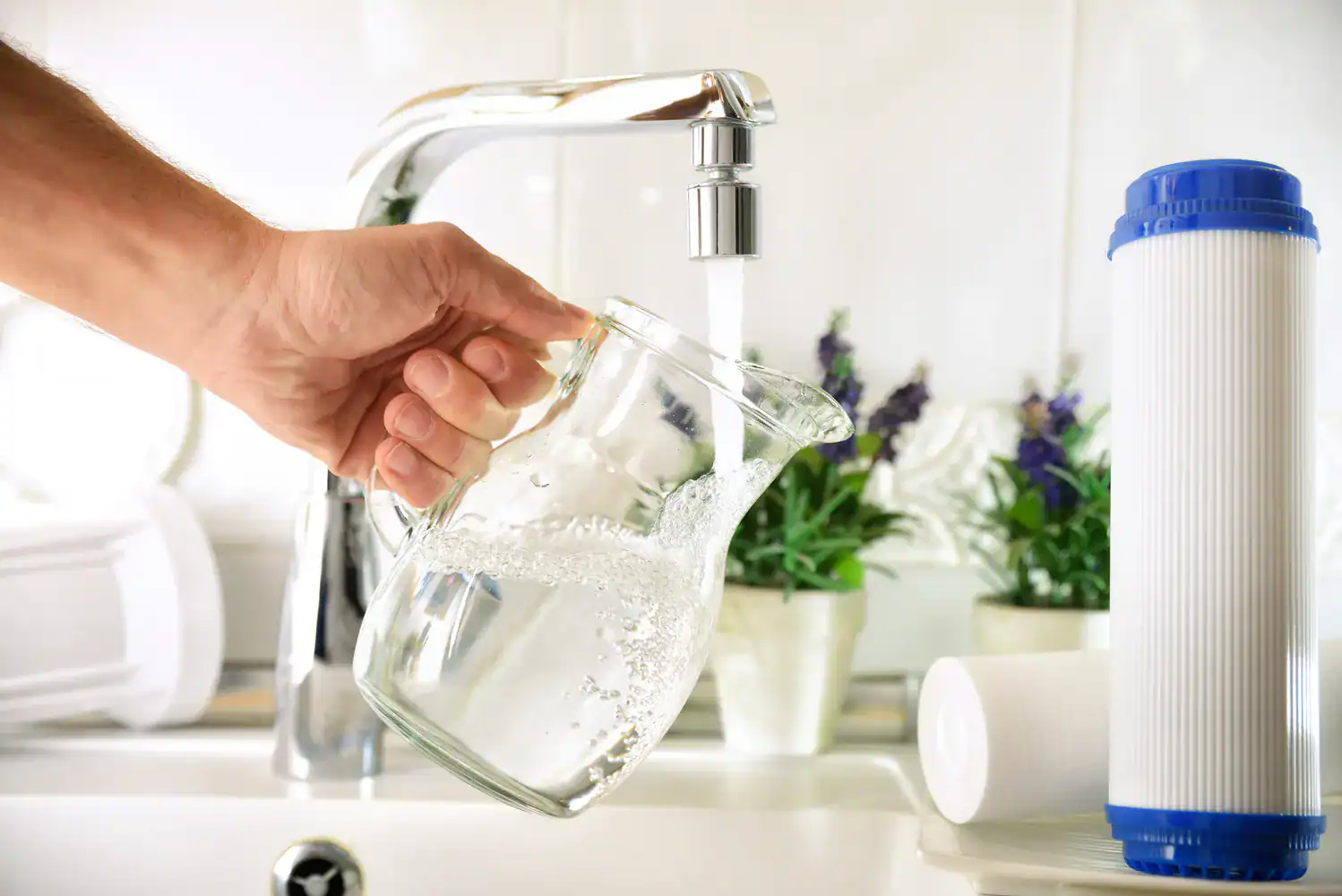
If your water tastes off, smells like sulfur, or leaves spots on your dishes, those are obvious signs. But the less obvious signs matter more. Hard water buildup inside your water heater and appliances shortens their lifespan by years. Chloramines in municipal water can disrupt gut bacteria with chronic exposure.
If you’re on well water in the Princeton or Silver Star area, testing isn’t optional. Agricultural runoff and geological factors in Florida mean your well could have contaminants that don’t change how your water looks, tastes, or smells. The only way to know is through proper lab testing.
Even if your water seems fine, mineral buildup happens slowly. By the time you notice reduced water pressure or appliance problems, the damage is already done. A whole house system prevents that damage before it starts.
Point-of-entry systems treat all the water coming into your home. That means every faucet, every shower, every appliance gets filtered water. Under-sink filters only treat water at one specific tap—usually your kitchen sink.
If you’re dealing with hard water, an under-sink filter doesn’t help your water heater, your washing machine, or your shower. The mineral buildup still happens everywhere else in your home. Your plumbing still clogs. Your appliances still wear out faster.
Point-of-entry systems cost more upfront, but they protect your entire home. Your investment pays back through longer appliance life, lower maintenance costs, and better water quality everywhere—not just at one sink.
It depends on your system design and your water quality. Most whole home carbon filters need media replacement every 3-5 years. Sediment pre-filters might need changing every 6-12 months. Water softeners need salt refills and occasional resin bed cleaning.
Filter media backwashing happens automatically on most modern systems—the system cleans itself on a schedule you set based on your water usage. You don’t have to do anything except make sure it has power and water flow.
We set up maintenance schedules based on your specific system and water conditions. You’ll know exactly when filters need changing and what to expect. We handle the technical stuff. You just need to keep an eye on salt levels if you have a softener, and call us when it’s time for filter changes.
Yes, but only if it’s designed for that. Standard carbon filters struggle with chloramines. You need catalytic carbon or a longer contact time with the filter media. That’s why system design matters.
Chloramines are more stable than chlorine, which is why municipalities use them. But that stability means they’re harder to remove. A properly sized whole home carbon filter with the right media handles it, but undersized systems or cheap carbon won’t.
Chronic exposure to chloramines can disrupt beneficial gut bacteria and cause digestive discomfort in sensitive individuals. Long-term exposure to disinfection byproducts from chloramines has been linked to increased cancer risk in some studies. Removing them isn’t just about taste—it’s about reducing your family’s exposure to chemicals you don’t need in your drinking water.
Honest answer: it depends on what your water needs. A basic sediment and carbon system for municipal water with minor taste issues costs less than a multi-stage system designed to handle well water with iron, sulfur, hardness, and bacterial contamination.
System size matters too. A home with 2 bathrooms needs less capacity than a home with 4 bathrooms and high water usage. Flow rate requirements affect equipment sizing and cost.
We test your water first, then design a system based on what you actually need—not what we want to sell you. We offer a $500 discount for military and first responders. After we know what’s in your water and what your home requires, we give you a clear price with no surprises.
Please provide your email address so that we can stay in touch and answer any questions you have! We will be reaching back out shortly.
"*" indicates required fields
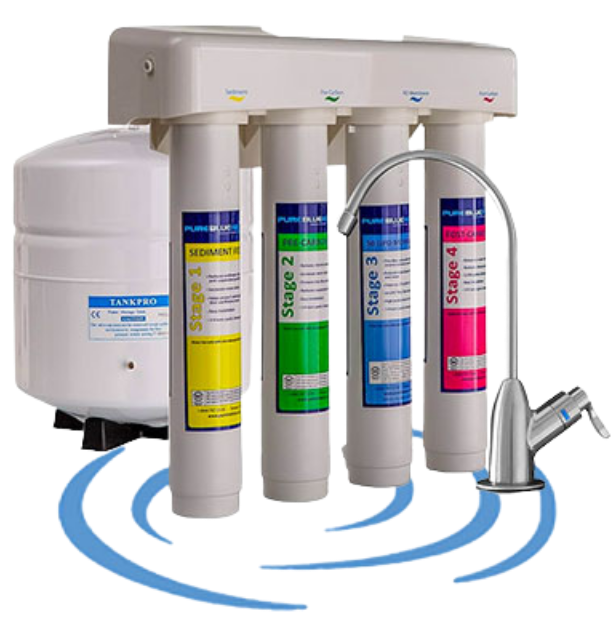
Get a free reverse osmosis drinking water system with the purchase of any whole-home water purification system.
*Cannot be combined with other offers. Mention this special when you call.