Reach Out Today
Please provide your email address so that we can stay in touch and answer any questions you have! We will be reaching back out shortly.


Hear from Our Customers
Your morning shower stops drying out your skin and hair. The chlorine smell disappears. Your coffee tastes better because the water tastes clean.
Your dishwasher finally does its job. No more spots on glasses. No more running dishes through twice thinking something’s broken.
Your water heater lasts longer. Your washing machine doesn’t work as hard. You stop buying bottled water because what comes out of your tap is better than what you’ve been paying for at the store.
Hard water quits destroying your plumbing. The white buildup around faucets goes away. Your soap actually rinses off instead of leaving that film on everything.
This is what a point-of-entry system does. It treats water before it reaches any fixture in your home, which means every drop gets filtered.
We’ve been fixing hard water issues for Florida families since before most of the national companies existed. We’re A-rated by the Better Business Bureau with a 5-star rating and zero complaints.
We’re members of the National Water Quality Association, which means we follow actual standards instead of making up our own. And unlike some of the bigger names that sell systems and disappear, we service what we install.
Palm Valley pulls water from the Floridan Aquifer, same as most of North Florida. That means hardness levels between 100-180 PPM, chlorine for disinfection, and occasional issues with iron or sulfur depending on your specific well or municipal connection. We’ve seen it all, and we know exactly how to fix it.
First, we test your water. Not a guess, not a visual inspection. An actual analysis that tells us what’s in there and at what levels. Hardness, chlorine, pH, iron, contaminants. Everything that matters.
Then we design a system based on what your water actually needs and how much water your household uses. A family of two doesn’t need the same setup as a family of six. Your system should match your life.
Installation happens at your main water line. That’s the point-of-entry, which means we’re treating water before it splits off to your kitchen, bathrooms, laundry, and water heater. One system protects everything.
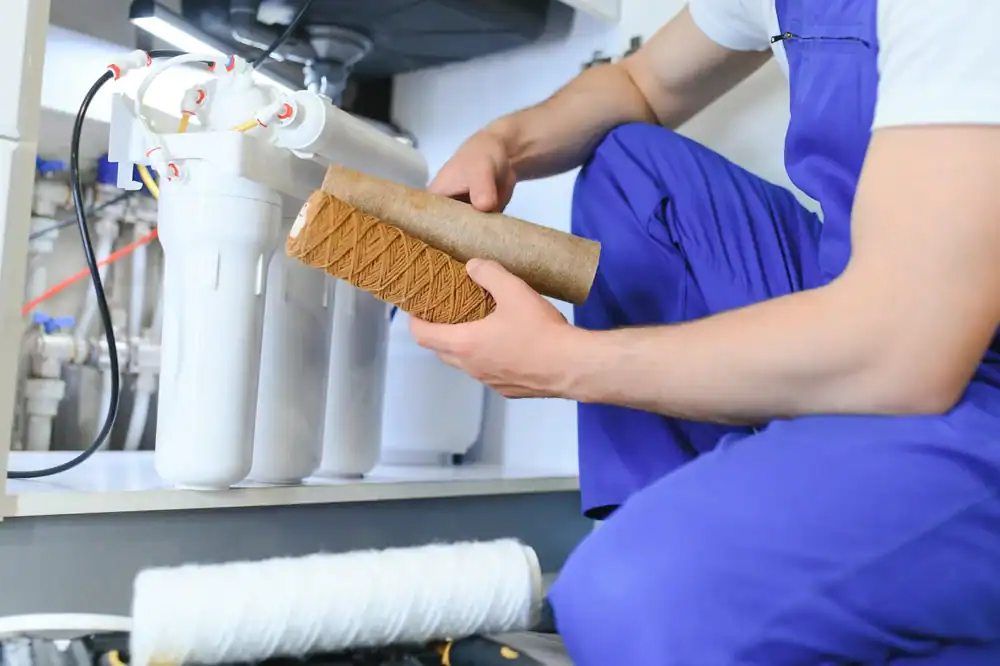
Most installations take a few hours. We’re not tearing up your house. We install the multi-stage filtration system, test it, walk you through how it works, and make sure you’re getting clean water before we leave.
After that, we handle the maintenance. Filter media backwashing happens automatically on most systems. When it’s time to service or replace components, we’re the ones who show up. You’re not calling a 1-800 number hoping someone remembers what they sold you.

Ready to get started?
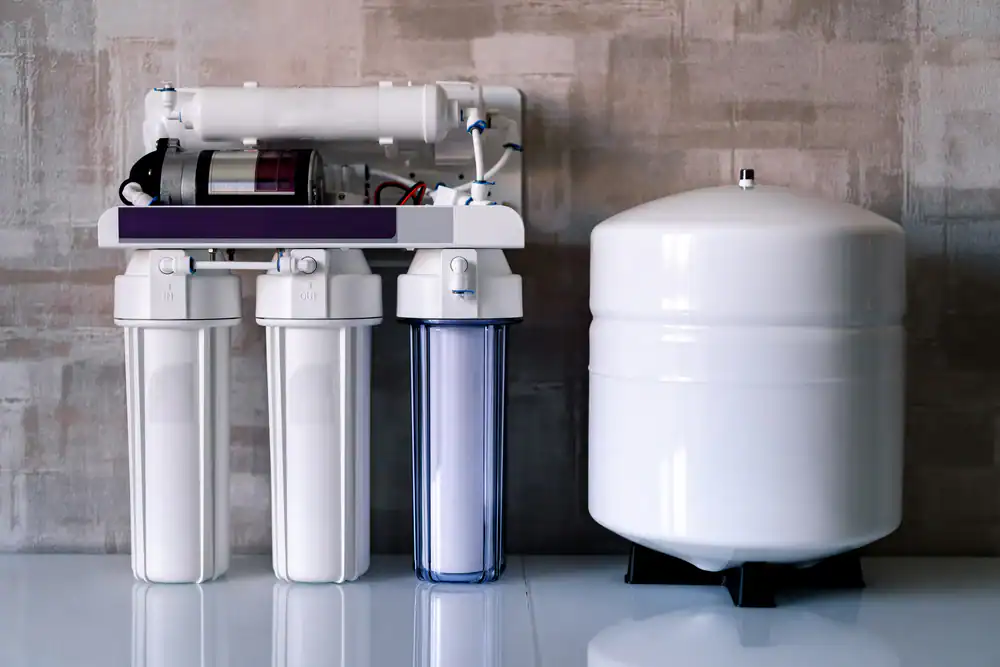
A whole house water filter combines multiple stages. Sediment filtration catches the big stuff—dirt, rust, particles that would clog up your fixtures. Then activated carbon removes chlorine, improves taste and smell, and handles a lot of the chemical contaminants people worry about.
If you’ve got hard water, and most Palm Valley homes do, you’ll want a water softener combination system. That handles the calcium and magnesium that causes scale buildup. Without it, you’re just filtering hard water, which doesn’t solve half the problem.
We use NSF-certified components. That’s not marketing language. NSF is the independent lab that actually tests whether filters do what they claim. If it’s certified, it works. If it’s not, you’re trusting someone’s word.
The system doesn’t need electricity on most models. No salt on certain configurations if you go with a salt-free conditioner instead of a traditional softener. And because it’s treating water at the point-of-entry, you’re protecting your whole house, not just one faucet.
Palm Valley’s warm climate makes algae growth more common in municipal water systems, which is why you sometimes get that earthy or musty taste. Carbon filtration handles that. It also handles the chlorine that’s necessary for safety but terrible for taste.
Systems typically range from $2,000 to $6,000 depending on what your water needs and the size of your household. That’s for a quality system that’s actually certified and professionally installed.
The price includes the filtration unit, installation at your main water line, and usually a warranty on parts and labor. Cheaper systems exist, but they’re either under-sized, use non-certified components, or require you to install them yourself and hope it works.
You’ll save money over time. Hard water costs the average Florida household $180 yearly in extra detergent, $300-450 in higher energy bills from scale buildup in your water heater, and $600-900 in appliance repairs and early replacements. A system pays for itself faster than most people expect.
We offer a free water analysis and custom quote based on what’s actually in your water. No pressure, no gimmicks. Just real numbers based on real testing.
An under-sink filter only treats water at one faucet. Usually your kitchen. That’s fine if you only care about drinking water, but it doesn’t help your shower, your washing machine, your dishwasher, or your water heater.
A whole house system installs at your main water line before it branches out to the rest of your home. Every tap, every fixture, every appliance gets filtered water. That’s why it’s called a point-of-entry system.
If you’ve got hard water, an under-sink filter won’t stop the scale buildup destroying your pipes and appliances. It won’t stop chlorine from drying out your skin in the shower. It’s solving one problem while ignoring five others.
Whole house systems cost more upfront, but they’re protecting your entire home and everything in it. Under-sink filters are cheaper because they’re doing a fraction of the work.
Most modern systems handle a lot of the maintenance automatically. Filter media backwashing happens on a timer, usually every few days, to clean the filtration media and keep it working efficiently.
You’ll need to replace carbon filters every 6-12 months depending on your water usage and what contaminants you’re removing. Sediment pre-filters might need changing every 3-6 months if you’ve got a lot of particulates in your water.
If you’ve got a water softener as part of your system, you’ll need to add salt periodically. Salt-free conditioners don’t require that, but they work differently and aren’t true softeners.
We handle the service calls. You’re not figuring this out yourself or ordering parts online and hoping they’re compatible. We installed it, we know the system, and we show up when it’s time for maintenance.
Yes. That’s one of the main reasons people install them. Chlorine is the number one complaint about municipal water in Florida. It’s necessary for disinfection, but it tastes and smells terrible.
Activated carbon filtration removes chlorine effectively. It also handles chloramines, which some water systems use instead of straight chlorine. Carbon works through a process called adsorption, where contaminants stick to the carbon surface as water passes through.
You’ll notice the difference immediately. Your drinking water tastes clean. Your shower doesn’t smell like a swimming pool. Your coffee and tea taste better because you’re not brewing with chlorinated water.
Carbon filters also improve the earthy or musty taste that happens when algae grows in Florida’s warm water systems. If your water has that swampy smell during certain times of year, carbon handles it.
Depends on your water. If you’ve got hard water, which most Palm Valley homes do, you need both. They solve different problems.
A water softener removes calcium and magnesium, which cause scale buildup. That’s what leaves white spots on your dishes, clogs your pipes, and kills your water heater early. Softening prevents that damage.
A filter removes chlorine, sediment, and other contaminants that affect taste, smell, and safety. It doesn’t address hardness. Filtering hard water just gives you clean hard water, which still destroys your appliances.
The best systems combine both. Multi-stage sediment filtration, carbon for taste and odor, and a softener or conditioner for hardness. That’s a complete whole home carbon filter and water softener combination that actually handles everything your water throws at you.
We test your water first, then recommend what you actually need. If your water’s soft and you only need filtration, we’ll tell you. If it’s hard and you need both, we’ll tell you that too.
Please provide your email address so that we can stay in touch and answer any questions you have! We will be reaching back out shortly.
"*" indicates required fields
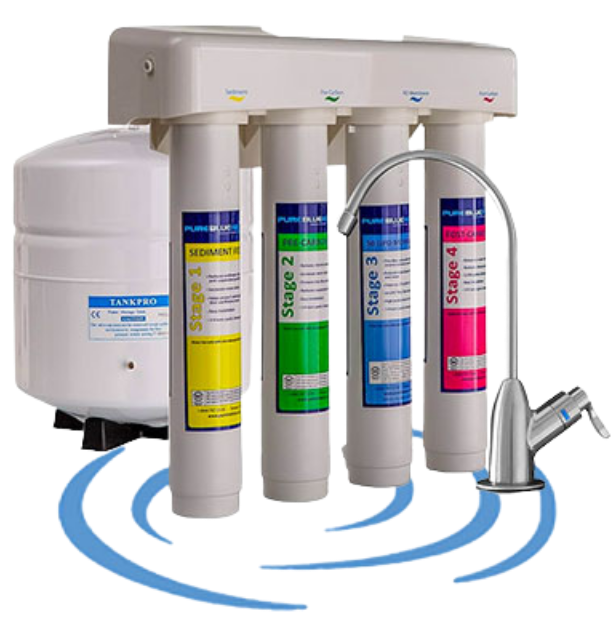
Get a free reverse osmosis drinking water system with the purchase of any whole-home water purification system.
*Cannot be combined with other offers. Mention this special when you call.