Reach Out Today
Please provide your email address so that we can stay in touch and answer any questions you have! We will be reaching back out shortly.


Hear from Our Customers
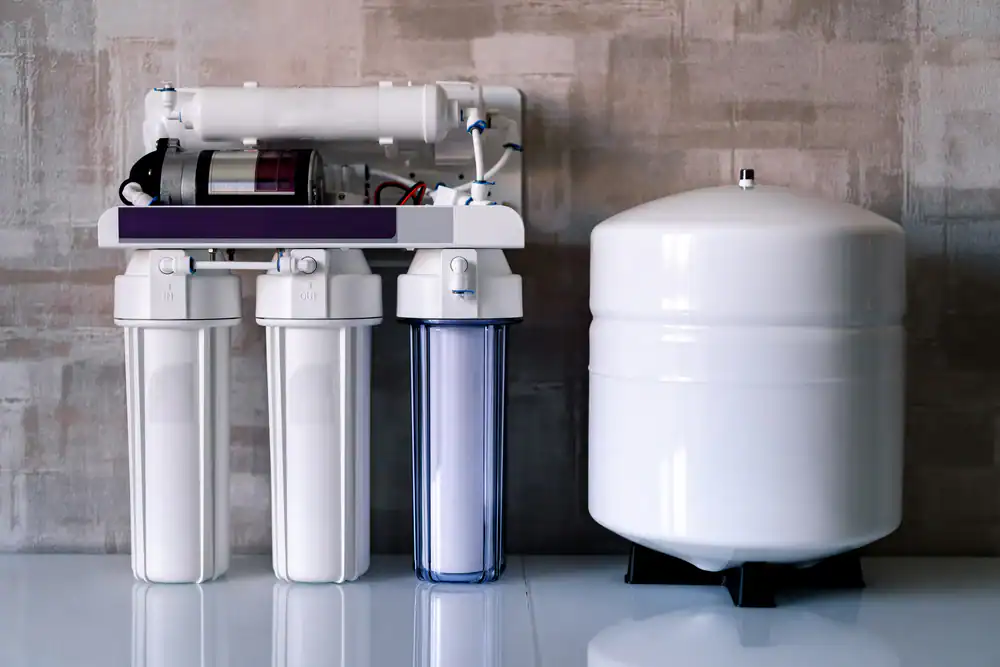
The groundwater feeding Osceola Hills runs through Central Florida’s limestone aquifer. That means elevated calcium and magnesium before it even reaches a treatment plant — and once it’s treated, disinfection byproducts like trihalomethanes and haloacetic acids are introduced in the process. These are documented in the EWG Tap Water Database for the Villages of Lake-Sumter water system. And they’re in your water right now, whether you can taste them or not.
A whole house water filter installed at your main line — what’s called a point of entry system — treats every gallon before it reaches any fixture, appliance, or showerhead in your home. That means the water you cook with, bathe in, and run through your dishwasher is all filtered. Not just what comes out of the kitchen tap.
For homes in Osceola Hills, this matters beyond what’s in the glass. The hard water coming out of the Lake-Sumter system deposits mineral scale inside your water heater, your washing machine, and your plumbing over time. A multi-stage filtration system that handles both contaminants and hardness protects those appliances from the inside — which, in a Designer or Premier Home along Lake Deaton, is a real financial consideration, not a minor perk.
Quality Safe Water of Florida has been in the water treatment business for over 50 years. Not 50 years of combined staff experience — 50 years as a company, operating in Florida, before most of The Villages even existed. That kind of track record doesn’t happen by accident. It happens when a company consistently does what it says it will do, including after installation.
Our BBB A-rating carries zero complaints on file — in an industry that Florida consumer watchdogs have repeatedly flagged for high-pressure sales tactics and companies that go quiet once the check clears. We’re also members of the Water Quality Association, which holds member companies to a professional code of ethics that many local and regional operators in Sumter County simply don’t meet.
For Osceola Hills residents who ask neighbors before they hire anyone — and most do — we already have a presence and reputation in The Villages market. We show up, we explain what we found in your water test, we install what your home actually needs, and we’re reachable when you have questions six months later.

It starts with a water test, not a sales pitch. When one of our technicians comes to your Osceola Hills home, we test your actual water first. For homes on the Villages of Lake-Sumter municipal system, that test will reflect what’s already documented — elevated hardness from the limestone aquifer, chlorine disinfection byproducts, and in some cases trace contaminants like thallium and hexavalent chromium. The test confirms the specifics for your home and your water pressure, so the recommendation that follows is based on data, not a script.
From there, we walk you through what the results mean in plain language and recommend a system that fits your home’s needs. No upsell pressure, no theatrical demonstrations designed to alarm you. If your water needs a specific type of multi-stage filtration, that’s what we recommend. If it needs a combined softening and filtration approach to handle both the hardness and the byproducts, we’ll tell you that too — and explain why.
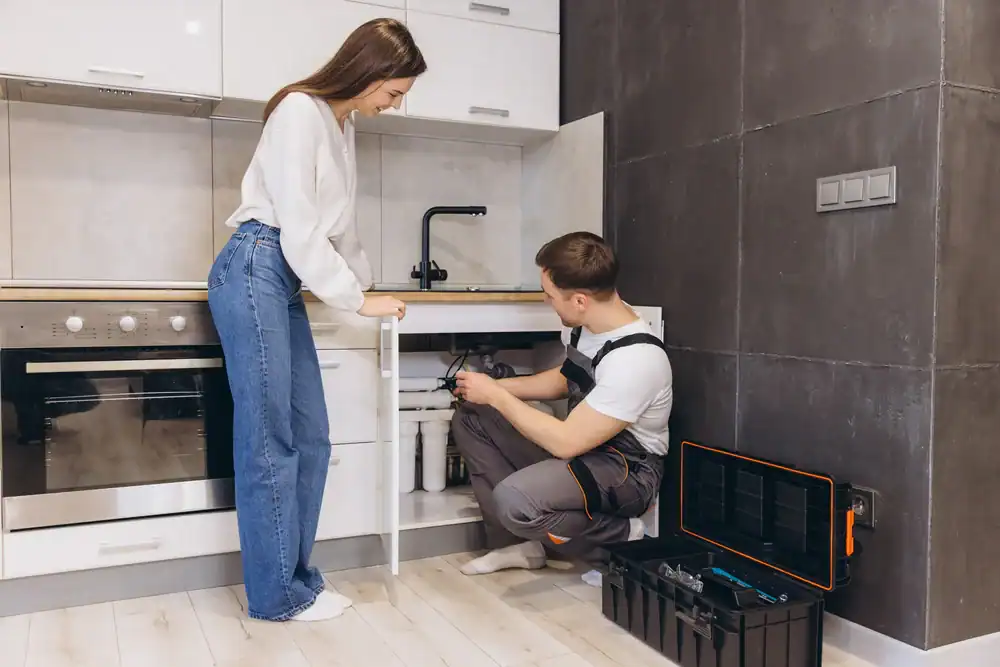
Installation is handled by our licensed technicians, who are familiar with Sumter County requirements and The Villages’ ARC guidelines for any components that may be visible or exterior-facing. The point of entry system connects at your main water line — typically in your garage or utility area — so every fixture in your home draws from filtered water from that point forward. Once it’s in, we walk you through maintenance expectations and filter replacement intervals so there are no surprises down the road.
Ready to get started?
Central Florida’s groundwater is not the same as what most Osceola Hills residents were used to before they moved here. If you came from the Midwest or the Northeast, the difference in taste, smell, and how the water feels on your skin is noticeable immediately. That’s chemistry. The limestone aquifer produces hard water by nature, and the chlorination process used to treat it creates byproducts that a standard pitcher filter or under-sink unit won’t fully address.
A whole house point of entry system from Quality Safe Water of Florida is built around multi-stage filtration — meaning the water passes through multiple treatment stages that target different contaminants. Depending on what your water test shows, that can include sediment pre-filtration, activated carbon filtration for chlorine and byproduct removal, and a water softening stage to handle the hardness that causes scale buildup in your appliances and plumbing. Every system is sized and configured for the home it’s going into, not pulled off a shelf and installed without thought.
For Osceola Hills homeowners who have been buying bottled water or running a countertop filter, this is the step that solves the whole problem — not just part of it. Clean water from every tap, protected appliances, and the confidence that what’s coming out of your showerhead is water you can trust. If you’re a veteran, active military, or first responder, we take $500 off the system — a straightforward discount for people who’ve earned it.
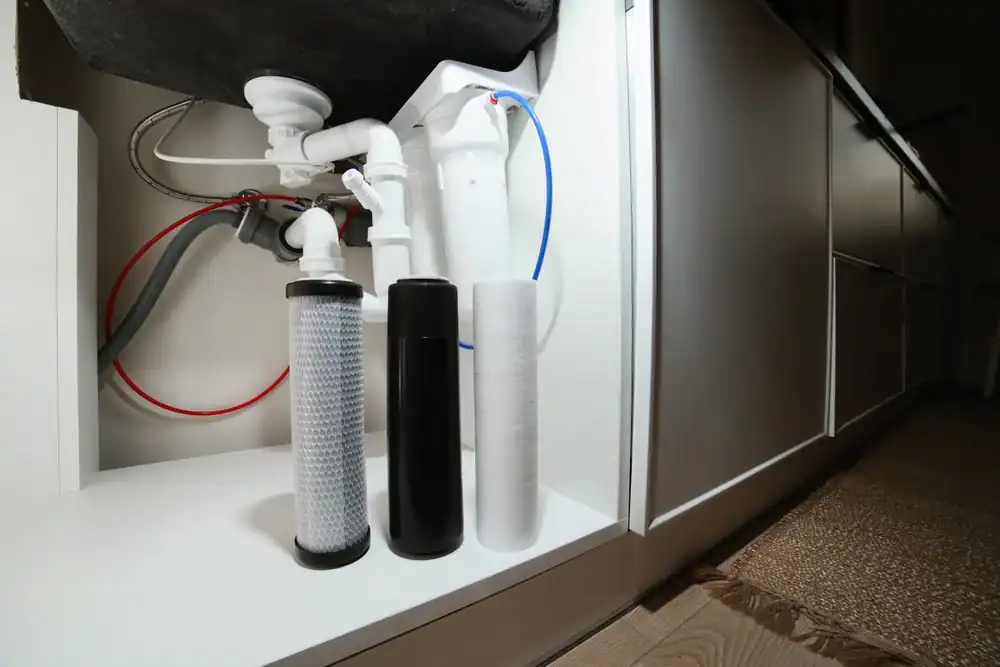
Osceola Hills is served by the Villages of Lake-Sumter water system, which draws from Central Florida’s limestone groundwater aquifer. The EWG Tap Water Database documents several contaminants of concern for this system, including total trihalomethanes (TTHMs), haloacetic acids (HAA5 and HAA9 groups), bromochloroacetic acid, thallium, and hexavalent chromium. Trihalomethanes and haloacetic acids are disinfection byproducts — they form when chlorine reacts with naturally occurring organic matter in the groundwater during the treatment process.
The water meets federal regulatory minimums, so it’s technically within legal limits. But regulatory limits and health-optimal levels aren’t the same thing. EWG’s health guidelines are significantly more protective than what the EPA requires utilities to stay under, and long-term exposure to disinfection byproducts has established links to bladder and colon cancer risk. Beyond the byproducts, the water is also hard — elevated calcium and magnesium from the limestone geology — which affects your appliances and plumbing over time, not just your taste buds.
This is one of the most common concerns homeowners bring up, and it’s a fair one. The short answer is: a properly sized system installed correctly should have no noticeable impact on your water pressure. The key phrase there is “properly sized.” A system that’s undersized for the flow rate of your home will cause pressure drop — which is exactly why we start with a water test and an assessment of your home’s specific flow requirements before recommending anything.
For homes in Osceola Hills — whether you’re in a Patio Villa or a larger Premier Home — the system is configured to match the demand of that home’s plumbing. Bigger homes with more fixtures need a system rated for higher flow. Smaller villas need something appropriately scaled down. When the sizing is right, most homeowners notice the difference in water quality long before they notice anything about pressure. If you’ve had a poorly sized system installed before and experienced pressure issues, that’s a conversation worth having upfront — it’s a solvable problem.
A well-built whole house filtration system, properly maintained, can last 10 to 20 years or more. The system itself — the housing, the valves, the main components — is built for longevity. What requires regular attention are the filter media and cartridges inside, which have a finite lifespan and need to be replaced on a schedule. Depending on the type of system and your water usage, that typically means a filter change every 6 to 12 months for most cartridge-based stages, and a media refresh or resin replacement for softening components on a longer cycle.
In Osceola Hills specifically, the hardness of the incoming water affects how quickly certain filter stages work. Higher mineral content means the softening resin works harder, which can shorten intervals between regeneration cycles if you have a salt-based softener component. We walk you through the maintenance schedule at installation so you know exactly what to expect and when. We’re also reachable when service is due — which sounds like a basic expectation but, based on what many Villages residents have experienced with other providers, isn’t always the reality.
Osceola Hills homes were built primarily between 2015 and 2017, which makes them relatively new by most standards. It’s a reasonable assumption that newer construction means better water — but the age of your home has nothing to do with the quality of the water coming into it. The Villages of Lake-Sumter municipal system delivers the same groundwater chemistry to a 2016 Patio Villa as it does to a home built a decade earlier. The limestone aquifer, the chlorination process, the disinfection byproducts — none of that changes based on when your house was built.
What newer construction does mean is that your appliances and plumbing are still in good shape — which is actually the best time to start protecting them. Hard water scale buildup is cumulative. It starts the day you move in and gets worse over time. Installing a whole house filtration and softening system in a newer home means you’re preserving appliances that still have their full lifespan ahead of them, rather than trying to undo years of mineral buildup after the fact. The investment makes more sense earlier, not less.
They solve different problems, and in most Osceola Hills homes, the water has both problems. A water softener targets hardness — it removes the calcium and magnesium minerals that cause scale buildup in your water heater, dishwasher, washing machine, and pipes. A whole house water filter targets contaminants — sediment, chlorine, disinfection byproducts, and other compounds that affect taste, smell, and long-term health. They work differently and address different things.
For homes on the Villages of Lake-Sumter system, the water is both hard and contains documented disinfection byproducts. That means a softener alone won’t address the chlorine and trihalomethanes, and a filter alone won’t prevent the mineral scale that’s quietly building up inside your appliances. The most effective approach for this area is a combined system — multi-stage filtration that handles both. We’ll tell you exactly what your water test shows and recommend accordingly. If your water only needs one or the other, that’s what we’ll say. But in this part of Sumter County, the honest answer is usually both.
Please provide your email address so that we can stay in touch and answer any questions you have! We will be reaching back out shortly.
"*" indicates required fields