Reach Out Today
Please provide your email address so that we can stay in touch and answer any questions you have! We will be reaching back out shortly.


Hear from Our Customers
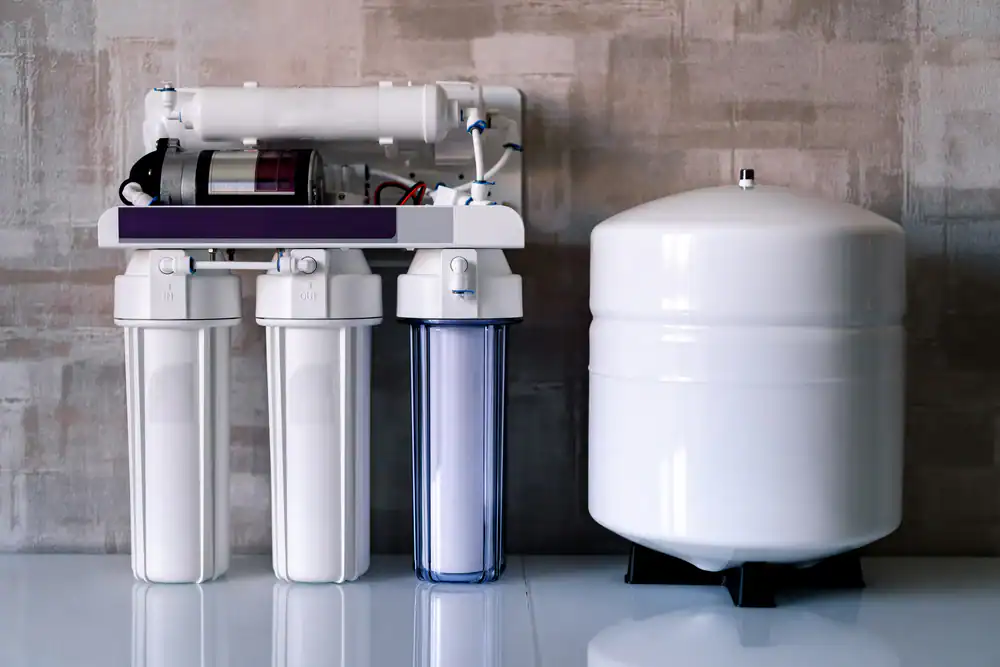
No more rotten egg smell when someone turns on the shower. No more rust stains on your sinks or toilets. No more chlorine taste in your coffee or ice cubes.
A whole house water filter treats everything at the point where water enters your home. That means every tap, every appliance, every shower gets filtered water. Not just the kitchen sink.
You stop buying bottled water. Your dishes don’t have spots. Your skin doesn’t feel dry after a shower. And you’re not wondering what’s actually in the water your kids are drinking. It’s a different experience entirely.
We don’t do plumbing. We don’t install water heaters. We focus entirely on water purification, filtration, and softening for homes in North and Central Florida.
That focus matters because water quality in Ocklawaha isn’t like other places. The Upper Ocklawaha River Basin has dealt with nutrient problems, algae events, and water quality declines for decades. Most homes here pull water that’s been moving through limestone, picking up minerals and hardness along the way.
We’re A-rated with the Better Business Bureau, five stars, zero complaints. We’re members of the National Water Quality Association. And we start every job with a free water analysis so you know exactly what you’re dealing with before we recommend anything.

First, we test your water. Not a guess, not a generic system—we actually analyze what’s in your water. Iron, sulfur, hardness, chlorine, sediment, pH. That tells us what kind of filtration and treatment you need.
Then we design a system based on your results and your household size. Most whole home systems use multi-stage filtration: a sediment pre-filter to catch particles, activated carbon to remove chlorine and chemicals, and sometimes KDF media for heavy metals. If you have hard water, we’ll combine that with a softener. If you have sulfur, we address that specifically with filter media backwashing or oxidation.
Installation happens at your main water line. Once it’s in, every drop of water that enters your house gets treated before it reaches your faucets, showers, washing machine, or refrigerator. We handle the install, walk you through maintenance, and make sure the system is doing what it’s supposed to.

Ready to get started?
A whole house water filter is a point-of-entry system. It treats all the water coming into your home, not just one tap. That’s different from an under-sink filter or a pitcher.
In Ocklawaha and the surrounding area, most systems need to handle hard water. Florida water moves through limestone and picks up calcium and magnesium. That’s what causes the white buildup on faucets and the spots on your glassware. A water softener combination handles that.
If your water smells like rotten eggs, that’s hydrogen sulfide. It’s common here. A carbon filter alone won’t fix it—you need oxidation or specific filter media that targets sulfur. If your water tastes like bleach, that’s chlorine from municipal treatment. Activated carbon removes that.
We don’t sell one system to everyone. Your water might need a three-stage setup. Someone else’s might need five. It depends entirely on what’s in the water and what problems you’re trying to solve. That’s why the water test comes first.
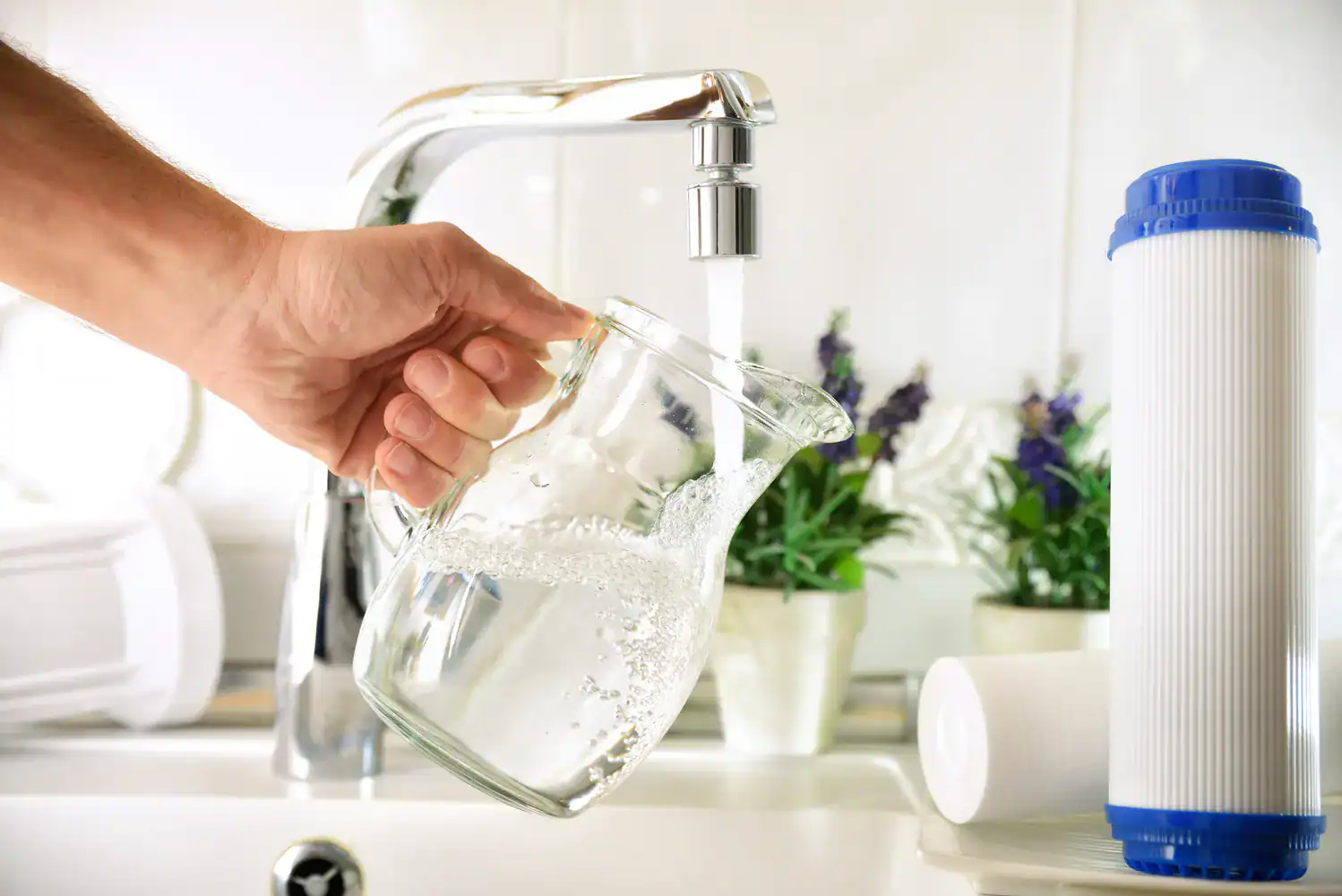
Cost depends on what your water test shows and what size system your home needs. A basic whole house carbon filter for a smaller home might run a few thousand dollars. A multi-stage system with softening, sediment filtration, and sulfur treatment for a larger household will cost more.
What matters more than the upfront price is whether the system actually solves your water problems. A cheap carbon filter won’t do anything for hard water or sulfur. And a system that’s undersized for your household won’t keep up with demand.
We give you a quote after we test your water and know what you’re dealing with. No guessing, no upselling. Just a system that’s built for your water and your home.
A water softener removes hardness—calcium and magnesium. It stops scale buildup, eliminates spots on dishes, and makes soap lather better. But it doesn’t filter out chlorine, sediment, or odors.
A whole house water filter removes contaminants like chlorine, chemicals, sediment, and sometimes heavy metals. It improves taste and smell. But it doesn’t soften water.
Most homes in Ocklawaha need both. The water here is hard, and it’s often treated with chlorine. A combined system handles hardness and filtration at the same time. You get soft water that also tastes clean and doesn’t smell like chemicals. That’s the most common setup we install.
Sediment pre-filters typically need changing every three to six months, depending on how much sediment is in your water. Carbon filters last longer—usually six months to a year. Some systems use backwashing filters that clean themselves and only need media replacement every few years.
If your system includes a water softener, you’ll need to add salt periodically. That’s usually once a month, depending on your water usage and hardness level.
We set up a maintenance schedule based on your specific system. Most people handle filter changes themselves—it’s straightforward. But we also offer service plans if you’d rather have us handle it. Either way, keeping up with maintenance means your system keeps working the way it should.
Yes, but only if the system is designed to handle sulfur. A standard carbon filter won’t remove hydrogen sulfide—the gas that causes that rotten egg smell.
You need either an oxidizing filter, a catalytic carbon filter, or a system with specific media like Filox or Birm that targets sulfur. Some setups use aeration or chlorine injection followed by filtration.
In Ocklawaha, sulfur is common because of organic material in the aquifer and low oxygen levels in well water. We test for it specifically, measure the concentration, and then design a system that actually eliminates it. If sulfur is your main issue, that’s exactly what we’ll address.
City water is treated, but that doesn’t mean it’s problem-free. Chlorine is added to kill bacteria, and you can taste and smell it. Depending on the pipes in your neighborhood or your home, you might also have sediment, rust, or even lead.
In this area, municipal water often has a strong chlorine taste and can still be hard. A whole house filter removes the chlorine and improves taste. If hardness is an issue, adding a softener prevents scale buildup in your pipes and appliances.
Even if your water is technically safe, it might not taste good or feel good. A whole house system makes it better across the board—every faucet, every shower, every appliance. That’s worth it for most people.
Please provide your email address so that we can stay in touch and answer any questions you have! We will be reaching back out shortly.
"*" indicates required fields
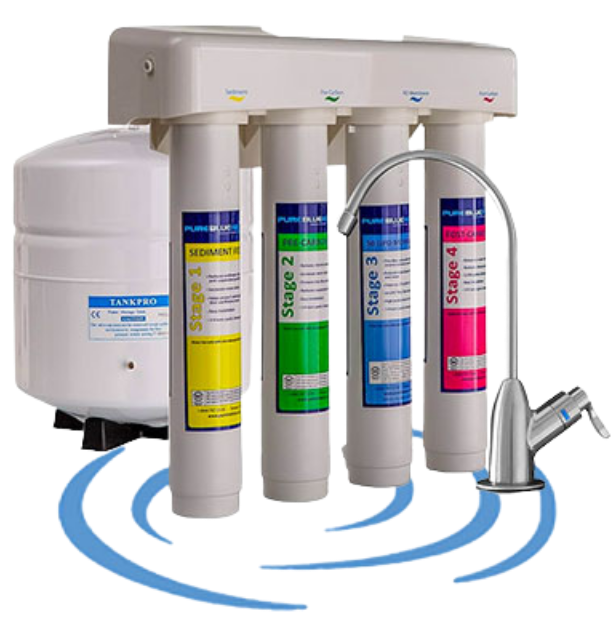
Get a free reverse osmosis drinking water system with the purchase of any whole-home water purification system.
*Cannot be combined with other offers. Mention this special when you call.