Reach Out Today
Please provide your email address so that we can stay in touch and answer any questions you have! We will be reaching back out shortly.


Hear from Our Customers
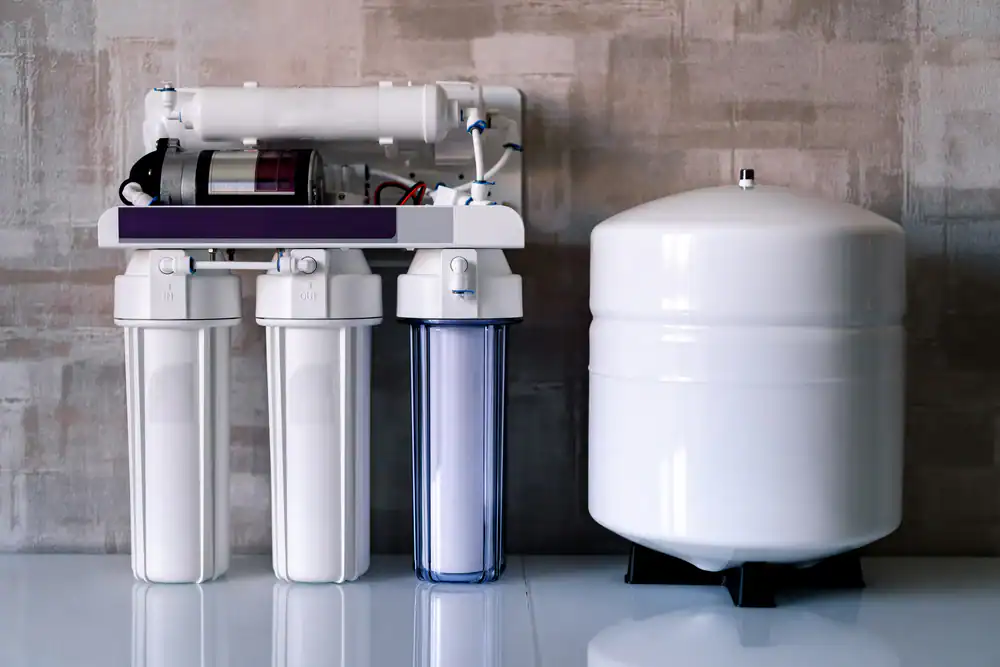
Your appliances stop breaking down early. The mineral buildup around faucets disappears. Your skin doesn’t feel tight and dry after every shower.
That’s what happens when you filter water at the point of entry instead of trying to fix problems one faucet at a time. A whole house system catches contaminants before they reach your water heater, washing machine, or shower head.
Florida water is tough on homes. Between the hard water minerals, chlorine from treatment plants, and iron or sulfur that seeps into well systems, your plumbing takes a beating. Multi-stage sediment filtration removes particles that wear down appliances. Whole home carbon filters pull out chlorine that dries your skin and corrodes pipes. If you’ve got hard water, pairing filtration with a water softener combination stops scale buildup that clogs fixtures and shortens the life of anything that heats water.
The result isn’t just better-tasting drinking water. It’s fewer service calls, longer appliance life, and water that doesn’t leave spots on everything it touches.
We focus exclusively on water treatment for homes in Lake County and surrounding areas. No plumbing. No water heaters. Just filtration, softening, and purification systems designed for Florida’s specific water challenges.
We’re rated A by the Better Business Bureau with five stars and zero complaints. We’re members of the Water Quality Association, which means our team stays current on certifications and industry standards. And we offer a $500 discount to military members and first responders because we believe in supporting the people who serve our community.
Oakland homeowners deal with hard water, chlorine, and sometimes iron or sulfur depending on whether you’re on city water or a well. We’ve installed systems throughout the area, and we know what works here.

First, we test your water. Not a guess based on your zip code—an actual test that shows what’s in your water and at what levels. That tells us whether you need sediment filtration, carbon filtration, softening, or a combination.
Then we recommend a system. If you’ve got city water with chlorine and moderate hardness, that’s a different setup than well water with iron and sulfur. The system gets installed at your main water line so every drop that enters your home gets filtered.
Installation typically takes a few hours. We mount the system, connect it to your main line, and set up filter media backwashing if your system uses it. Then we test the water again to confirm everything’s working.
After that, you’re set. Most systems need a filter change once or twice a year depending on your water usage and quality. We can handle that, or you can do it yourself—it’s straightforward.

Ready to get started?
Point-of-entry systems for Oakland homes typically include sediment pre-filtration to catch particles before they reach your main filter. That protects the carbon media and extends the life of the system.
Carbon filtration is standard for removing chlorine, which Lake County adds to municipal water. Chlorine makes water safe to drink, but it’s harsh on skin, hair, and appliances. Activated carbon pulls it out along with some organic compounds that affect taste and odor.
If you’re dealing with hard water—and most Oakland homes are—you’ll want a softener integrated with your filtration system. Hard water contains calcium and magnesium that form scale. That scale clogs pipes, leaves spots on dishes, and destroys water heaters. A water softener combination handles both filtration and mineral removal in one setup.
For well water with iron or sulfur, we add oxidation filtration. Iron leaves rust stains on everything. Sulfur smells like rotten eggs. Both need specific treatment that standard carbon filters can’t handle.
Every system we install meets NSF/ANSI standards and comes with a warranty. You’re not experimenting with your home’s water supply.
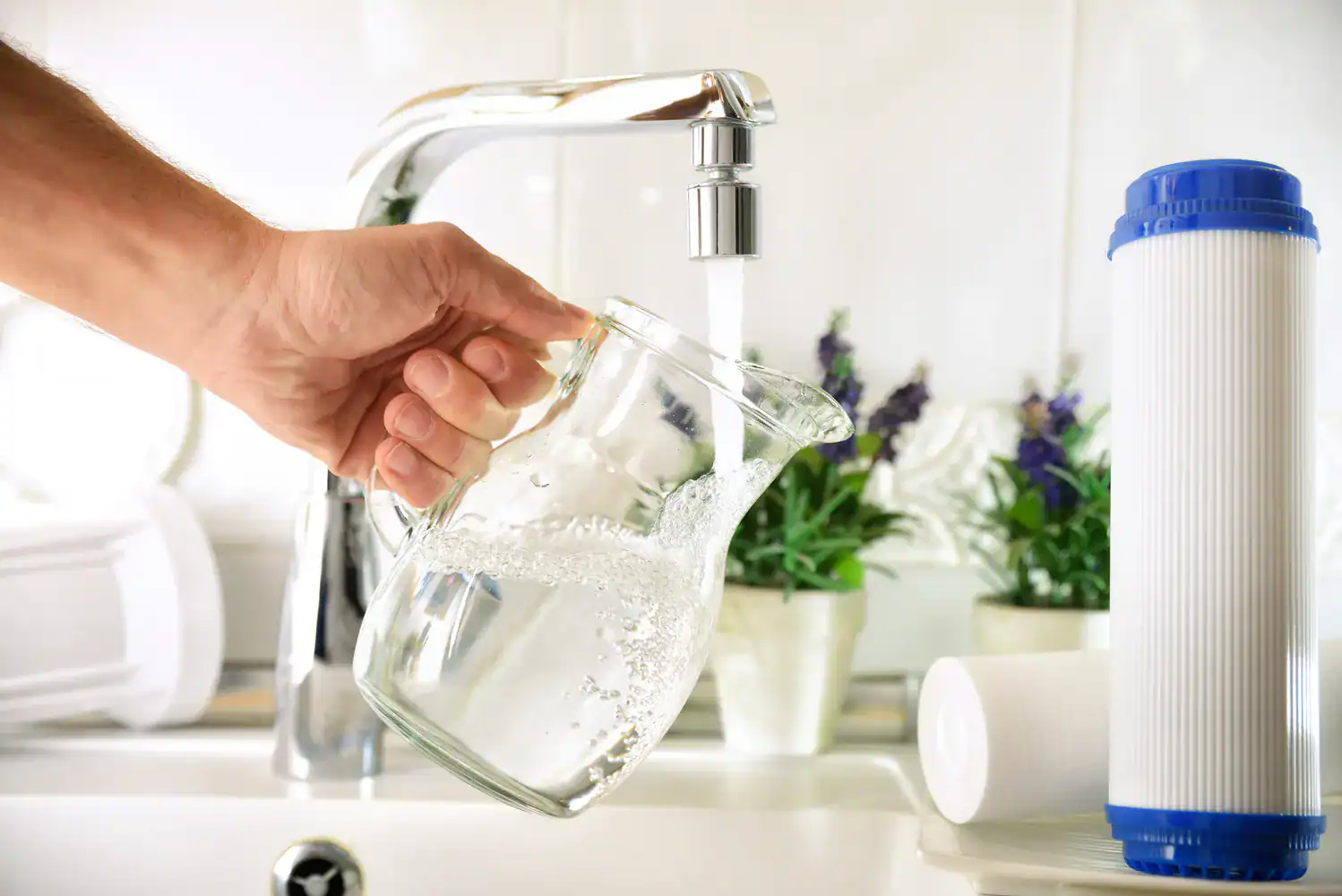
Most whole house filtration systems for Oakland homes run between $2,000 and $5,000 installed, depending on what you’re filtering and how much water your household uses. A basic carbon filter setup for city water with light sediment costs less than a multi-stage system that handles well water with iron, sulfur, and hardness.
The price includes the filtration unit, installation at your main water line, and initial setup. If you’re adding a water softener to handle Lake County’s hard water, that increases the cost but also increases what the system can do.
Filter replacements run $100 to $300 annually depending on your system and water quality. That’s significantly less than the cost of replacing a water heater early or dealing with constant plumbing repairs from scale buildup. Most homeowners see the return in appliance life extension and reduced soap usage within a few years.
It depends on what’s in your water and what type of filtration you install. Oakland city water contains chlorine, which any quality carbon filter will remove. You’ll also get sediment filtration that catches particles, rust, and debris that wear down appliances.
If you’re on well water, you might be dealing with iron, manganese, sulfur, or tannins depending on your location. Those need specific oxidation filters or media that standard carbon can’t handle. Hard water minerals like calcium and magnesium require a softener, not just a filter.
The only way to know exactly what you need is to test your water. We can do that before recommending a system. Some homes need basic chlorine and sediment removal. Others need multi-stage treatment for several issues at once. Testing takes the guesswork out and prevents you from paying for filtration you don’t need or installing a system that doesn’t solve your actual problem.
Most whole house carbon filters need replacement every six to twelve months depending on your water quality and household usage. If you’re filtering city water with low sediment, you’ll be closer to annual changes. Well water with higher sediment loads might need attention twice a year.
Sediment pre-filters often need changing more frequently—every three to six months—because they’re catching particles before they reach your main filter. That’s normal and actually extends the life of your more expensive carbon media.
Systems with filter media backwashing can go longer between services because they clean themselves. The media gets rinsed regularly to remove trapped particles, which means less frequent full replacements. Water softeners need salt refills every few weeks, but the resin inside typically lasts several years before needing replacement. We can set you up on a maintenance schedule, or you can track it yourself—most systems have indicators that show when service is due.
A properly sized and installed system won’t cause noticeable pressure loss. The key is matching the system’s flow rate to your home’s demand. Most Oakland homes need a system rated for 10 to 15 gallons per minute to handle multiple fixtures running simultaneously without pressure drop.
Cheaper or undersized systems can restrict flow, especially if the filter media is too dense or the housing is too small. That’s why sizing matters during installation. We measure your current flow rate and water usage to spec a system that handles peak demand—like when someone’s showering while the washing machine and dishwasher are running.
Over time, a clogged filter will reduce pressure, which is one reason regular filter changes matter. Sediment buildup restricts flow. If you notice pressure dropping, it’s usually a sign your filter needs changing, not that the system itself is the problem. Keep up with maintenance and pressure stays consistent.
Probably, if you want to protect your appliances and improve water throughout your home. A drinking water system—usually a reverse osmosis unit under the sink—only treats water at that one location. It makes great drinking water, but it doesn’t help your water heater, washing machine, shower, or dishwasher.
Whole house filtration treats water at the point of entry before it reaches any fixture or appliance. That means you’re removing chlorine that dries out your skin in the shower, filtering sediment that clogs your washing machine, and reducing hardness that destroys your water heater. Your drinking water system still handles the final purification for consumption, but the whole house system does the heavy lifting for everything else.
Most homeowners who install both see the biggest impact from the whole house system because it protects the entire home. The drinking water system is a nice addition for ultra-pure water at the tap, but it doesn’t solve the broader issues that cost money in repairs and replacements.
Please provide your email address so that we can stay in touch and answer any questions you have! We will be reaching back out shortly.
"*" indicates required fields
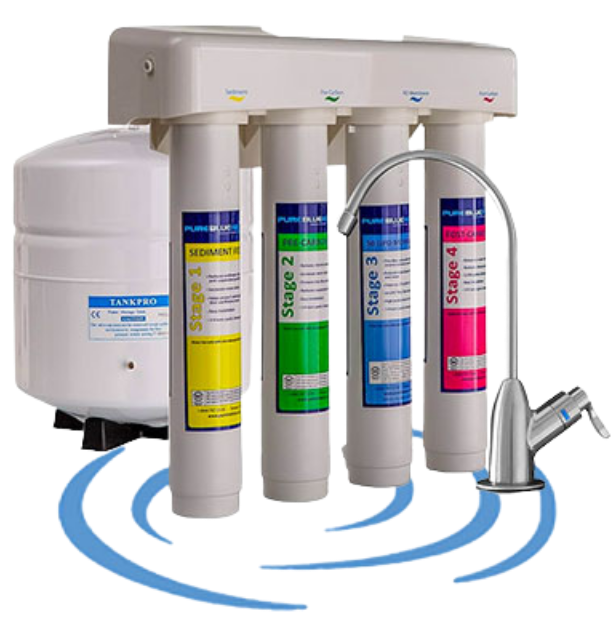
Get a free reverse osmosis drinking water system with the purchase of any whole-home water purification system.
*Cannot be combined with other offers. Mention this special when you call.