Reach Out Today
Please provide your email address so that we can stay in touch and answer any questions you have! We will be reaching back out shortly.


Hear from Our Customers
Your water heater stops dying early. Your dishwasher quits leaving spots and film on everything. The white buildup around faucets disappears, and you’re not scrubbing mineral stains off shower doors every week.
A point-of-entry system treats water before it reaches a single pipe in your home. That means every shower, every load of laundry, every glass of water gets filtered. You’re not just protecting what you drink—you’re protecting the $15,000 worth of appliances and plumbing that hard water destroys over time.
Miramar’s water contains eight contaminants above health guidelines, including PFAS chemicals that never leave your body once they get in. Hard water minerals cost local families between $8,800 and $13,500 over ten years in damage alone. A whole home carbon filter combined with proper treatment pays for itself in 2-4 years just from what it prevents, not counting what you stop spending on bottled water.
We hold an A-rating with the Better Business Bureau, a 5-star rating, and zero complaints. We’re members of the National Water Quality Association, which means we stay current on certifications, technology, and what actually works in Florida’s unique water conditions.
We don’t do plumbing or water heaters. We do water treatment, and we’ve been doing it across Florida since before most of the national companies showed up. That focus matters when you’re dealing with Miramar’s specific contamination issues—PFAS, arsenic, aggressive minerals that eat through pipes.
You’ll work with people who live here, know the water here, and will be around to service what we install. We offer $500 off for military and first responders because half our team has served.

We start with a free water analysis at your home. Not a guess, not a generic report—we test your actual water to see what’s in it and at what levels. That tells us what you’re dealing with and what kind of system will handle it.
From there, we design a custom system based on your water chemistry and how much water your household uses. Most whole house systems use multi-stage sediment filtration to catch particles, then activated carbon to remove chlorine, PFAS, and organic contaminants. If you’ve got hard water—and in Miramar, you probably do—we’ll talk through whether you need a water softener combination or a salt-free conditioner depending on your situation.
Installation takes a few hours. We tie the system into your main water line before it splits off to your home, so it treats everything. After that, maintenance is straightforward—filter media backwashing happens automatically, and we’ll set you up on a schedule for when carbon filters or media need replacing, usually every 5-7 years depending on your usage and water conditions.

Ready to get started?
Every system we install is custom-designed for your home’s water. We’re not selling you a one-size-fits-all box. You get a water analysis report that shows exactly what’s in your water and what the system is removing. You get professional installation by techs who’ve done this hundreds of times. You get a walkthrough of how everything works and what to expect.
Miramar homeowners deal with specific problems—pin-hole leaks in pipes from corrosive water, PFAS levels above what health organizations recommend, hardness that kills appliances. Your system addresses what’s actually happening in your water, not what a brochure says might be there. If you need sediment filtration, carbon filtration, and hardness treatment, that’s what gets installed. If you don’t, we won’t sell it to you.
We also service what we install, and we’ll service other brands if you’ve got an existing system that’s not performing. Fast response times matter when something stops working, and we’re local. You’re not calling a 1-800 number and waiting three weeks for a tech to drive in from another state.

It depends on what’s in your water and what kind of filtration media the system uses. Miramar’s water contains PFAS chemicals, arsenic, chlorine, chloramine, and hardness-causing minerals like calcium and magnesium. A properly designed system handles all of that.
Multi-stage sediment filters catch dirt, rust, and particles. Activated carbon removes chlorine, PFAS, volatile organic compounds, and improves taste and odor. If your system includes a softener or conditioner, it addresses the hardness that causes scale buildup and appliance damage.
The key is matching the system to your water. That’s why we test first. Generic systems might miss contaminants that matter in your specific situation, or they’ll include filtration you don’t need. You want a system certified to remove what’s actually in your water, not just what sounds good in an ad.
Most systems run between $2,000 and $6,000 depending on the size of your home, the complexity of your water issues, and what kind of filtration you need. A basic carbon filter system costs less than a multi-stage setup with softening and advanced PFAS removal.
Here’s the better question: what does it cost if you don’t install one? Hard water alone costs Miramar families $8,800 to $13,500 over ten years in appliance repairs, early replacements, and higher energy bills. Water heaters fail early. Dishwashers and washing machines break down. Pipes corrode and leak, causing thousands in damage.
A quality system pays for itself in 2-4 years just from what it prevents. Add in what you stop spending on bottled water, and the math gets even clearer. We’ll give you an exact quote after we test your water and see what you’re working with.
Most systems need filter media replaced every 5-7 years, depending on your water quality and how much water you use. The filter media backwashing process happens automatically—you don’t have to do anything. Sediment pre-filters might need changing every 6-12 months if you’ve got a lot of particulates in your water.
Carbon filters last longer, but they do eventually get saturated and stop removing contaminants effectively. We’ll set you up on a maintenance schedule based on your specific system and usage. When it’s time for service, we’ll reach out.
The systems we install are designed to be low-maintenance. You’re not constantly buying filters or messing with settings. But regular service matters if you want the system to keep doing its job. Skipping maintenance means contaminants start getting through, and you’re back to the same problems you installed the system to fix.
A whole house carbon filter removes PFAS, chlorine, and organic contaminants. Hard water requires a different approach—either a traditional water softener or a salt-free conditioner, depending on your hardness levels and what you’re trying to accomplish.
PFAS chemicals are a major concern in Miramar. Both PFOS and PFOA have been detected above health guidelines in local water. Activated carbon is one of the most effective ways to remove them, but the carbon needs to be high-quality and properly sized for your flow rate. Cheap systems don’t have enough contact time, and PFAS slips through.
Hard water is calcium and magnesium. A softener removes those minerals through ion exchange. A conditioner changes their structure so they don’t stick to pipes and appliances, but the minerals stay in the water. Which one you need depends on your hardness level and whether you’re okay with a system that uses salt. We’ll walk through both options after we test your water.
No. Point-of-entry filtration systems don’t waste water. They treat water as it flows through—no drain line, no wastewater. You get the same volume of water you’d get without the system, just cleaner.
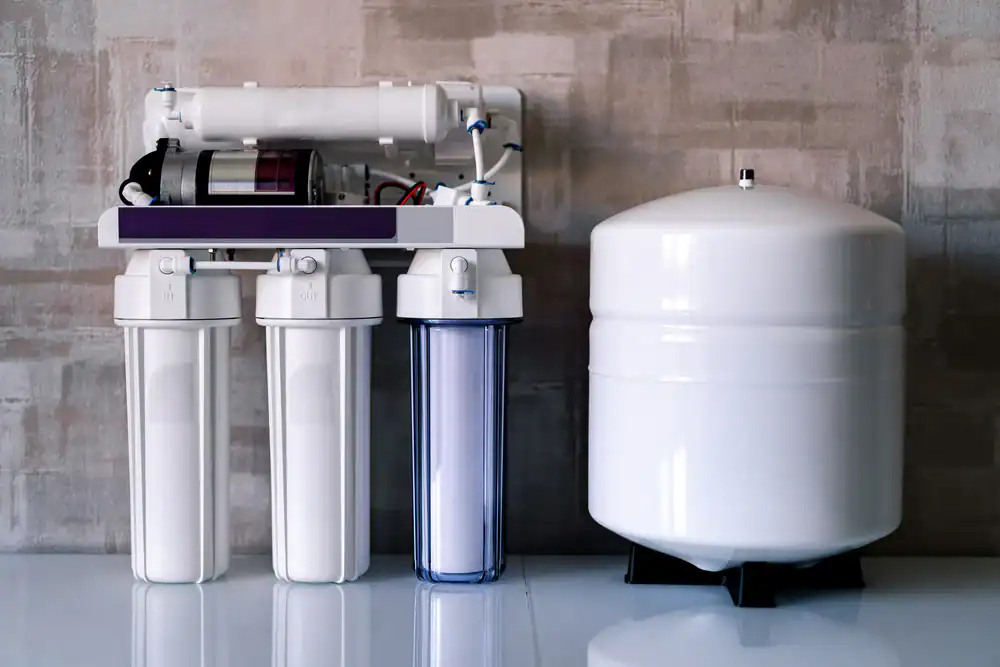
Reverse osmosis systems waste water because they use pressure to force water through a membrane, and the rejected water goes down the drain. That’s fine for a small under-sink system where you’re only filtering drinking water. It doesn’t make sense for whole-house use.
Whole home systems use filtration media that water passes through. Sediment filters catch particles. Carbon adsorbs contaminants. Water softeners regenerate by backwashing, which uses some water, but it’s minimal compared to what you’d waste with RO. Most of the systems we install are designed to be efficient—no electricity, no water waste, just clean water at every tap.
Please provide your email address so that we can stay in touch and answer any questions you have! We will be reaching back out shortly.
"*" indicates required fields