Reach Out Today
Please provide your email address so that we can stay in touch and answer any questions you have! We will be reaching back out shortly.


Hear from Our Customers
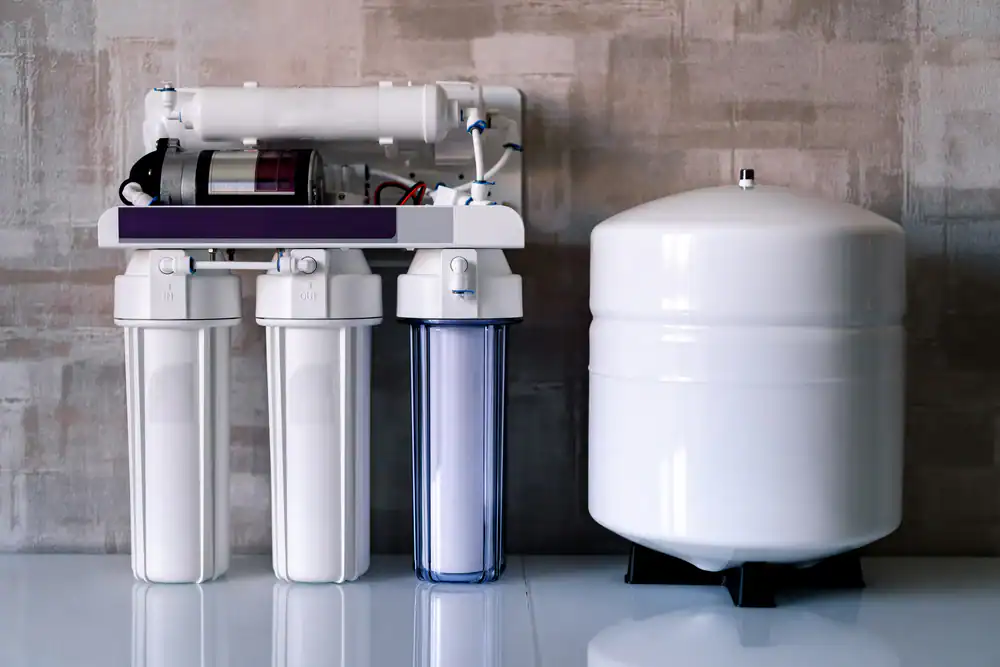
Your dishwasher shouldn’t fail after five years because of mineral buildup. Your skin shouldn’t feel dry and irritated after every shower. Your laundry shouldn’t come out dingy and stiff.
Florida’s groundwater comes loaded with challenges. Hard water leaves scale on your fixtures and shortens the life of every water-using appliance in your home. Chlorine dries out your skin and hair. Sulfur creates that rotten egg smell that clings to everything. And newer concerns like PFAS contamination are showing up in water tests across the state.
A whole house water filter handles all of it at the point where water enters your home. That means every tap, every shower, every load of laundry gets treated water. Your appliances last longer. Your skin feels better. Your water tastes clean. You stop buying bottled water because you trust what comes out of your tap.
Quality Safe Water of Florida focuses exclusively on whole-house purification, softening, and filtration. No plumbing side jobs. No water heaters. Just water quality systems designed for Florida homes.
We’re A+ rated with the Better Business Bureau with a 5-star rating and zero complaints. We’re members of the National Water Quality Association, which means we follow industry standards and stay current on water treatment technology. We also offer a $500 discount for military members and first responders, and we support the Tunnels to Towers Foundation.
Millwood sits in an area where groundwater quality varies significantly from one property to the next. That’s why we start every project with a free in-home water analysis. We test your water, talk through what you’re dealing with, and design a system based on your actual needs, not a one-size-fits-all package.

We start with a free water test at your home. This tells us what’s in your water and what needs to come out. Hard water, chlorine, iron, sulfur, sediment, PFAS—whatever’s there, we’ll find it.
From there, we design a multi-stage system that fits your home and your water usage. Most systems include sediment filtration to catch particles, whole home carbon filters to remove chlorine and chemicals, and often a water softener combination to handle Florida’s hard water. Some homes need filter media backwashing systems to manage iron or sulfur. It depends on what your water test shows.
Installation typically takes three to five hours. We install the system at your main water line so every drop of water that enters your home gets filtered. Once it’s in, you’ll notice the difference immediately—better taste, no smells, softer water, cleaner dishes.
We handle maintenance and servicing too. Systems need periodic filter changes and media replacement depending on your water usage and quality. We’ll set you up on a schedule and send reminders when it’s time.

Ready to get started?
A point-of-entry system treats water before it reaches any fixture or appliance. That means your kitchen sink, bathroom faucets, washing machine, dishwasher, and even your toilet all get filtered water.
In Millwood and surrounding areas, the most common issue we see is hard water. Florida’s limestone bedrock loads groundwater with calcium and magnesium, which causes scale buildup, soap scum, and premature appliance failure. A water softener combination handles that.
Chlorine is another big one. Municipal water systems use it for disinfection, but high levels dry out your skin and hair, and you can taste it in your drinking water. Whole home carbon filters remove chlorine and improve taste significantly.
Sulfur is common in well water and some municipal supplies. It creates that rotten egg smell and leaves stains on fixtures and clothing. Specific filter media backwashing systems target sulfur and iron, which also causes rust-colored staining.
Then there are emerging contaminants like PFAS, which have been detected in Florida water sources above EPA health advisory levels. Advanced filtration systems can reduce PFAS, arsenic, and other chemicals that standard filters miss. We test for these and recommend systems that address what’s actually in your water.
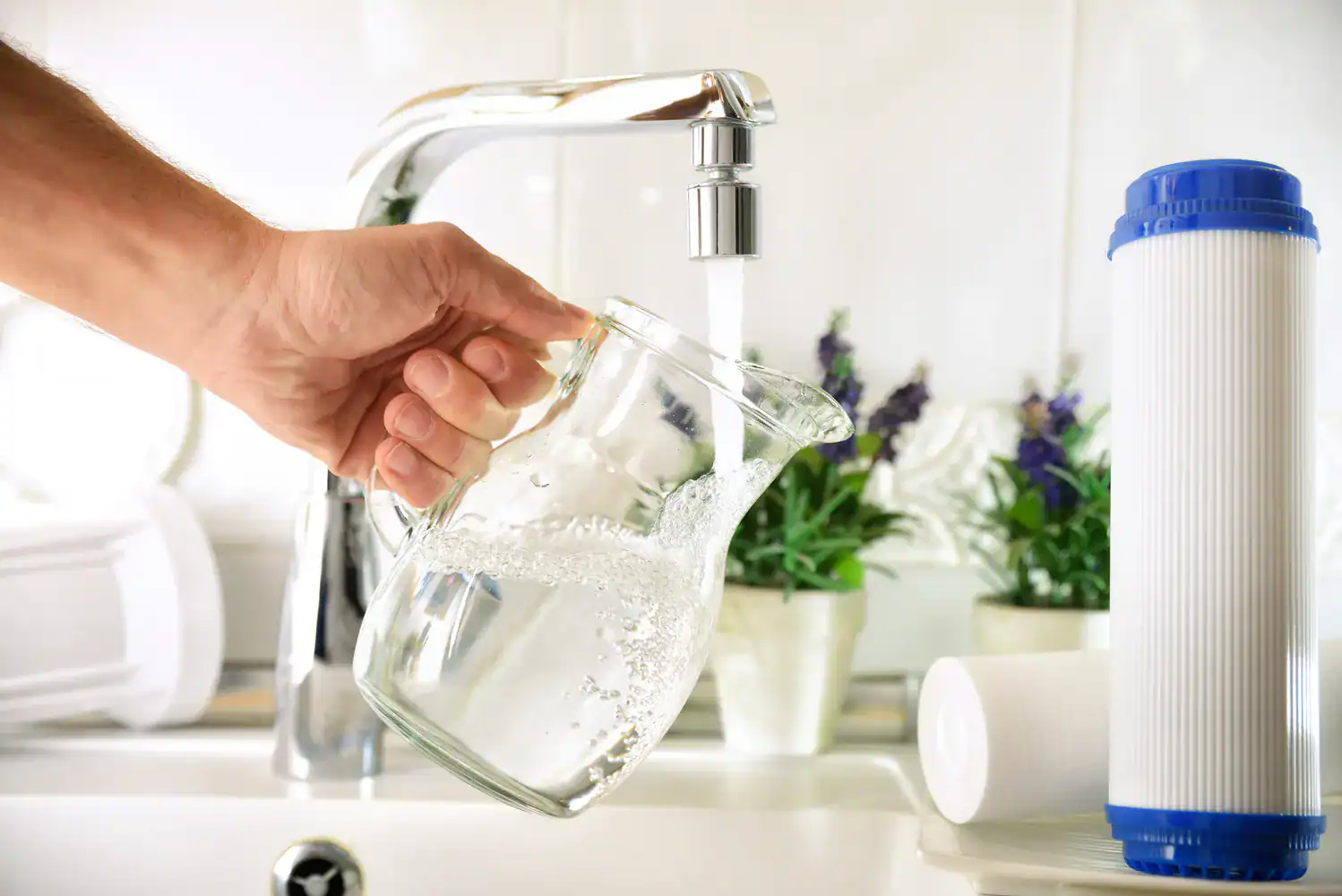
Most whole house water filter systems in Florida run between $1,500 and $4,000 depending on what your water needs and how large your home is. A basic sediment and carbon filtration setup costs less than a comprehensive system that includes water softening, iron removal, and advanced contaminant filtration.
The price depends on your water test results. If you’re dealing with just chlorine and sediment, you’re on the lower end. If you need to address hard water, sulfur, iron, and PFAS, you’ll need a more robust multi-stage system.
We don’t give cookie-cutter quotes because Florida water varies drastically from one home to the next. That’s why we start with a free water analysis. We test your water, talk through what you’re experiencing, and design a system that handles your specific issues. Then we give you a clear price with no surprises.
Yes, but you need the right combination of systems. A water softener handles hard water by removing calcium and magnesium through an ion exchange process. A whole home carbon filter removes chlorine, chemicals, and improves taste and odor. Most homes dealing with both issues install a water softener combination that includes carbon filtration.
The softener goes first to handle the minerals, then the carbon filter removes chlorine and other chemicals. This gives you soft water that doesn’t leave scale buildup and filtered water that doesn’t dry out your skin or taste like a swimming pool.
Some systems integrate both functions into one unit, while others use separate tanks. It depends on your water quality and flow rate needs. We’ll recommend the setup that makes sense for your home after we test your water.
It depends on the type of system and your water quality. Sediment filters typically need replacement every three to six months, especially if you’re on well water with high sediment levels. Carbon filters last six months to a year depending on chlorine levels and water usage.
Water softeners need salt refills regularly—usually every four to eight weeks depending on your household size and water hardness. The resin media inside a softener lasts several years before it needs replacement.
If you have a backwashing system for iron or sulfur, the media typically lasts three to five years. These systems clean themselves automatically, but the filter media eventually wears out and needs replacement.
We set up maintenance schedules based on your specific system and send reminders when it’s time for service. Most homeowners spend $100 to $300 per year on filter replacements and salt, which is significantly less than the cost of replacing appliances damaged by hard water or buying bottled water.
Yes, but you need a system specifically designed for sulfur removal. The rotten egg smell comes from hydrogen sulfide gas in the water, which is common in Florida well water due to decaying organic matter and certain bacteria in the aquifer.
A standard carbon filter won’t fully remove sulfur. You need either an oxidizing filter that converts the hydrogen sulfide into particles that get trapped, or an aeration system that releases the gas before filtration. Some systems use a combination of both methods.
The right approach depends on your sulfur concentration and whether you’re also dealing with iron, which often appears alongside sulfur in Florida groundwater. We test your water to measure sulfur levels and check for other contaminants, then recommend a filter media backwashing system or oxidation setup that handles your specific situation.
These systems require more maintenance than basic filters, but they completely eliminate the smell and prevent the staining and corrosion that sulfur causes on fixtures and appliances.
Absolutely. City water in Florida is treated and disinfected, but that doesn’t mean it’s problem-free. Municipal water often contains high chlorine levels for disinfection, which dries out skin and hair and affects taste. It can also have hard water depending on the source, plus trace amounts of chemicals, heavy metals, and disinfection byproducts.
A point-of-entry system for city water typically includes multi-stage sediment filtration to catch particles and rust from aging pipes, whole home carbon filters to remove chlorine and improve taste, and often a water softener if you’re dealing with hardness.
Some Millwood homeowners also want protection against contaminants like PFAS, lead, or arsenic that can appear in municipal supplies. Advanced filtration media can target these specific chemicals if your water test shows they’re present.
The advantage of filtering city water at the point of entry is that you get clean water everywhere—not just at your kitchen sink. Your shower water is filtered, your washing machine gets treated water, and your appliances aren’t taking a beating from chlorine and minerals.
Please provide your email address so that we can stay in touch and answer any questions you have! We will be reaching back out shortly.
"*" indicates required fields