Reach Out Today
Please provide your email address so that we can stay in touch and answer any questions you have! We will be reaching back out shortly.


Hear from Our Customers
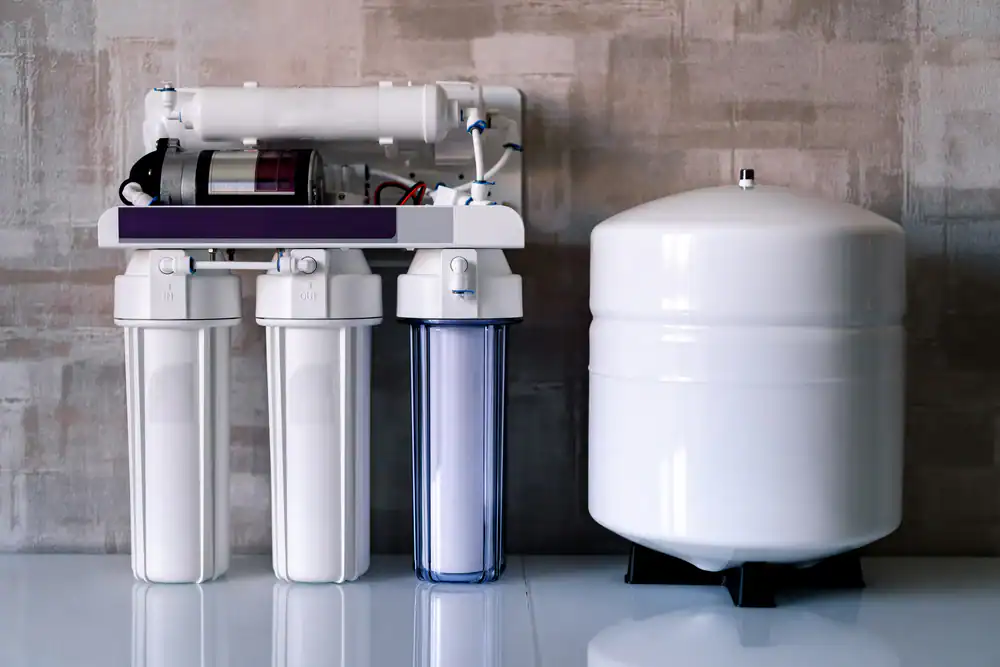
Tampa’s water comes primarily from the Hillsborough River, and by the time it reaches your Liberty Park home, it has been treated with monochloramine — a chlorine-ammonia blend that’s harder to remove than standard chlorine and that your countertop pitcher filter isn’t designed to touch. We install a point of entry system at your main water line that intercepts it before it reaches anything in your home. That means cleaner water at the kitchen sink, yes — but also in the shower where you’re breathing in steam every morning, in the washing machine running against your family’s clothes, and in the water heater quietly building up scale.
Speaking of scale — Tampa’s water averages 201 mg/L of hardness, which puts it firmly in the hard water category. For a home in Liberty Park that was built in the 1990s or early 2000s, that’s 25 to 30 years of mineral buildup working against your water heater, your dishwasher, and your plumbing fixtures. Hard water scale can cut a water heater’s efficiency by nearly half and shorten its lifespan significantly. A whole house filtration system addresses that at the source, before the damage compounds further.
The difference you notice first is usually sensory — water that doesn’t smell like a pool, a shower that doesn’t leave your skin feeling tight, coffee that actually tastes like coffee. But the longer-term benefit is what makes this a real home investment: appliances that last longer, pipes that stay cleaner, and a water supply you don’t have to think twice about.
We’ve been working in Florida water treatment for over 50 years. That’s not a branding line — it means we were installing systems in homes like yours in Liberty Park before most of New Tampa was even annexed by the city. We know what the Hillsborough River source water does seasonally, how monochloramine behaves differently from free chlorine, and what hard water at 11+ grains per gallon does to a home’s plumbing over time.
Our BBB A-rating carries zero complaints on file. In an industry with a well-documented history of high-pressure sales tactics and companies that vanish after installation, that record is verifiable at bbb.org before you ever pick up the phone. We’re also a member of the Water Quality Association, which means our recommendations come with an actual professional code of ethics behind them — not just a sales quota.
For families near Liberty Middle School and throughout the 33647 area, we show up, do the work, and remain reachable when your filter needs service two years later.
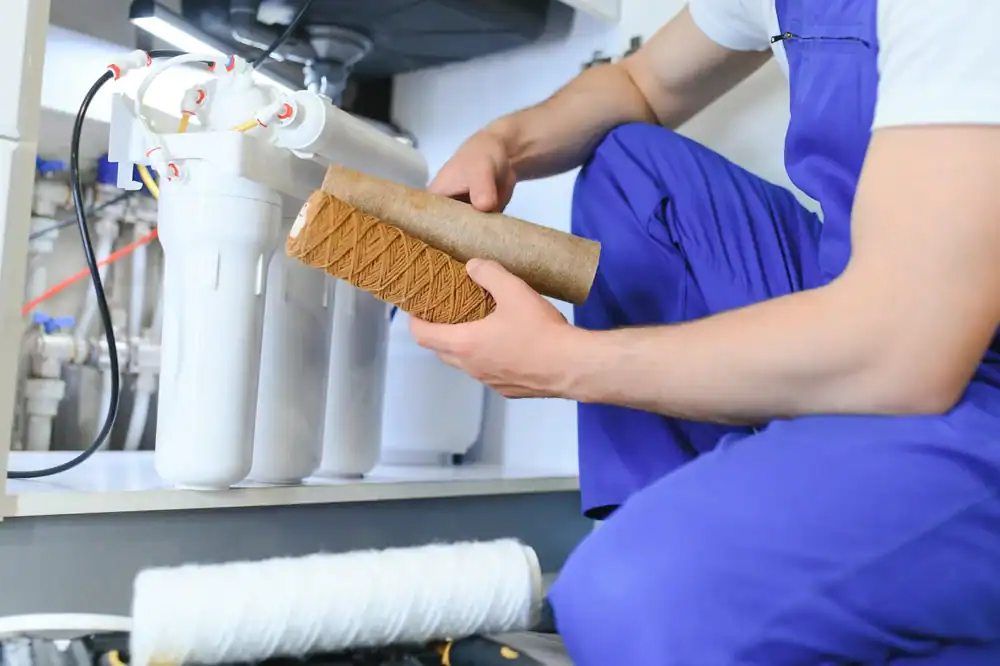
It starts with a water test — not a sales presentation. Before we recommend a system, we test your Liberty Park home’s water to find out what’s actually in it. Tampa’s municipal supply has documented contaminants including trihalomethanes that have exceeded EPA limits, arsenic at levels far above independent health guidelines, and radium — all within legal limits, but legal and safe aren’t always the same thing. Knowing your specific water profile is what determines the right system, not a one-size-fits-all package.
Once the test results are in, we build the recommendation around what your home actually needs. For most Liberty Park homes on the City of Tampa supply, that means a multi-stage filtration system configured to handle chloramines, reduce hardness, and address the full contaminant profile — not just taste and odor. The system is installed at your main water line, which is the only point that covers every gallon entering your home. If you’re in an HOA-governed community — which describes most of Liberty Park — we install it in a way that’s consistent with community standards, with no exterior complications.
After installation, the water change is immediate. We maintain filters on a predictable schedule, and we’re reachable for ongoing service. There’s no disappearing act after the sale.
Ready to get started?
Our whole house filtration systems aren’t shelf products pulled out of a catalog. We configure each system around what Tampa’s water actually contains. Because the City of Tampa uses monochloramine rather than free chlorine, the system needs the right media — typically catalytic carbon combined with additional treatment stages — to address it effectively. Standard carbon block filters that work fine in other cities don’t perform the same way here. That’s a detail that matters, and it’s the kind of thing our 50-year Florida specialist background knows that a national brand operating through a local dealer often doesn’t.
For Liberty Park homeowners, our system covers the full picture: chloramine and chlorine removal, hardness reduction to protect your appliances and plumbing, and filtration for the broader contaminant profile documented in Tampa’s water supply. Every gallon coming through your main line gets treated before it reaches your showers, your ice maker, your washing machine, or your kids’ bath. That’s what point of entry means — not one tap, not one room, the whole house.
We offer a $500 discount on whole house systems for active military, veterans, and first responders. If that applies to your household, mention it when you call. We also support the Tunnels to Towers Foundation, which provides mortgage-free homes to injured veterans and fallen first responder families — a commitment that goes beyond the service call.
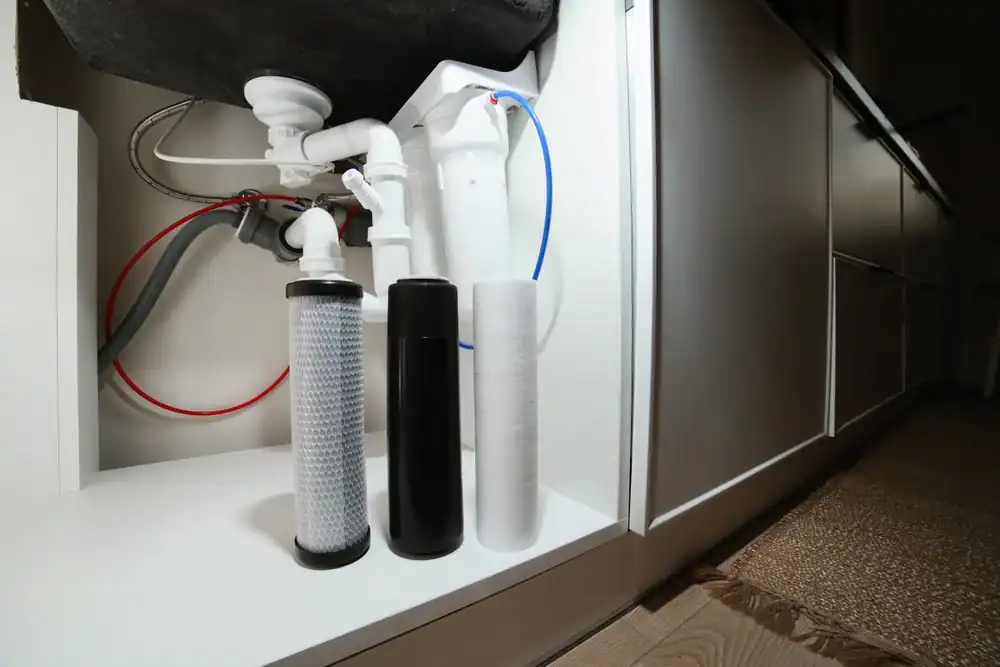
Tampa’s water meets EPA legal standards — that part is true. But meeting the legal limit and being as clean as current science recommends aren’t always the same thing. The Environmental Working Group’s independent analysis found 18 contaminants in the City of Tampa’s water supply, including arsenic at levels 198 times higher than their health guideline, trihalomethanes that have exceeded the EPA’s own maximum contaminant level of 80 parts per billion, and radium at roughly 15 times EWG’s guideline. These aren’t fabricated numbers — they’re publicly available at ewg.org and have been reported by local Tampa media including WFLA.
For most healthy adults, short-term exposure at these levels isn’t an acute emergency. But for families with young children in Liberty Park, or anyone thinking about long-term daily exposure, the gap between “legal” and “safe by the best available science” is worth closing. A properly configured whole house filtration system does exactly that — and it starts with a water test specific to your home, not a generic assumption.
Because Tampa doesn’t use standard chlorine. The City of Tampa treats its water with monochloramine — a compound made by combining chlorine with ammonia. It’s more stable than free chlorine, which is why Tampa uses it, but it’s also significantly harder to remove. The pitcher filters you find at the grocery store — Brita, PUR, and similar brands — are designed primarily for free chlorine. They’re far less effective against chloramines, and most of them don’t address hardness, trihalomethanes, arsenic, or the other contaminants documented in Tampa’s supply.
This is one of the most common frustrations Liberty Park homeowners run into: they buy a filter, the water still smells or tastes off, and they assume filtration just doesn’t work. It works — but it has to be the right filtration for the specific water chemistry you’re dealing with. A whole house system configured for Tampa’s monochloramine treatment, using catalytic carbon and the appropriate media stages, handles what a pitcher filter can’t.
Tampa’s water comes in at an average hardness of around 201 mg/L — about 11.7 grains per gallon, which is firmly in the hard water range. Over time, that mineral content builds up as scale inside your pipes, water heater, dishwasher, and washing machine. It’s a slow process, which is why most homeowners don’t notice it until the damage is already compounding.
For homes in Liberty Park built in the 1990s and early 2000s, that’s potentially 25 to 30 years of scale accumulation. Research shows hard water scale can reduce a water heater’s efficiency by up to 48% and shorten its lifespan considerably — and that’s before accounting for clogged showerheads, etched glass shower doors, and worn washing machine components. A whole house system with hardness reduction addresses this at the source, before the water reaches any fixture or appliance in your home. The cost of the system is often less than the cost of a single premature appliance replacement.
For a comprehensive whole house filtration system in the Liberty Park and New Tampa area, you’re generally looking at a range of $1,200 to $6,500 or more installed, depending on the size of your home, the specific water conditions, and the number of treatment stages required. The national average for whole house filtration installation sits around $2,273, but Florida systems — particularly those configured to handle monochloramine, hardness, and the broader contaminant profile in Tampa’s water — often fall in the middle to upper range of that window.
The more useful comparison isn’t between filtration companies — it’s between the system cost and what you’re currently spending without one. A family buying bottled water at $75 a month is spending $900 a year and roughly $9,000 over a decade, for water that’s regulated less rigorously than your municipal supply. Add in the cost of a prematurely replaced water heater or dishwasher due to hard water scale, and the return on a whole house system becomes straightforward math. We also offer a $500 discount for military and first responders, which is worth mentioning upfront if it applies to your household.
Yes — and this is actually one of the most immediate, noticeable changes people report after installation. The chlorine and chloramine smell that’s common in Tampa tap water doesn’t stay in the kitchen. It comes out of every showerhead in your home, and in a hot shower, those compounds off-gas into the steam you’re breathing for 10 to 15 minutes. Tampa’s subtropical climate and warm water temperatures accelerate that off-gassing, which is why the shower smell tends to be more pronounced here than in cooler climates.
A point of entry whole house system treats the water before it reaches your shower, which means no chloramine odor, no chemical smell in the steam, and no skin irritation from disinfectant residue in the water. Under-sink filters and pitcher filters don’t help here because they only treat the water at one outlet — your kitchen faucet. The only way to address shower water is to filter at the main line, before the water splits off to any fixture in the house. That’s exactly what our whole house system does.
Please provide your email address so that we can stay in touch and answer any questions you have! We will be reaching back out shortly.
"*" indicates required fields
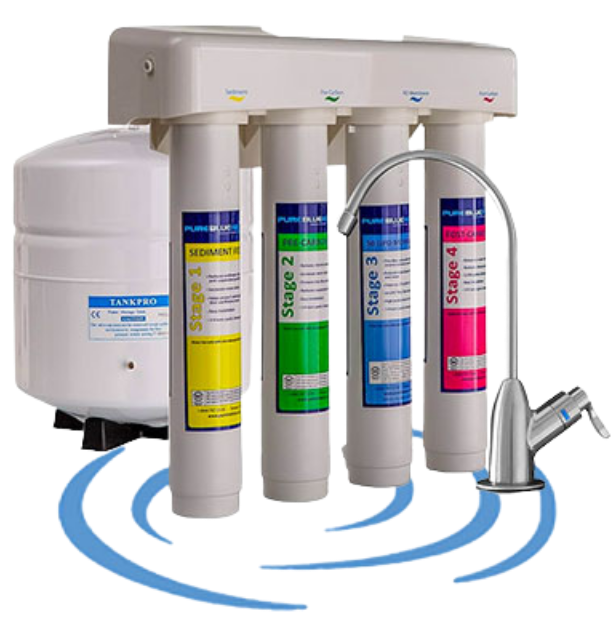
Get a free reverse osmosis drinking water system with the purchase of any whole-home water purification system.
*Cannot be combined with other offers. Mention this special when you call.