Reach Out Today
Please provide your email address so that we can stay in touch and answer any questions you have! We will be reaching back out shortly.


Hear from Our Customers
Your dishes stop coming out of the dishwasher with white spots. Your coffee tastes like coffee, not chlorine. Your water heater isn’t fighting mineral buildup every day, and your showerhead isn’t clogged with sediment by the end of the month.
That’s what point-of-entry filtration does. It treats water where it enters your home, so every faucet, every appliance, every shower gets filtered water.
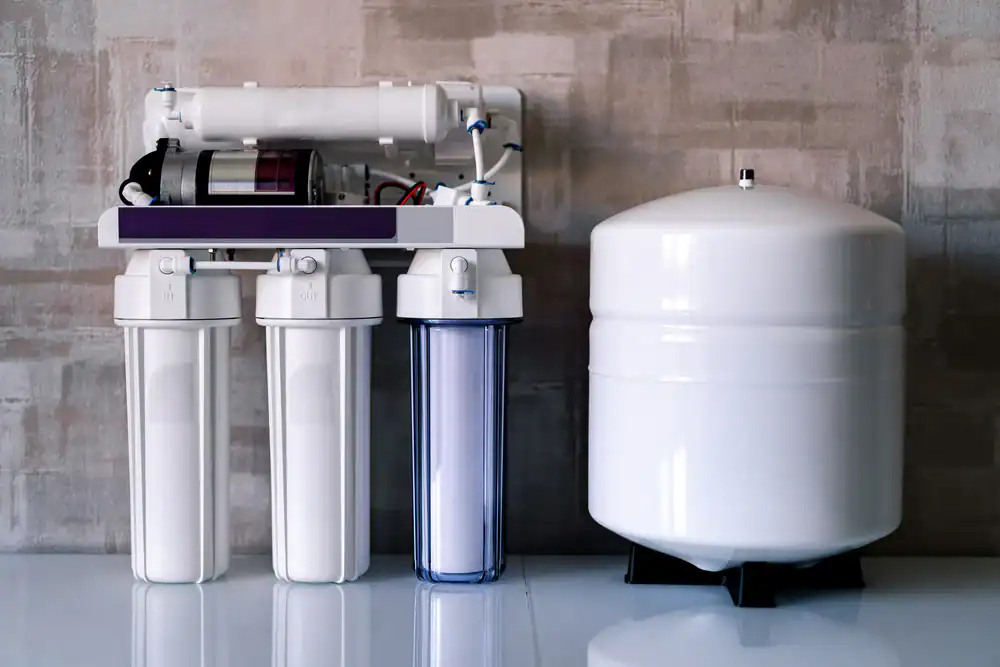
You’re not dealing with pitcher filters that need constant refills or under-sink units that only cover one tap. Whole home carbon filters handle chlorine and chemical taste. Multi-stage sediment filtration catches particles before they damage your plumbing. And if you’ve got hard water on top of everything else, a water softener combination addresses both problems in one system.
Florida’s aquifer water picks up minerals, sulfur, and contaminants on its way to your home. Lacota, FL sits in an area where hard water and chlorine treatment are standard, which means your water needs more than a basic filter. It needs a system designed for what’s actually in the water here.
We focus on whole-house water treatment for homeowners in Lacota, FL and surrounding areas. We’re rated A+ by the Better Business Bureau with a 5-star customer rating and zero complaints. We’re also members of the National Water Quality Association, which means we stay current on industry standards and installation best practices.
We don’t do plumbing or water heaters. We do water filtration, purification, and softening. That’s it. And we service what we install, which matters more than most people realize until they’re stuck with a system that doesn’t work and a company that won’t return calls.
Lacota homeowners deal with the same water issues affecting most of Florida: hard water from limestone aquifers, chlorine or chloramine added by municipal treatment, and sulfur compounds that create that rotten egg smell. We’ve seen it all, and we know what works in this area.

First, we test your water. Not a guess, not a generic recommendation—we actually test what’s coming into your home. That tells us what contaminants we’re dealing with and what type of system you need.
Then we talk through your options. If you’ve got hard water and chlorine, you might need a water softener combination with carbon filtration. If sulfur is the main issue, we’ll recommend a system with filter media backwashing to handle it. Every home is different, and your system should match what’s actually in your water.
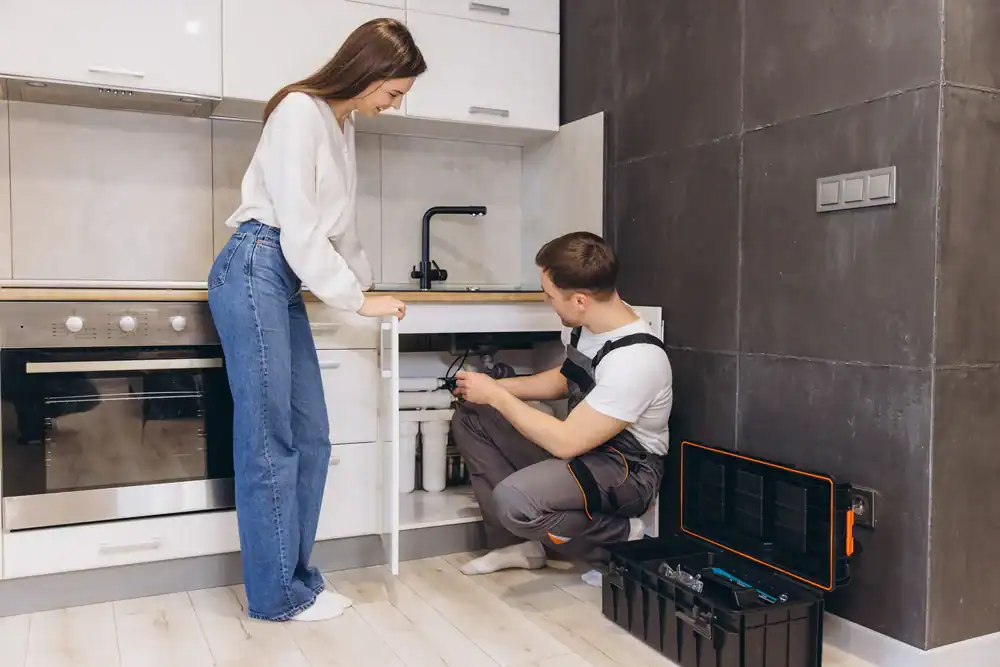
Once you approve the plan, we install the system at your point of entry—where water comes into your house. That’s why it’s called a point-of-entry system. Everything downstream gets treated: your kitchen, bathrooms, laundry, outdoor spigots, all of it.
After installation, we walk you through how the system works and what maintenance looks like. Most systems need minimal upkeep—filter changes once or twice a year depending on your water usage and quality. We handle that too if you want us to.
You’ll notice the difference immediately. No more chlorine smell when you turn on the tap. No more mineral film on your glassware. Your soap lathers better, your skin doesn’t feel dry after a shower, and your appliances aren’t fighting buildup every day.
Ready to get started?
A whole house water filter isn’t one piece of equipment. It’s a system designed around what’s in your water. In Lacota, FL, that usually means addressing hard water, chlorine, and sometimes sulfur or sediment.
Multi-stage sediment filtration catches particles like sand, rust, and debris before they reach your fixtures or appliances. Whole home carbon filters remove chlorine, chloramine, and the chemical taste that comes with treated municipal water. If you’re on well water, you might also need filtration for iron, sulfur, or bacteria depending on your test results.
Hard water is nearly universal in Florida. The Palm Beach area has some of the hardest water in the state at 19 grains per gallon, and Lacota isn’t far behind. Hard water leaves mineral deposits on everything it touches—your faucets, your showerheads, your water heater, your dishwasher. A water softener combination handles both the minerals and the filtration in one system, which saves space and simplifies maintenance.
Filter media backwashing is part of how these systems stay effective. The system automatically cleans itself by flushing trapped contaminants down the drain, so you’re not manually scrubbing filters or dealing with constant clogs. It’s built into the design.
We also offer a $500 discount for military members and first responders, because that’s who we are. And we support the Tunnels to Towers Foundation, which you’ll see on our website. We believe in taking care of the people who take care of others.
It depends on what’s in your water and what type of system you install. Most whole house filters in Lacota, FL are designed to remove chlorine, sediment, hard water minerals, and sometimes sulfur or iron.
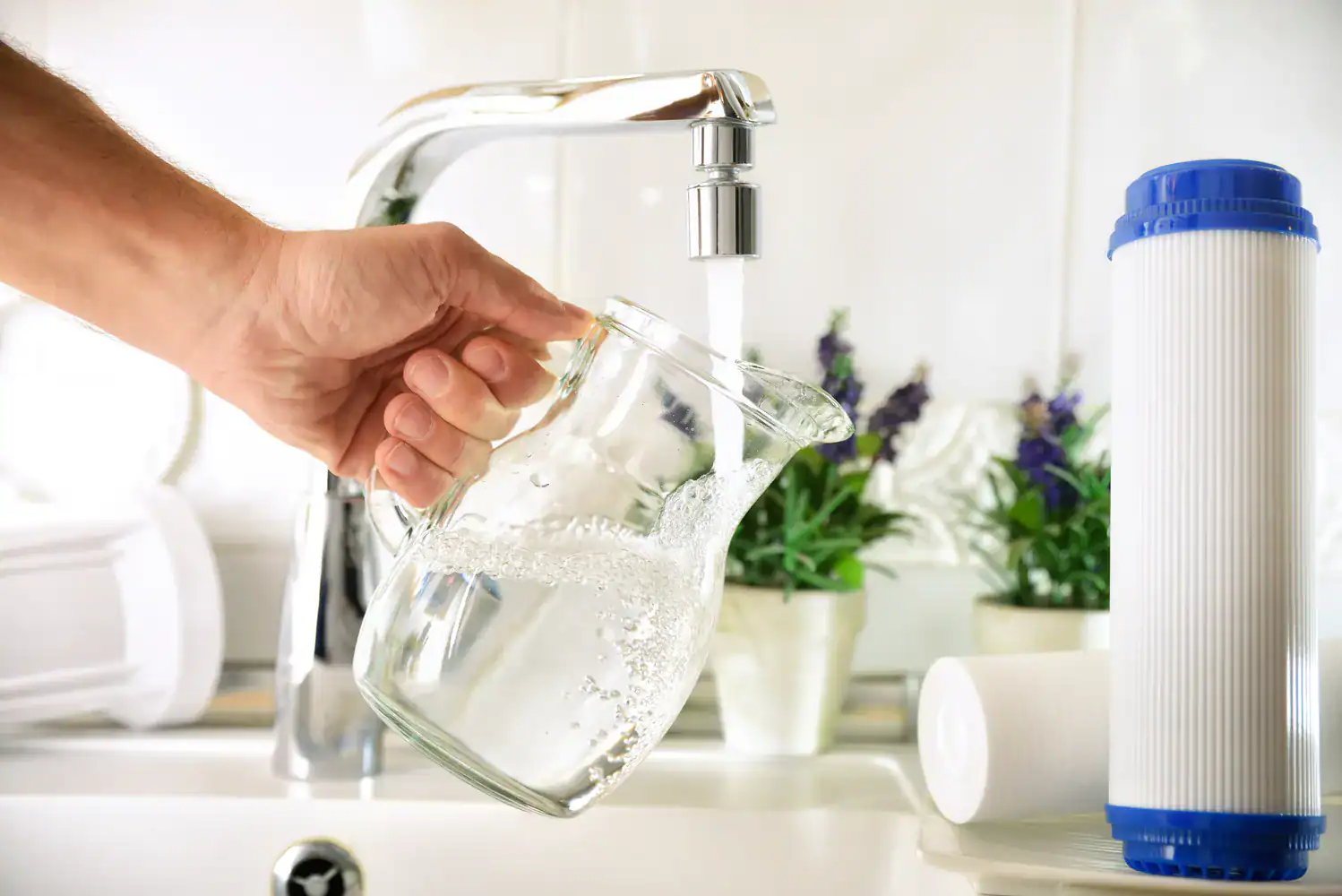
Chlorine and chloramine are added by municipal water systems to kill bacteria, but they leave a chemical taste and smell that most people hate. Carbon filtration removes both. Sediment filters catch particles like sand, silt, and rust that come from aging pipes or well water. If you’ve got hard water, a softener removes calcium and magnesium, which are the minerals that cause buildup and scale.
If your water smells like rotten eggs, that’s hydrogen sulfide, and you’ll need a system with specific media designed to handle sulfur. Same goes for iron, which stains everything it touches. We test your water first so we know exactly what we’re dealing with, and then we recommend a system that actually addresses those contaminants. There’s no point installing a system that doesn’t match your water chemistry.
Most whole-house systems range from $3,000 to $15,000 depending on the size of your home, the complexity of your water issues, and what type of equipment you need. A basic sediment and carbon filter system costs less than a multi-stage system with softening and sulfur removal.
Larger homes need bigger systems to handle higher flow rates. If you’ve got four bathrooms and multiple people using water at the same time, your system has to keep up without dropping pressure. That affects cost. So does your water quality—if you’re dealing with multiple contaminants, you need more filtration stages.
We give you an exact price after we test your water and assess your home’s setup. No surprises, no upselling. You’ll know what the system costs, what it does, and what’s included in the installation. We also offer a $500 discount for military and first responders, which helps offset the investment.
One more thing: a quality system protects your appliances and plumbing, which saves you money long-term. Water heaters last longer without mineral buildup. Dishwashers and washing machines run more efficiently. You’re not replacing fixtures or dealing with clogs as often. That adds up.
Not if it’s sized and installed correctly. Pressure drop is a real concern with point-of-entry systems, but it’s avoidable if the system matches your home’s flow rate and the installer knows what they’re doing.
Every filter creates some resistance as water passes through, but a properly designed system accounts for that. We calculate your home’s peak demand—how much water you use when multiple fixtures are running—and size the system accordingly. If your home needs 15 gallons per minute during peak use, we don’t install a system rated for 10.
Cheap systems or incorrect sizing cause pressure problems. So does poor installation. If the pipes aren’t the right diameter or the system isn’t plumbed correctly, you’ll notice a drop. That’s why we’re members of the National Water Quality Association and follow industry standards for every install.
You might notice a slight difference immediately after installation as the system settles in, but it shouldn’t be significant. If your pressure drops noticeably, something’s wrong, and it needs to be fixed. We don’t leave jobs until everything works the way it should.
Most systems need filter changes every six to twelve months, depending on your water quality and how much water your household uses. Sediment filters typically need changing more often than carbon filters because they’re catching physical particles that clog the media faster.
If your water has a lot of sediment or iron, you might need to change pre-filters every few months. Carbon filters usually last closer to a year. Some systems have filter media that gets backwashed automatically, which extends the life and reduces how often you need to replace anything.
We’ll tell you exactly what maintenance your specific system needs when we install it. We also offer maintenance plans if you’d rather have us handle it. We come out, swap the filters, check the system, and make sure everything’s running correctly. Takes about an hour, and you don’t have to think about it.
Skipping filter changes defeats the purpose of having a system. Clogged filters reduce flow, drop pressure, and stop removing contaminants effectively. If you’re going to invest in whole-house filtration, you need to maintain it. It’s not complicated, but it’s not optional either.
A water softener removes hardness minerals—calcium and magnesium—that cause scale buildup. A whole house filter removes contaminants like chlorine, sediment, chemicals, and sometimes bacteria or metals. They solve different problems, and most Florida homes need both.
Hard water doesn’t taste bad or smell weird, but it wrecks your plumbing and appliances. It leaves white crusty deposits on faucets, clogs showerheads, and creates a film on dishes. It also makes soap less effective, so you use more detergent and shampoo without getting the same results. A softener fixes that by swapping calcium and magnesium ions with sodium or potassium.
A filter addresses taste, odor, and contamination. If your water smells like chlorine or tastes metallic, that’s a filtration issue, not a hardness issue. If it smells like sulfur, same thing. Filters also catch sediment and rust that softeners don’t handle.
In Lacota, FL, you’re likely dealing with both hard water and chlorine or other treatment chemicals. That’s why water softener combination systems are common here—they address minerals and filtration in one setup. You get softer water and cleaner water without needing two separate installations.
Please provide your email address so that we can stay in touch and answer any questions you have! We will be reaching back out shortly.
"*" indicates required fields