Reach Out Today
Please provide your email address so that we can stay in touch and answer any questions you have! We will be reaching back out shortly.


Hear from Our Customers
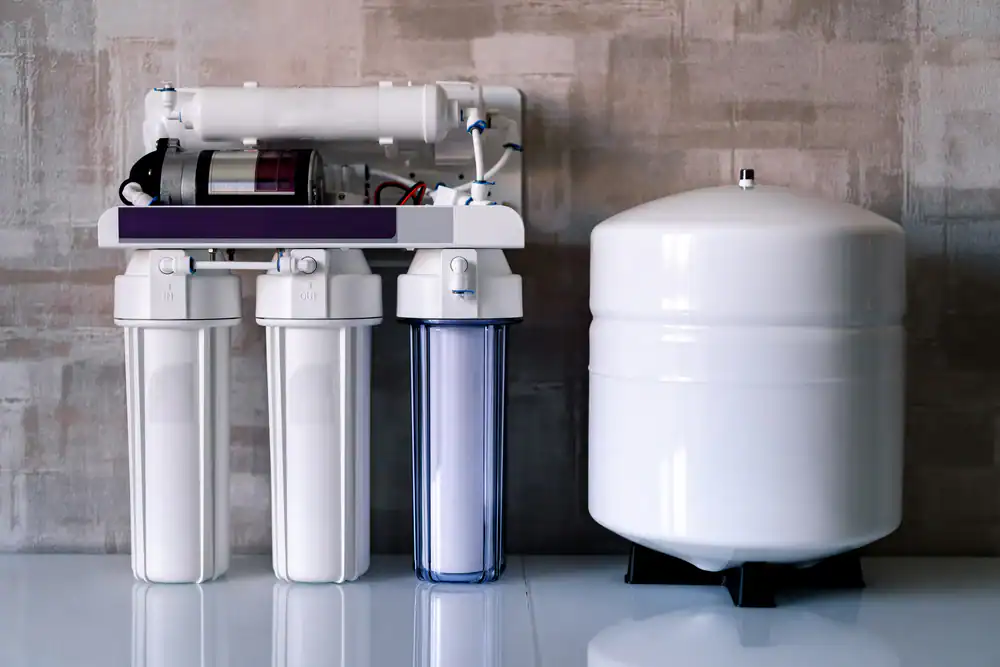
If you’ve noticed a chlorine smell coming out of the tap, white scale building up around your showerhead, or a taste in your water that just isn’t right — you’re not imagining it. Port LaBelle Utilities water has documented disinfection byproducts, specifically haloacetic acids formed when chlorine reacts with organic matter in the supply. These compounds are legal under current EPA limits, but they exceed the health-based guidelines set at a one-in-one-million lifetime cancer risk level. A pitcher filter handles what you drink at the kitchen sink. It does nothing for the water you shower in, cook with, or run through your appliances every day.
For homeowners on private wells in LaBelle and the surrounding area — and there are a lot of you, especially outside city limits — the concern is different but just as real. Hendry County is surrounded by citrus groves, sugar cane operations, and cattle ranches. That agricultural activity creates documented nitrate and pesticide infiltration risk in the groundwater. Nitrates are colorless and odorless, which means you won’t know they’re there without testing. A whole house point of entry system treats every gallon at the main line before it reaches any fixture, appliance, or tap in your home.
Hard water is the third piece of this. Florida’s limestone geology produces some of the highest mineral content in the country, and inland communities like LaBelle that draw from the Floridan Aquifer tend to feel it more than most. Scale buildup quietly reduces water heater efficiency, clogs showerheads, and shortens the life of washing machines and dishwashers. In a market where household budgets matter, protecting your appliances is not a luxury — it’s math.
We’ve been in the water treatment industry for more than 50 years. That’s not a tagline — it’s a track record you can verify. We hold a BBB A-rating with zero complaints on file, which is genuinely rare in an industry where high-pressure sales tactics and post-sale abandonment are well-documented problems across Florida.
We’re also a member of the Water Quality Association, the industry’s primary professional trade organization, which requires adherence to ethical and professional standards that not every company meets. When a recommendation comes from a WQA member, it comes with an ethical framework behind it — not just a sales pitch.
We serve the greater LaBelle area, including Port LaBelle, Banyan Village, and the rural residential corridors throughout Hendry County. Whether your home is on Port LaBelle Utilities or a private well off County Road 80A, we test your water first and let the results drive the recommendation. We also offer a $500 discount for active military, veterans, and first responders — a real, named benefit for a community that has no shortage of people who’ve served.

It starts with a water test, not a sales pitch. Before we recommend a system, we test your water to find out what’s actually in it. For Port LaBelle municipal customers, that means identifying disinfection byproducts and chlorine levels. For well water users in the LaBelle area, it means testing for hardness, nitrates, bacteria, and any agricultural contaminants relevant to your location. The recommendation follows the data — not the other way around.
Once the results are in and the right system is identified, installation happens at the main water line entering your home. This is a point of entry installation, meaning the system treats every gallon before it reaches any tap, showerhead, appliance, or fixture. For homes in Hendry County on private wells, this process also accounts for county health department requirements, since Hendry County is a delegated well permitting authority under Florida’s program. A properly licensed installation means the work is done right and documented correctly.
After the system is in, you’ll notice the difference at every tap in the house — not just one. No more chlorine smell in the shower. No more scale on the faucets. No more second-guessing what’s in the glass you hand your kids. And because we service what we sell, you’re not on your own when it’s time for filter maintenance or a system check down the road.

Ready to get started?
LaBelle’s water profile is not the same as what you’d find in a coastal suburb or a Central Florida retirement community. The combination of agricultural runoff risk, Floridan Aquifer hardness, and municipal disinfection byproducts in Port LaBelle’s supply means a single-stage filter isn’t adequate here. We install multi-stage whole house systems configured around your actual water test results — not a one-size-fits-all package pulled off a shelf.
Depending on what your water test shows, your system may include sediment pre-filtration to handle particulates, a carbon stage for chlorine removal and disinfection byproduct reduction, a water softening stage to address the hard water that’s quietly working against your appliances and pipes, and additional treatment for bacteria or nitrates if your well water calls for it. Every stage serves a purpose tied to your specific water chemistry.
For new homeowners in Port LaBelle and Banyan Village — where construction has been active and many residents are encountering Hendry County water for the first time — this kind of customized approach matters more than ever. You moved here, you’re investing in your home, and you deserve to know exactly what’s coming out of your taps. We’ll test, explain, and install — and the system we put in will be sized and configured for your home, not the house three counties over.
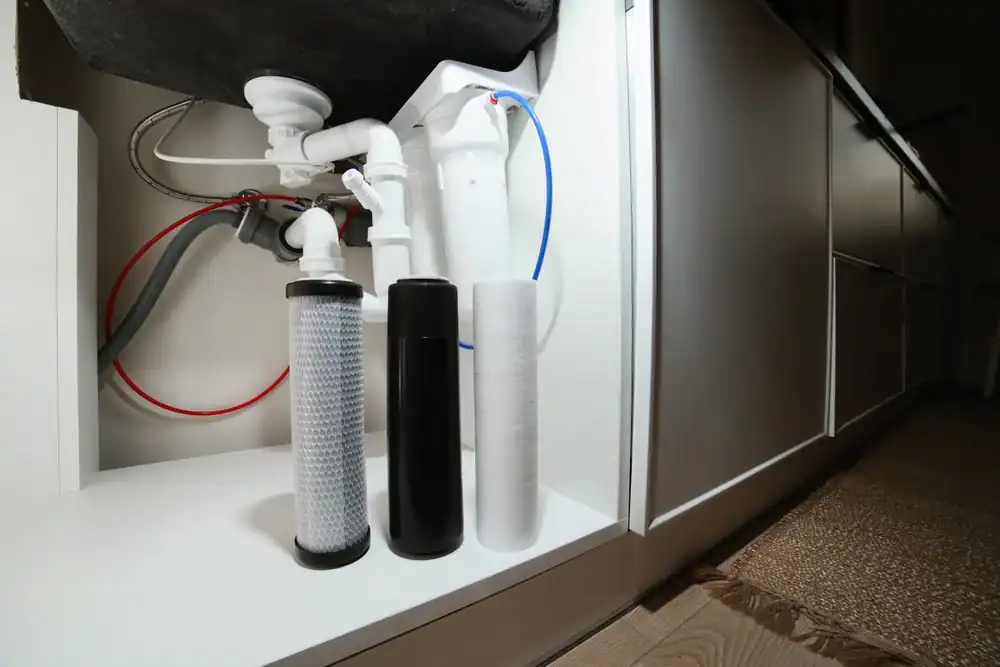
The short answer is that it meets legal EPA standards — but meeting legal standards and being genuinely clean are two different things. Port LaBelle Utilities, the municipal system serving the Port LaBelle community, has documented haloacetic acids (HAA5) as contaminants of concern. These are disinfection byproducts formed when chlorine reacts with naturally occurring organic matter in the water supply. They’re legal under current federal limits, but they exceed the health-based guidelines set by the Environmental Working Group, which are calculated at a one-in-one-million lifetime cancer risk threshold.
For residents on private wells outside LaBelle’s city limits, the picture is different but not necessarily better. Hendry County’s agricultural economy — citrus, sugar cane, cattle, vegetables — creates real groundwater infiltration risk from fertilizers and pesticides. Nitrates in particular are a documented concern in Florida’s rural groundwater, and they carry specific health risks for infants and pregnant women. The only way to know what’s actually in your water is to test it. That’s exactly where we start before recommending anything.
Port LaBelle Utilities (EWG system ID FL5260226) is a real municipal system with a documented contaminant profile. The primary concerns are haloacetic acids and total trihalomethanes — both disinfection byproducts that form when chlorine interacts with organic matter in the source water. These compounds are classified as probable human carcinogens and are associated with increased bladder cancer risk and adverse reproductive outcomes with long-term exposure at elevated levels.
Beyond disinfection byproducts, Port LaBelle water also carries the hard water characteristics typical of the Floridan Aquifer — elevated calcium and magnesium that cause scale buildup on fixtures, inside pipes, and throughout your appliances. The chlorine used to disinfect the supply is also something most people notice immediately as a taste and odor issue. A properly configured multi-stage whole house system addresses all of these — chlorine removal, byproduct reduction, and hardness treatment — in a single point of entry installation at your main water line.
Well water in Hendry County comes with a specific set of risks that municipal water doesn’t. Because you’re drawing from the Floridan Aquifer in one of Florida’s most agriculturally active counties, your groundwater is potentially exposed to nitrates from fertilizer runoff, pesticide infiltration from nearby farming operations, and bacterial contamination from livestock and septic systems in the area. None of these contaminants have a color, smell, or taste that would tip you off without testing.
Hard water is also a near-universal reality for Hendry County well users. The limestone geology that defines this part of Florida produces water with high mineral content that quietly damages water heaters, washing machines, and dishwashers over time — reducing efficiency and shortening appliance lifespan. A whole house point of entry system installed by us is configured around your specific well water test results, which means you’re treating what’s actually in your water rather than guessing. Hendry County Health Department is the delegated well permitting authority in this county, and a properly licensed installation ensures your system is compliant with those local requirements.
Whole house water filtration system installations in Florida typically range from around $1,200 on the lower end for basic single-stage setups to $6,500 or more for fully configured multi-stage systems that include softening, carbon filtration, and additional treatment stages. The range is wide because the right system depends entirely on what your water test shows — a Port LaBelle municipal customer dealing primarily with chlorine and disinfection byproducts needs a different configuration than a well water user in rural Hendry County dealing with nitrates, bacteria, and heavy hardness.
It’s also worth doing the math on what you’re currently spending. A household buying bottled water at $60–$80 per month is spending $720–$960 per year — and bottled water is regulated less rigorously than municipal tap water. Over a decade, that’s close to $10,000 for water that may not be meaningfully better than what’s coming out of your tap after filtration. A whole house system is a one-time investment that protects your water, your appliances, and your budget simultaneously. We also offer a $500 discount for active military, veterans, and first responders, which makes a real difference in the total cost.
Yes — and in LaBelle, this is one of the most practical reasons to consider a whole house system. The Floridan Aquifer, which supplies both private wells and the source water for municipal systems throughout Hendry County, produces water with high calcium and magnesium content. That mineral load is what causes the white crusty buildup you see around faucets and showerheads, the film on glass shower doors, and the gradual efficiency loss in your water heater and washing machine.
Scale buildup inside a water heater can reduce its efficiency by up to 48% over time, which means you’re paying more to heat water that’s working against the appliance heating it. Washing machine heating elements, dishwasher spray arms, and even coffee makers take the same kind of slow, invisible damage. A whole house system that includes a water softening stage removes the excess calcium and magnesium before the water reaches any of your appliances or fixtures — which means longer appliance life, lower energy costs, and no more scrubbing mineral deposits off your bathroom tile. In a home where those appliances represent real money, that protection adds up.
Please provide your email address so that we can stay in touch and answer any questions you have! We will be reaching back out shortly.
"*" indicates required fields