Reach Out Today
Please provide your email address so that we can stay in touch and answer any questions you have! We will be reaching back out shortly.


Hear from Our Customers
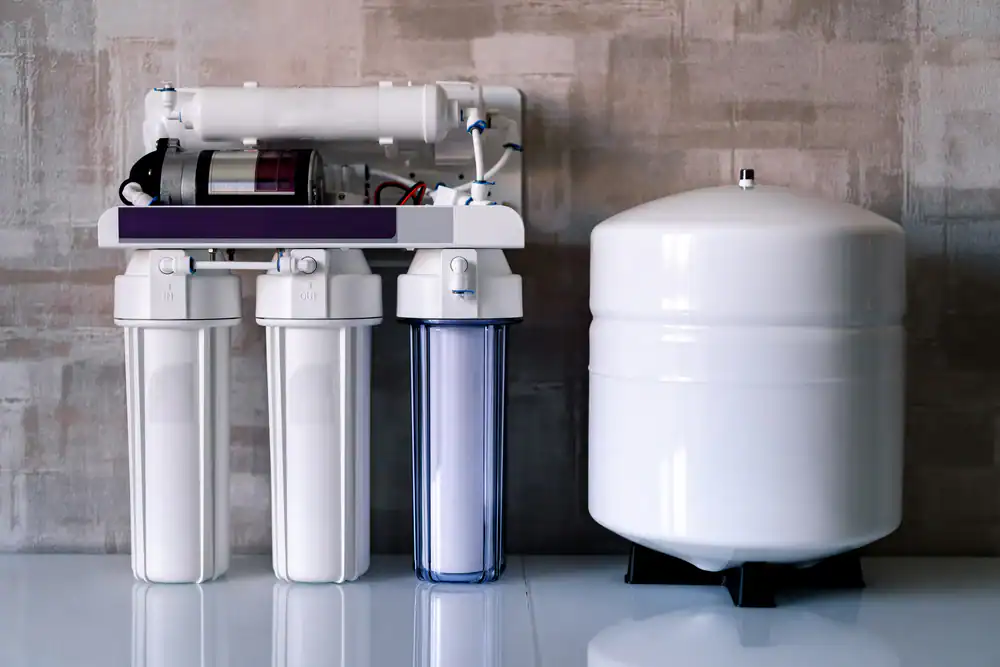
You stop buying bottled water by the case. Your showers don’t smell like sulfur anymore, and guests don’t wrinkle their nose when they walk in. Your dishes come out of the dishwasher without spots, and your laundry doesn’t have rust stains.
Your water heater stops fighting mineral buildup and actually heats efficiently. Your washing machine, dishwasher, and ice maker last years longer because they’re not clogged with sediment and scale. Your skin and hair feel softer because soap rinses clean instead of mixing with hard water minerals.
The chlorine taste disappears. You drink from the tap again. Your coffee tastes better. Your kids fill their water bottles without complaining.
That’s what a point-of-entry system does. It treats water before it enters your home’s plumbing, so every faucet delivers clean, filtered water. No more wondering which tap is safe or buying a filter for each sink.
We have over 50 years of experience solving water problems specific to Central Florida. We’re members of the Water Quality Association and maintain an A-rating with the Better Business Bureau with zero complaints.
We don’t guess at your water issues. We test first, then design a system based on what’s actually in your water and how much your household uses. Our technicians are certified and familiar with Florida plumbing codes, so installation is done right the first time.
Kirkman South homes face the same water challenges as the rest of Central Florida—hard water from limestone aquifers, sulfur compounds that create rotten egg smells, iron that stains everything orange, and chlorine from municipal treatment. We’ve seen it all, and we know which systems actually handle Florida’s unique water chemistry.

First, we test your water. Not with basic test strips, but real laboratory analysis that identifies exactly what contaminants you’re dealing with. You can’t choose the right solution without knowing what you’re solving for.
Once we know what’s in your water, we design a multi-stage system for your home. That might include sediment filters to catch particles, whole home carbon filters to remove chlorine and chemicals, and a water softener combination if you’re dealing with hard water. If you have sulfur or iron, we add filtration media that targets those specific problems through backwashing cycles.
We install the system at your main water line—the point of entry—so it treats all the water coming into your house. Our technicians handle the installation according to Florida codes, test the system thoroughly before we leave, and show you how everything works.
You’ll notice the difference immediately. Then we set you up with a maintenance schedule so your system keeps working. Filter replacements are straightforward, and we send reminders when service is due.

Ready to get started?
A whole house water filter system isn’t one piece of equipment. It’s a customized setup based on your water test results and your home’s specific needs.
Most Kirkman South homes need sediment filtration to catch particles before they reach appliances. Central Florida’s groundwater carries sediment that clogs aerators and damages valve seals. A sediment pre-filter handles that first stage.
Next comes chemical removal. If you’re on city water, you’re dealing with chlorine and chloramines used for disinfection. Whole home carbon filters remove these chemicals, eliminating the taste, odor, and the dry skin you get from showering in chlorinated water. Carbon filtration also reduces many other chemical contaminants.
Hard water requires a different approach. If your test shows high calcium and magnesium—and in Kirkman South, it usually does—you need a water softener combination system. This prevents scale buildup in your pipes and appliances while making soap and detergent actually work.
Sulfur and iron need specialized filter media. These systems use backwashing to regenerate the media and flush out captured contaminants. If your water smells like rotten eggs or leaves orange stains, this is what fixes it.
Every system includes professional installation, startup testing, and a maintenance plan. You get service reminders, and we handle annual inspections to catch any issues before they become problems.
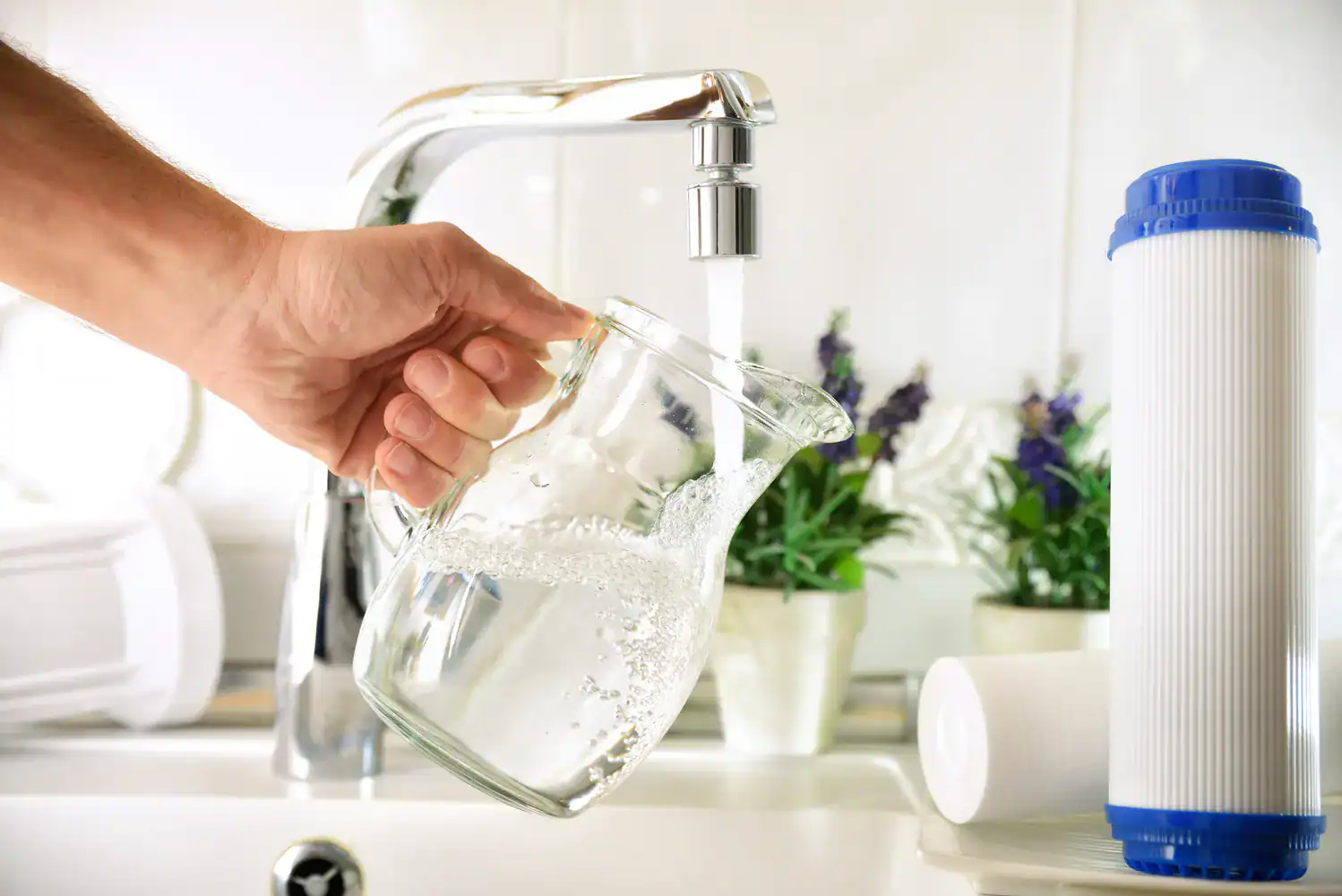
The honest answer is that it depends on what your water test reveals and what size system your home needs. A basic sediment and carbon filtration setup for a smaller home might start around $2,000 to $3,000, while a comprehensive system that handles hard water, sulfur, iron, and chemical removal for a larger home can run $5,000 to $8,000 or more.
That sounds like a wide range because it is. Your water chemistry determines what equipment you need. A home with city water and minor chlorine taste issues needs far less than a home with well water containing high iron, sulfur, and hardness.
The system size matters too. A household using 300 gallons daily needs different capacity than one using 100 gallons. We size systems based on peak demand so you never run out of filtered water, even when multiple showers and appliances run simultaneously.
Installation complexity affects cost as well. Most installations are straightforward, but some homes require additional plumbing modifications or electrical work for the system to function properly. We assess all of this during the initial consultation so there are no surprises.
It depends entirely on which system you install, which is why testing comes first. Different filtration media remove different contaminants, and Florida water has specific problems that require specific solutions.
Sediment filters remove particles, rust, sand, and silt. These are usually the first stage because they protect the rest of your system and your appliances from physical debris that causes wear.
Carbon filtration removes chlorine, chloramines, volatile organic compounds, and many chemical contaminants. It also eliminates the taste and odor issues most people notice first. Carbon is highly effective for city water treatment.
Water softeners remove calcium and magnesium—the minerals that cause hardness. They don’t remove contaminants in the traditional sense, but they prevent scale buildup that damages plumbing and appliances.
Specialized media handles iron, manganese, and hydrogen sulfide (the sulfur that smells like rotten eggs). These systems use oxidation and filtration to remove these common Florida well water problems.
Some systems include additional stages for specific concerns like bacteria, heavy metals, or emerging contaminants. We design the system after we see your test results, so you’re not paying for filtration you don’t need or missing filtration you do.
Sediment pre-filters typically need replacement every three to six months, depending on how much sediment is in your water. If your water is particularly dirty, you might change them more often. These are inexpensive and easy to replace yourself.
Carbon filters last longer—usually six months to a year for most households. The lifespan depends on your water quality and how much water you use. We provide replacement reminders based on your specific system and usage patterns.
Water softeners need salt refills regularly, usually every four to eight weeks. You just pour bags of salt into the brine tank when it runs low. The system regenerates itself automatically, flushing out accumulated minerals and recharging the resin.
Backwashing systems for iron and sulfur removal regenerate automatically on a schedule, but the media itself lasts several years before replacement. We inspect these during annual service visits.
Annual professional maintenance is smart. We check system performance, test your water to confirm everything’s working correctly, inspect for any wear or leaks, and replace any components showing signs of age. This prevents small issues from becoming expensive problems.
A properly sized and installed system shouldn’t reduce your water pressure noticeably. In fact, many Kirkman South homeowners see improved pressure after installation because we remove the sediment and mineral buildup that was restricting flow in their existing plumbing.
Pressure drop happens when a system is undersized for the home’s demand or when filters become clogged and aren’t changed on schedule. That’s why we size systems based on your peak water usage and set up maintenance reminders.
The system’s flow rate matters. We install filters rated for your home’s pipe size and water demand. A typical home needs a system that can handle 10 to 15 gallons per minute without restriction. Larger homes or homes with high simultaneous usage need higher flow rates.
Filter maintenance prevents pressure issues. A clean sediment filter has minimal impact on pressure. A clogged one that hasn’t been changed in a year will definitely slow things down. Stay on top of filter changes and pressure stays consistent.
If you currently have low pressure, it might be because of scale buildup in your pipes from years of hard water. Installing a water softener stops new buildup and can gradually improve pressure as existing scale breaks down over time.
Technically possible, but not recommended unless you have plumbing experience and understand Florida building codes. These systems tie into your main water line, require proper sizing, need correct drainage for backwash cycles, and often require electrical connections for control valves.
The installation itself involves cutting into your main water supply, installing bypass valves, ensuring proper drainage, mounting equipment securely, and pressure testing everything before turning the system on. Miss a step and you could have leaks, inadequate filtration, or code violations.
Florida plumbing codes are specific about backflow prevention, drainage requirements, and proper venting. A DIY installation that doesn’t meet code can cause issues when you sell your home or file an insurance claim after water damage.
System sizing is critical. Install a system that’s too small and you’ll have pressure problems and inadequate filtration during peak usage. Too large and you’re wasting money on capacity you don’t need.
Professional installation includes testing the system before we leave, adjusting settings for your specific water chemistry, showing you how everything works, and providing warranty coverage. Most manufacturers require professional installation to honor equipment warranties. If something goes wrong with a DIY install, you’re paying for repairs out of pocket.
Please provide your email address so that we can stay in touch and answer any questions you have! We will be reaching back out shortly.
"*" indicates required fields
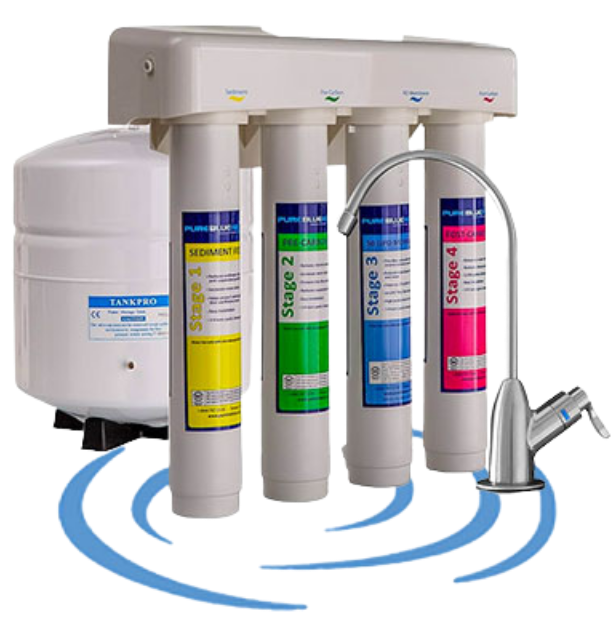
Get a free reverse osmosis drinking water system with the purchase of any whole-home water purification system.
*Cannot be combined with other offers. Mention this special when you call.