Reach Out Today
Please provide your email address so that we can stay in touch and answer any questions you have! We will be reaching back out shortly.


Hear from Our Customers
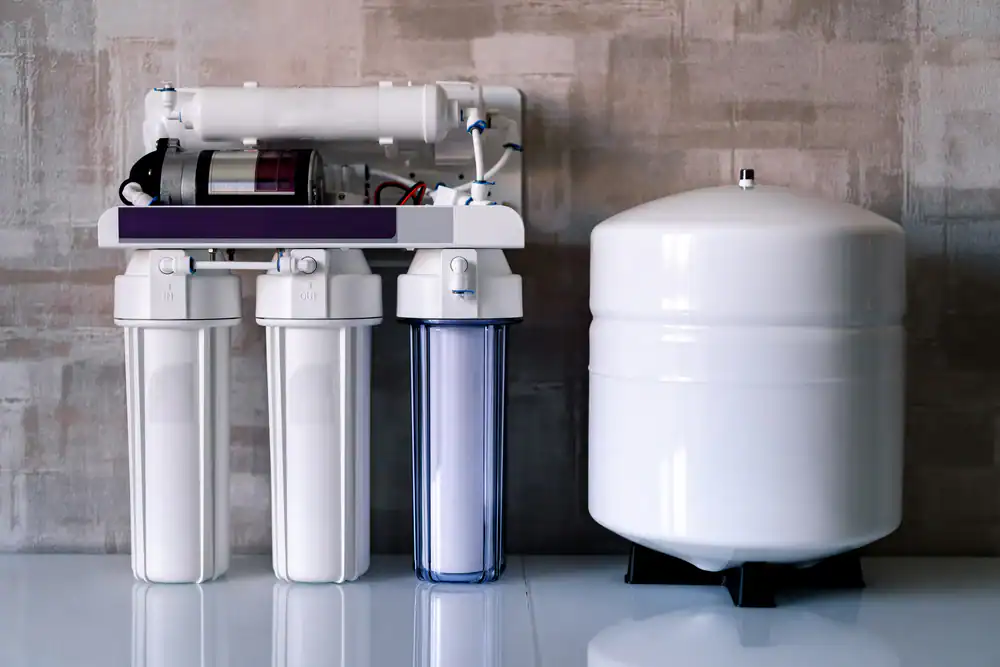
Your water heater lasts longer when it’s not fighting mineral buildup. Your dishwasher doesn’t leave spots on glasses. Your skin doesn’t feel tight after a shower.
That’s what happens when you filter water at the point of entry instead of just at the kitchen sink. A whole house water filter treats everything before it enters your plumbing system.
You’re not buying bottled water by the case. You’re not replacing appliances early because of scale damage. You’re not wondering what’s actually in the water your kids are drinking.
Multi-stage sediment filtration catches particles and debris. Whole home carbon filters remove chlorine taste and odor. If you need it, a water softener combination handles hardness at the same time.
The result is water you can trust from every tap. Not just the one in the kitchen.
We hold an A+ Better Business Bureau rating with zero complaints and a 5-star customer rating. We’re members of the National Water Quality Association, which means we follow industry standards that actually matter.
We don’t do plumbing or water heaters. We focus on water purification, filtration, and softening for homes in Kirkman North and the surrounding Orlando area.
Kirkman North homeowners deal with chlorinated municipal water and mineral content that wears down appliances. We’ve installed hundreds of systems in Central Florida homes, so we know what works here and what doesn’t.
We also offer a $500 discount for military members and first responders, and we support the Tunnels to Towers Foundation.

First, we test your water. Not a guess based on your zip code—an actual test of what’s coming into your home. That tells us what contaminants we’re dealing with and what type of system makes sense.
Then we talk through your options. Some homes need a basic multi-stage sediment filtration setup. Others need carbon filtration plus softening. We’ll explain what each component does and why it matters for your specific water.
Installation happens at your main water line, where water enters the house. That’s the point-of-entry location. Once the system is in place, every faucet, shower, toilet, and appliance gets filtered water.
Most systems include filter media backwashing, which means the system cleans itself periodically to maintain flow and performance. You’re not constantly swapping out cartridges or doing maintenance.
We walk you through how the system operates, what to expect, and when filters need attention. Then you’re set. Clean water at every tap, and a system that’s built to last.

Ready to get started?
A complete point-of-entry system includes sediment pre-filtration to catch particles, carbon filtration to remove chlorine and chemicals, and the option to add softening if your water is hard. Everything is sized based on your home’s water usage and the number of bathrooms.
In Kirkman North, most municipal water contains chlorine for disinfection, which affects taste and can dry out skin and hair. Carbon filters handle that. If your area has older pipes or well water nearby, lead and other heavy metals become a concern. That’s where certified filtration for health contaminants comes in.
Systems we install are NSF certified—NSF 42 for chlorine and taste, NSF 53 for lead and health-related contaminants. If PFAS or emerging contaminants are a concern, NSF 401 certification covers that.
You’re looking at a system with a capacity of 600,000 to over 1,000,000 gallons depending on the model. That translates to years of use before major media replacement. Annual maintenance typically runs between $80 and $500, depending on your system and water conditions.
Florida’s water varies by area, but Kirkman North homeowners consistently report issues with chlorine taste, mineral buildup, and concerns about aging infrastructure. A whole house system addresses all of that at once.
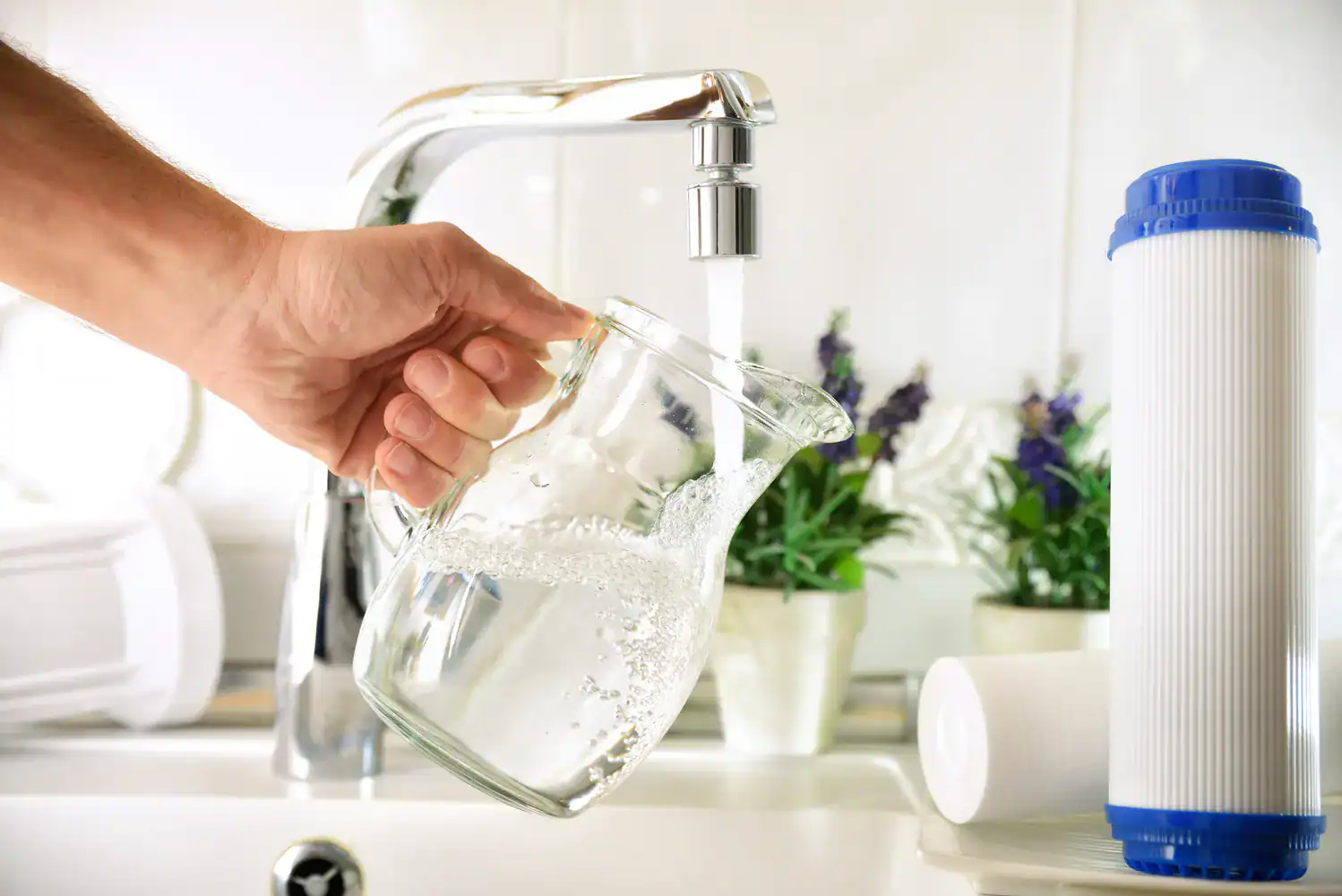
Most whole house water filter installations in Kirkman North range from $2,500 to $5,800, depending on the system type and your home’s specific needs. That includes the equipment, installation at your main water line, and setup.
Basic systems with sediment and carbon filtration sit at the lower end. If you add water softening or advanced filtration for contaminants like PFAS, the cost goes up. Larger homes with higher water usage need bigger systems, which also affects price.
You’re not just paying for equipment. You’re paying for a system that’s properly sized, installed at the point of entry, and set up to handle your water conditions. Cheaper systems exist, but they often lack capacity or use lower-grade media that needs frequent replacement.
Annual maintenance typically costs $80 to $500 depending on your system. Compare that to buying bottled water or replacing appliances early due to scale buildup, and the math makes sense pretty quickly.
It depends on the system, but most whole house filters we install remove chlorine, sediment, rust, lead, and other heavy metals. If your system includes NSF 401 certification, it also reduces PFAS, pharmaceuticals, and other emerging contaminants.
Multi-stage sediment filtration catches particles like dirt, sand, and rust that come from aging pipes. Carbon filters remove chlorine, which improves taste and odor and stops it from drying out your skin and hair in the shower.
For health-related contaminants like lead, you need a system certified to NSF 53 standards. That means independent testing has verified it actually removes what it claims to remove. Not all systems have this certification, so it’s worth asking.
If you’re on well water or in an area with known contamination issues, we test your water first. That tells us exactly what we’re dealing with and what type of filtration makes sense. There’s no point in guessing when a test gives you real answers.
Most systems need a filter change or media replacement once a year, though some go longer depending on your water quality and usage. Sediment pre-filters might need attention every six months if your water is particularly dirty.
Many whole house systems use filter media backwashing, which means the system automatically cleans itself. You’re not constantly swapping cartridges like you would with a pitcher filter or under-sink unit. The system flushes built-up sediment and contaminants down the drain on a schedule.
Carbon media typically lasts one to three years depending on chlorine levels and how much water you use. When it’s time for replacement, you’ll notice taste or odor returning. That’s your signal.
We provide maintenance reminders and can handle the service for you. Some homeowners prefer to do it themselves, which is fine—we’ll show you how. Either way, it’s not complicated. You’re looking at an hour or two of work per year, not constant upkeep.
A properly sized and installed system won’t cause noticeable pressure loss. If your pressure drops, it usually means the system is undersized for your home’s flow rate or the filters need maintenance.
When we size a system, we look at your home’s peak water demand—how many fixtures might run at once. A system that’s too small will restrict flow. A system that’s correctly sized handles your household’s needs without issue.
Sediment buildup on pre-filters can reduce pressure over time, but that’s why those filters get changed regularly. If you notice a drop in pressure, it’s often a sign that a filter needs attention, not that the system itself is the problem.
Some homes in Kirkman North already have low pressure due to older plumbing or municipal supply issues. In those cases, we can add a pressure booster or recommend adjustments. But the filtration system itself shouldn’t be the cause if it’s installed correctly.
Depends on your water hardness. A whole house filter removes contaminants like chlorine, lead, and sediment, but it doesn’t remove the minerals that cause hardness. If you have hard water, you’ll still see scale buildup on fixtures and inside appliances.
In Kirkman North, water hardness varies. Some areas have moderately hard water, others don’t. A water test tells you exactly where you stand. If your hardness level is above 7 grains per gallon, a softener makes sense.
You can install a water softener combination system that handles both filtration and softening at the point of entry. That way, you’re treating everything at once—contaminants and hardness—before water enters your plumbing.
If you’re already dealing with soap scum, spotty dishes, or scale on your water heater, those are signs of hard water. A filter alone won’t fix that. But pairing filtration with softening gives you truly clean, soft water throughout your entire home.
Please provide your email address so that we can stay in touch and answer any questions you have! We will be reaching back out shortly.
"*" indicates required fields