Reach Out Today
Please provide your email address so that we can stay in touch and answer any questions you have! We will be reaching back out shortly.


Hear from Our Customers
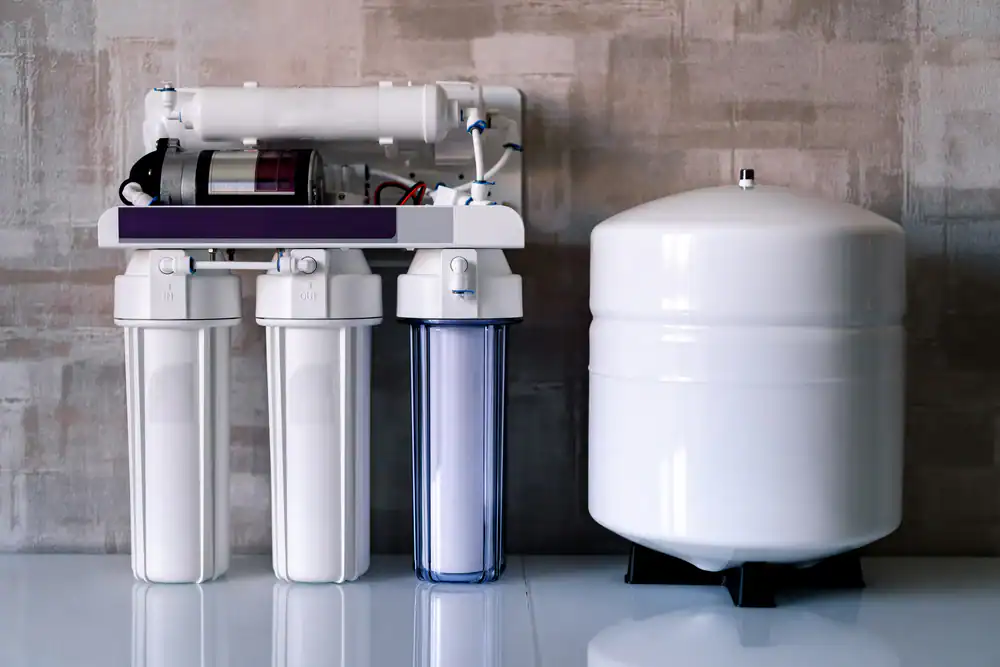
Your water heater stops building scale. Your dishwasher quits leaving spots on glasses. Your skin doesn’t feel tight and itchy after every shower.
These aren’t small quality-of-life upgrades. Hard water in Jacksonville Heights costs the average homeowner between $1,130 and $1,980 every single year in extra detergent, higher energy bills, appliance repairs, and premature replacements. Over ten years, that’s $11,300 to $19,800 walking out your door because minerals are destroying your plumbing and appliances from the inside out.
A whole house water filter handles everything at the point of entry. That means every drop of water coming into your home gets treated before it reaches your faucets, showers, washing machine, or water heater. You’re not just filtering drinking water—you’re protecting your entire home and everyone in it from chlorine, PFAS, arsenic, and the hard minerals that make Jacksonville’s aquifer water so destructive.
When you install a multi-stage filtration system, you stop buying bottled water. You stop scrubbing white buildup off showerheads. You stop replacing appliances years earlier than you should. Your home runs the way it’s supposed to.
We’ve been installing point-of-entry water systems across Jacksonville and the surrounding areas for over five decades. We’re members of the National Water Quality Association and maintain an A rating with the Better Business Bureau—with a 5-star rating and zero complaints.
We don’t do plumbing. We don’t install water heaters. We specialize in water treatment, and that focus means we know how to handle the specific challenges that come with Floridan Aquifer water. We’ve installed systems in hospitals and health clinics because they need water that’s genuinely clean, and we deliver that same level of quality to homes in Jacksonville Heights.
We also service every major water treatment brand, so if you’ve got an existing system that’s underperforming or breaking down, we can fix it. And if you’re military or a first responder, we offer a $500 discount—because we believe everyone deserves access to safe water.

We start with a water test. Not a generic one—a test that tells us exactly what’s in your water and at what levels. Jacksonville’s water comes from the Floridan Aquifer, roughly 1,000 feet underground, and while JEA treats it at 39 plants across the area, you’re still dealing with hardness levels between 100 and 300 parts per million, plus contaminants like chlorine, arsenic, and PFAS that meet legal limits but exceed health guidelines.
Once we know what we’re dealing with, we design a system that fits your home and your family’s water usage. Most whole house systems use multi-stage sediment filtration to catch larger particles first, then move water through carbon filters to remove chlorine, chemicals, and organic compounds. If you’ve got hard water—and in Jacksonville Heights, you do—we’ll often combine filtration with a water softener to handle the minerals that cause scale.
We install the system at your main water line, right where water enters your home. From that point on, every faucet, every shower, every appliance gets treated water. There’s no cartridge swapping at individual sinks. The filter media lasts years, and backwashing cycles keep everything running without constant maintenance.
After installation, you’ll notice the difference immediately. Water tastes better. Soap lathers easier. Your coffee maker stops building up white crust. And over time, your appliances last longer because they’re not fighting scale with every cycle.
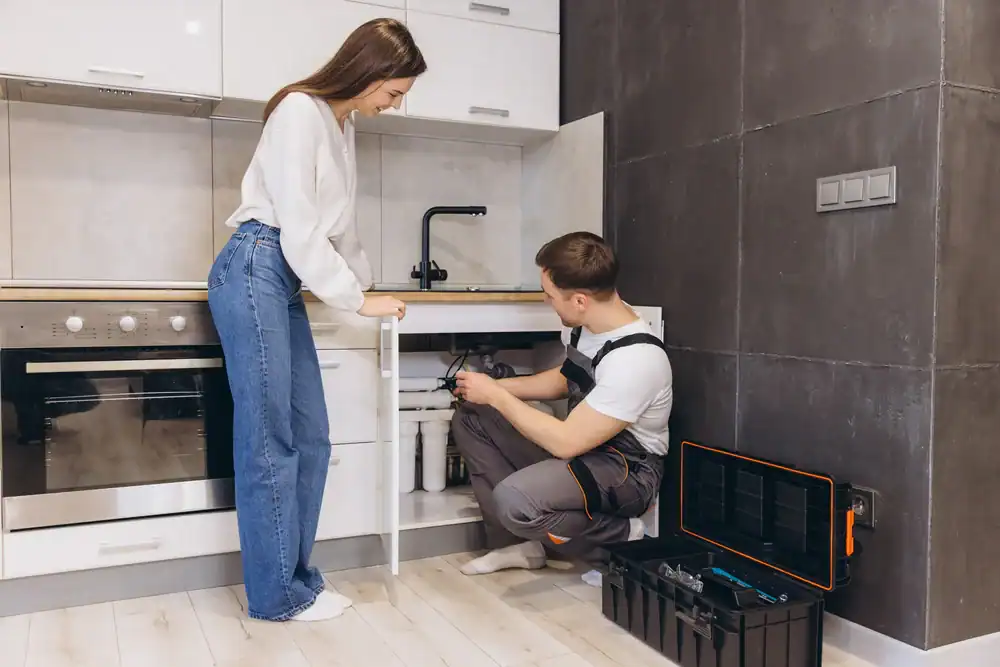
Ready to get started?
A complete point-of-entry system isn’t just one filter. It’s a series of stages designed to handle different contaminants at different sizes.
Sediment filtration comes first. This stage catches dirt, rust, and larger particles before they reach the finer filters. In Jacksonville Heights, where the water travels through 4,600 miles of aging pipes before it hits your home, sediment filtration prevents buildup that clogs fixtures and damages appliances.
Next, whole home carbon filters remove chlorine, chloramines, and volatile organic compounds. Chlorine might keep municipal water safe in the pipes, but it dries out your skin, damages your hair, and breaks down rubber seals in appliances. Carbon filtration pulls it out before it becomes your problem.
If you’re dealing with hard water—and with Jacksonville’s 100-300 ppm hardness levels, you are—a water softener combination handles the calcium and magnesium that cause scale. This is where you see the biggest financial return. Softened water means your water heater runs efficiently, your dishwasher doesn’t leave residue, and your plumbing doesn’t clog with mineral deposits.
Some systems also include UV purification, which uses ultraviolet light to kill bacteria and waterborne organisms without adding chemicals. We install these in homes where well water or bacterial contamination is a concern.
Finally, filter media backwashing keeps everything running smoothly. Instead of replacing cartridges every few months, the system automatically flushes itself, extending media life and reducing maintenance. You’re not constantly buying replacement parts or scheduling service calls.
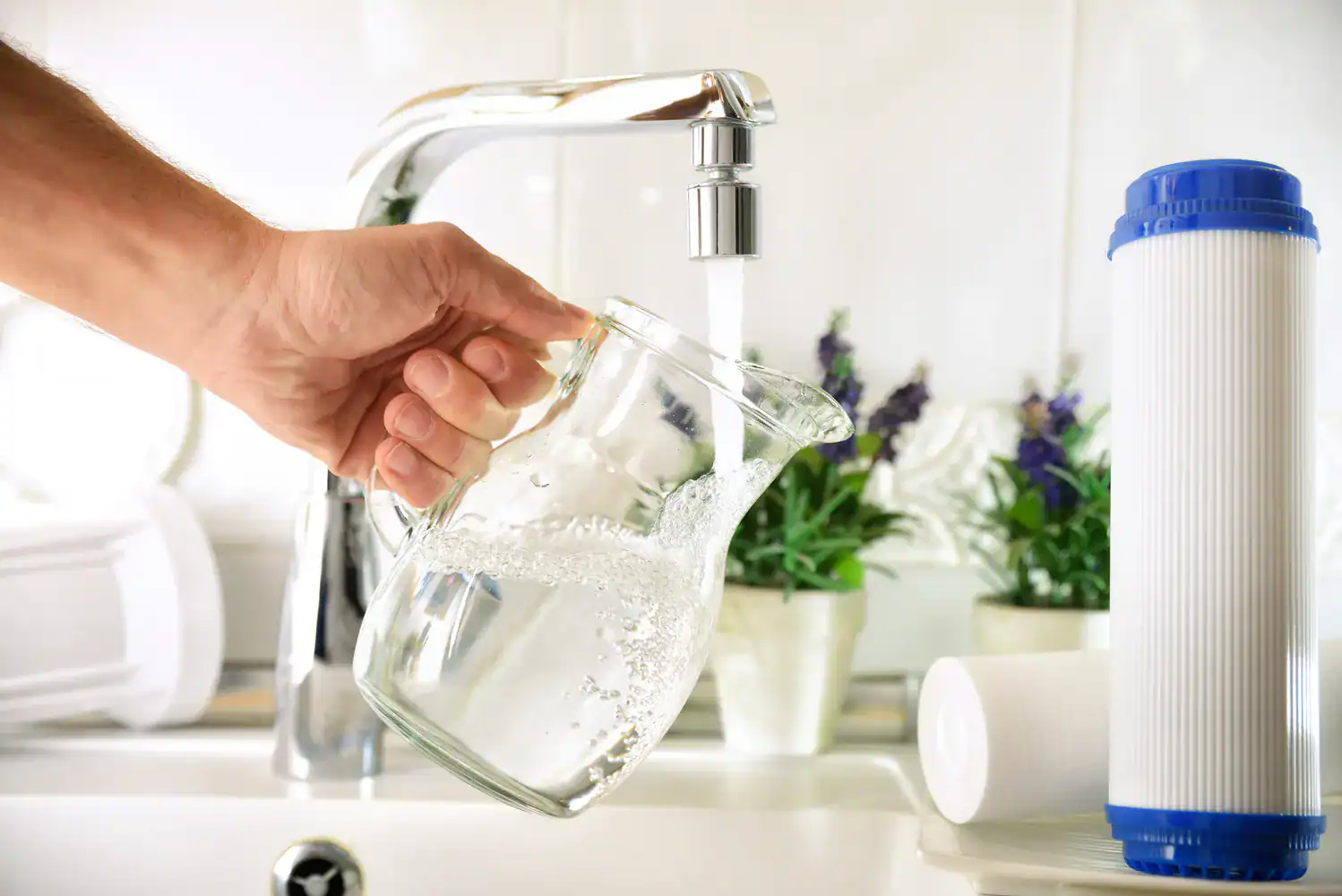
The cost depends on what’s in your water and what size system your home needs. A basic point-of-entry filtration system for a typical Jacksonville Heights home usually starts around $2,000 to $3,500 for equipment and installation. If you’re adding a water softener to handle hard water, expect closer to $4,000 to $6,000 for a combined system.
That sounds like a lot until you run the numbers on what hard water costs you every year. Between extra detergent, higher energy bills from scale buildup in your water heater, appliance repairs, and early replacements, Jacksonville homeowners lose $1,130 to $1,980 annually. A whole house system pays for itself in three to five years, then keeps saving you money for the next two decades.
We don’t give quotes over the phone because every home’s water is different. We test your water first, then design a system based on what you actually need—not what we want to sell you.
Yes, but only if the system includes the right filtration media. Standard carbon filters help with chlorine and organic compounds, but PFAS and arsenic require more advanced filtration—usually a combination of activated carbon and reverse osmosis or specialized media designed for heavy metals and chemical contaminants.
Jacksonville’s water tested at 1.03 ppb for arsenic in 2020, which is technically legal under EPA standards but above the 1 ppb threshold that health experts recommend for homes with children. PFAS levels vary depending on proximity to industrial areas, airports, and military bases where firefighting foam has been used.
If your water test shows elevated arsenic, PFAS, or other chemical contaminants, we’ll design a multi-stage system that targets those specific issues. The key is testing first—you can’t treat what you don’t measure. Once we know what’s in your water, we can install filtration that actually removes it instead of just reducing chlorine taste.
Most whole home systems are designed for low maintenance compared to individual faucet filters. The filter media in a quality point-of-entry system typically lasts three to seven years before it needs replacing, depending on your water quality and household usage.
Sediment pre-filters might need changing every six to twelve months if your water has high particulate levels, but that’s a quick swap you can often do yourself. Carbon filters last longer—usually several years—and many systems include automatic backwashing cycles that flush out trapped contaminants and extend media life without any effort on your part.
Water softeners need salt refills, which you’ll add every few weeks depending on your water hardness and how much water your household uses. That’s the most frequent maintenance task, and it takes about five minutes.
We recommend an annual checkup to test your water, check system performance, and make sure everything’s running efficiently. But you’re not dealing with monthly cartridge changes or constant service calls. These systems are built to run quietly in the background while you forget they’re even there.
Technically, you can install one yourself if you’re comfortable working with plumbing and have the right tools. But most homeowners hire a professional, and here’s why: the system has to be installed at your main water line, which means shutting off water to your entire home, cutting into the line, and making sure everything seals correctly under pressure.
If the installation isn’t done right, you’re looking at leaks, pressure drops, or a system that doesn’t filter properly because water is bypassing the media. You also need to size the system correctly for your home’s flow rate—install a system that’s too small, and your water pressure tanks. Too large, and you’re overpaying for capacity you don’t need.
We’ve seen plenty of DIY installs that caused more problems than they solved. A professional installation includes water testing, system sizing, proper placement, pressure adjustments, and a warranty that covers the equipment and the labor. If something goes wrong, you’ve got someone to call who knows how to fix it.
In Jacksonville Heights, where water hardness and contaminants vary by neighborhood, professional installation also means you’re getting a system designed for your specific water—not a generic setup that might miss the contaminants you actually need to remove.
A whole house filter removes contaminants like chlorine, sediment, chemicals, and organic compounds. A water softener removes hardness minerals—specifically calcium and magnesium—that cause scale buildup in pipes and appliances.
They solve different problems, and in Jacksonville Heights, you probably need both. The Floridan Aquifer delivers water with hardness levels between 100 and 300 parts per million, which is considered moderately hard to very hard. That’s enough to destroy your water heater, clog your showerheads, and leave white residue on everything.
A water softener uses ion exchange to swap out calcium and magnesium for sodium, which prevents scale. But it doesn’t remove chlorine, PFAS, arsenic, or the other contaminants that affect taste, smell, and health. That’s where filtration comes in.
The best setup for most Jacksonville homes is a combination system: sediment and carbon filtration to remove chemicals and particles, plus a softener to handle hardness. You get clean water that doesn’t damage your home. Some systems integrate both functions into one unit, while others use separate components installed in sequence. We design the setup based on your water test results and what your home actually needs.
Please provide your email address so that we can stay in touch and answer any questions you have! We will be reaching back out shortly.
"*" indicates required fields
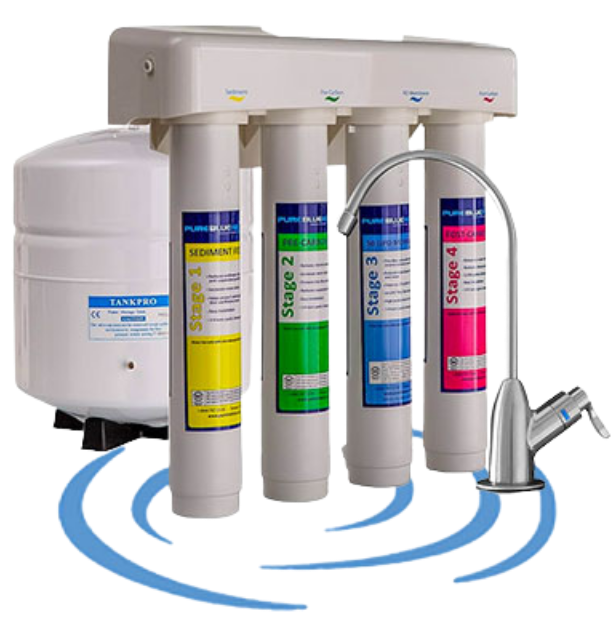
Get a free reverse osmosis drinking water system with the purchase of any whole-home water purification system.
*Cannot be combined with other offers. Mention this special when you call.