Reach Out Today
Please provide your email address so that we can stay in touch and answer any questions you have! We will be reaching back out shortly.


Hear from Our Customers
You stop smelling that rotten egg odor every time someone turns on a faucet. Your guests stop asking about it. Your showers don’t leave that film on your skin, and your hair actually feels clean after washing it.
Your appliances last longer because they’re not fighting mineral buildup every day. Your water heater runs more efficiently. Your dishwasher stops leaving spots on everything. Your washing machine doesn’t turn whites gray.
You’re not buying bottled water anymore because what comes out of your tap tastes clean. Your coffee tastes better. Your ice doesn’t smell like chlorine. You’re not second-guessing whether the water your kids are drinking is actually safe.
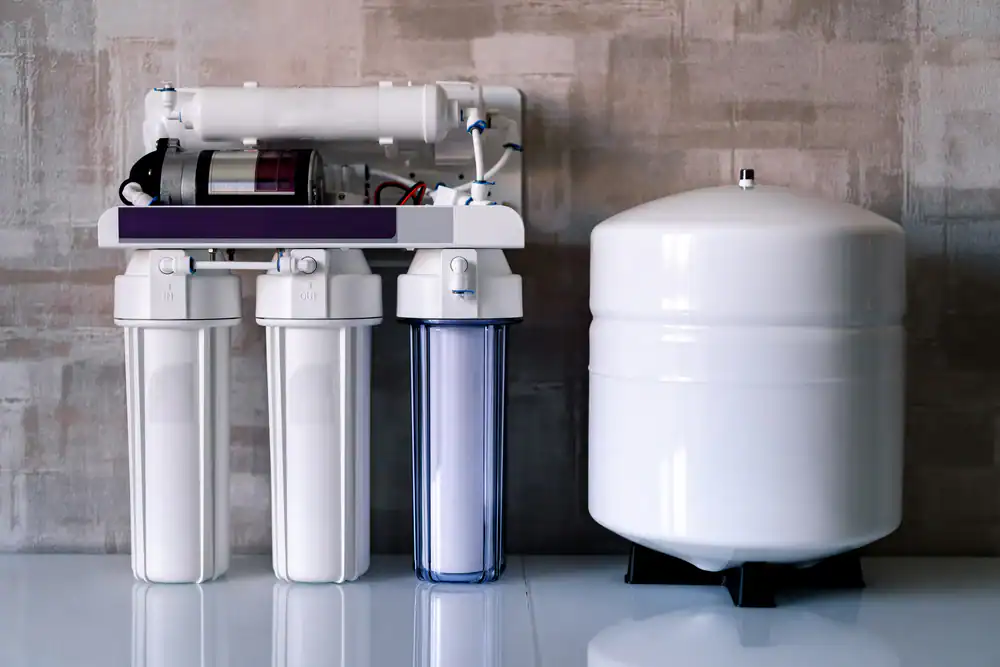
That’s what a whole home carbon filter and water softener combination does. It treats everything at the point of entry, so every drop that enters your house is already filtered. You’re not playing defense with pitcher filters or worrying about which faucet is safe to drink from.
We focus exclusively on water treatment for Jacksonville homeowners. No plumbing side jobs. No water heater installs. Just whole-house purification systems designed for the specific problems Northeast Florida water creates.
Our A-rated Better Business Bureau status with zero complaints isn’t an accident. It comes from installing systems correctly the first time and actually servicing what we sell. That’s not standard in this industry, but it should be.
Jacksonville’s water comes from the Floridan Aquifer 1,000 feet underground, processed through over 130 wells. That creates hydrogen sulfide issues most filtration companies in other states never deal with. The hard water here is aggressive. The chlorine levels are high. You need someone who knows how to handle all three at once.

First, your water gets tested. Not a generic test—a specific analysis of what’s actually in your water supply. Jacksonville water varies depending on which wells serve your neighborhood and how close you are to saltwater intrusion zones.
Once the test results come back, you’ll see exactly what needs to be removed: hydrogen sulfide levels, hardness measured in grains per gallon, chlorine concentration, and any contaminants like arsenic or PFAS that showed up. That determines which multi-stage sediment filtration setup makes sense for your house.
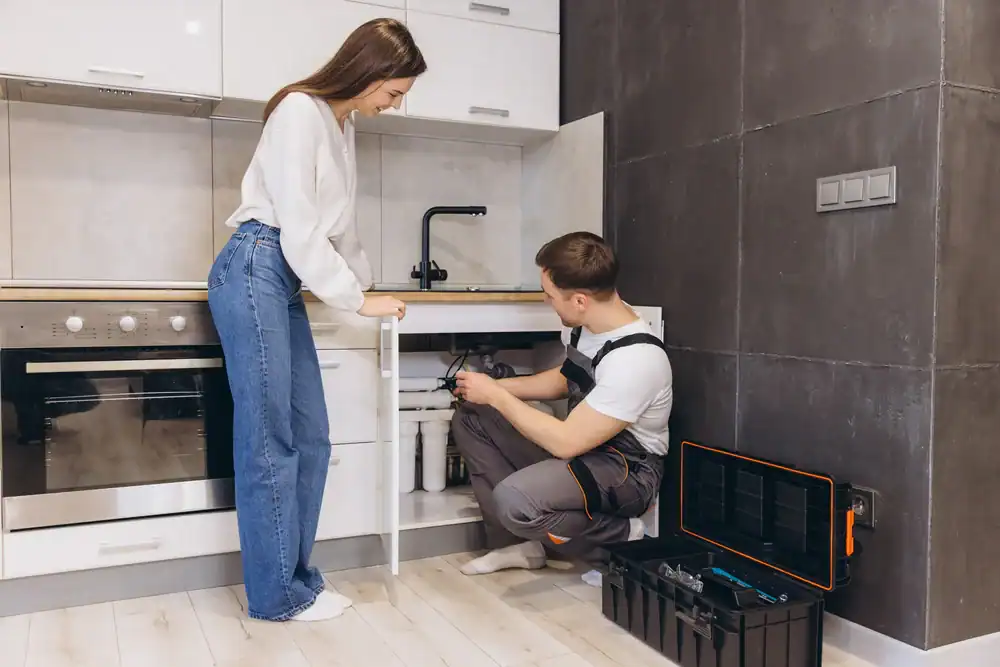
We install the system at your main water line before it splits off to different areas of your home. That’s the point-of-entry approach. Water flows through sediment filters first to catch particles, then through carbon filters to remove chlorine and organic compounds, then through the softener to handle calcium and magnesium.
Filter media backwashing happens automatically on a schedule based on your water usage. You’re not manually changing filters every month. The system handles it. You just get clean water without thinking about it.
Ready to get started?
Your system is designed around what Jacksonville water does to homes. The Floridan Aquifer naturally contains hydrogen sulfide, which is why so many houses here have that sulfur smell. Your filtration setup includes oxidation and carbon filtration stages specifically to eliminate it.
Hard water is the other major issue. Jacksonville’s water contains high levels of calcium and magnesium that destroy appliances and create buildup. A water softener combination handles that by exchanging those minerals for sodium ions before the water reaches your pipes.
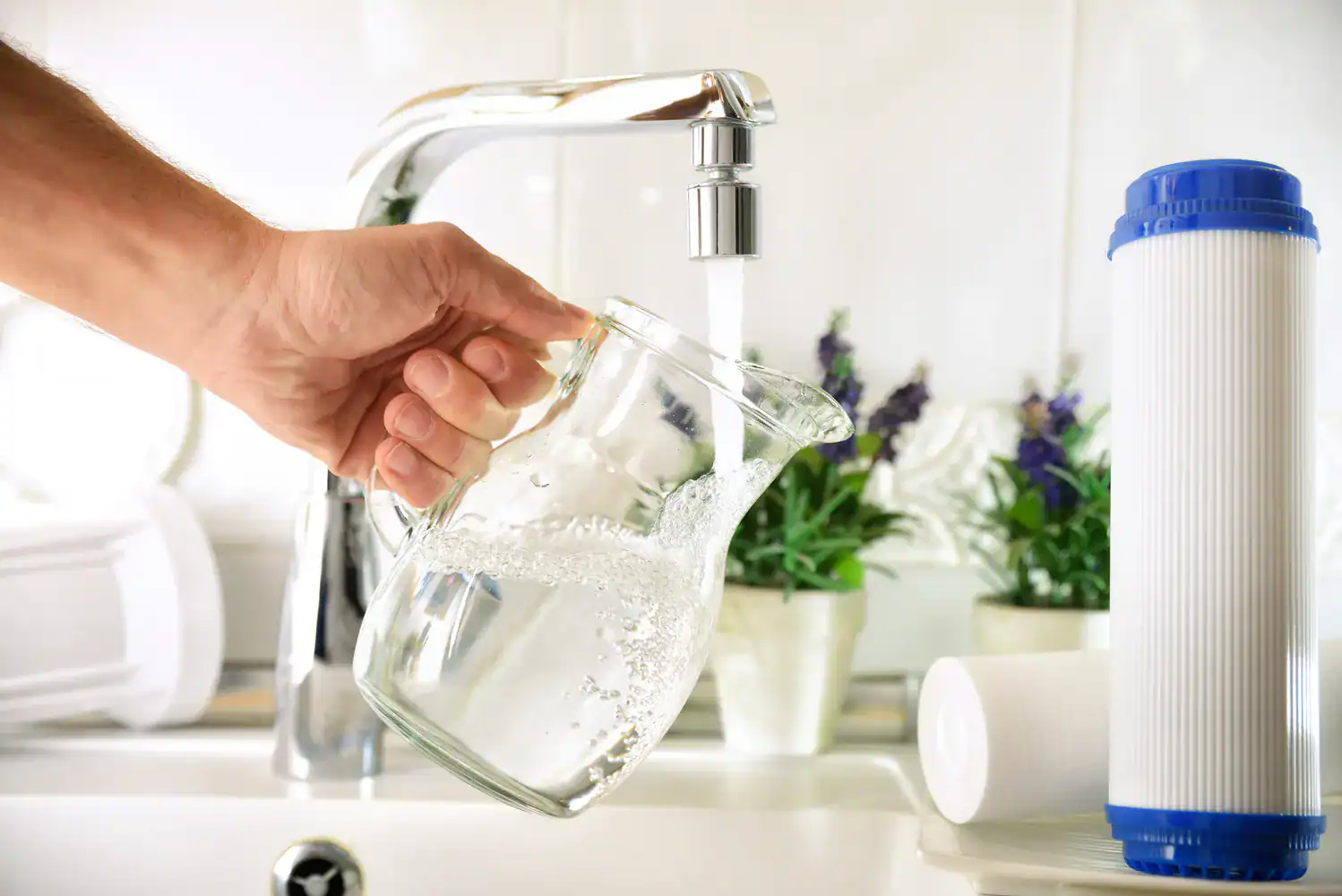
Chlorine removal matters because JEA uses it to disinfect water from 39 treatment plants across the city. It’s safe to drink, but it tastes terrible and dries out your skin. Carbon filters pull it out along with the disinfection byproducts that come with it.
The system also addresses contaminants the city can’t fully control. Jacksonville water has tested positive for arsenic at 1.03 ppb and contains PFAS from industrial sources. Your whole-house filter catches those before they reach your glass.
If your water smells like rotten eggs, you need one. That’s hydrogen sulfide from the Floridan Aquifer, and it’s not going away on its own. A point-of-entry system with oxidation and carbon filtration removes it completely.
If you’re seeing white buildup on faucets, in your dishwasher, or around your showerhead, that’s hard water. Jacksonville’s water is loaded with calcium and magnesium. That buildup is happening inside your water heater and appliances too, shortening their lifespan. A water softener combination system stops it.
If your water tastes like chlorine or your skin feels dry after showering, that’s disinfection chemicals from municipal treatment. Carbon filters remove chlorine and the byproducts it creates. If you’re concerned about arsenic or PFAS—both detected in Jacksonville’s water supply—a multi-stage filtration system addresses those too.
Point-of-entry systems treat all the water entering your house. Under-sink filters only treat water at one faucet. If you install an under-sink filter in your kitchen, your bathroom water still has sulfur smell, your shower still has hard water, and your washing machine still deals with minerals.
A whole house system installs at your main water line before it branches off to different fixtures. Every faucet, every shower, every appliance gets filtered water. You’re not picking and choosing which tap is safe to drink from or which shower feels clean.
Under-sink filters make sense if you’re renting or only care about drinking water. But if you own your home in Jacksonville and you’re dealing with the sulfur and hard water issues common here, treating everything at the point of entry is the only approach that actually solves the problem.
Filter media backwashing happens automatically based on your water usage and system settings. You’re not manually doing anything. The system flushes itself to remove trapped sediment and regenerate the filter media. Most systems do this every few days without you noticing.
Sediment pre-filters typically need replacement every six to twelve months depending on how much particulate matter is in your water. Carbon filters last one to three years. Water softener salt needs refilling every few months, which takes about five minutes.
The actual filter media in a quality system lasts years before needing replacement. When it does, that’s a service call—not a DIY project. The key difference between companies is whether they actually show up for that service. We handle ongoing maintenance instead of disappearing after installation like some national companies do.
Yes, if it’s set up correctly for hydrogen sulfide removal. Jacksonville’s water contains H2S from the Floridan Aquifer, which creates that rotten egg odor. A standard carbon filter alone won’t fully eliminate it. You need an oxidation stage first.
The system oxidizes the hydrogen sulfide, converting it to sulfur particles that get trapped in the sediment filter. Then the carbon filter removes any remaining odor and taste. That two-stage approach is what actually works for the sulfur levels common in Northeast Florida water.
Some neighborhoods have higher H2S concentrations than others depending on which wells serve that area. A water test shows exactly how much sulfur is present, which determines the size and type of oxidation system needed. Once it’s installed and dialed in correctly, the smell is completely gone from every tap in your house.
If you have hard water—which most Jacksonville homes do—yes. A whole house carbon filter removes chlorine, sediment, and organic contaminants. It doesn’t remove the calcium and magnesium that cause hardness. Those are minerals, not particles that get caught in a filter.
A water softener uses ion exchange to remove hardness minerals. Water flows through resin beads that swap calcium and magnesium ions for sodium ions. That stops scale buildup in your pipes and appliances. It’s a different process than filtration.
Most Jacksonville homes need both: a multi-stage filtration system for sulfur, chlorine, and contaminants, plus a softener for hard water. That’s why water softener combination systems are common here. They address everything Jacksonville water throws at your house in one integrated setup at the point of entry.
Please provide your email address so that we can stay in touch and answer any questions you have! We will be reaching back out shortly.
"*" indicates required fields