Reach Out Today
Please provide your email address so that we can stay in touch and answer any questions you have! We will be reaching back out shortly.


Hear from Our Customers
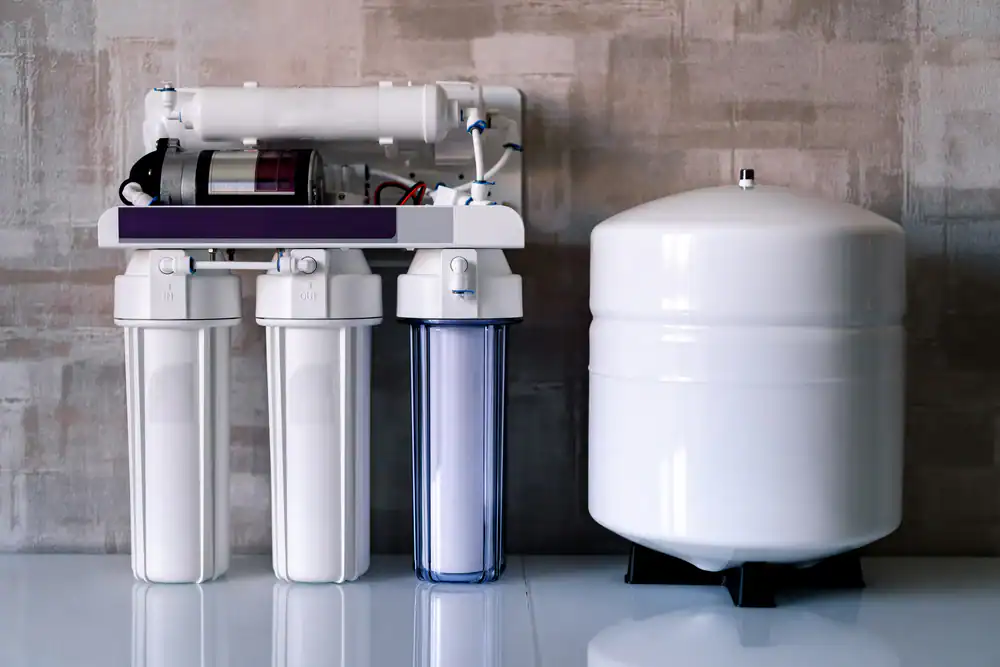
Your water heater stops fighting mineral buildup and lasts years longer. Your dishes come out of the dishwasher without white spots. Your skin doesn’t feel tight and dry after every shower.
The iron stains on your toilets and sinks disappear. That embarrassing sulfur smell when guests turn on the faucet is gone. Your washing machine isn’t working overtime trying to clean clothes in hard water that leaves them stiff and faded.
A whole house water filter is a point-of-entry system that treats water before it reaches any fixture in your home. That means every tap, every appliance, every shower gets the same clean water. No more buying bottled water by the case or wondering what’s actually coming through your pipes.
This is what Florida homeowners deal with daily because 90% of our drinking water comes from aquifers that sit in porous limestone. Heavy rainfall, high water tables, and agricultural runoff mean contaminants move fast. You need a system designed for these specific problems, not a one-size-fits-all filter that can’t handle what’s in Goodbys Creek water.
Quality Safe Water of Florida LLC holds an A-rating with the Better Business Bureau and a 5-star rating with zero complaints. We’re members of the National Water Quality Association, which means our work meets third-party certification standards that most companies skip.
We don’t do plumbing or water heaters. We do water treatment, and that’s it. When national companies like Leaf and Colgan sell you a system and disappear, you’re stuck with equipment nobody will service. We’re local, we stay, and we handle the maintenance when something needs attention.
Goodbys Creek sits in an area where hard water, iron contamination, and sulfur issues are common. We’ve tested hundreds of water samples from this area. We know what’s in your water before we walk through the door, and we know which systems actually solve the problem instead of just masking it temporarily.

First, we test your water. Not a basic hardness test—a real laboratory analysis that identifies specific contaminants, mineral levels, bacteria, and chemicals. You can’t fix what you haven’t measured, and guessing costs you money on the wrong equipment.
Once we know what’s in your water, we design a system that addresses those exact problems. Most homes need multi-stage sediment filtration to catch particles before they damage fixtures. If you have hard water, a water softener combination handles calcium and magnesium. If iron or sulfur is the issue, we add filter media backwashing systems that regenerate and flush out contaminants automatically.
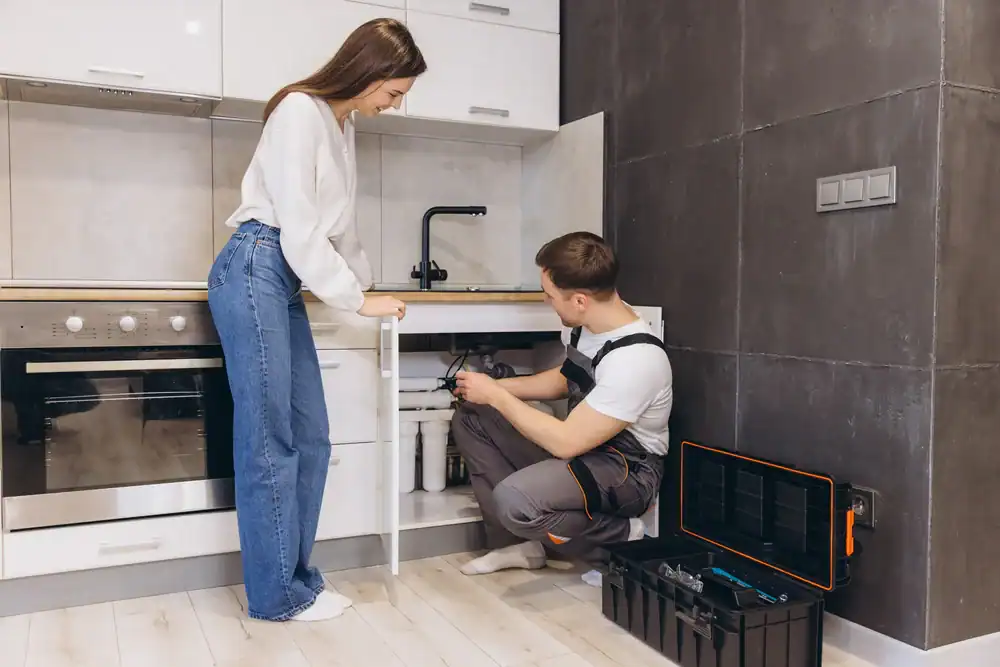
Installation happens at your main water line—the point of entry before water branches out to your home. That’s why it’s called a point-of-entry system. Everything gets treated at once. The process usually takes a day, depending on your home’s setup and the complexity of the system.
After installation, we test the output to confirm it’s working. Then we show you how the system operates, when filter media needs backwashing, and what maintenance looks like. We don’t install and disappear. We’re the ones who come back when you need service.
Ready to get started?
A complete whole house water filter system starts with sediment filtration to remove dirt, rust, and particles that clog fixtures and damage appliances. Next comes carbon filtration to eliminate chlorine taste, odors, and chemical contaminants that shouldn’t be in drinking water.
If your water test shows high mineral content—and in Goodbys Creek, it usually does—you need a softener to prevent scale buildup in pipes and water heaters. Hard water reduces appliance efficiency by up to 30% and increases energy bills. Softening the water protects your investment in every appliance connected to your plumbing.
For homes dealing with iron staining or sulfur smells, we install oxidation and filtration systems that remove these contaminants before they reach your fixtures. Iron leaves orange and brown stains on everything. Hydrogen sulfide gas creates that rotten egg smell. Both are common in Florida well water and some municipal supplies. The right filter media handles both problems.
We also include ongoing water testing to make sure your system keeps performing. Water quality changes over time. Seasonal rainfall, changes in the aquifer, or new contamination sources mean what worked last year might need adjustment. Regular testing catches problems before they become expensive repairs.
Military members and first responders get a $500 discount. It’s our way of saying thanks to the people who serve this community.
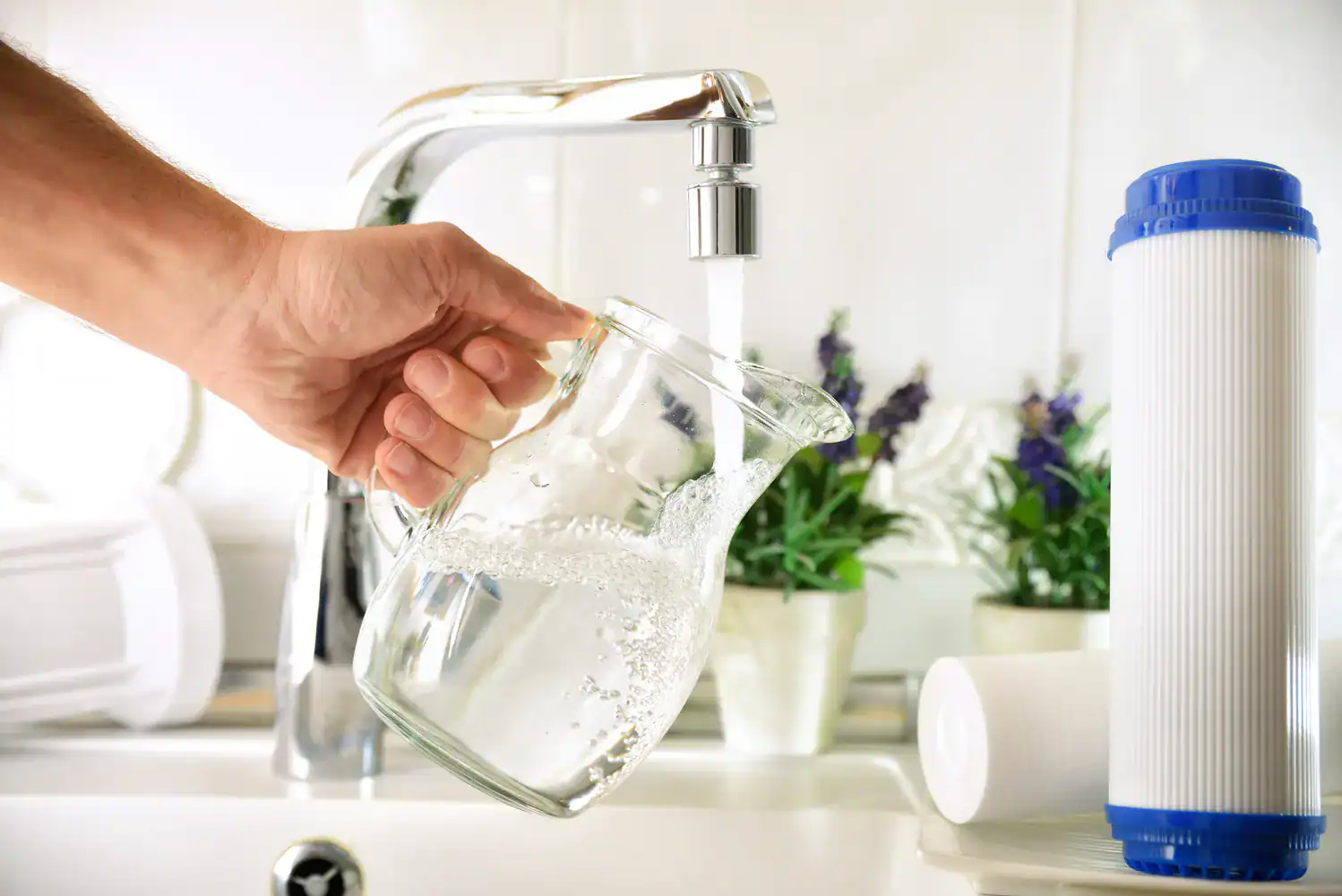
A whole house filter removes contaminants like sediment, chlorine, bacteria, and chemicals from your water. It’s about making water safe and clean. A water softener specifically targets hardness—the calcium and magnesium minerals that cause scale buildup in pipes and appliances.
Most Florida homes need both. The filter handles contamination and taste issues. The softener prevents the long-term damage that hard water causes to plumbing and equipment. They work together as part of a complete point-of-entry system.
If you only install a softener, your water might still taste like chlorine or have iron stains. If you only install a filter without softening, you’re still getting scale buildup that shortens the life of your water heater and dishwasher. The best approach addresses both problems at the same time with a water softener combination system designed for your specific water test results.
It depends on your system and your water quality. Carbon filters typically need replacement every 6 to 12 months depending on usage and contamination levels. Sediment filters might need changing every 3 to 6 months if you have high particulate content in your water.
Systems with filter media backwashing—like those designed for iron and sulfur removal—regenerate automatically. The media flushes itself clean on a schedule, usually every few days. You’re not replacing anything frequently, but you do need to monitor the system and occasionally replenish the media as it depletes over time.
Water softeners need salt refills regularly, depending on your household size and water hardness. We set up a maintenance schedule based on your specific system during installation. Most homeowners check their system monthly and schedule professional service annually to test performance and catch any issues before they become expensive problems.
Yes, but only if the system is designed for it. That rotten egg smell comes from hydrogen sulfide gas, which is common in Florida well water and some areas with aquifer contamination. A standard carbon filter won’t eliminate it completely.
You need an oxidation system that converts hydrogen sulfide into particles that can be filtered out. This usually involves a combination of aeration, oxidation media, and backwashing filtration. The gas gets turned into solid sulfur particles, which are then trapped and flushed away during the backwash cycle.
Some whole home carbon filter systems include this capability, but not all. That’s why water testing matters. If your test shows hydrogen sulfide, we design the system specifically to handle it. Trying to solve sulfur problems with the wrong equipment wastes money and leaves you with the same smell you started with.
The honest answer is it depends on what’s wrong with your water and what equipment you need to fix it. A basic sediment and carbon filtration system for a home with relatively clean municipal water costs less than a multi-stage system designed to handle iron, sulfur, hardness, and bacterial contamination from a private well.
System size matters too. A larger home with more bathrooms and higher water usage needs higher-capacity equipment and more filtration media. Installation complexity affects cost—if your main water line is easy to access, installation is straightforward. If it requires significant plumbing work to reach the point of entry, that adds time and labor.
We don’t quote prices before testing your water because selling you the wrong system helps nobody. After we analyze your water and understand your home’s specific needs, we give you an exact price for equipment and installation. Most homeowners in Goodbys Creek invest between several thousand dollars for basic systems and more for comprehensive whole-house purification with softening and specialized filtration. Military and first responders get $500 off.
Technically, yes. Practically, it’s not a great idea unless you have plumbing experience and understand water treatment systems. Installation requires cutting into your main water line at the point of entry, installing the filtration equipment, ensuring proper flow rates and pressure, and setting up backwash drains if your system includes regenerating media.
If something goes wrong—improper seals, incorrect pressure settings, or a backwash drain that doesn’t work—you’re looking at leaks, water damage, or a system that doesn’t actually treat your water correctly. Most homeowners don’t have the tools or experience to do this safely and effectively the first time.
There’s also the issue of knowing which system to buy. Without professional water testing and analysis, you’re guessing at what equipment you need. That’s how people end up with expensive filters that don’t solve their actual water problems. Professional installation includes testing, system design, proper setup, and ongoing service. It’s not just about connecting pipes—it’s about making sure the system works correctly for your specific water quality issues.
Please provide your email address so that we can stay in touch and answer any questions you have! We will be reaching back out shortly.
"*" indicates required fields
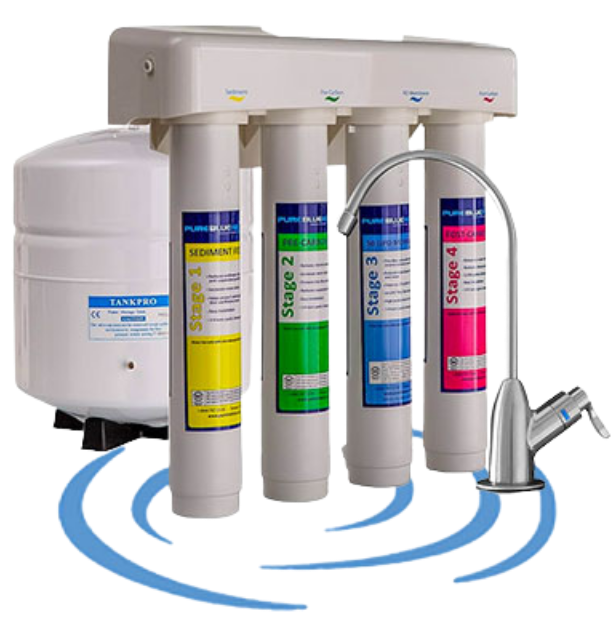
Get a free reverse osmosis drinking water system with the purchase of any whole-home water purification system.
*Cannot be combined with other offers. Mention this special when you call.