Reach Out Today
Please provide your email address so that we can stay in touch and answer any questions you have! We will be reaching back out shortly.


Hear from Our Customers
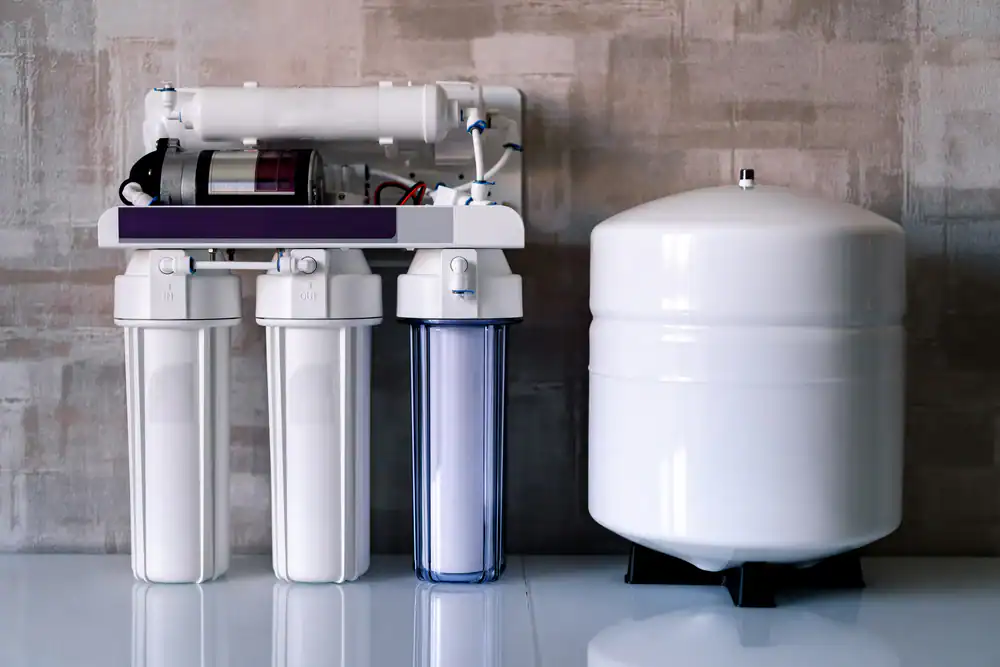
Your water stops tasting like a swimming pool. That chlorine smell in the shower disappears, and your skin doesn’t feel tight and dry after washing. Your coffee tastes better because the water going into the pot is actually clean.
Your appliances last longer. Scale buildup that clogs pipes and wears down water heaters gets filtered out before it enters your home. That means fewer repair calls and lower energy bills since your water heater isn’t fighting through mineral deposits to do its job.
You stop buying bottled water. Every tap in your house delivers filtered water, so you’re not hauling cases from the store or filling up your recycling bin with plastic. The kitchen sink, the bathroom faucet, even the hose outside – all running through the same multi-stage sediment filtration system installed at your main water line.
Hard water stains on your dishes and shower doors go away. Soap actually rinses clean instead of leaving that filmy residue. Your washing machine runs better, and your clothes come out softer without extra chemicals.
We focus exclusively on whole house water purification, softening, and filtration. No plumbing side jobs, no water heaters – just comprehensive water treatment systems designed for Florida homes.
We’re A+ rated with the Better Business Bureau with zero complaints and a 5-star customer rating. We’re members of the National Water Quality Association, which means we follow professional standards for water treatment and stay current on filtration technology and contaminant removal methods.
Glynlea/Grove Park sits in an area where Florida’s porous limestone aquifers make groundwater vulnerable to contamination. We’ve tested water throughout Jacksonville and seen firsthand what’s coming through local pipes – chlorine levels that make water smell like a pool, PFAS contamination that’s showing up in springs across the state, and hard water minerals that destroy appliances. We design systems specifically for what’s in your water, not a one-size-fits-all approach.

We start with a free water analysis at your home. We test for contaminants, measure hardness levels, check chlorine and sediment, and look for specific issues like iron, sulfur, or PFAS. This tells us exactly what needs to be filtered out.
Based on your test results and household size, we design a point-of-entry system that installs at your main water line. This is where all water enters your home, so everything gets filtered before it reaches any tap, shower, or appliance. The system typically includes multi-stage sediment filtration to catch particles and rust, whole home carbon filters to remove chlorine and chemical contaminants, and depending on your water, a softener or specialized media for hardness and minerals.
Installation takes a few hours. We connect the system to your main line, set up the bypass valves, program any backwashing cycles for filter media, and test water pressure throughout your home to make sure the system is sized correctly. You shouldn’t notice any pressure drop if it’s done right.
After installation, most systems run automatically. Carbon filters and sediment filters have capacities measured in hundreds of thousands of gallons – some over a million – before media needs replacing. We set up maintenance schedules based on your specific system and water usage, but you’re not dealing with constant filter changes like you would with a pitcher or under-sink unit.

Ready to get started?
A properly designed whole house system handles multiple contaminants at once. Sediment filters catch rust, sand, and particles that come through aging pipes. Carbon filtration removes chlorine, chloramines, and volatile organic compounds that cause taste and odor issues. If you have hard water – and most of Glynlea/Grove Park does – a water softener combination handles calcium and magnesium that cause scale buildup.
For homes with well water or specific contamination concerns, we add specialized filter media. PFAS removal requires activated carbon or specific ion exchange resins. Iron and sulfur need oxidation and filtration. Nitrates from fertilizer runoff, which are increasingly common in Florida, require different treatment approaches. We test first, then build the system around what’s actually in your water.
Jacksonville’s municipal water is heavily chlorinated, which is why so many homes here deal with that pool smell and taste. The city treats the water to meet safety standards, but chlorine levels are often higher than what people want to drink or shower in. A whole home carbon filter removes that chlorine at the point of entry, so every tap delivers better-tasting, better-smelling water.
Filter media backwashing is automatic on most systems. The system flushes itself periodically to prevent buildup and maintain flow rate. You’re not manually cleaning anything or replacing cartridges every month. The goal is a system that works in the background without constant attention.
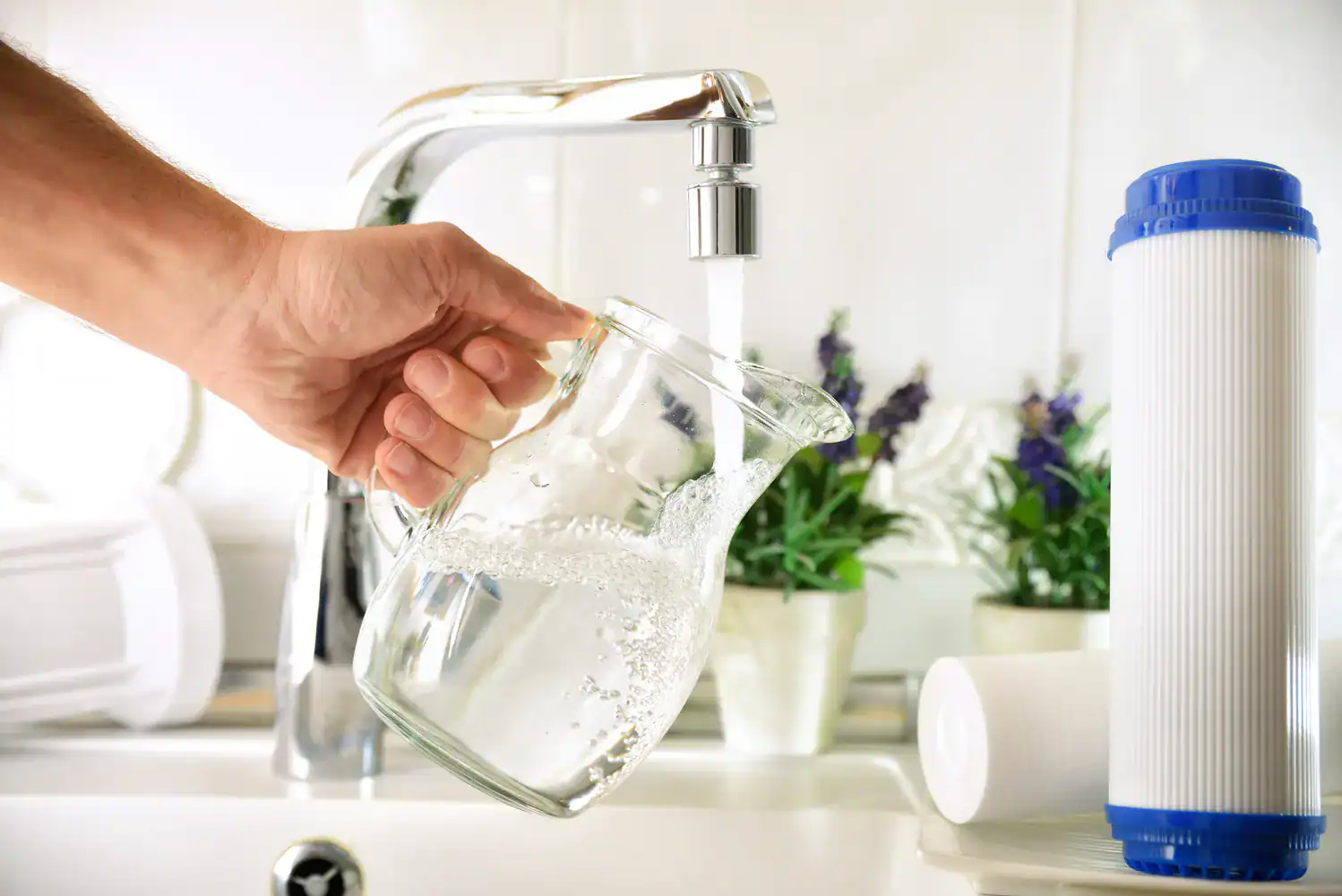
Not if it’s sized correctly for your home. Pressure loss happens when the system is undersized for your household’s water demand or when it’s installed incorrectly.
We calculate your peak water usage – how many gallons per minute your home uses when multiple fixtures are running – and size the system to handle that flow without restriction. This includes choosing the right diameter pipes, properly sized filter housings, and media tanks that can process your water volume without creating a bottleneck.
Retail systems sold at big box stores often cause pressure issues because they’re not professionally sized for the specific home. A three-bathroom house with a family of five needs a different system capacity than a two-bedroom home with two people. We measure your usage and design accordingly, so your showers stay strong and your fixtures work normally.
It depends on your system type and your water quality, but most whole house systems need attention once or twice a year at most.
Carbon filters in point-of-entry systems typically have capacities between 600,000 and 1,000,000 gallons. For an average household using 300 gallons per day, that’s years of filtration before the media needs replacing. Sediment pre-filters may need more frequent changes if you have high sediment levels – every six to twelve months – but these are simple cartridge swaps.
Water softeners require salt refills, usually monthly, and occasional resin cleaning. Systems with automatic backwashing handle their own maintenance cycles, flushing out accumulated particles and regenerating filter media without you doing anything. We set up a maintenance schedule based on your specific system and water conditions, and we handle the service calls so you’re not guessing when something needs attention.
That depends entirely on how the system is built. A basic sediment and carbon setup removes chlorine, sediment, rust, and improves taste and odor. Add more stages or specialized media, and you can target PFAS, heavy metals, nitrates, iron, sulfur, and other specific contaminants.
Multi-stage sediment filtration catches particles down to 5 microns or smaller – that’s rust, sand, silt, and debris that comes through pipes. Activated carbon removes chlorine, chloramines, volatile organic compounds, and some pesticides. For PFAS removal, which is a growing concern in Florida, you need catalytic carbon or specific ion exchange resins that are NSF certified for PFAS reduction.
Hard water minerals like calcium and magnesium require a softener or salt-free conditioner. Iron and manganese need oxidation followed by filtration. Nitrates require anion exchange or reverse osmosis. We test your water first to see what’s actually present, then build a system with the right combination of filters and media to address those specific issues. Generic systems don’t work for every situation.
If you only care about what you drink, an under-sink filter works fine. But you’re still showering in chlorinated water, washing clothes in hard water, and running unfiltered water through your dishwasher, washing machine, and water heater.
Chlorine doesn’t just affect taste. It dries out your skin and hair, and you’re absorbing it through your skin when you shower. Hard water leaves scale deposits inside your water heater, reducing efficiency by up to 48% according to water heater efficiency studies. That scale also builds up in your washing machine, dishwasher, and on your fixtures.
A point-of-entry system filters everything at the main line, so every drop of water entering your home is treated. Your appliances last longer because they’re not fighting mineral buildup. Your skin and hair feel better because you’re not bathing in chlorine. Your clothes are softer, your dishes don’t have spots, and you’re not scrubbing hard water stains off shower doors. It’s comprehensive treatment instead of just addressing one tap.
System cost depends on what you’re filtering, how much water your home uses, and what equipment is needed to handle your specific contaminants. A basic sediment and carbon system for a smaller home starts lower than a comprehensive multi-stage system with softening and PFAS removal for a larger house.
We price systems after testing your water because we’re not selling you equipment you don’t need. If your water only has chlorine and sediment issues, that’s a simpler system than someone dealing with hard water, iron, and PFAS contamination. We also factor in your household size and daily water usage to make sure the system has enough capacity to keep up with demand.
Installation cost includes connecting to your main water line, setting up bypass valves, programming backwash cycles, and testing pressure throughout your home. We offer a $500 discount for military and first responders. We also provide free water analysis so you know exactly what’s in your water before making any decisions about treatment.
Please provide your email address so that we can stay in touch and answer any questions you have! We will be reaching back out shortly.
"*" indicates required fields
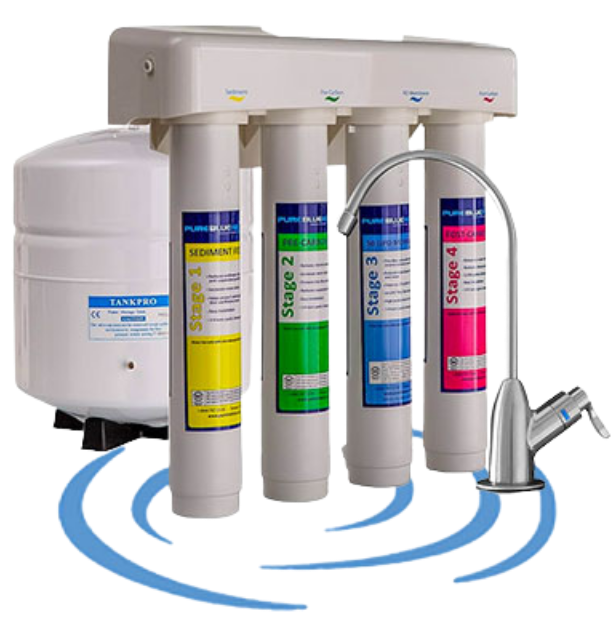
Get a free reverse osmosis drinking water system with the purchase of any whole-home water purification system.
*Cannot be combined with other offers. Mention this special when you call.