Reach Out Today
Please provide your email address so that we can stay in touch and answer any questions you have! We will be reaching back out shortly.


Hear from Our Customers
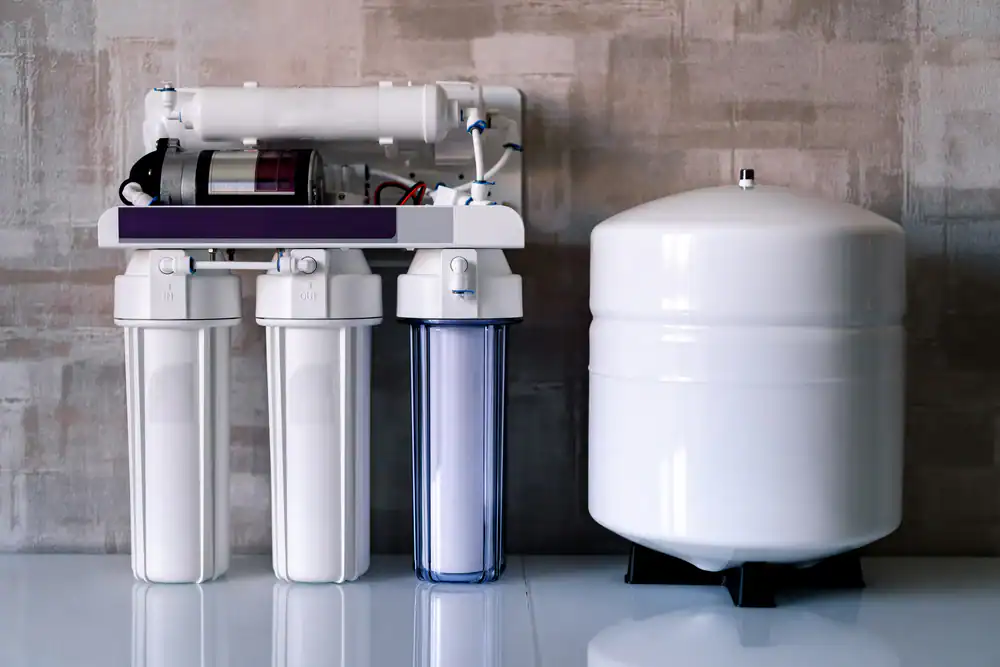
You stop tasting chlorine in your morning coffee. Your skin doesn’t feel tight and itchy after a shower. Your appliances last longer because they’re not fighting mineral buildup every day.
That’s what happens when you install a point-of-entry system that treats water as it enters your home. Everything downstream benefits—your drinking water, your laundry, your dishes, even your water heater.
Fort Matanzas pulls water from sources that carry the usual Florida issues: high chlorine from treatment plants, hard water minerals like calcium and magnesium, and sediment that clogs fixtures over time. A whole home carbon filter handles the chlorine and chemicals. Multi-stage sediment filtration catches particles before they reach your pipes. And if hardness is the issue, a water softener combination addresses that too.
You’re not just filtering one faucet. You’re protecting the entire system.
We don’t sell you a system off the shelf. We test your water first—free, in your home—so we know exactly what you’re dealing with.
That analysis tells us whether you need chlorine removal, sediment filtration, softening, or all three. Then we design a system around your usage, your concerns, and your budget. We’re members of the National Water Quality Association and carry an A rating with the Better Business Bureau with zero complaints.
We’ve been serving North and Central Florida long enough to know that Fort Matanzas water isn’t the same as water in Jacksonville or Orlando. Local conditions matter. So does follow-through. We install what we recommend, and we service it after.

We start with a free water analysis at your home. Our Water Specialist tests for chlorine, hardness, pH, iron, sediment, and other common contaminants. That data drives everything else.
Once we know what’s in your water, we design a system. That might include a sediment pre-filter to catch particles, a whole home carbon filter to remove chlorine and chemicals, and a softener if hardness is high. Some homes need all three stages. Others need two.
We install the system at your main water line—before it splits off to your kitchen, bathrooms, and laundry. That’s what makes it a point-of-entry system. One treatment point protects every outlet.
After installation, the system runs automatically. Filter media backwashing happens on a schedule to keep everything clean and effective. You’ll need to replace filters periodically depending on your water quality and usage, and we handle that service when it’s time.

Ready to get started?
A properly designed whole house water filter for Fort Matanzas addresses the specific issues in your water. If chlorine is the main complaint—and it usually is—you’ll get a carbon filtration stage that strips out chlorine, chloramines, and chemical tastes. If sediment clogs your aerators or leaves grit in your water, multi-stage sediment filtration handles particles down to five microns or smaller.
Hard water is common across Florida, and Fort Matanzas is no exception. Calcium and magnesium cause scaling in pipes, reduce soap efficiency, and leave spots on glass. A water softener combination treats hardness while the carbon filter handles taste and odor. You get both benefits in one integrated system.
We also account for iron if your water stains fixtures orange or brown. Some systems include an iron filter or oxidation stage depending on concentration. Everything is sized to your home’s flow rate and daily usage so you never lose pressure or run out of treated water during peak times.
Every system includes professional installation, startup, and a walkthrough so you understand how it operates. We also provide ongoing service for filter changes, media replacement, and any adjustments down the road.
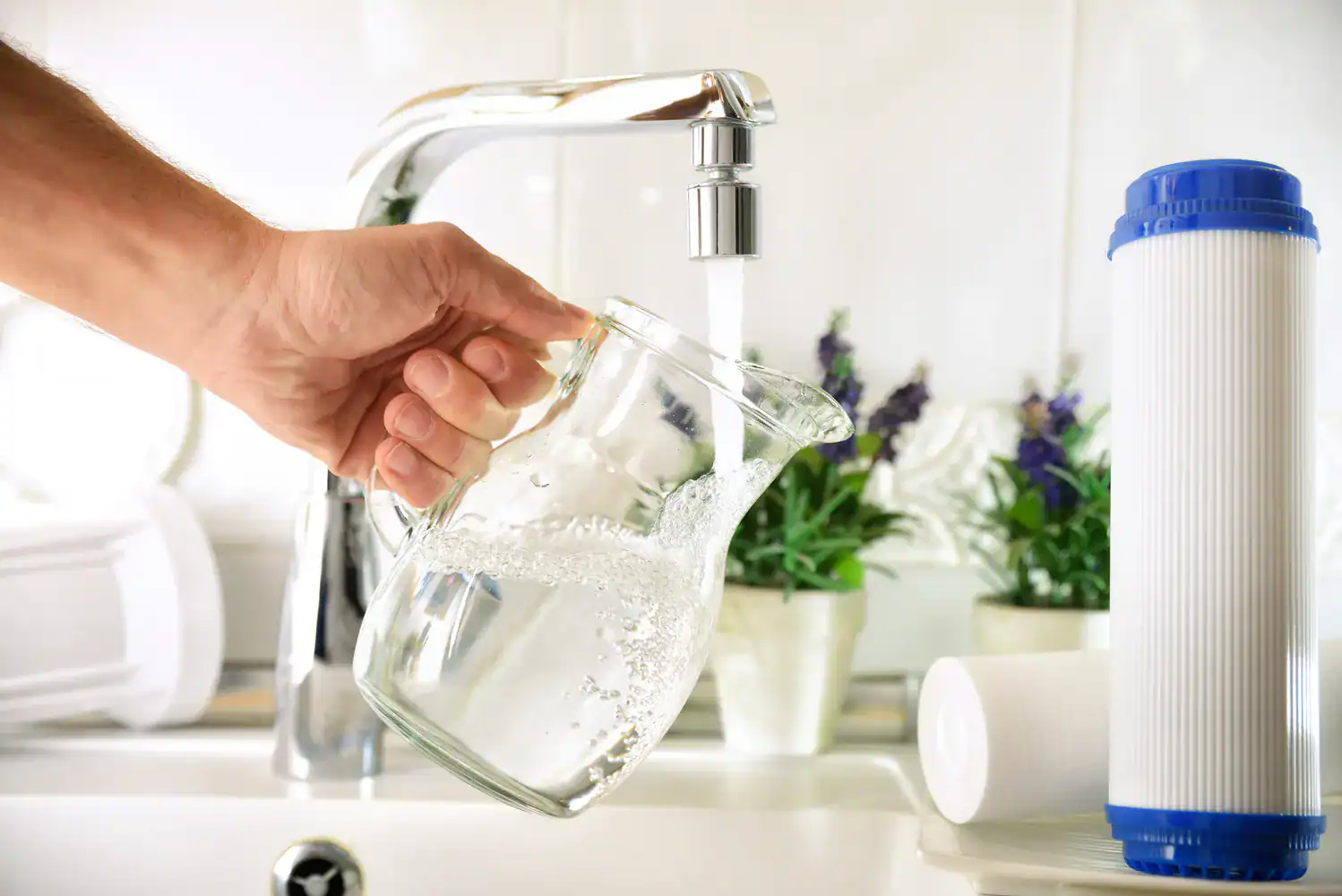
Cost depends on what you’re treating and how much water your household uses. A basic carbon filtration system for chlorine removal typically starts around $1,500 to $2,500 installed. If you add a water softener to handle hardness, you’re looking at $3,000 to $5,000 depending on capacity and features.
More advanced systems—like those with multi-stage sediment filtration, iron removal, or reverse osmosis for drinking water—can run higher. But the upfront cost is only part of the equation. You’ll save money by extending the life of your appliances, using less soap and detergent, and eliminating bottled water.
We don’t quote over the phone because every home is different. We test your water first, then price a system that actually fits what you need. No upselling, no generic packages. Military and first responders also get $500 off.
It depends on the type of filter media and how many stages your system includes. A whole home carbon filter removes chlorine, chloramines, and volatile organic compounds that affect taste and smell. It also reduces certain chemicals and pesticides depending on the carbon quality.
Multi-stage sediment filtration catches dirt, rust, sand, and other particles. If your water comes from a well or an older municipal system, sediment is common. Those filters protect your pipes and appliances from buildup and clogs.
A water softener removes hardness minerals like calcium and magnesium through an ion exchange process. It won’t remove chlorine or sediment, which is why most homes in Fort Matanzas benefit from a combination system. If you’re concerned about heavy metals, bacteria, or specific contaminants like PFAS, we can add specialized filters or a reverse osmosis stage for drinking water. That’s why testing matters—you treat what’s actually in your water, not what might be.
Sediment filters typically need replacement every six to twelve months depending on how much sediment is in your water. If you’re on well water or your area has high turbidity, you might replace them more often. Carbon filters last longer—usually one to three years—but that also depends on chlorine levels and daily water usage.
Water softeners don’t have filters, but they do need salt refills to keep the resin bed regenerating. You’ll also want the resin cleaned or replaced every few years to maintain efficiency. Some systems include a brine tank monitor so you know when salt is low.
We offer service plans that include filter replacements, system checkups, and media replacement on schedule. A lot of our Fort Matanzas clients prefer that because it takes the guesswork out. You’re not trying to remember when the last filter change was or troubleshooting why pressure dropped. We track it and handle it. But if you’d rather manage it yourself, we’ll show you how during installation and provide a maintenance schedule.
Not if it’s sized correctly. Pressure drop happens when the system is undersized for your home’s flow rate or when filters get clogged and aren’t replaced on time. That’s why we measure your current pressure and flow during the water analysis and size the system accordingly.
Most whole house filters are designed to handle 10 to 15 gallons per minute without affecting pressure. If you have a larger home or higher demand—like multiple bathrooms running at once—we’ll install a higher-capacity system or use larger filter housings.
Sediment filters can restrict flow as they fill up with particles, but that’s a maintenance issue, not a design flaw. Replacing them on schedule keeps pressure consistent. Carbon filters and softeners have minimal impact on flow when they’re properly maintained. If you ever notice a pressure drop after installation, it’s usually a clogged pre-filter, and that’s an easy fix. We also install a bypass valve on every system so you can isolate it for service without shutting off water to the whole house.
Most homes in Fort Matanzas benefit from both, but it depends on your water test results. A water softener removes hardness minerals that cause scaling and interfere with soap. It doesn’t remove chlorine, sediment, or chemical tastes. A carbon filter handles chlorine and odor but won’t touch hardness.
If your water is hard and tastes like chlorine—which is common here—you need both. We install them in sequence: sediment filter first to catch particles, then the softener to remove hardness, then the carbon filter to remove chlorine. That order protects each stage and maximizes effectiveness.
Some people only have one issue. If your water is soft but tastes bad, a carbon filter might be enough. If it’s hard but chlorine isn’t a problem, a softener handles it. But in most cases, a water softener combination with carbon filtration gives you the best results. You get softer water, better taste, and longer appliance life all in one system. We’ll test your water and recommend what actually makes sense for your situation.
Please provide your email address so that we can stay in touch and answer any questions you have! We will be reaching back out shortly.
"*" indicates required fields