Reach Out Today
Please provide your email address so that we can stay in touch and answer any questions you have! We will be reaching back out shortly.


Hear from Our Customers
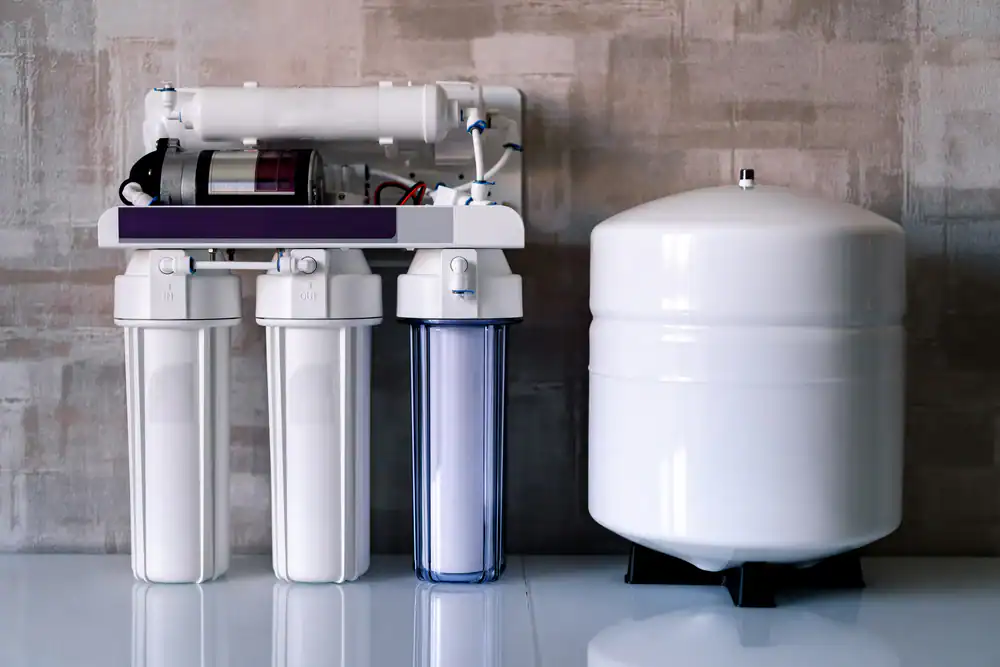
Your dishes stop coming out of the dishwasher with spots. Your shower doesn’t leave that film on the glass anymore. The soap actually rinses off your skin instead of mixing with minerals and sitting there.
That’s what happens when you filter at the point of entry instead of just treating water at one sink. A whole house water filter catches sediment, chlorine, and dissolved minerals before they reach any fixture in your home.
Your water heater lasts longer because it’s not fighting scale buildup. Your washing machine doesn’t have to work as hard. Your coffee tastes better because you’re not brewing with chlorinated tap water.
Hard water in Fort Caroline isn’t just annoying. It costs you money every year in appliance repairs, cleaning products that don’t work right, and plumbing issues you shouldn’t have to deal with. A multi-stage filtration system handles the problem where it starts.
We earned an A+ Better Business Bureau rating and a 5-star review average because we show up when we say we will and we service what we install. That second part matters more than most people realize until they need help.
We’re members of the National Water Quality Association, which means we follow industry standards for installation and maintenance. We also offer a $500 discount to military members and first responders in Fort Caroline because that’s who we are.
Fort Caroline pulls over 90 percent of its water from groundwater wells, and Florida’s thin soil layer and high water table make contamination a real concern. We understand the local water challenges here because we’ve been solving them for years.

We start with a water quality test at your Fort Caroline home. Not a guess, not a generic recommendation—an actual analysis of what’s in your water and at what levels.
Once we know what we’re dealing with, we’ll walk you through which system makes sense. That usually means a point-of-entry system with multi-stage sediment filtration, a whole home carbon filter to handle chlorine and organic compounds, and often a water softener combination if your hardness levels are high.
Installation happens at your main water line. We’re installing the system where water enters your house so every fixture gets treated water. The filter media gets backwashed on a schedule to keep it working properly, and we’ll show you how the system maintains itself.
After installation, you’ll notice the difference immediately. We also provide ongoing service and filter replacements when needed. You’re not buying a system and then getting ghosted—we’re here when you need us.

Ready to get started?
A complete whole house water filter system includes sediment filtration to catch particles, carbon filtration to remove chlorine and chemical contaminants, and a water softener if your hardness levels require it. These aren’t three separate purchases—they work together as one system.
Fort Caroline water can contain dry-cleaning solvents, gasoline from leaking storage tanks, and pesticides that seep into the aquifer. Carbon filtration handles organic compounds and chemicals that sediment filters miss. The softener addresses calcium and magnesium that cause scale buildup.
Your system also includes the backwash valve and control head that automate maintenance. The media inside the tanks needs periodic backwashing to stay effective, and the system handles that without you having to think about it.
We install everything at the point of entry and test the output to make sure it’s working correctly. You also get our ongoing service commitment, which matters when you need a filter change or have a question two years from now.
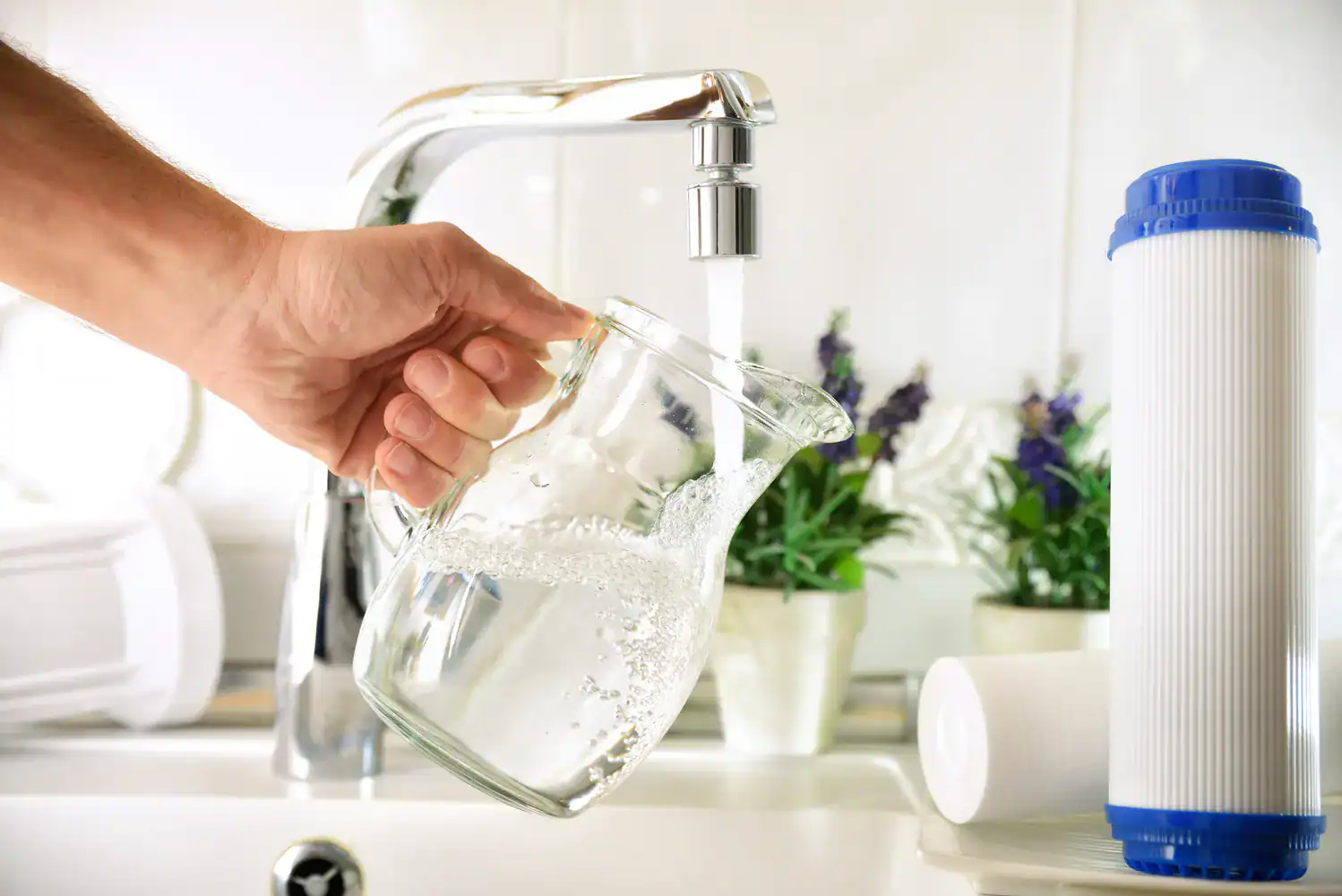
An under-sink filter only treats water at one faucet. You’re still showering in hard water, running untreated water through your dishwasher, and washing clothes with the same minerals and chemicals you’re trying to avoid at the kitchen sink.
A point-of-entry system filters all the water entering your Fort Caroline home. Every shower, every appliance, every faucet gets treated water. That means you’re protecting your plumbing and water heater from scale buildup, not just improving drinking water at one location.
The cost difference makes sense when you consider what you’re protecting. Replacing a water heater that failed early because of mineral buildup costs more than the filtration system that would have prevented it.
Fort Caroline’s groundwater can contain hard minerals like calcium and magnesium, chlorine from municipal treatment, and contaminants that leach into the aquifer from agricultural runoff or old storage tanks. Dry-cleaning solvents, gasoline, and pesticides show up in Florida aquifer testing more often than most people realize.
Hard water is almost guaranteed here. You’ll see it in the white buildup around faucets, the spots on glassware, and how soap doesn’t rinse clean. That’s dissolved minerals, and they’re in your water heater and pipes too.
A water test tells you exactly what’s in your specific supply. We test for hardness levels, chlorine, pH, iron, sulfur, and other common contaminants. Then we design the filtration system around what your test shows, not what we assume is there.
The system backwashes itself automatically based on water usage or a timer setting. You don’t have to do anything for that part. What you will need to do is replace the carbon media every few years and add salt to the softener brine tank if your system includes one.
Carbon filter media typically lasts three to five years depending on your water quality and household usage. Sediment pre-filters might need changing annually if you have particularly dirty water coming in. We’ll give you a maintenance schedule based on your specific system.
The key difference between us and some national companies is that we actually come back for service calls. We’re not selling you a system and disappearing. When it’s time for media replacement or if something isn’t working right, you can reach us.
Water softeners use water during the regeneration cycle when they backwash the resin bed and recharge it with salt. Modern systems are more efficient than older models, but yes, there is some water usage during that process.
The amount depends on the size of your system and how often it regenerates. A typical household system might use 50-100 gallons per regeneration cycle, which happens every few days or weekly depending on your water hardness and usage.
That sounds like a lot until you consider what you’re preventing. Scale buildup reduces water heater efficiency by 20-30 percent over time. Your water heater works harder and uses more energy when it’s coated in mineral deposits. The water used in backwashing is offset by the efficiency gains in your appliances and the longer lifespan of your plumbing system.
Technically possible if you have plumbing experience, but not recommended for most homeowners. You’re cutting into the main water line, installing bypass valves, setting up drain lines for backwash, and programming the control head. If any of that goes wrong, you’ve got a bigger problem than you started with.
Professional installation also means the system gets sized correctly for your flow rate and water pressure. Too small and you’ll have pressure drops when multiple fixtures run at once. Too large and the system won’t backwash efficiently.
We also handle the permits if your local Fort Caroline codes require them, and we test the output after installation to verify the system is removing what it’s supposed to remove. DIY installation might save money upfront, but it often costs more when something needs to be fixed or redone.
Please provide your email address so that we can stay in touch and answer any questions you have! We will be reaching back out shortly.
"*" indicates required fields