Reach Out Today
Please provide your email address so that we can stay in touch and answer any questions you have! We will be reaching back out shortly.


Hear from Our Customers
Your dishwasher stops leaving spots on glasses. Your water heater isn’t fighting mineral buildup. Your skin doesn’t feel tight after a shower.
That’s what happens when you install a whole home carbon filter that catches contaminants before they reach any faucet in your house. You’re not just filtering drinking water—you’re protecting every appliance, every fixture, and every person who uses water in your home.
Hard water is the most common problem Florida homeowners face. It leaves mineral buildup around faucets, creates soap scum in tubs, and quietly corrodes your plumbing over time. A proper point-of-entry system with multi-stage sediment filtration handles that at the source. One system. Every tap covered.
We hold an A+ Better Business Bureau rating with a 5-star status and zero complaints. We’re members of the National Water Quality Association, which means we follow industry standards that matter.
We know Eatonville’s water challenges. The infrastructure failures that forced residents to boil water. The construction updates that won’t start until 2026. The reality that over 90% of Florida’s water comes from groundwater wells that sit in soil too thin to filter out everything you don’t want in your pipes.
We install whole house water filtration systems for homeowners who want the problem fixed right. Then we stick around to service what we installed. That’s not common in this industry, but it should be.

We start with a water test. Not a sales pitch disguised as an assessment—an actual test that tells us what’s in your water and what system will handle it.
Then we recommend a point-of-entry system sized for your home. Most setups include multi-stage sediment filtration to catch particles, whole home carbon filters to remove chlorine and chemicals, and depending on your water test, a water softener combination to handle Florida’s hard water issues.
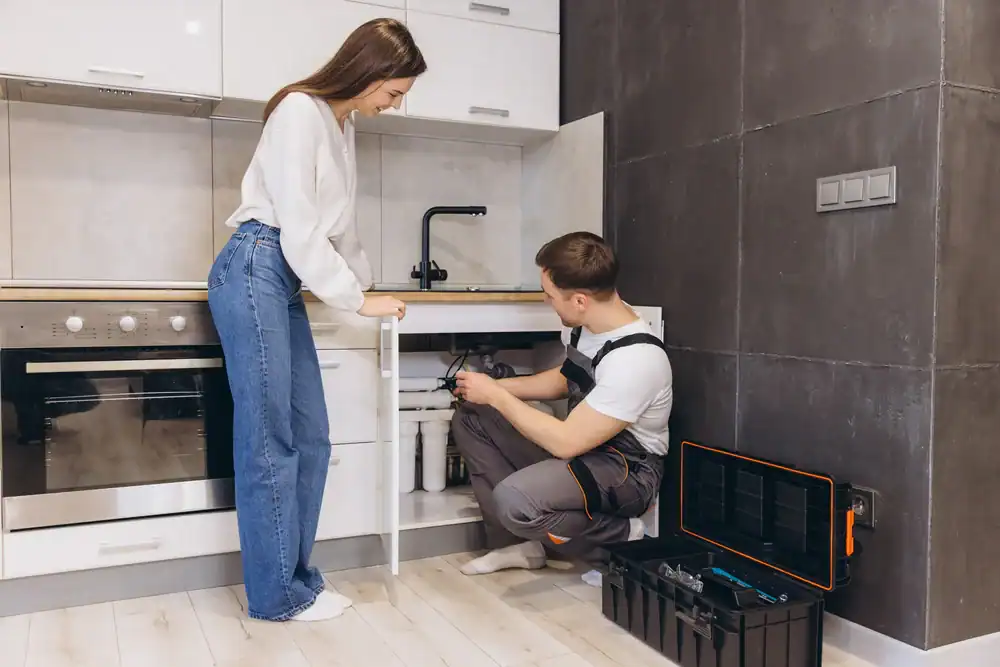
Installation happens at your main water line. That’s the point of entry where all water comes into your home. Once it’s in, every tap pulls from filtered water. Shower, kitchen sink, washing machine, outdoor hose—everything.
After installation, we set you up with a maintenance schedule. Some systems need filter media backwashing. Some need cartridge replacements. We handle it, or we show you how. Either way, you’re not left guessing when something needs attention.
Ready to get started?
A whole house water filter isn’t one piece of equipment. It’s a system designed around what’s actually in your water.
In Eatonville, that usually means dealing with hard water, chlorine from municipal treatment, and the possibility of contaminants leaching through Florida’s porous soil. Your system might include sediment filters to catch rust and particles, carbon filtration to remove chemicals and odors, and a softener to prevent scale buildup in your pipes and appliances.
We size everything based on your home’s water usage and pressure requirements. Undersized systems create flow problems. Oversized systems waste money. We match the equipment to your house, not the other way around.
You’ll also get a maintenance plan. Some national companies install systems and disappear. We don’t. Florida water is tough on filtration equipment, and regular service keeps your system working the way it should. That’s part of what you’re paying for—support after the install.
Most whole house water filtration systems for a standard home in Eatonville run between $2,000 and $5,000 installed, depending on the type of system and how much water treatment your home needs. If you’re adding a water softener combination to handle Florida’s hard water, expect the higher end of that range.
The cost depends on your water test results, your home’s size, and whether you need additional components like a sediment pre-filter or UV sterilization. We don’t quote over the phone because every home’s water is different.
What matters more than upfront cost is what you avoid paying later. Whole house systems protect your water heater, dishwasher, and washing machine from mineral damage and corrosion. Those appliances last longer when they’re not fighting contaminated water every day. We also offer a $500 discount for military members and first responders.
A properly designed point-of-entry system removes sediment, chlorine, chloramines, heavy metals like lead and mercury, and many chemical contaminants including pesticides and industrial solvents. The specifics depend on what filtration media and carbon filters are in your system.
Florida homeowners deal with unique contamination risks. Our aquifer sits under thin soil and a high water table, which means chemicals from gas stations, dry cleaners, and agricultural runoff can reach groundwater. Multi-stage sediment filtration catches particles, while activated carbon handles dissolved chemicals.
If your water test shows bacteria or microorganisms, we add UV sterilization or a more advanced filtration stage. Not every system needs every component. We build around what’s actually in your water, not what sounds impressive in a brochure.
Most whole house systems need filter changes or media replacement every 6 to 12 months, depending on your water quality and household usage. Sediment pre-filters might need swapping every 3 to 6 months if you have a lot of particulate in your water. Carbon filters typically last 9 to 12 months before they stop removing contaminants effectively.
If your system includes a water softener, you’ll need to add salt regularly and schedule a resin bed cleaning every few years. Systems with backwashing filters handle some maintenance automatically, but you still need to check them periodically.
We set up a maintenance schedule during installation and send reminders when service is due. Some companies sell systems and disappear. We don’t. Florida water is hard on filtration equipment, and skipping maintenance means your system stops protecting your home the way it should.
A correctly sized whole house water filter should not cause noticeable pressure loss. If the system is too small for your home’s flow rate, yes, you’ll feel it. That’s why proper sizing matters.
We calculate your home’s peak water demand—how much water flows when multiple fixtures run at once—and match the system to handle that volume. Most whole house filters are rated for flow rates between 10 and 20 gallons per minute, which covers typical residential needs.
If you already have low water pressure, a whole house system might make it more noticeable. In those cases, we’ll discuss whether a booster pump makes sense or if a point-of-use system for drinking water is a better fit. We’re not here to sell you something that creates new problems.
In Florida, most homeowners benefit from both. A water softener handles hardness—the calcium and magnesium that create scale buildup and make soap less effective. A whole house filter removes contaminants like chlorine, sediment, and chemicals. They solve different problems.
Hard water won’t make you sick, but it will shorten the life of your water heater, clog your showerheads, and leave residue on everything water touches. A softener prevents that. But a softener doesn’t remove chlorine, pesticides, or heavy metals. That’s what the filtration system does.
Many systems combine both in one setup—a sediment pre-filter, a carbon filter for chemicals, and a softener for hardness. We test your water first and recommend what actually makes sense for your situation. If your water isn’t hard, you don’t need a softener. If it’s loaded with minerals, you do.
Please provide your email address so that we can stay in touch and answer any questions you have! We will be reaching back out shortly.
"*" indicates required fields
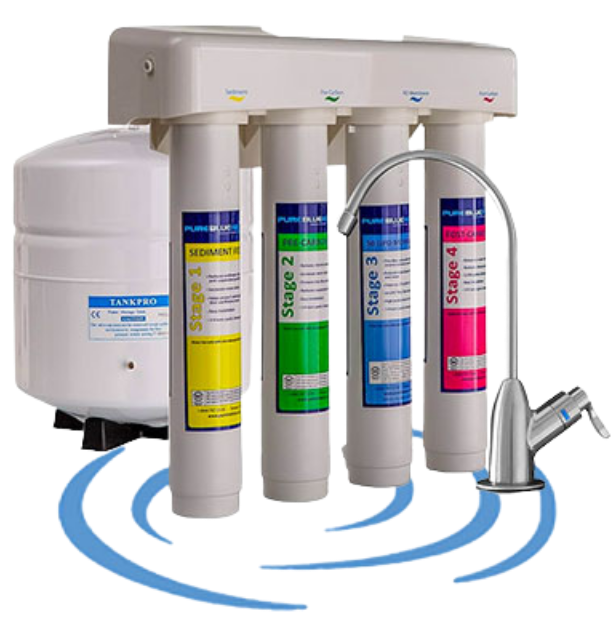
Get a free reverse osmosis drinking water system with the purchase of any whole-home water purification system.
*Cannot be combined with other offers. Mention this special when you call.