Reach Out Today
Please provide your email address so that we can stay in touch and answer any questions you have! We will be reaching back out shortly.


Hear from Our Customers
You stop tasting chlorine in your morning coffee. Your skin doesn’t feel tight and dry after every shower. The white buildup on your faucets slows down, and your dishwasher stops leaving spots on your glassware.
Your washing machine, water heater, and plumbing aren’t constantly fighting mineral deposits. In Early Bird, FL, where water hardness regularly tests between 15 and 25 grains per gallon, that buildup happens fast. A whole house water filter with multi-stage sediment filtration catches those minerals before they enter your home’s plumbing system.
You’re not buying bottled water by the case anymore. You’re not replacing appliances as often. And you’re not wondering what’s actually in the water your family drinks and bathes in every day.
We specialize in whole-house purification systems for homeowners in Early Bird and throughout Central Florida. We’re A+ rated with the Better Business Bureau with a 5-star rating and zero complaints. We’re also members of the National Water Quality Association, which holds us to a strict code of ethics and professional standards.
We don’t do plumbing repairs or water heater replacements. We focus exclusively on water treatment, which means when you call us, you’re talking to someone who knows filtration systems inside and out. We’ve seen what Florida water does to homes without proper treatment, and we’ve spent decades helping families fix it.

First, we test your water. Not just for hardness, but for chlorine levels, iron, sulfur, nitrates, and other contaminants common in Early Bird’s water supply. That tells us exactly what needs to be removed and which filtration media will work best for your home.
Next, we size the system based on your household’s water usage and flow rate requirements. A properly sized whole home carbon filter delivers 9 to 20 gallons per minute depending on your home size, with no drop in water pressure at any faucet.
The system gets installed at your main water line, before water reaches any fixture or appliance. That’s why it’s called a point-of-entry system. From that moment forward, every drop of water entering your home passes through multiple stages of filtration. Sediment gets caught first, then chlorine and chemical contaminants get removed through activated carbon, and if you have hard water, a water softener combination handles the minerals.
Maintenance is straightforward. You’ll replace the sediment filter every 6 to 9 months, which costs about $40 for a two-pack. The carbon media lasts years, and when it’s time for filter media backwashing or replacement, we handle it.
Ready to get started?
You get filtered water at every tap, shower, and appliance in your home. That includes your kitchen sink, bathrooms, laundry, outdoor hose connections, and anywhere else water flows. The system removes chlorine, chloramines, herbicides, pesticides, and the chemical taste and odor that come with municipally treated water.
If your water in Early Bird tests high for iron or manganese, which is common in Florida’s aquifer-fed supply, the filtration system addresses that too. You’ll stop seeing rust stains in your sinks and toilets. Your whites will stay white in the wash.
Hard water is another issue here. Many areas around Early Bird test two to three times harder than the national threshold for “hard water,” which starts at 7 grains per gallon. Without treatment, that level of hardness shortens appliance lifespan by 30% and leaves scale buildup throughout your plumbing. A whole house system with a water softener combination protects your investment and keeps your plumbing clear.
The system is built for low maintenance and high flow. You’re not constantly changing filters or dealing with pressure drops. And because it’s treating water at the point of entry, you’re not installing separate filters under every sink or on every showerhead.
Most homes in Early Bird on city water need a mid-range system, which typically runs between $1,500 and $2,500 installed. That includes the filtration unit, installation at your main water line, and an initial water test to determine what contaminants need to be addressed.
The price depends on your home’s size, your water quality, and whether you need additional treatment like a water softener or iron filter. Homes with well water or more complex contamination issues may need a higher-end system. The cost also reflects the quality of the components—cheaper systems often use lower-grade media that doesn’t last or perform as well.
You’ll save money over time by protecting your appliances and eliminating bottled water purchases. And if you’re military or a first responder, we offer a $500 discount.
Not if it’s sized correctly. A properly installed whole home carbon filter maintains full water pressure throughout your home because it’s designed to handle your household’s peak flow rate.
We calculate your flow requirements based on the number of bathrooms, fixtures, and appliances in your home. A typical 3-bedroom home needs a system that delivers at least 10 to 12 gallons per minute. Larger homes may need 15 to 20 GPM. When the system matches your usage, you won’t notice any difference in pressure when multiple faucets or appliances are running at once.
Pressure problems usually come from undersized systems or clogged sediment filters that haven’t been replaced on schedule. That’s why we walk you through the maintenance requirements upfront and make sure you know when to swap out the sediment filter—usually every 6 to 9 months depending on your water quality.
The system removes chlorine and chloramines, which are added during municipal treatment and can reach levels up to 4 mg/L. It also filters out sediment, rust, herbicides, pesticides, and volatile organic compounds that affect taste and odor.
If your water comes from the aquifer, which is common in this area, you may also be dealing with naturally occurring minerals like calcium and magnesium (hardness), iron, manganese, and sulfur. A multi-stage system with the right filtration media handles all of that. Some homes in Early Bird also test positive for nitrates, PFAS, or arsenic, especially if they’re near agricultural areas or older infrastructure. We test for those during the initial assessment.
The key is matching the filtration media to your specific water quality. Activated carbon handles chemicals and chlorine. A water softener combination addresses hardness. Specialized media like catalytic carbon or KDF can target iron, sulfur, and heavy metals. That’s why testing matters—you need to know what you’re filtering before you choose a system.
The sediment pre-filter needs replacement every 6 to 9 months, depending on how much sediment is in your water. That filter catches particles before they reach the main filtration media, and it costs about $40 for a two-pack. It’s a simple swap that takes a few minutes.
The carbon media inside the main tank lasts much longer—typically several years. When it’s time for filter media backwashing or replacement, we handle that as part of your service plan. Backwashing flushes out trapped particles and regenerates the media so it keeps working effectively.
If you have a water softener as part of your system, you’ll need to keep the brine tank filled with salt. Most homeowners add a bag every month or two, depending on water usage and hardness levels. Beyond that, the system runs automatically. There’s no daily maintenance or constant filter swapping like you’d deal with on a pitcher filter or under-sink unit.
You need a professional. The system ties directly into your main water line, which means cutting into your plumbing, installing bypass valves, and ensuring the unit is properly sized and sealed. If it’s not done right, you risk leaks, pressure issues, or a system that doesn’t filter effectively.
There’s also the question of placement. The filter needs to go after your pressure regulator (if you have one) but before any fixtures or appliances. It needs adequate clearance for maintenance and filter changes. And it needs to be installed level and secure so it doesn’t shift or leak over time.
We’ve been installing these systems for decades, and we’ve seen plenty of DIY attempts that ended up costing more to fix than if they’d been done right the first time. A professional installation also means you get a water test upfront, the correct filtration media for your specific contaminants, and a system that’s covered if anything goes wrong.
Please provide your email address so that we can stay in touch and answer any questions you have! We will be reaching back out shortly.
"*" indicates required fields
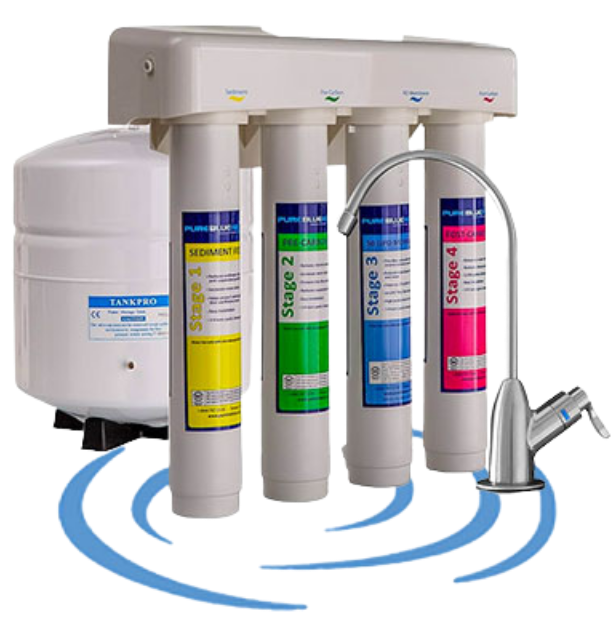
Get a free reverse osmosis drinking water system with the purchase of any whole-home water purification system.
*Cannot be combined with other offers. Mention this special when you call.