Reach Out Today
Please provide your email address so that we can stay in touch and answer any questions you have! We will be reaching back out shortly.


Hear from Our Customers
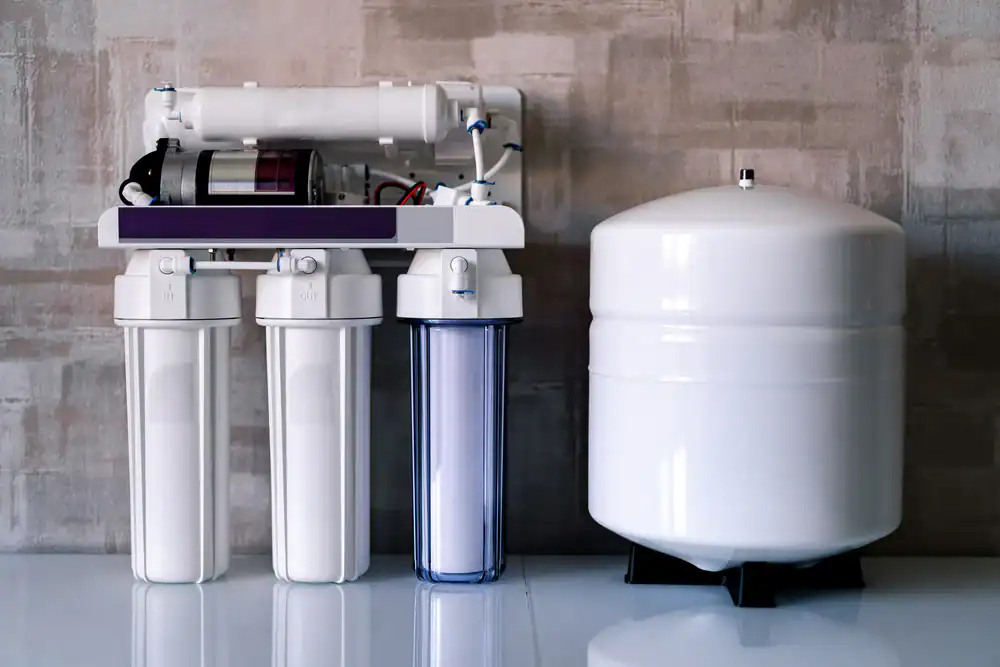
The moment a whole house point of entry system is installed at your main water line, everything downstream changes. Your shower stops smelling like chlorine. Your coffee tastes the way it should. The white scale that keeps building up on your fixtures and shower doors slows down — and eventually stops.
For Duval homeowners, this matters beyond taste and smell. The Villages draws its water from the Floridan Aquifer, a limestone-based groundwater system that naturally loads your water with calcium and magnesium. That mineral content — what water professionals call hardness — is silently working against every water-using appliance in your Patio Villa or Courtyard Villa. Your water heater, dishwasher, washing machine, and ice maker are all accumulating scale buildup right now. Scale reduces water heater efficiency by up to 48% and shortens appliance life by years. On a fixed income, replacing a water heater or dishwasher ahead of schedule is not a minor inconvenience.
The other issue is what the utility adds to treat the water. The Villages of Lake-Sumter water system uses chlorine-based disinfection, which is standard practice — but when chlorine reacts with naturally occurring organic matter in the water, it forms disinfection byproducts called trihalomethanes. These have been documented in this utility’s water supply. A multi-stage whole house filtration system addresses both problems: the minerals coming in from the aquifer and the disinfection byproducts added during treatment. Not just at one tap — at every single one.
We’ve been in the water treatment business for more than 50 years. That kind of track record doesn’t happen by accident — it happens because we actually service what we sell and stand behind our work long after installation day.
We hold a BBB A-rating with zero complaints on file. That’s a public record you can check yourself at bbb.org. We’re also a member of the Water Quality Association, the national professional trade organization for the water treatment industry — which means our recommendations are made within an ethical framework, not a sales quota. In a market where retirement communities like The Villages are frequently targeted by high-pressure sales operations, that distinction matters.
Duval homeowners — many of whom relocated here from northern states and encountered Florida’s hard water conditions for the first time — have found that we give straight answers, not a theatrical water demonstration designed to scare them into signing the same day. If you’ve heard a neighbor’s story about a pushy water company, you already know why that matters.
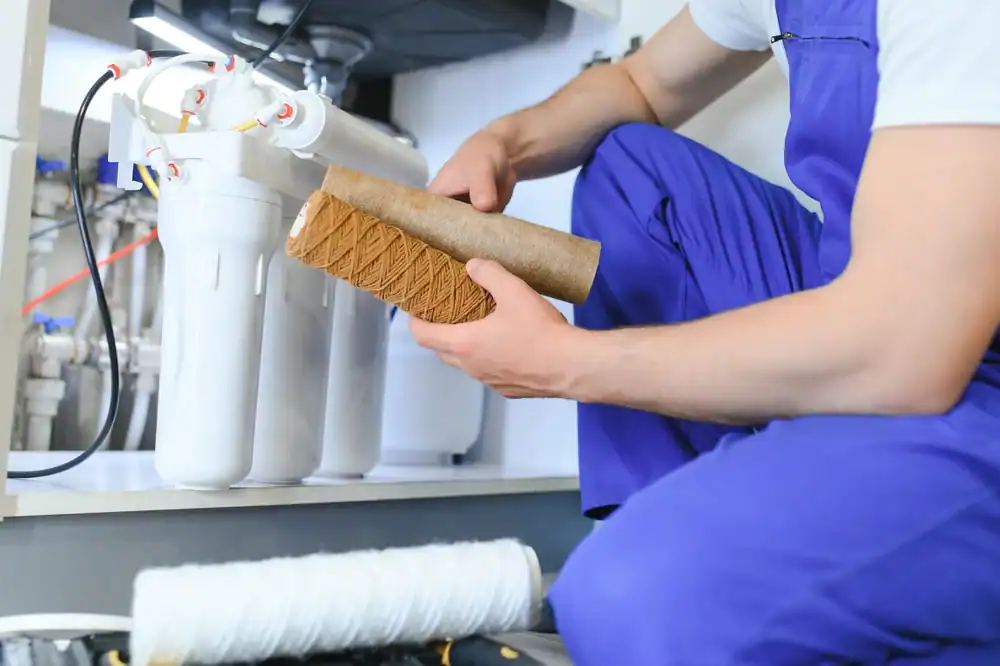
It starts with a water test. Before anything is recommended, we evaluate what’s actually in your water — hardness levels, chlorine presence, disinfection byproduct indicators, and any other contaminants relevant to your home’s supply. In Duval, that means looking closely at the mineral load coming out of the Floridan Aquifer and the treatment chemistry added by the Villages of Lake-Sumter utility. The results of that test drive the recommendation — not a sales script.
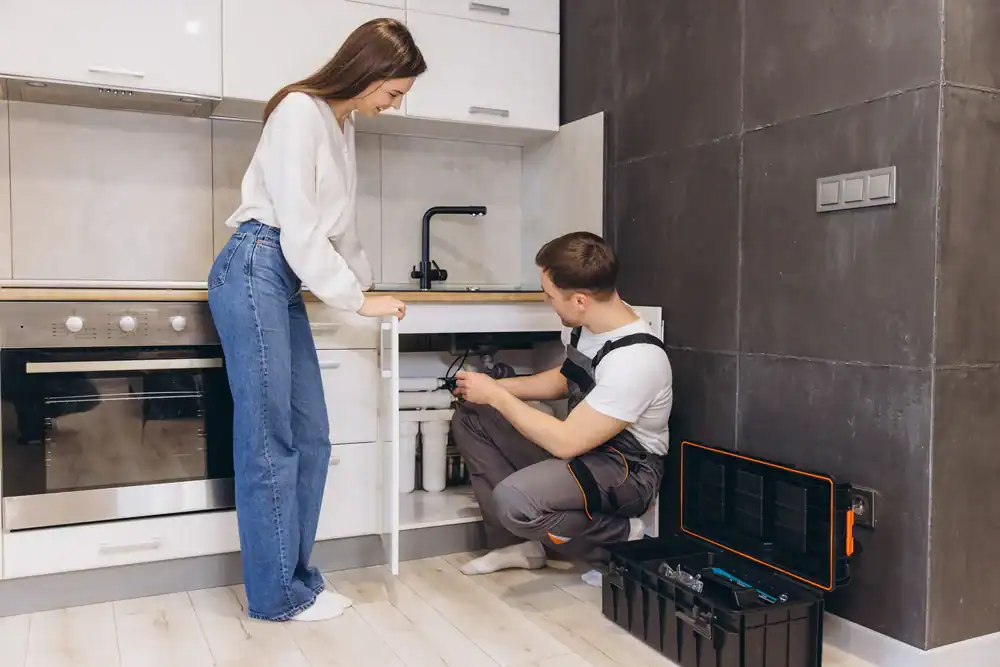
Once the right system is identified, installation happens at your main water supply line — the point of entry before water branches off to any fixture, appliance, or showerhead in your home. For the Patio Villas and Courtyard Villas in Duval, this is a clean, contained installation. Every gallon that enters your home from that point forward passes through the filtration system first. There’s no partial coverage, no one tap left untreated.
After installation, we walk you through what was installed, how it works, and what maintenance looks like going forward. Filter replacements are straightforward, and we remain reachable — not the kind of operation that hands you a warranty card and disappears. Given that Sumter County is currently under a Modified Phase III Water Shortage Order through 2026, with aquifer levels declining across the region, this is also a good time to make sure the water you are using is as clean and effective as possible.
Ready to get started?
A whole house water filter from us is a multi-stage filtration system installed at the point of entry — meaning it treats all the water coming into your home before it reaches anything. That includes your drinking water, yes, but also your shower water, your laundry water, the water going into your dishwasher, and the water feeding your water heater. Chlorine and chloramines aren’t just a drinking water issue — they’re absorbed through your skin and inhaled as steam during a shower. A kitchen filter doesn’t solve that.
For Duval residents specifically, we address the two most documented water quality concerns in this area: hardness from the limestone aquifer and disinfection byproducts from chlorine-based municipal treatment. The Environmental Working Group’s tap water database lists the Villages of Lake-Sumter utility (FL3350942) as having detected total trihalomethanes, haloacetic acids, and other byproducts — contaminants that meet EPA legal limits but exceed EWG’s more stringent health-based guidelines. A properly configured multi-stage system handles both the mineral content and the chemical byproducts, which a basic softener or a pitcher filter alone cannot do.
If you’re active military, a veteran, or a first responder, ask about the $500 discount before you do anything else. The Villages has one of the largest veteran populations in Florida, and that discount is a real financial benefit — not a token offer. We also support the Tunnels to Towers Foundation, which provides mortgage-free homes to catastrophically injured veterans and fallen first responder families. It’s not a logo in a footer — it reflects who we are.
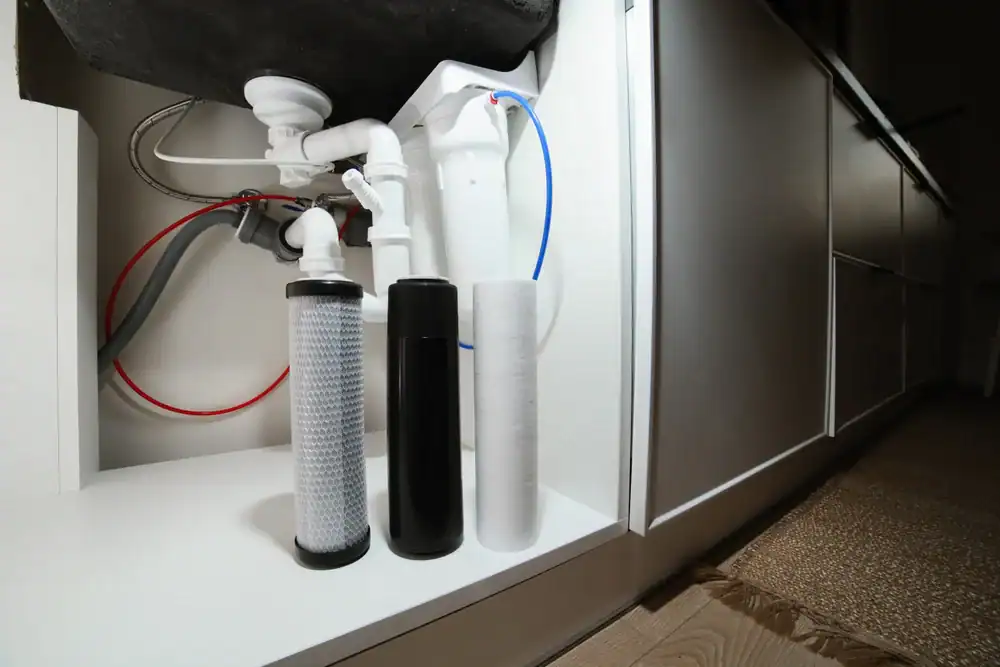
The short answer is yes — and the reasons are specific to where Duval gets its water. The Villages of Lake-Sumter utility draws from the Floridan Aquifer, a limestone-based groundwater system that naturally produces hard water with elevated calcium and magnesium levels. Regional water quality data documents hardness in parts of Central Florida reaching 10 to 15 grains per gallon or higher — classified as very hard by water quality standards. That level of hardness causes visible scale buildup on fixtures and shower doors, reduces appliance efficiency, and shortens the lifespan of water heaters, dishwashers, and washing machines.
On top of the hardness, the utility treats the water with chlorine-based disinfection, which is standard and necessary — but it produces disinfection byproducts called trihalomethanes as a side effect. The Environmental Working Group has documented these byproducts in this utility’s water supply. A whole house point of entry system addresses both issues at the source, before the water reaches any tap or appliance in your home. A pitcher filter or under-sink unit handles one tap. A whole house system handles everything.
They solve different problems, and in Duval’s water conditions, you often need both functions working together. A water softener specifically targets hardness — it uses an ion exchange process to remove calcium and magnesium minerals, which reduces scale buildup in pipes and appliances and makes soap lather more effectively. That’s genuinely useful given the limestone aquifer water The Villages is built on.
A whole house water filter, on the other hand, targets a broader range of contaminants — chlorine, chloramines, disinfection byproducts like trihalomethanes, sediment, and other chemical compounds that a softener doesn’t touch. A multi-stage whole house system can include both softening and filtration functions in one integrated setup, which is typically the most effective approach for Duval homeowners dealing with both hard water and chemically treated municipal supply. When you get a water test done first, the results tell you exactly what combination of treatment your home’s water actually needs — rather than guessing based on what a salesperson recommends.
Yes — and for most Duval residents, the difference is noticeable within the first day. The chlorine smell that comes off the tap and intensifies in a hot shower is one of the most common complaints about The Villages’ municipal water. That smell comes directly from the chlorine used in treatment, and a whole house carbon filtration stage removes it effectively before the water reaches any fixture in your home.
The taste improvement follows the same logic. Chlorine affects flavor, and so do dissolved minerals at the concentrations found in hard aquifer water. Once both are reduced at the point of entry, tap water tastes cleaner, coffee and tea taste the way they’re supposed to, and the water coming out of your refrigerator dispenser stops tasting flat. For homeowners in Duval who have been spending money on bottled water or a countertop filter just to get drinkable water from the kitchen — that expense goes away. The whole house system handles it at the source.
For most Duval homes — the Patio Villas and Courtyard Villas that make up the village — installation typically takes a few hours. The system is installed at the main water supply line where it enters the home, which in most of these villa-style homes is a straightforward access point. There’s no major demolition, no extended downtime, and no need to leave your home during the process.
Before installation, we conduct a water test to confirm exactly what the system needs to address. That step matters because it determines the right configuration — the number of filtration stages, whether a softening component is included, and what media is used in each stage. Skipping the test and going straight to installation is how homeowners end up with a system that handles one problem but misses another. The test adds a small amount of time upfront and saves a lot of frustration later. Once the system is in, you’ll have clean water at every tap in your home the same day.
The Villages of Lake-Sumter water utility — which serves Duval and the surrounding villages — has been analyzed in the Environmental Working Group’s national tap water database under utility ID FL3350942. The documented contaminants include total trihalomethanes, haloacetic acids, bromochloroacetic acid, and thallium, along with elevated water hardness. It’s worth understanding what that means in plain terms.
Trihalomethanes and haloacetic acids are disinfection byproducts — they form when chlorine reacts with naturally occurring organic matter in the source water. They’re not the result of negligence by the utility; they’re a byproduct of the treatment process itself. The utility’s water meets EPA regulatory compliance standards. The issue is that EWG’s health-based guidelines are more stringent than federal legal limits, and some of these byproducts are detected at levels that exceed those independent benchmarks. Long-term exposure to trihalomethanes has been associated with elevated health risks in independent research. A multi-stage whole house filtration system is specifically designed to reduce these compounds before they reach your tap.
Please provide your email address so that we can stay in touch and answer any questions you have! We will be reaching back out shortly.
"*" indicates required fields