Reach Out Today
Please provide your email address so that we can stay in touch and answer any questions you have! We will be reaching back out shortly.


Hear from Our Customers
If your water comes from the City of Arcadia or the DeSoto County Utilities system, it’s been treated with chlorine before it ever hits your pipes. That process is necessary — but it creates byproducts. The EWG Tap Water Database shows both the DeSoto County Water System and the City of Arcadia Water Department have detected trihalomethanes and haloacetic acids in their supply. These are disinfection byproducts formed when chlorine reacts with organic matter from the Peace River. They’re colorless, odorless, and classified as probable human carcinogens. You won’t taste them. That’s part of the problem.
Our whole house point-of-entry system treats water before it reaches anything in your home — not just the kitchen tap, but every shower, every bath, every load of laundry. That matters in DeSoto County because the limestone geology also produces naturally hard water. Scale builds up in your water heater, your dishwasher, your washing machine. A water heater fighting mineral buildup can lose nearly half its efficiency and fail years ahead of schedule. For homeowners in a county where the median household income runs close to $51,000, that’s not a small hit.
If you’re on a private well in the rural parts of DeSoto County — out near Fort Ogden, Nocatee, or along the Horse Creek corridor — none of this is being monitored for you. You’re the utility. Agricultural runoff from citrus groves, nitrates from fertilizer application, iron and hydrogen sulfide from the Floridan Aquifer — these are real, documented concerns in DeSoto County’s groundwater, and no one is testing your well unless you do.
We’ve been in the water treatment business for more than 50 years. Not a franchise. Not a national brand with a local phone number. An owner-operated Florida company that has been doing this work long enough to know exactly what Peace River water does to pipes, what hard water does to appliances, and what agricultural counties like DeSoto face that coastal markets simply don’t.
Our BBB A-rating comes with zero complaints filed — verifiable at bbb.org, right now, by anyone. In an industry that Florida consumer watchdogs have flagged repeatedly for high-pressure sales tactics and post-sale abandonment, that record means something real. We’re also WQA members, which means the recommendation you get is governed by a professional code of ethics, not a sales quota.
For active military, veterans, and first responders serving DeSoto County — the deputies, the firefighters, the people who’ve served — we offer a $500 discount on a whole house system. That’s a specific number, not a vague gesture. And through our involvement with the Tunnels to Towers Foundation, we put our values somewhere you can actually see them.

It starts with a free water test — not a sales presentation dressed up as a test, but an actual analysis of what’s in your specific water. Whether you’re on the DeSoto County Utilities system, the City of Arcadia’s supply, or a private well somewhere in the county’s rural interior, the contaminant profile is different. The system we recommend should reflect that. That’s the only way to know what you actually need.
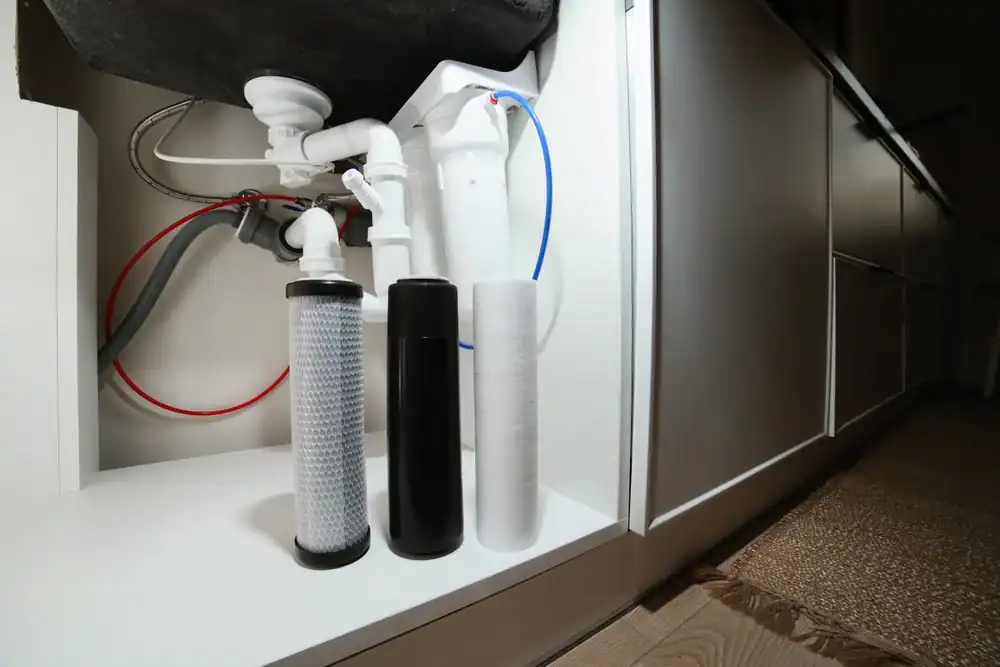
Once the test is done and the results are clear, we design a multi-stage filtration system around your water’s specific issues. For municipal customers in DeSoto dealing with chlorine, disinfection byproducts, and hard water, that typically means a combination of sediment pre-filtration, activated carbon stages for chlorine and byproduct removal, and a conditioning stage to address mineral hardness. For well water customers — especially those near agricultural land in DeSoto County — the system may also address iron, nitrates, bacteria, or hydrogen sulfide depending on what the test finds.
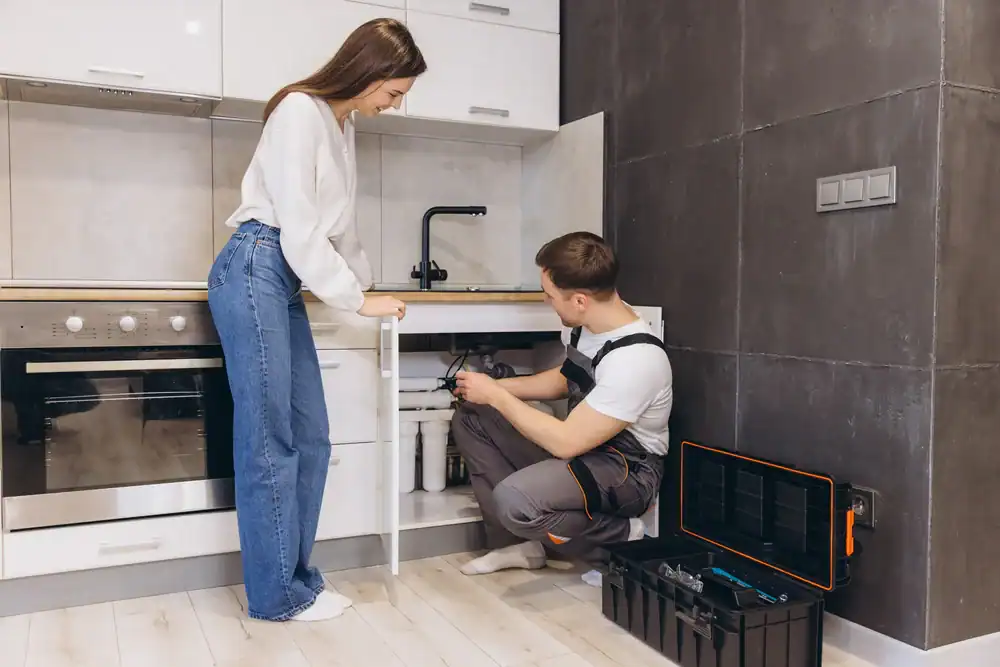
Installation is a point-of-entry setup, meaning the system connects where the water line enters your home. From that point forward, every tap, every shower, every appliance gets treated water. In DeSoto County, where the Florida Department of Health manages water program permits at their Arcadia office on South Baldwin Avenue, any permit requirements specific to your property type or utility connection are handled as part of the process. After installation, we explain the system to you so you know what you have, how it works, and what maintenance looks like going forward.
Ready to get started?
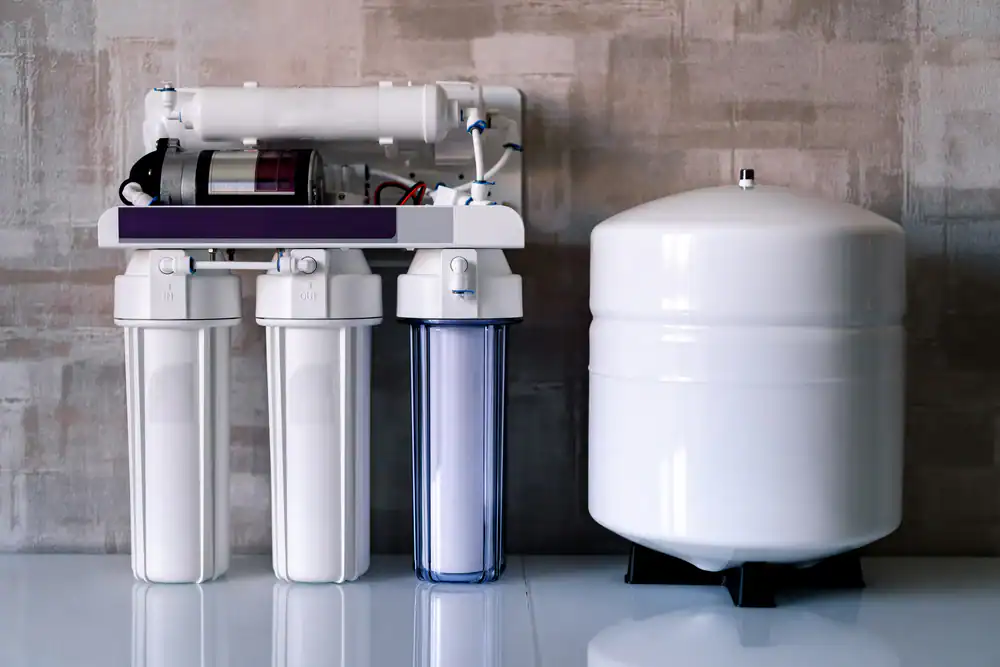
Our whole house water filtration system isn’t a single filter — it’s a multi-stage process designed to address the full range of what’s in your water. For DeSoto County homes on the Peace River-sourced municipal supply, that means tackling disinfection byproducts, chlorine, chloramines, sediment, and hard water minerals in sequence. Each stage handles something different, and together they cover the complete picture.
For well water homes in the unincorporated parts of DeSoto County — including areas around Lake Suzy, Fort Ogden, and the agricultural stretches between Arcadia and the Charlotte County line — the system is configured around what your well actually contains. That might mean an iron filter, a nitrate reduction stage, a UV disinfection component for bacterial concerns, or a combination of all of them. The starting point is always the water test. The system follows the results, not a catalog.
Every installation we do is a point-of-entry setup — one system, whole house protection. That means the water reaching your water heater is treated, which extends its life. The water in your showers is treated, which means no chlorine steam every morning. The water your appliances run on is conditioned, which means no scale accumulation silently degrading equipment you paid good money for. For DeSoto County homeowners who understand that a dollar saved on maintenance is a dollar earned, that’s the real value of a system like this.
The two most documented concerns in DeSoto County’s municipal water supply are trihalomethanes (TTHMs) and haloacetic acids (HAAs). Both are disinfection byproducts — they form when the chlorine used to treat Peace River surface water reacts with naturally occurring organic matter in the source water. The EWG Tap Water Database confirms detections in both the DeSoto County Water System and the City of Arcadia Water Department’s supply, at levels that exceed EWG’s health-based guidelines even if they fall within legal limits.
These aren’t contaminants with obvious signs. Your water can look clear, smell mostly fine, and still contain substances with documented links to bladder cancer and adverse reproductive outcomes over long-term exposure. That’s exactly why a water test matters more than a visual check. Our whole house filtration system with activated carbon stages removes these byproducts at the point of entry, before they reach any tap or fixture in your home.
That depends entirely on what’s in your specific well — and the only way to know is to test it. DeSoto County’s agricultural character creates real groundwater pressure that doesn’t exist in coastal or suburban Florida counties. Citrus grove fertilization introduces nitrates into the soil. Livestock operations contribute bacteria and waste. The Floridan Aquifer’s limestone geology naturally adds iron, calcium, magnesium, and in some areas hydrogen sulfide to well water. None of this is being monitored by a utility on your behalf.
The Southwest Florida Water Management District has funded specific projects in DeSoto County to address groundwater quality impacts from agricultural operations — which tells you this isn’t a hypothetical concern, it’s a documented one. If your property is in the rural parts of DeSoto County near active citrus or cattle operations, the risk profile is higher than average. A water test is the honest starting point. From there, we build the system around what your well actually contains — not a generic package, but a configuration matched to your specific results.
Yes — and in DeSoto County, this is one of the most practical arguments for a whole house system. Florida’s limestone geology produces hard water throughout the state, but the Peace River watershed geology is particularly mineral-rich. That calcium and magnesium content accumulates as scale inside your water heater, dishwasher, washing machine, and pipes over time. It doesn’t happen overnight, but it’s happening constantly.
A water heater operating against significant scale buildup can lose up to 48% of its efficiency and fail years before its expected lifespan. For a homeowner in DeSoto County where appliance replacement is a real budget hit, that’s a cost that a whole house conditioning system can prevent. The system addresses hardness at the point of entry, so every appliance in your home gets conditioned water from day one. It’s not a luxury feature — it’s maintenance that pays for itself in extended equipment life and lower energy bills.
An under-sink filter or pitcher filter treats the water coming out of one specific tap — usually the kitchen faucet. That’s useful for drinking water, but it does nothing for the rest of your home. The chlorine and disinfection byproducts in your shower water don’t disappear because your kitchen tap is filtered. When you shower in chlorinated water, you’re inhaling steam and absorbing it through your skin for the duration of the shower. A pitcher filter doesn’t touch that.
A point-of-entry system installs where the water line enters your home, which means every gallon of water in the house is treated before it reaches anything — every faucet, every shower, every bath, your washing machine, your ice maker, your water heater. For DeSoto County homeowners on the Peace River-sourced municipal supply, where both disinfection byproducts and mineral hardness are documented issues, treating only the kitchen tap means the rest of your home’s water — and your appliances — are still dealing with the full problem.
Whole house water filtration systems typically range from around $1,500 to $4,500 or more, depending on the number of treatment stages required, the size of your home, and the specific contaminants your water test identifies. A basic multi-stage system for municipal water addressing chlorine, disinfection byproducts, and sediment sits toward the lower end of that range. A more comprehensive system for well water in DeSoto County — one that also handles iron, nitrates, bacteria, or hydrogen sulfide — will be configured with additional stages and priced accordingly.
The more useful way to think about cost is against what you’re currently spending and what you’re risking. A family spending $75 a month on bottled water spends $900 a year — and that water doesn’t protect your appliances, your pipes, or your shower. A water heater that fails five years early because of scale buildup costs $1,000 to $1,500 to replace. The system pays for itself over time in ways that are measurable. For active military, veterans, and first responders in DeSoto County, we offer a $500 discount on a whole house system — a real reduction on a real investment.
Please provide your email address so that we can stay in touch and answer any questions you have! We will be reaching back out shortly.
"*" indicates required fields